First-Timer's Guide to Japanese Cooking Classes in Tokyo: Why Asakusa Should Be Your Starting Point
First-Timer's Guide to Japanese Cooking Classes in Tokyo: Why Asakusa Should Be Your Starting Point
You've dreamed about it for months—maybe years. Standing at a wooden counter, learning the ancient art of sushi from someone who's spent a lifetime perfecting it. Whisking matcha in a quiet tearoom while the bustle of Tokyo hums somewhere in the distance. Japanese cuisine isn't just food; it's a window into a culture that values precision, seasonality, and mindfulness.
But with hundreds of Japanese cooking classes scattered across Tokyo, how do you choose the right one? And more importantly, how do you ensure your experience goes beyond a tourist checkbox into something genuinely memorable?
Let's break it down—from what to expect in your first sushi class in Tokyo to why a matcha experience in Asakusa might just become the highlight of your trip.
Popular in Tokyo right now — our most recommended experience
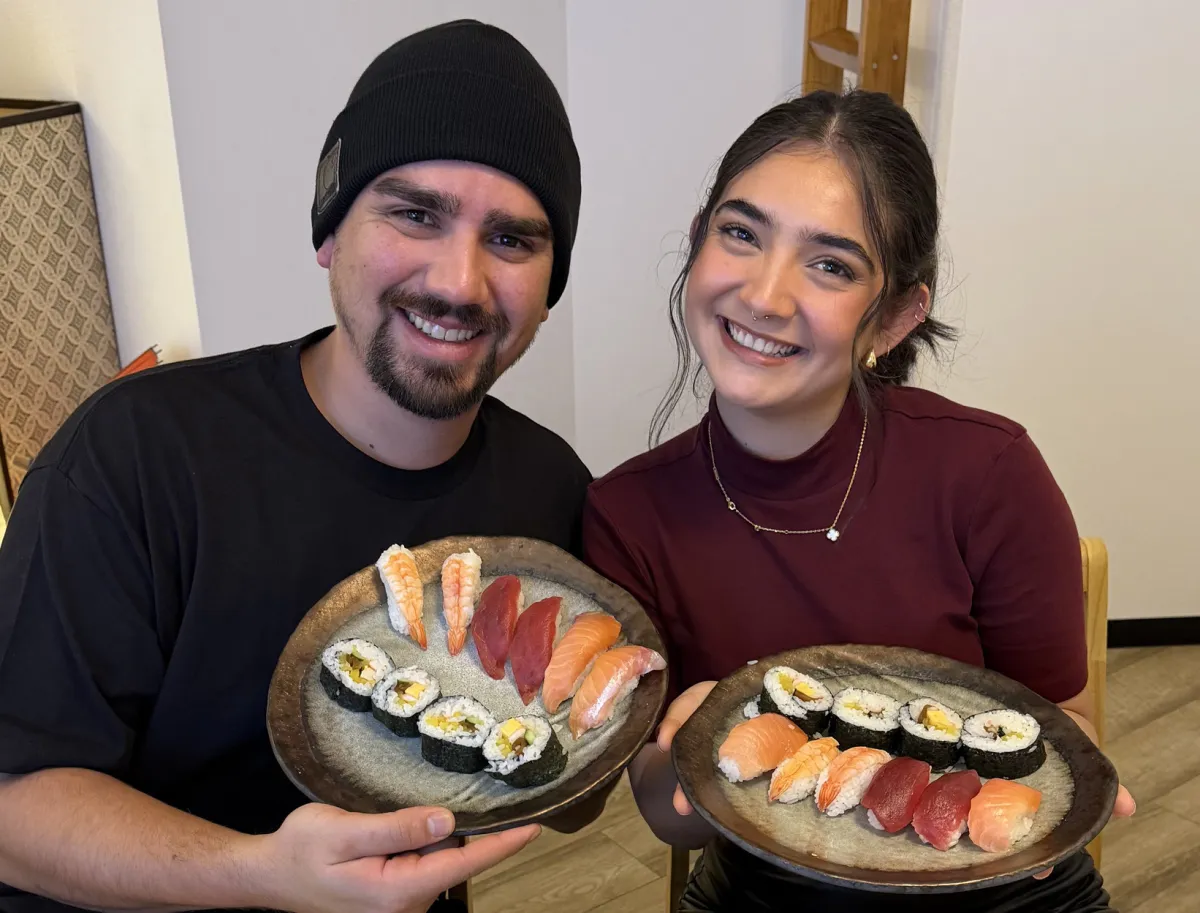
Tokyo Sushi Making Class : Sake Ceremony & Matcha Experience in Asakusa
Why Take a Cooking Class in Japan?
Before we dive into logistics, let's address the big question: why bother with a cooking class when Tokyo has over 160,000 restaurants?
Because eating sushi and making sushi are entirely different experiences.
When you learn to shape nigiri with your own hands, you suddenly understand why sushi chefs train for years before they're allowed to touch fish. When you whisk matcha using a bamboo chasen, you feel the meditative rhythm that has anchored Japanese tea ceremony for centuries. These aren't just skills—they're cultural keys that unlock a deeper appreciation for everything else you'll eat and experience in Japan.
Plus, there's something magical about bringing these techniques home. Long after your trip ends, you'll be recreating that perfect tamago or serving matcha to impressed friends.
What to Expect from a Sushi Class in Tokyo
Most sushi classes in Tokyo follow a similar structure, but quality and authenticity vary wildly. Here's what a good class should include:
The Basics You'll Learn
Rice preparation — The foundation of great sushi isn't the fish; it's the rice. You'll learn proper washing techniques, the ideal water-to-rice ratio, and how to season with sushi-zu (vinegar mixture). Master chefs say rice is 70% of sushi's quality.
Knife skills — Don't worry, nobody expects you to fillet a whole tuna. But you'll practice basic cuts for sashimi and learn why knife angle and direction matter for texture.
Nigiri formation — The iconic hand-pressed sushi. You'll practice the gently curved shape, learn how much wasabi to apply, and discover why the rice should be room temperature while the fish is cold.
Maki rolling — From basic hosomaki to inside-out California rolls, rolling sushi is surprisingly tricky. The bamboo mat technique takes practice, but once it clicks, it's incredibly satisfying.
What Sets Great Classes Apart
The difference between a mediocre class and an unforgettable one often comes down to:
- Small group sizes — Anything over 8-10 people means less personal attention
- Market-fresh ingredients — Classes that source from places like Tsukiji Outer Market or local suppliers
- Cultural context — Instructors who explain the why behind techniques, not just the how
- Hands-on time — You should be making sushi, not watching someone else make it
The Matcha Experience: More Than Just Green Tea
If sushi classes are active and hands-on, a matcha experience in Asakusa offers something different—a moment of stillness in one of Tokyo's most vibrant neighborhoods.
Traditional Japanese tea ceremony (sadō or chadō) is deeply rooted in Zen Buddhism. Every movement is deliberate. The way you receive the bowl, how you turn it before drinking, even the angle of your bow—all carry meaning.
What You'll Actually Do
A typical matcha session includes:
Wagashi tasting — These traditional sweets are served before matcha to balance the tea's bitterness. Seasonal designs reflect the time of year—spring might bring sakura-shaped confections, while winter features snow-inspired patterns.
Whisking technique — Using a chasen (bamboo whisk), you'll learn the rapid "M" or "W" motion that creates matcha's signature froth. It takes about 15-20 seconds of focused whisking to get it right.
Mindful drinking — There's a proper way to hold the bowl, admire it, and drink. These small rituals might feel foreign at first, but they're designed to help you be fully present.
Why Asakusa for Matcha?
Asakusa preserves old Tokyo like nowhere else. After your matcha session, you can walk to Sensoji Temple (Tokyo's oldest), stroll down Nakamise-dori shopping street, or take a water bus down the Sumida River. The traditional atmosphere reinforces everything you just learned about Japanese culture.
Combining Sushi and Matcha: The Complete Experience
Here's our recommendation for first-timers: don't choose between sushi and matcha—do both.
The combination creates a complete picture of Japanese culinary philosophy:
- Sushi represents wa-shoku (Japanese food)—the art of highlighting natural flavors through skilled preparation
- Matcha represents wa-bi sa-bi—the beauty of simplicity and impermanence
At Sushi Matcha, we designed our classes specifically for visitors who want both experiences. Our Asakusa location means you're learning these arts in their natural habitat, not a sterile cooking studio in a business district.
Practical Tips for Your Japanese Cooking Class
When to Book
Availability varies by date, and travel peaks such as cherry blossom season (late March–early April), Golden Week (late April–early May), and autumn foliage season (November) can be busier. Once your date is settled, book rather than waiting. If you are deciding between reserving in advance and looking on the day, our guide to booking a sushi class ahead or on the same day covers what to check first.
Morning classes tend to have fresher energy and better ingredient selection. If you're visiting Tsukiji or Toyosu fish markets, consider a class that same day—your newfound appreciation for fish quality will be fresh in your mind.
What to Wear
- Comfortable clothing you don't mind getting a little messy
- Closed-toe shoes (some kitchens require them)
- Tie long hair back
- Remove watches and bracelets (they interfere with sushi-making)
Dietary Restrictions
Japanese cuisine can accommodate most dietary needs, but communicate early. Vegetarian sushi classes use cucumber, tamago, pickled vegetables, and sometimes creative items like yuba (tofu skin). Some classes offer halal or gluten-free options with advance notice.
Taking Photos
Most classes encourage photos, but ask first. Some traditional spaces restrict photography during certain moments. When in doubt, be respectful.
Beyond the Class: Extending Your Culinary Journey
Your Japanese cooking class is just the beginning. Here's how to deepen your experience:
Visit Tsukiji Outer Market — The inner market moved to Toyosu, but the outer market remains a foodie paradise. Chat with vendors, sample fresh tamago-yaki, and pick up quality kitchen tools.
Eat at a sushi counter — After learning the basics, sitting at an omakase counter becomes exponentially more interesting. You'll notice techniques, appreciate ingredient selection, and maybe even make conversation with the chef.
Try a depachika — Department store basement food halls (like those in Mitsukoshi or Isetan) showcase the full spectrum of Japanese cuisine. Your trained eye will spot quality wagashi, seasonal ingredients, and presentation techniques.
Cook at your accommodation — Many Tokyo apartments include kitchens. Buy ingredients from a local supermarket and practice what you learned. The mistakes you make will teach you as much as the class did.
Choosing the Right Class: A Quick Checklist
Before booking any sushi class in Tokyo or matcha experience, ask:
✅ Class size (smaller is better) ✅ Duration (check the stated class length and plan your day around it) ✅ What's included (ingredients, apron, recipe booklet?) ✅ Language (native English speakers vs. translation) ✅ Location accessibility (how easy to reach by train?) ✅ Reviews from actual students ✅ Cancellation policy
Your First Step Starts Here
Japanese cuisine might seem intimidating from the outside, but that's exactly why cooking classes exist. They demystify the art, invite you into the process, and send you home with skills that last a lifetime.
Whether you're drawn to the precision of sushi-making or the meditative calm of matcha ceremony—or ideally both—your Japanese cooking class adventure awaits.
At Sushi Matcha, we've welcomed thousands of first-timers through our Asakusa doors. Some arrive nervous about using chopsticks; they leave confidently shaping nigiri. That transformation never gets old.
Ready to begin your own journey? Browse our sushi making class in Tokyo and find the experience that speaks to you. We can't wait to see you in Asakusa.
Sushi Matcha offers daily sushi and matcha classes in the heart of Asakusa, Tokyo's most traditional neighborhood. All skill levels welcome. Private classes available for families and small groups.
Choose your class format
If you are deciding who to join, compare the shared and private sushi class formats, including group requirements and confirmation steps. If you are travelling on your own, our guide to joining a sushi class alone in Tokyo explains what to check before booking one place.
Getting ready for the day itself
Once your class is booked, the remaining questions are practical ones. Our guide to what to wear and bring to a sushi class covers clothing, what is already provided at the studio, luggage storage and what to tell us in advance.
Related Articles
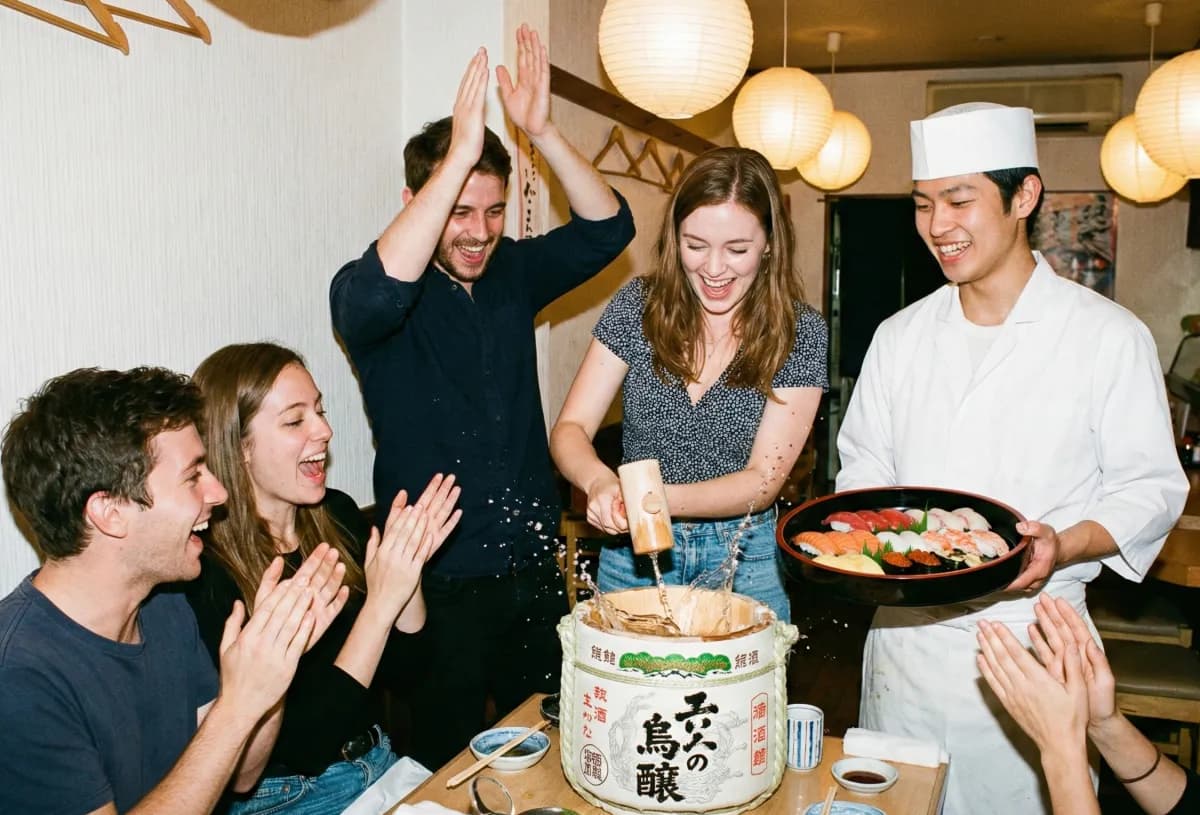
Sushi Etiquette Decoded: The Unwritten Rules Every First-Timer Should Know
Discover the authentic way to enjoy sushi in Japan—from hands vs. chopsticks to the proper use of soy sauce and wasabi. Master these unwritten rules before your Asakusa visit.
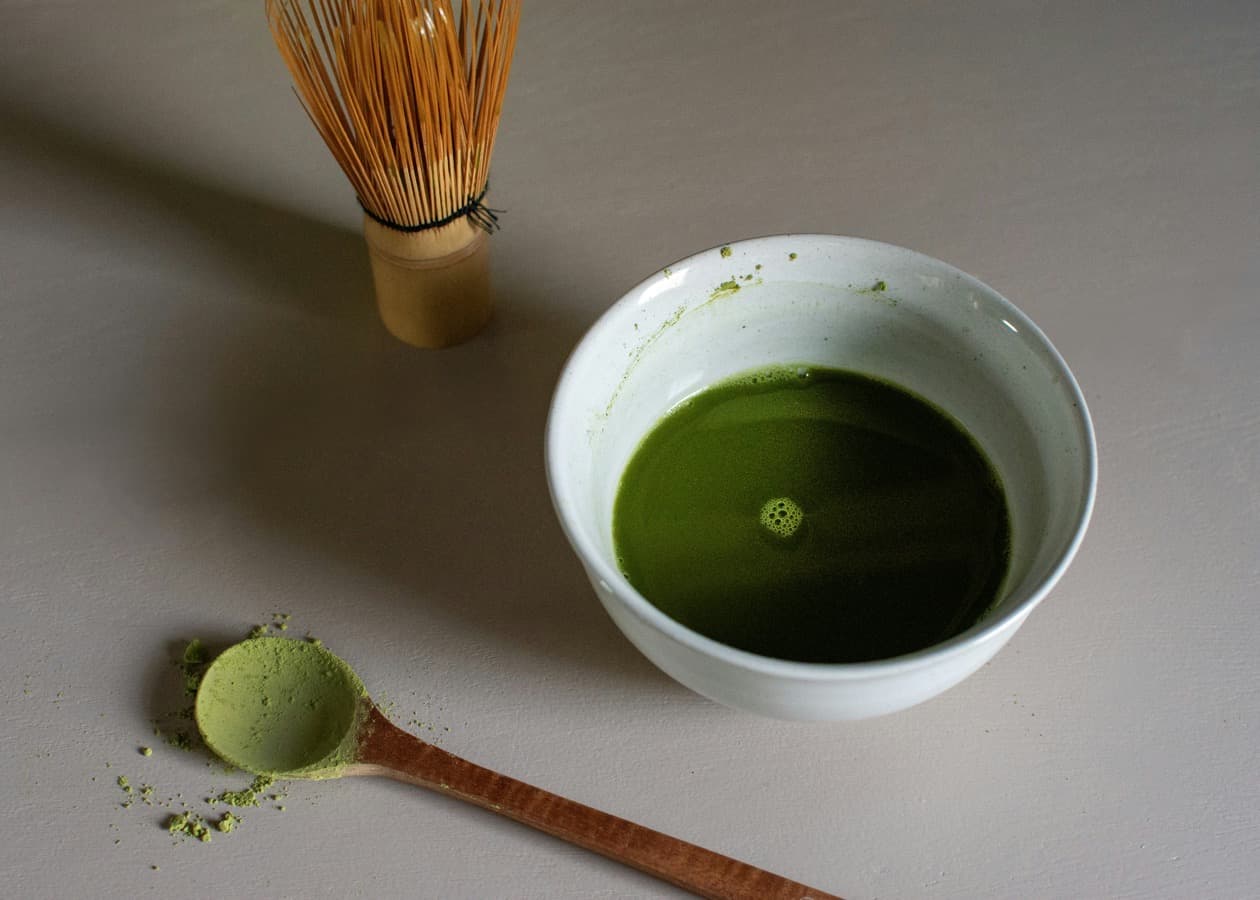
The Art of Matcha: A First-Timer's Guide to Japan's Iconic Green Tea
Discover the rich history, health benefits, and cultural significance of matcha. Learn how to enjoy this vibrant green tea the traditional way during your visit to Asakusa.
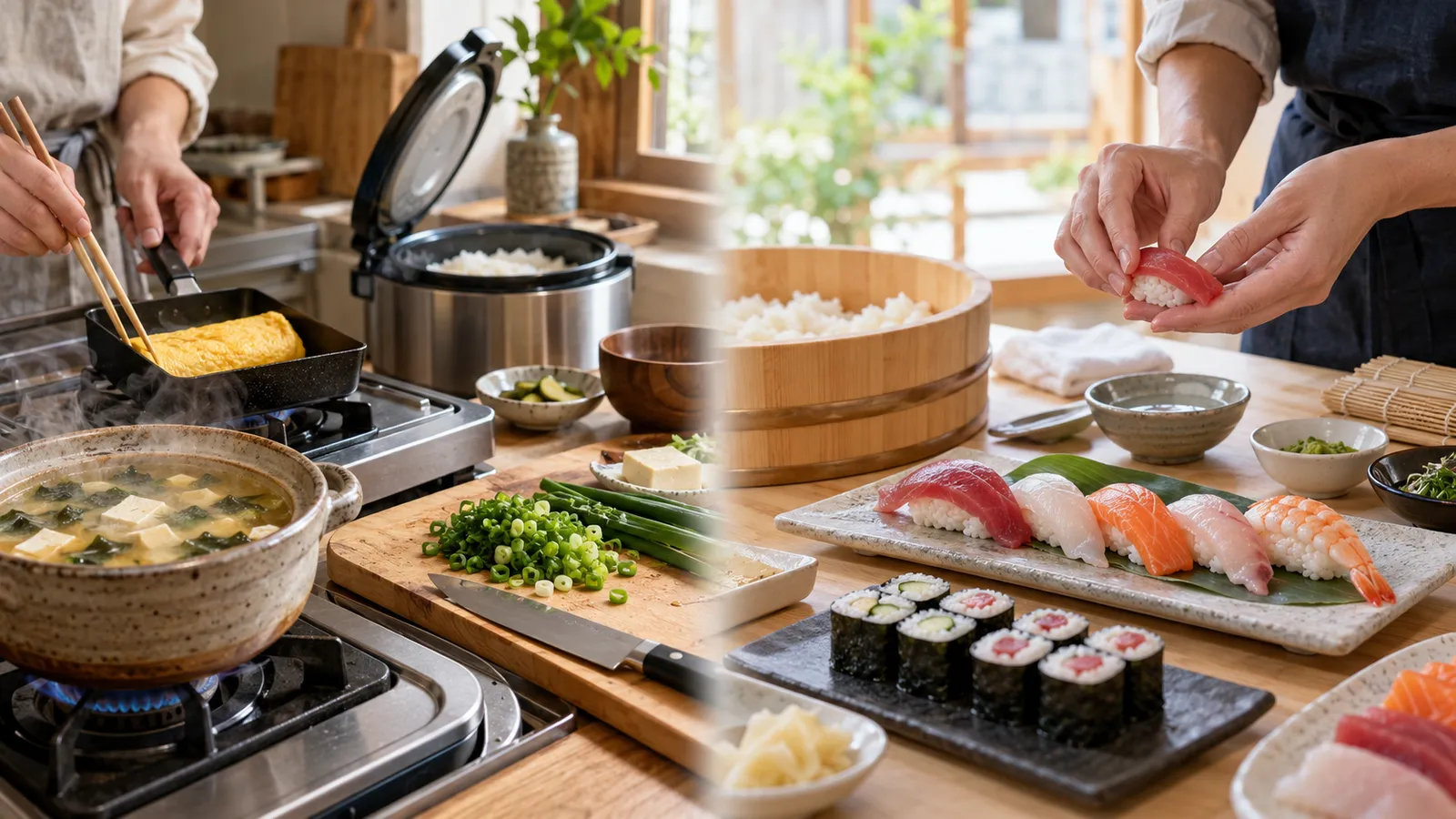
Home Cooking Class or Sushi Class in Tokyo?
A local's kitchen or a dedicated sushi studio? Compare menus, group size, timing, language and booking so you can choose the Tokyo cooking class that fits you.