Group Cooking Activities in Tokyo: The Team-Building Experience You Didn't Know You Needed
Group Cooking Activities in Tokyo: The Team-Building Experience You Didn't Know You Needed
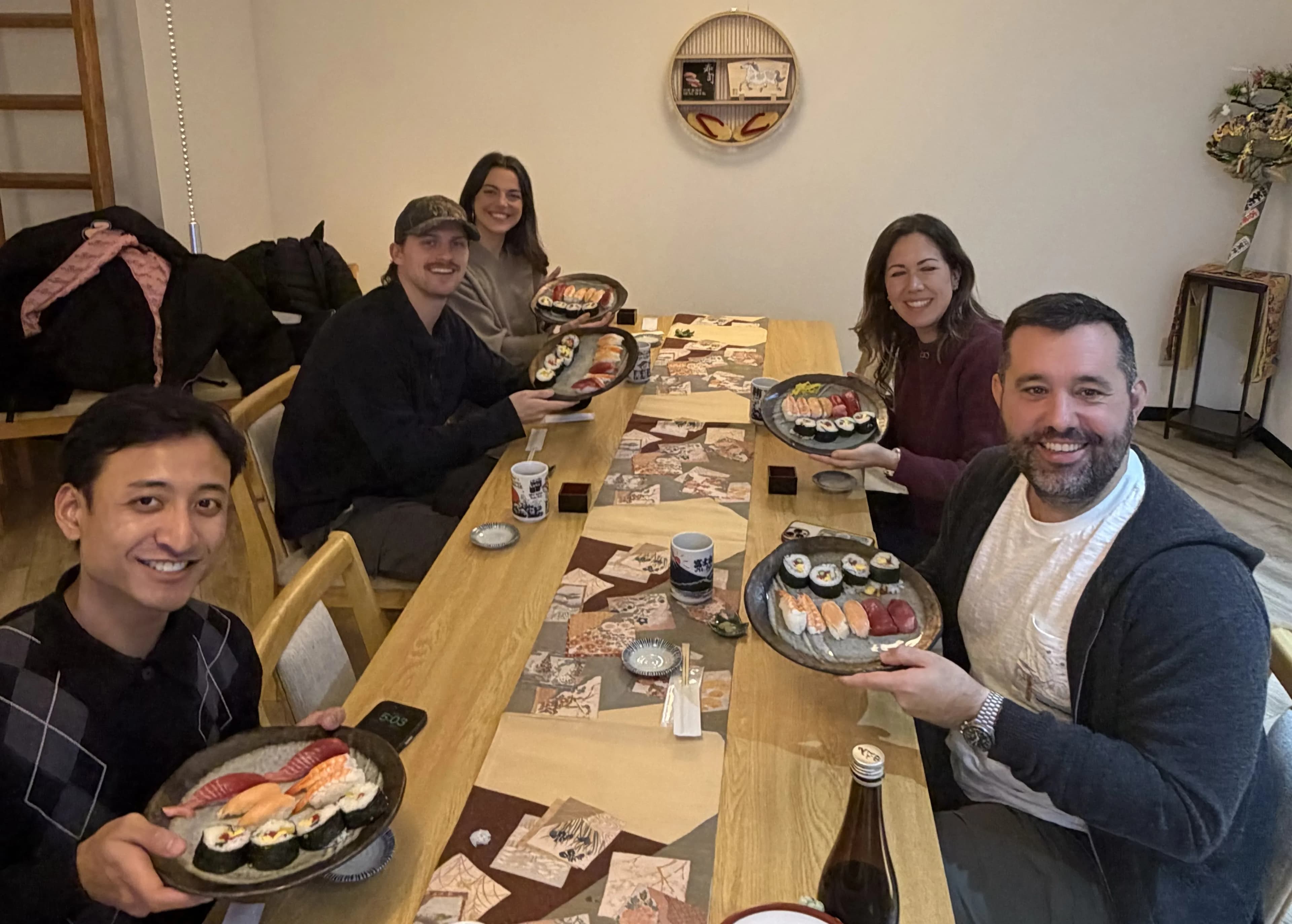
Picture this: you're standing around a wooden prep station with your travel companions, each of you wielding bamboo rolling mats, rice flying everywhere, and laughter echoing off the walls. Someone's maki roll falls apart. Someone else's is suspiciously perfect. The chef instructor watches with patient amusement, ready to help—but also letting you learn through glorious failure.
This is what happens when you book a sushi class in Tokyo for your group. And honestly? It might become your most-talked-about memory from the entire trip.
Whether you're traveling with family, celebrating with friends, organizing a corporate retreat, or simply want to share something special with a loved one, a Japanese cooking class transforms passive tourism into active participation. You don't just see Japan—you do Japan.
Popular in Tokyo right now — our most recommended experience
Tokyo Sushi Making Class : Sake Ceremony & Matcha Experience in Asakusa
Why Group Cooking Classes Hit Different
There's something about cooking together that breaks down barriers. Maybe it's the vulnerability of trying something new in front of others. Maybe it's the shared challenge of mastering techniques you've never attempted. Or maybe it's simply that food is universal—everyone has to eat, everyone has opinions, and everyone can participate regardless of background.
A matcha experience in Asakusa for your group creates:
- Shared memories — You'll reference "that time we made sushi" for years
- Equal participation — Unlike tours where one person navigates, everyone contributes here
- Natural conversation — Side-by-side cooking sparks discussions that bus tours never do
- Tangible results — You eat what you make (and judge each other's work, lovingly)
Compare this to typical group activities: guided bus tours where half the group zones out, museum visits where everyone moves at different speeds, or shopping excursions where budgets vary wildly. Cooking classes level the playing field. If your group is specifically weighing a class against a guided food tour, our sushi class or food tour comparison sets out the questions to ask before choosing.
For Families: Making Memories Beyond Theme Parks
Traveling to Tokyo with kids? You've probably already mapped out DisneySea, Akihabara, and Shibuya Crossing. But here's the thing—your children will remember theme parks from every vacation. How many will remember making their own lunch in Japan?
A family-friendly Japanese cooking class offers:
Kids Actually Engage
The hands-on nature keeps even reluctant teenagers interested. There's no reading plaques or standing quietly—there's rolling, shaping, whisking, and (most importantly) eating.
Sushi-making appeals to children because it's essentially edible arts and crafts. They choose their fillings, design their rolls, and take pride in their creations. Even picky eaters often surprise themselves by eating something they made with their own hands.
Learning Disguised as Fun
Your kids absorb cultural knowledge without realizing they're learning. They discover why Japanese rice is different from the rice at home. They understand why sushi chefs train for years. They experience a tea ceremony's deliberate slowness in our increasingly rushed world.
These lessons stick because they're experiential, not lectured.
Parent-Child Bonding
When was the last time you and your teenager worked side-by-side on a shared project? Cooking classes create space for connection without the pressure of "quality time." You're focused on the task, which paradoxically allows conversation to flow naturally.
For Couples: Romance Beyond the Expected
Tokyo offers endless date possibilities—intimate izakayas, sunset views from Shibuya Sky, cherry blossom strolls. But a private sushi class in Tokyo for two creates something different: a story you build together.
Why Couples Love It
It's collaborative, not passive. Watching a show or eating at a restaurant places you as audience members. Making sushi makes you teammates.
You see each other learn. There's vulnerability in being a beginner together. Supporting each other through wobbly first attempts builds intimacy.
You create together. The meal you share at the end is literally the product of your combined effort. That's poetic, whether you acknowledge it or not.
The Perfect Date Day in Asakusa
Our recommendation for couples: book a morning class, then extend your day in the neighborhood.
- Start with our matcha experience in Asakusa (the calm before the culinary storm)
- Move into your sushi class, rolling and shaping together
- Enjoy your handmade lunch as the reward
- Walk to Sensoji Temple (5 minutes away) for post-meal exploration
- End with sunset drinks along the Sumida River
The combination of learning, creating, and exploring makes for a date that's genuinely memorable—not just another nice dinner you'll forget in a month.
For Friends: The Group Activity That Actually Works
Planning activities for friend groups is notoriously difficult. Someone wants adventure, someone wants relaxation, someone's budget is tight, and coordinating schedules feels like herding cats.
Cooking classes solve most of these problems:
Everyone Can Participate
Unlike hiking (fitness varies) or clubbing (energy varies) or shopping (budget varies), a Japanese cooking class accommodates everyone. The cost is fixed, the activity is accessible, and both introverts and extroverts find their space.
Built-In Structure
You don't have to figure out what to do or where to go. The class provides the agenda, the instructor keeps things moving, and you show up ready to have fun. For the friend who always ends up planning everything, this is blessed relief.
Competitive Fun
Let's be honest—friend groups thrive on gentle competition. Whose nigiri looks best? Who whisked their matcha to perfect froth? The bragging rights alone are worth it.
Perfect for Milestone Celebrations
Bachelorette parties, birthday trips, reunion gatherings—cooking classes create shared experiences that photo ops at Tokyo Tower simply can't match. You're making memories, not just documenting them.
For Corporate Teams: Team-Building That Doesn't Feel Like Team-Building
Planning a corporate event? We've built a dedicated corporate team building in Tokyo page with corporate pricing, private studio buyouts, invoicing details, and a quick quote form. If you are choosing between our studio and a workshop at your own office, see our comparison of a team sushi event at the studio or your office.
Every corporate retreat coordinator knows the challenge: activities that are engaging but not cheesy, memorable but appropriate, team-focused but not cringe-worthy. Trust falls and escape rooms have their place, but they're expected.
A Japanese cooking class in Asakusa offers something different.
Why It Works for Teams
Hierarchy dissolves. When everyone's a beginner, titles matter less. The CEO's sushi might fall apart while the intern's is Instagram-perfect. This leveling is healthy.
Communication happens naturally. Teams must coordinate, share tools, and help each other. These interactions reveal dynamics without artificial "team-building exercises."
Cultural learning adds value. For companies doing business in Japan, understanding food culture provides genuine insight. For others, it's simply an enriching experience that shows investment in employees.
It's actually enjoyable. Your team won't groan when they hear the activity. People want to make sushi.
Practical Considerations for Organizers
- Group sizes: Most spaces accommodate 10-20 people comfortably; larger groups can be split
- Duration: Our regular sushi and matcha class runs 90 minutes—hands-on for everyone without exhausting the group
- Dietary restrictions: Professional classes accommodate vegetarian, halal, gluten-free with advance notice
- Follow-up: Teams often continue the experience with dinner at a sushi restaurant, now equipped to appreciate it differently
Why Asakusa Is the Perfect Location
You could take a cooking class anywhere in Tokyo. Shinjuku, Ginza, and Roppongi all have options. But there's a reason serious culinary experiences concentrate in Asakusa.
Historical Context
Asakusa was Tokyo's cultural heart for centuries. While other neighborhoods modernized and westernized, Asakusa preserved tradition. The narrow streets, traditional architecture, and temple atmosphere create context for what you're learning.
Making sushi in a sleek Roppongi kitchen might teach you technique. Making sushi in Asakusa helps you understand why the technique matters.
Before and After Your Class
Asakusa offers natural extensions to your cooking experience:
Before class:
- Senso-ji Temple morning visit (less crowded before 10 AM)
- Nakamise-dori shopping street for traditional souvenirs
- Asakusa underground mall exploration
After class:
- Sumida River walk or water bus ride
- Traditional craft workshops (indigo dyeing, edo-kiriko glass)
- Evening drinks at a standing izakaya
The neighborhood enhances your class; the class enhances your understanding of the neighborhood. It's symbiotic.
Accessibility
Asakusa connects directly to major Tokyo areas:
- 15 minutes from Ueno (museums, zoo)
- 20 minutes from Shibuya/Shinjuku (via metro)
- 30 minutes from Tokyo Station (shinkansen hub)
- Direct Skyliner access from Narita Airport
For groups coordinating from different hotels, Asakusa is central enough to work for everyone.
What Makes a Great Group Cooking Class?
Not all classes are created equal. When booking for your group, look for:
Adequate Space
Cramped conditions kill the vibe. Ensure there's room for everyone to work comfortably and move around. Ask about station setups—individual stations or shared prep areas?
Appropriate Instructor Ratio
For groups over 6, there should be more than one instructor. Learning requires attention, and one teacher can't adequately support 15 people rolling sushi simultaneously.
Flexibility
The best group classes adapt to your needs. Private sessions, customized menus, specific dietary requirements, photography permissions—professional operations accommodate these.
English Fluency
For non-Japanese speakers, instructor English fluency matters enormously. Broken explanations lead to frustration. Look for native English speakers or highly fluent instructors.
The Right Balance
Classes should be structured enough to teach techniques but relaxed enough to allow interaction. Overly rigid instruction kills the social aspect; too loose means people don't actually learn.
Booking Tips for Group Classes in Tokyo
Start Early
Popular group slots book out quickly, especially for:
- Cherry blossom season (late March–April)
- Golden Week (late April–early May)
- Summer vacation periods
- Autumn leaves (November)
- Year-end holidays
For groups of 8+, book as soon as your date is confirmed, so there is time to arrange places for everyone.
Communicate Dietary Needs
Japanese cuisine accommodates restrictions well, but advance notice is essential. Compile your group's requirements (vegetarian, allergies, halal, etc.) before booking.
Confirm Logistics
Especially for corporate groups:
- Receipt/invoice requirements for expense reports
- Start/end times that work with other scheduled activities
- Nearest meeting points if people are coming from different places
- Photography policy for marketing or personal use
Consider Private Sessions
For groups over 6, private classes often make sense. You get dedicated attention, flexible scheduling, and the ability to customize the experience. The per-person cost difference is usually minimal.
If you are the one doing the organising, our step-by-step guide to booking a Tokyo sushi class for a group of friends covers what to collect from everyone before you open the booking page and how to keep the whole party in one session.
Your Group's Tokyo Story Starts Here
Travel memories fade. Photos accumulate in cloud storage, never revisited. The restaurant names blur together, the sights blend into a general impression of "Japan was amazing."
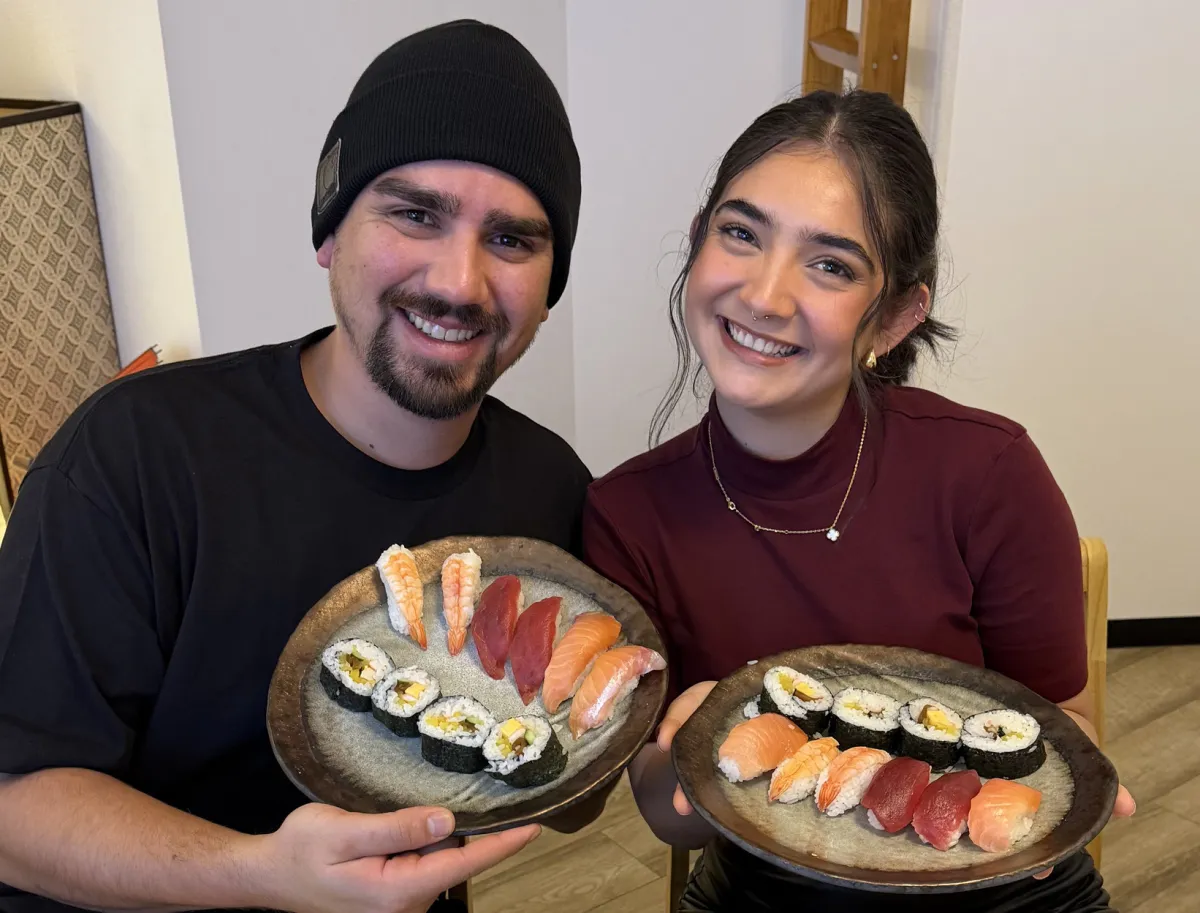
But the day you made sushi? That stays sharp. The friend who couldn't stop laughing at their disaster roll. The moment your kid successfully shaped their first nigiri. The unexpected conversation with your coworker while whisking matcha. The team photo where everyone's holding up their creations.
These are the memories that become stories, and stories are what travel is really about.
A Japanese cooking class in Tokyo isn't just an activity—it's an investment in experiences that compound. You return home with skills. You recreate dishes that transport you back. You bond with your travel companions in ways that sightseeing never achieves.
Ready to plan your group experience? Explore our sushi making class or contact us to discuss custom arrangements for your family, friends, or team. Asakusa awaits, and your cooking stations are ready.
Sushi Matcha offers daily sushi and matcha classes in the heart of Asakusa, with private sessions available for groups of all sizes. From intimate couple's classes to corporate team events, we customize each experience. View our offerings →
Related Articles
Samurai Experience or Sushi Class in Tokyo?
Choosing between a samurai experience and a sushi class in Asakusa? Compare time, cost, ages, photos and food, and see how to fit both into one day.
Sushi Class for a Student Group in Tokyo
Planning a sushi class for a school trip or student group in Tokyo? Group size, ages, the sake toast, dietary forms, invoices and when to book.
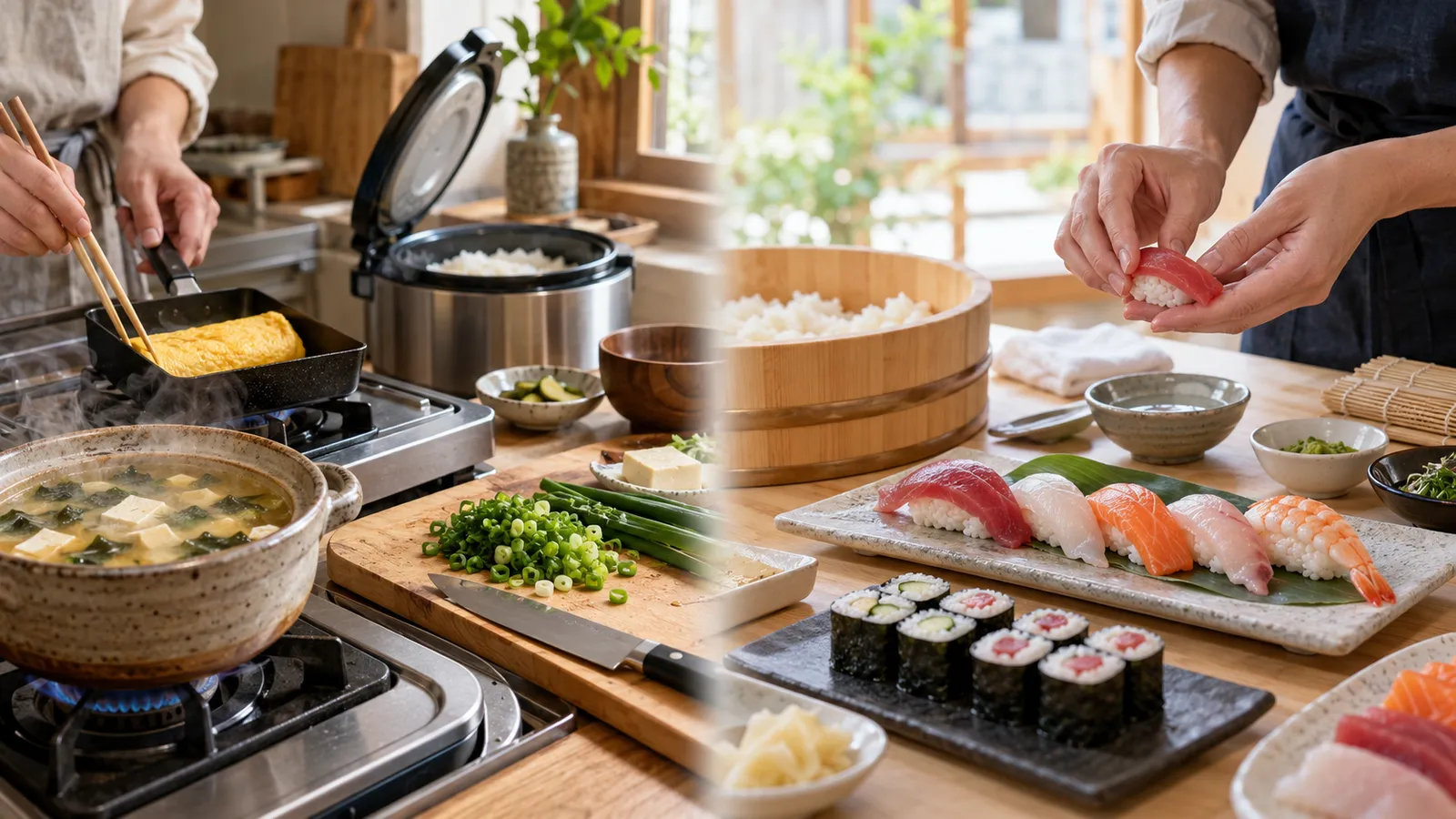
Home Cooking Class or Sushi Class in Tokyo?
A local's kitchen or a dedicated sushi studio? Compare menus, group size, timing, language and booking so you can choose the Tokyo cooking class that fits you.