The Perfect Asakusa Morning: How to Combine a Sushi Class with an Authentic Matcha Experience
The Perfect Asakusa Morning: How to Combine a Sushi Class with an Authentic Matcha Experience
There's a moment in every Tokyo trip when you realize the city offers too much. Too many neighborhoods to explore, too many restaurants to try, too many experiences calling your name. The paralysis is real—especially when you only have a few days to capture the essence of Japanese culture.
Here's a secret the guidebooks rarely tell you: some of the most meaningful experiences aren't scattered across the city. They're concentrated in one historic neighborhood where centuries of culinary tradition meet modern accessibility. Welcome to Asakusa, where you can master the art of sushi-making and discover the meditative world of matcha—all before lunch.
Popular in Tokyo right now — our most recommended experience
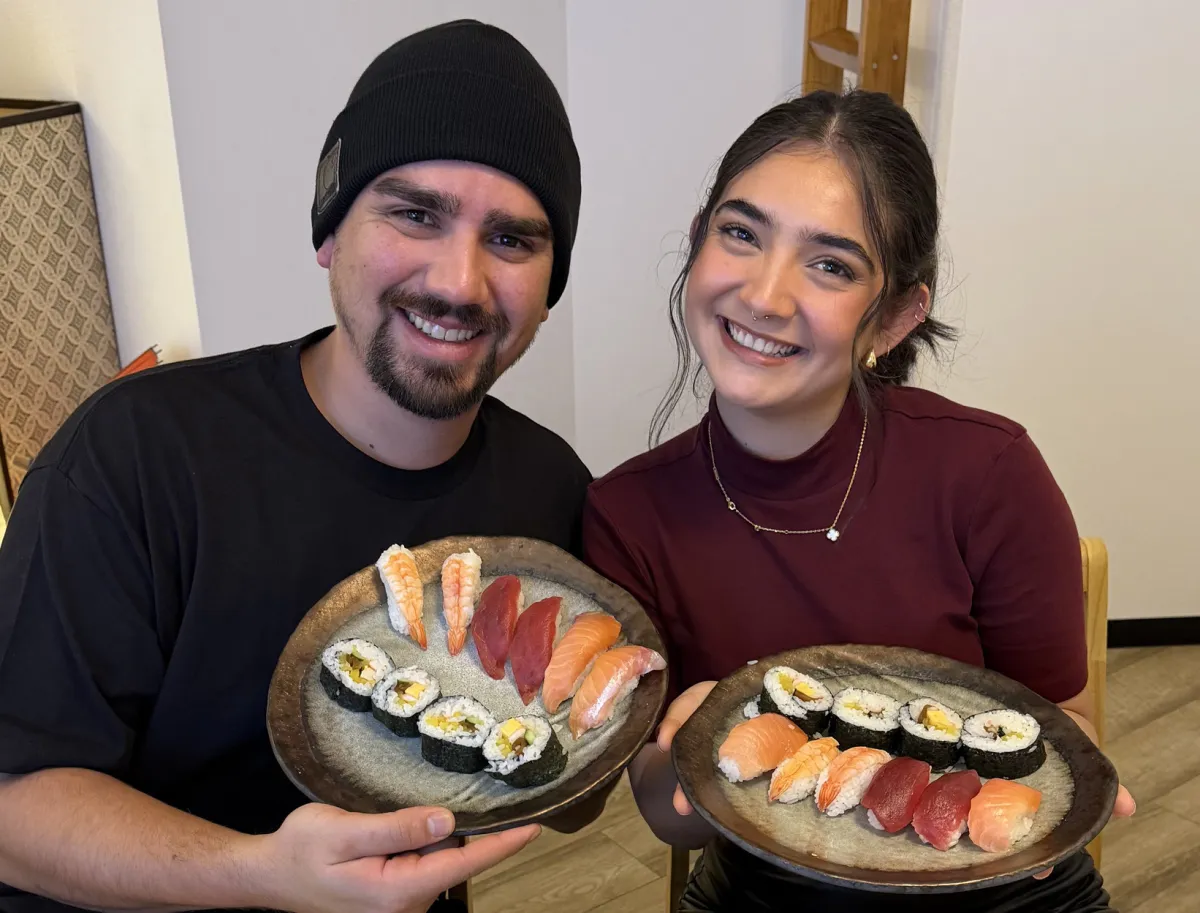
Tokyo Sushi Making Class : Sake Ceremony & Matcha Experience in Asakusa
Why Asakusa Is Tokyo's Hidden Gem for Food Experiences
When travelers think of Japanese cooking classes, Shibuya or Shinjuku often come to mind first. But Asakusa offers something those flashier districts can't: authenticity rooted in everyday Tokyo life.
This neighborhood has been Tokyo's cultural heart since the Edo period. The same streets where samurai once walked still bustle with artisans, tea merchants, and food craftsmen who've passed their skills through generations. When you take a sushi class in Tokyo's Asakusa district, you're not just learning a technique—you're stepping into a living tradition.
The practical benefits are equally compelling:
- Less crowded — While tourists pack Harajuku, Asakusa mornings are refreshingly calm
- Better prices — Cooking classes here cost 20-30% less than central Tokyo equivalents
- Local ingredients — Many classes source directly from nearby markets
- Combined experiences — The compact neighborhood makes it easy to pair activities
Your Perfect Half-Day Itinerary
Let's map out exactly how to structure your morning for maximum magic—and minimum stress.
8:30 AM — Arrive Early, Explore Nakamise
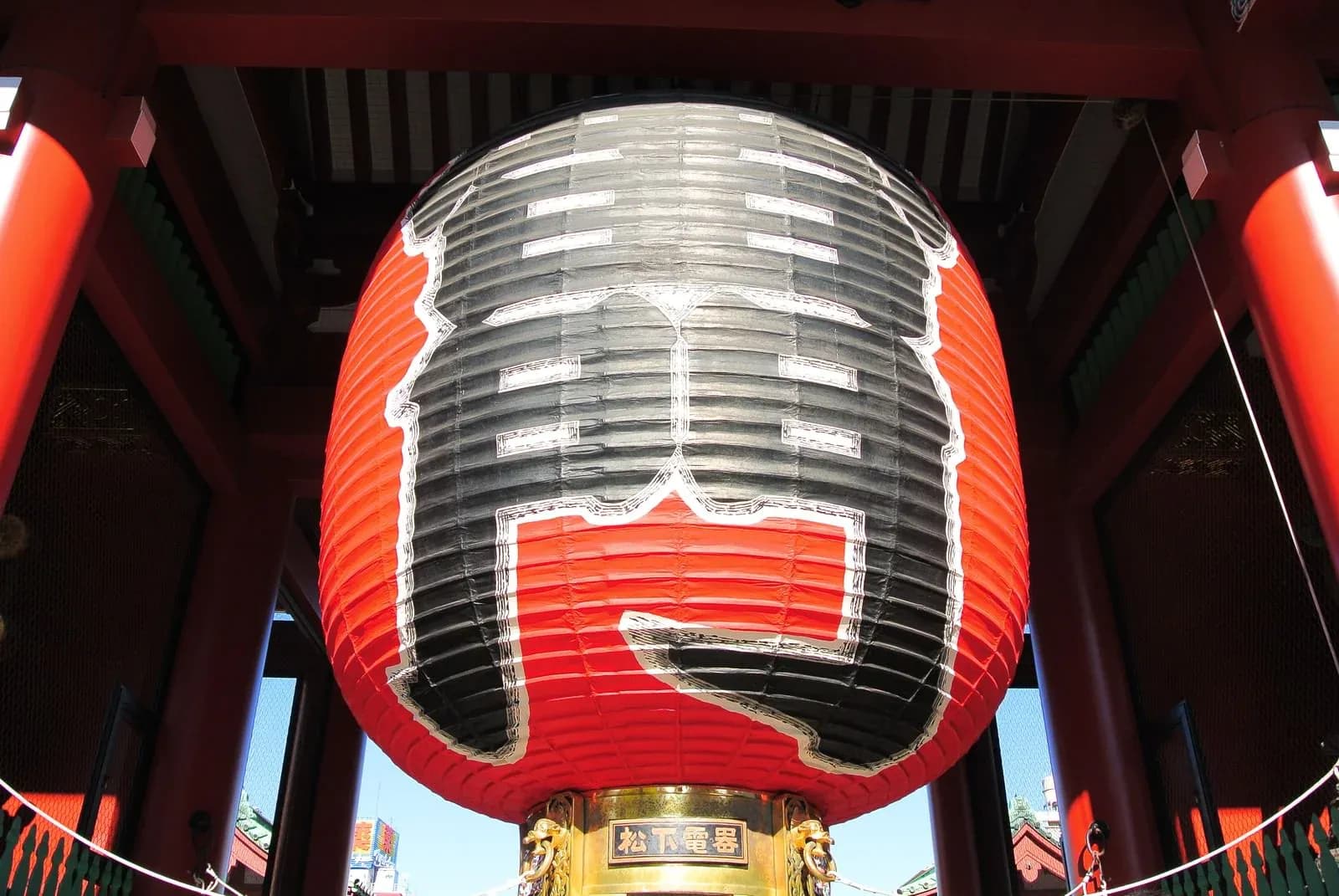
Start your day by arriving at Asakusa Station before the crowds. The famous Nakamise shopping street, which stretches from Kaminarimon Gate to Sensoji Temple, is nearly empty at this hour. This is when you'll see shop owners carefully arranging their traditional crafts and snacks, just as they've done for generations.
Grab a warm ningyo-yaki (small cakes shaped like various figures) for a light breakfast. The dough is soft and slightly sweet—perfect fuel for the culinary adventure ahead.
9:30 AM — Your Sushi Class Begins
A quality sushi class in Tokyo typically runs 2-2.5 hours. Here's what makes a morning class ideal:
Fresh energy — Both you and your instructor are at your sharpest Prime ingredients — Fish delivered that morning is at peak freshness Appetite timing — You'll be hungry enough to fully enjoy eating your creations
During your class, you'll move through the fundamentals:
- Sushi rice preparation — The soul of sushi that most home cooks get wrong
- Fish selection and cutting — Understanding which cuts work for nigiri versus sashimi
- Nigiri technique — The gentle pressure and hand movements that take years to master
- Maki rolling — Creating those Instagram-perfect rolls you've always admired
The best Japanese cooking classes don't just teach mechanics—they share the philosophy behind each step. Why is rice served at body temperature? Why does the knife angle matter? These insights transform a cooking lesson into a cultural education.
12:00 PM — Transition Time
After your sushi class, you'll have earned a brief rest. This is the perfect moment to wander the quieter backstreets of Asakusa. Head toward the Sumida River for views of Tokyo Skytree, or duck into one of the traditional shops selling kitchen knives and cooking tools.
Pro tip: If you fell in love with sushi-making and want your own equipment, Kappabashi "Kitchen Town" is just a 10-minute walk away—the world's largest kitchenware district.
1:00 PM — Your Matcha Experience Awaits
Now comes the perfect counterpoint to your active morning: a traditional matcha experience in Asakusa.
While sushi-making is hands-on and energetic, tea ceremony is contemplative and still. This contrast isn't accidental—it mirrors the Japanese concept of jo-ha-kyū (beginning-break-rapid), the rhythm of traditional arts where different tempos create a complete experience.
A quality matcha experience will teach you:
Proper whisking technique — Using a bamboo chasen to create that perfect frothy surface
Tea ceremony etiquette — How to receive, hold, and drink from a tea bowl
Seasonal awareness — Why the sweets, decorations, and even the conversation topics change with the seasons
Mindfulness practices — The concept of ichigo ichie (one time, one meeting)—treating each moment as unique and precious
Unlike a rushed café matcha latte, a proper matcha experience asks you to slow down. You'll kneel on tatami, observe the careful preparation, and taste tea that's been whisked with centuries of intention behind it.
Why This Combination Works So Well
You might wonder: why not do a sushi class one day and matcha another? Here's why combining them creates something greater than the sum of its parts.
Contrast Creates Appreciation
After the active engagement of forming nigiri and rolling maki, the stillness of tea ceremony feels profoundly peaceful. Your hands, which were just shaping rice, now simply receive a bowl. The shift is physical and mental.
Conversely, if you only did tea ceremony, you might find the stillness challenging without the preceding activity. The sushi class "earns" the rest, much like how a long hike makes a mountain view more rewarding.
Shared Philosophy, Different Expression
Both sushi and matcha embody core Japanese values—seasonality, craftsmanship, attention to detail—but express them differently. Sushi celebrates the transient (fresh fish must be eaten now). Tea ceremony celebrates the eternal (the same movements repeated for centuries). Experiencing both reveals how Japanese culture holds these apparent opposites in harmony.
Practical Efficiency
For travelers with limited time, this half-day combination delivers more cultural depth than many full-day tours. By 2:00 PM, you've had two transformative experiences and still have the entire afternoon for Senso-ji Temple, shopping, or exploring other Tokyo neighborhoods.
Tips for Booking Your Combined Experience
What to Look For
Small group sizes — For sushi classes, 6-8 participants maximum. For matcha, 4-6 is ideal.
English-speaking instructors — Essential for understanding the cultural context, not just the steps.
Inclusive options — Vegetarian sushi options and caffeine alternatives should be available.
Reviews mentioning "not rushed" — The best experiences give you time to absorb, not just execute.
What to Avoid
Factory-style operations — If a "class" accommodates 20+ people, it's a demonstration, not instruction.
Costume-first experiences — Places that emphasize kimono rentals over actual teaching often prioritize photos over substance.
Extremely cheap options — Quality ingredients and skilled instructors cost money. Suspiciously cheap classes often cut corners.
Ideal Timing
For the perfect flow, book your sushi class to start between 9:00-10:00 AM, and your matcha experience for early afternoon, around 1:00-2:00 PM. This gives you comfortable transition time and ensures you're eating sushi when it's freshest.
What to Wear and Bring
For Your Sushi Class
- Comfortable clothes you don't mind getting slightly messy
- Closed-toe shoes (most classes are standing)
- Hair ties if needed
- An empty stomach and an open mind
For Your Matcha Experience
- Clean socks (you'll remove shoes and kneel on tatami)
- Clothes that allow comfortable kneeling—avoid very tight pants
- A phone on silent mode (or better, left in your bag)
Beyond the Classes: Completing Your Asakusa Day
With your morning experiences complete by 2:00 PM, Asakusa still has plenty to offer:
Sensoji Temple — Tokyo's oldest temple is steps away. Join locals in wafting incense smoke for good health.
If you are planning the temple and a class on the same day, our guide to Senso-ji and a sushi class on the same day explains how to order the two and when to arrive for the session.
Traditional snacks — Try melon pan, senbei (rice crackers grilled fresh), or taiyaki (fish-shaped cakes with sweet filling).
Sumida River cruise — Water buses depart from nearby piers, offering unique views of the city.
Evening return — Asakusa transforms after dark. Return for dinner at a traditional izakaya, where you'll appreciate the ingredients more deeply after your morning class.
The Lasting Impact
Months after your trip, certain memories fade while others remain vivid. Tourist photos blur together. But the feeling of your first properly shaped nigiri? The moment of silence before your first sip of ceremonial matcha? These stay with you.
More than that, you'll carry these skills home. Every time you make sushi for friends or whisk matcha on a quiet morning, you'll reconnect with that Asakusa day when Japanese culture moved from something you observed to something you felt.
That's the real gift of combining a sushi class with a matcha experience. It's not just learning—it's becoming, however briefly, part of a tradition that spans centuries.
And it all fits into one perfect Tokyo morning.
Ready to experience the best of Japanese culinary culture in one unforgettable morning? Sushi Meets Matcha offers combined sushi-making and matcha experiences in the heart of Asakusa. Our small-group classes ensure personal attention, and our location means you're steps away from everything this historic neighborhood has to offer. See our sushi class in Asakusa or book your experience today and discover why our guests call it the highlight of their Tokyo trip.
Related Articles
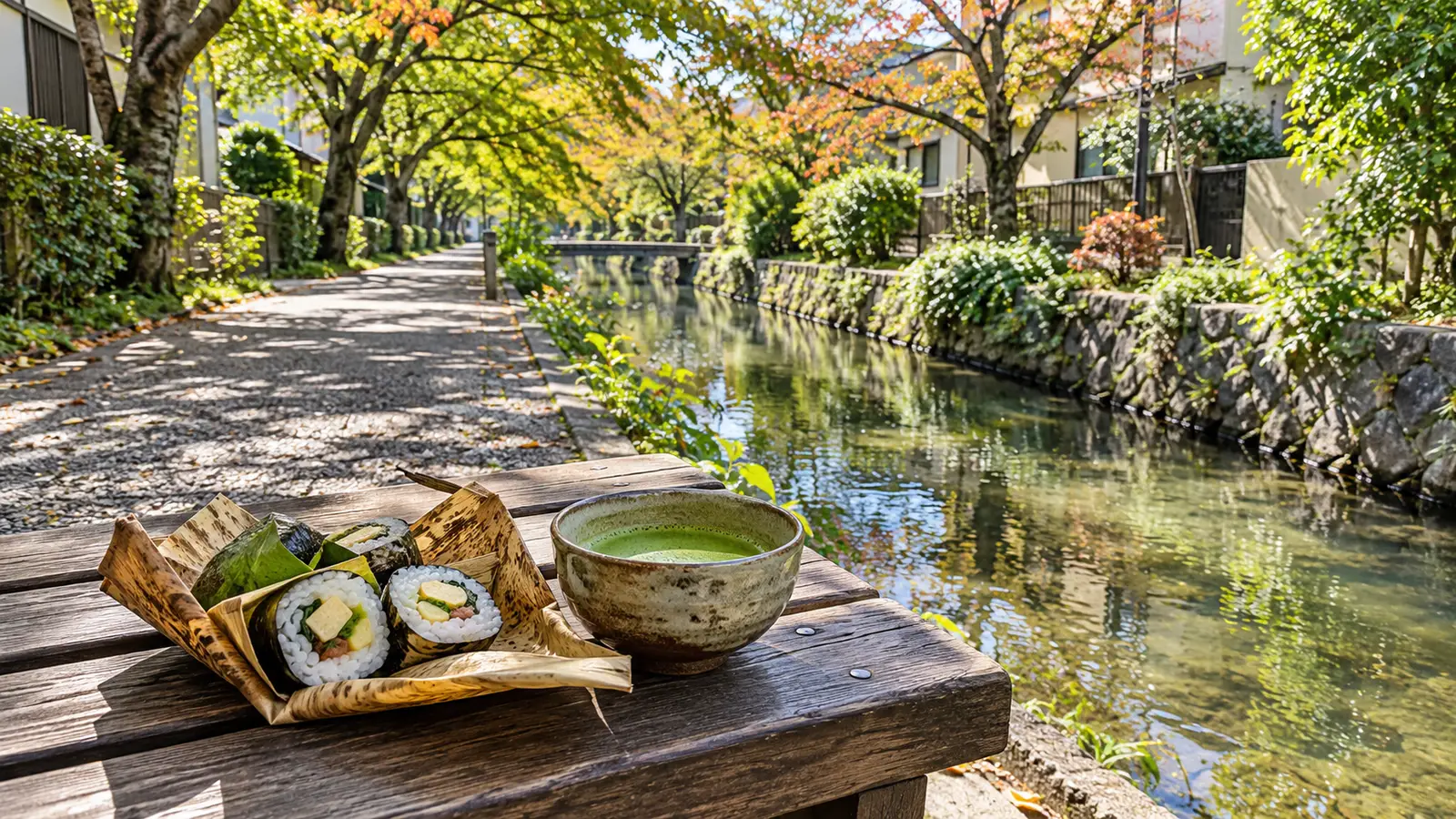
Ghibli Museum and a Sushi Class in One Day
Fit the Ghibli Museum in Mitaka and a sushi class in Asakusa into one day. How tickets work, the train route, timing and two plans that leave enough margin.
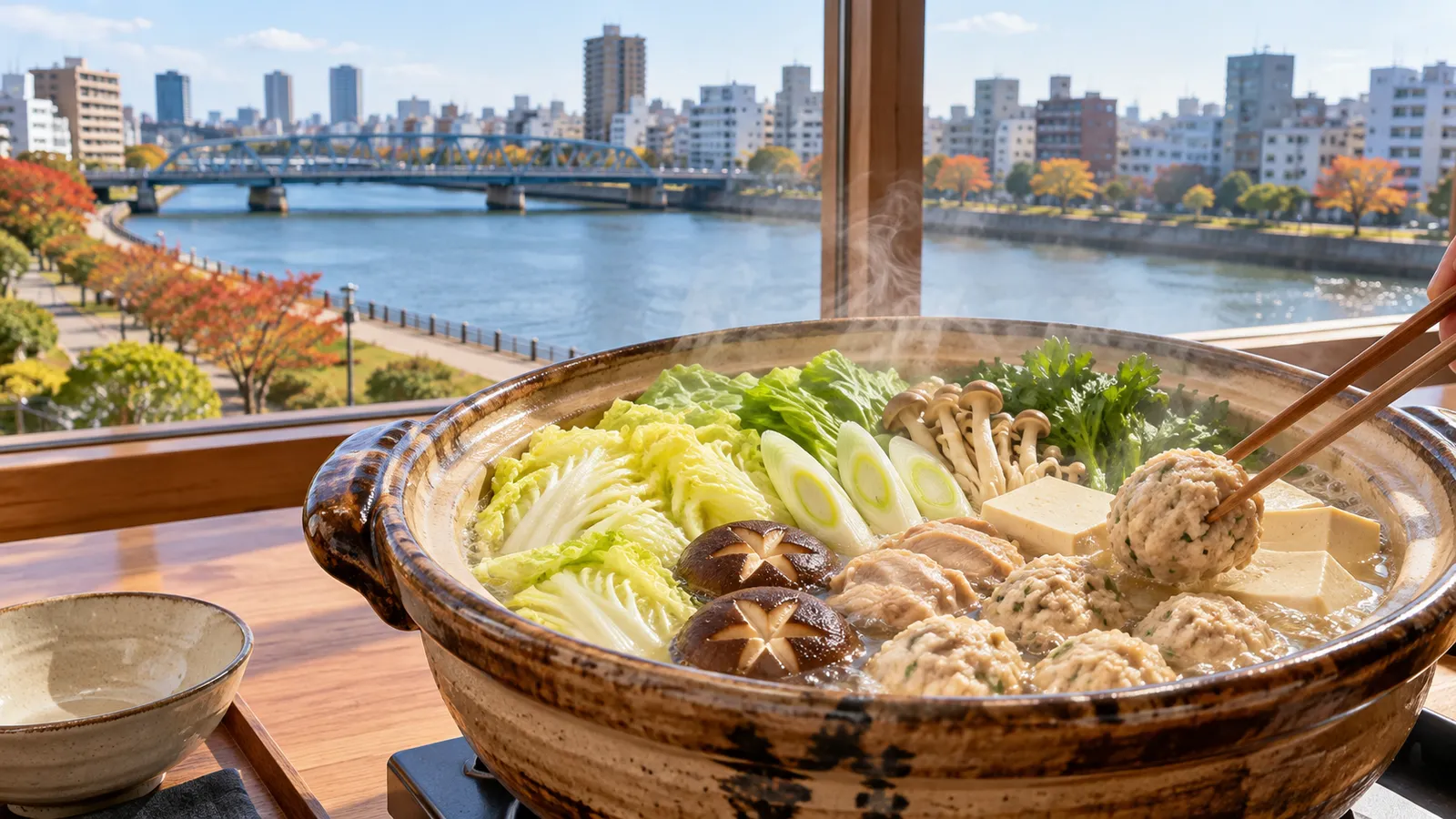
Ryogoku and a Sushi Class in One Day
Pair Ryogoku's sumo hall, Edo-Tokyo Museum and Hokusai Museum with a sushi class in Asakusa. Train routes, closing days and two simple plans for one day.
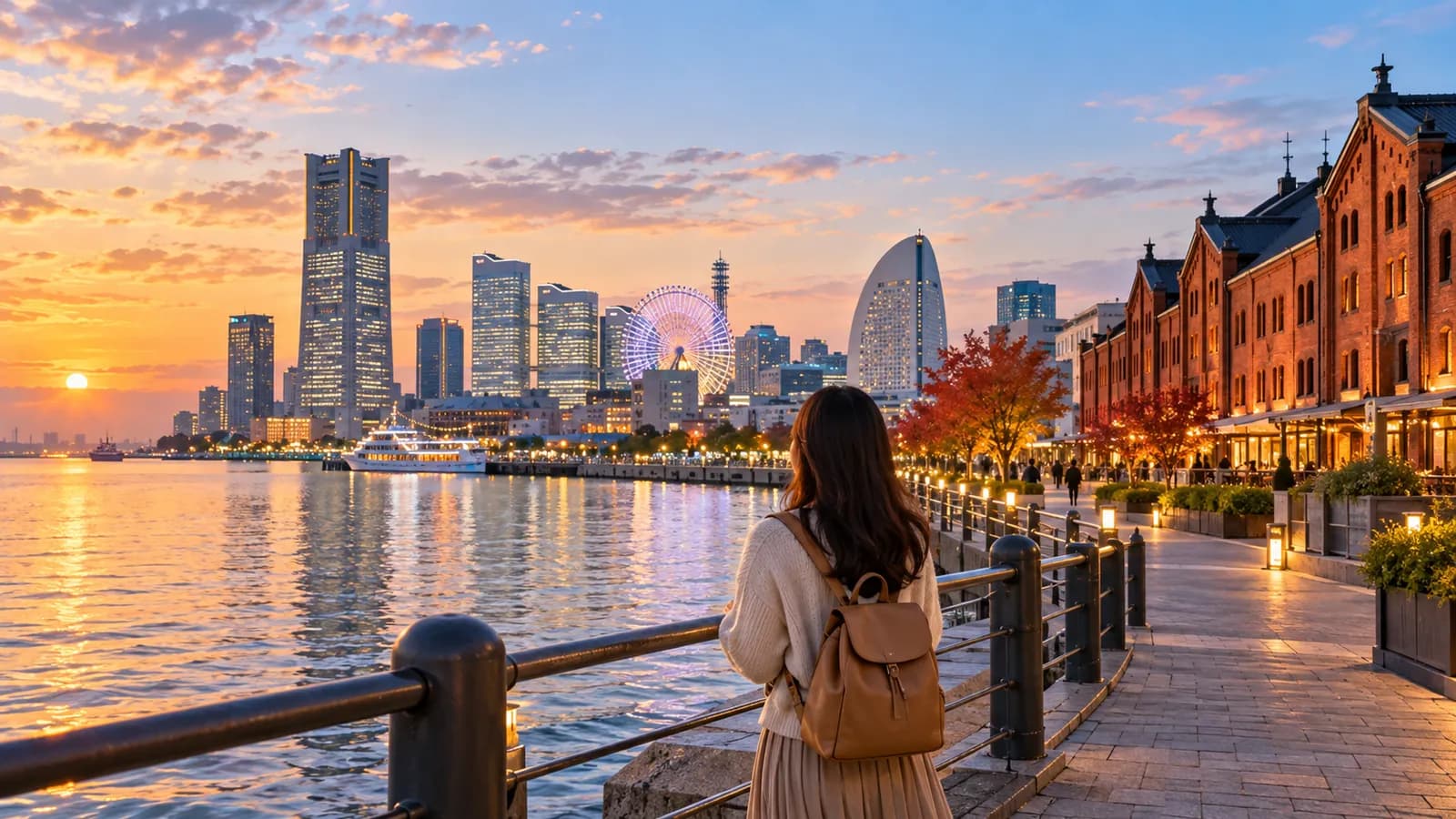
Yokohama and a Sushi Class in One Day
Pair Yokohama's harbour, Chinatown and museums with a sushi class in Asakusa. Train routes, realistic timing and two simple plans for one day.