Setsubun in Asakusa: A Journey into the Heart of Tokyo’s Seasonal Soul
Setsubun in Asakusa: A Journey into the Heart of Tokyo’s Seasonal Soul
As the biting winds of late winter sweep through the narrow alleys of Asakusa, a peculiar scent begins to fill the air—the earthy, toasted aroma of roasted soybeans. It is a fragrance that, for centuries, has signaled the turning of the tide in Japan. This is Setsubun, the day before the beginning of spring (Risshun), a moment when the veil between seasons thins, and the people of Tokyo gather to sweep away the shadows of the past year.
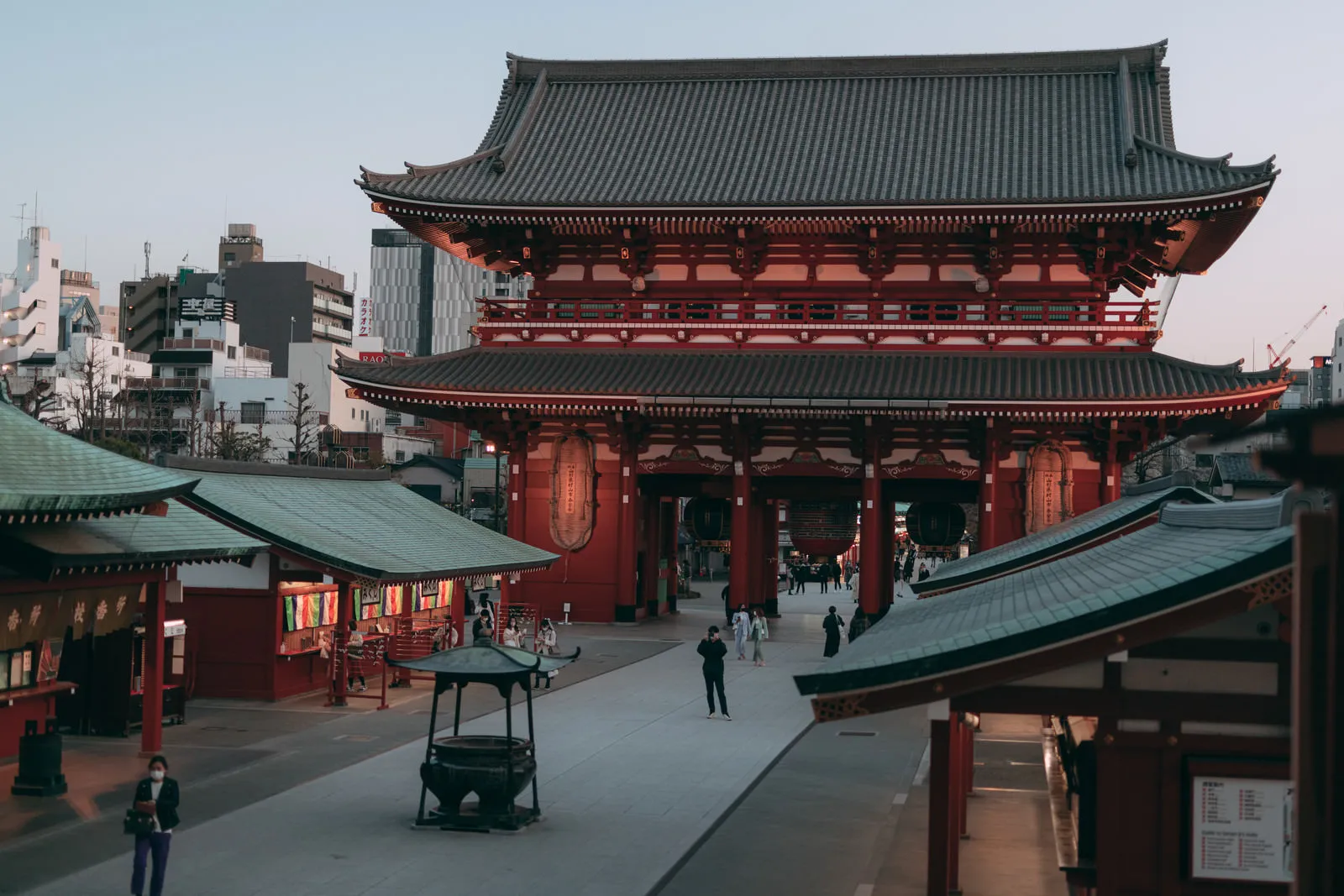
Nowhere is this transition more palpable, more vibrant, or more historically significant than at Senso-ji Temple, the spiritual heart of Asakusa.
Popular in Tokyo right now — our most recommended experience
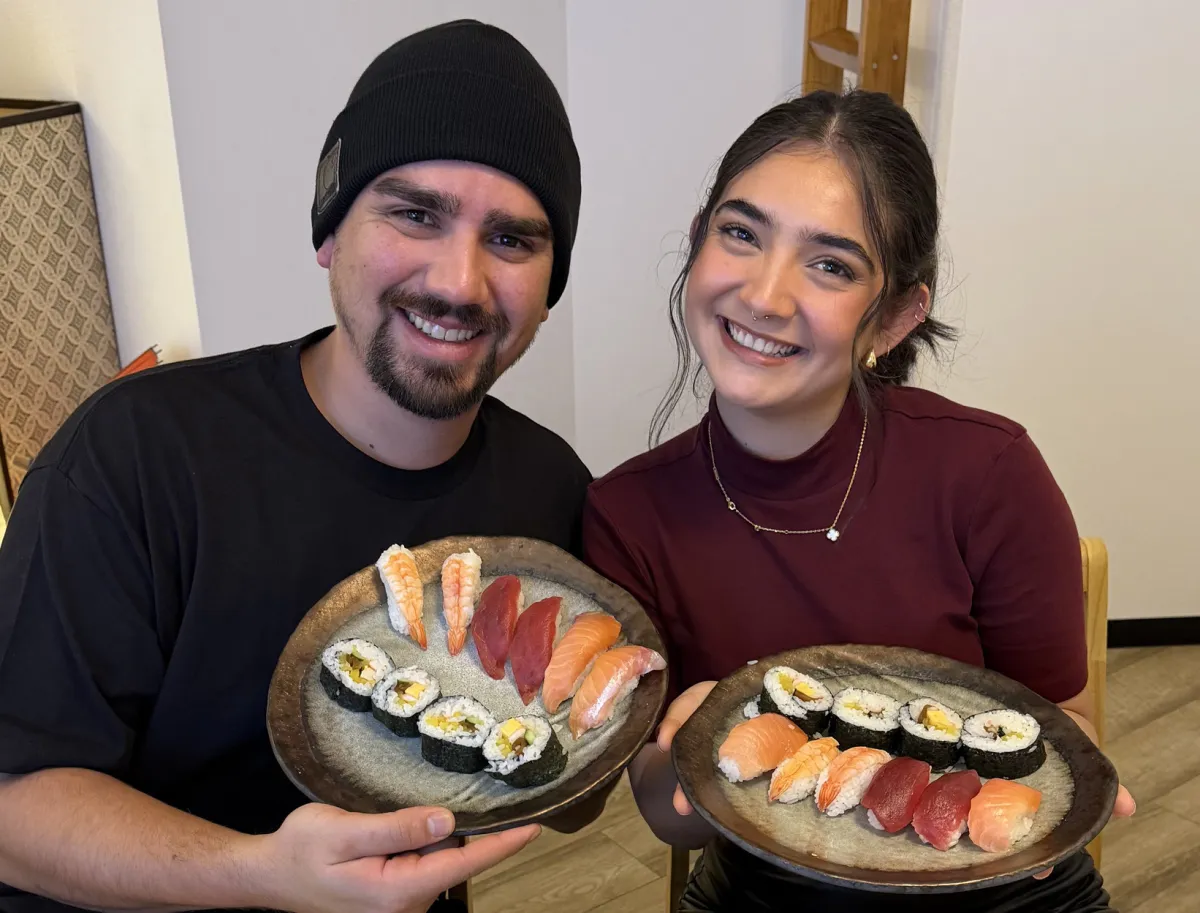
Tokyo Sushi Making Class : Sake Ceremony & Matcha Experience in Asakusa
The Sensory Tapestry of an Asakusa Winter
Imagine standing before the massive Kaminarimon Gate. The air is crisp, carrying the low hum of thousands of voices and the distant, rhythmic beat of a Taiko drum. You walk down Nakamise-dori, where the usual sweet smells of ningyo-yaki (small cakes shaped like dolls) are joined by the crisp, nutty scent of fukumame—"fortune beans."
To experience Setsubun in Asakusa is to engage every sense. It is the visual spectacle of the vermilion temple walls against a cold blue sky; it is the tactile warmth of a freshly made hand-rolled sushi (Eho-maki) held in your palms; and most of all, it is the sound of a chant that is unique to this sacred ground.
A Tradition Born of Legend: Why There Are No Demons in Asakusa
While most of Japan echoes with the famous cry of "Oni wa soto! Fuku wa uchi!" (Out with the demons! In with good fortune!), you will notice something different at Senso-ji. Here, the priests and the "men of the year" (toshi-otoko) chant:
"Senshu Banzei! Fuku wa uchi!" (Eternal life and prosperity! Fortune in!)
Why is the "demons out" part missing? Local legend holds that because the Kannon Bosatsu (the Goddess of Mercy) is so infinitely compassionate and powerful, no demon would ever dare set foot within the sacred precincts of Senso-ji. In the presence of the Goddess, there is no "outside" for evil to be driven to—only the invitation for goodness to enter and remain.
This theological nuance transforms the festival from a simple exorcism into a celebration of pure, unadulterated welcoming. It is an invitation to the community to shed their burdens and embrace the coming spring with an open heart.
The Rituals of Purification
The Setsubun festivities at Senso-ji are steeped in Edo-period grandeur. The highlight is the Mamemaki (Bean-Throwing) ceremony held on the main stage.
- The Procession: Dignitaries, local celebrities, and those born under the current year's zodiac sign process through the grounds in traditional kamishimo (samurai-style) dress.
- The Dance of the Seven Lucky Gods: On the temple stage, the Fukuju-no-mai (Dance of the Seven Lucky Gods) is performed. The masks are ancient, the movements slow and deliberate, a living piece of history that dates back to the temple's earliest days.
- The Bean Throwing: When the beans are finally thrown, the crowd reaches out with open hands and upturned hats. Catching a packet of Senso-ji beans is considered a blessing that will protect your home for the entire year.
From Temple Grounds to the Kitchen Table: The Link to Sushi
Setsubun is not just a public spectacle; it is a domestic ritual. After the excitement at the temple, families return home to perform their own private mamemaki and to eat their age in beans for health.
However, the most delicious tradition of the day is eating Eho-maki—a long, uncut sushi roll. To ensure good luck, you must eat the entire roll in complete silence while facing the "lucky direction" (eho) of the year.
The act of rolling and eating Eho-maki is a profound connection between the spiritual world of the temple and the physical nourishment of the home. At Sushi Matcha, we believe that understanding the why behind the food makes it taste infinitely better.
Bringing the Tradition Home with Sushi Matcha
Just as the priests at Senso-ji carefully prepare for the Setsubun rituals, the art of sushi requires mindfulness and a deep respect for the seasons. In our classes, we don't just teach you how to press rice; we teach you the cultural stories that define Japanese life.
After witnessing the grand ceremonies at Senso-ji, why not step into our quiet studio to learn the craft yourself? Rolling your own sushi is a meditative experience that mirrors the purification rituals of Setsubun—organizing the elements, honoring the ingredients, and creating something beautiful and harmonious.
Explore our Sushi and Matcha Class in Asakusa
Why Asakusa?
Asakusa is one of the few places in modern Tokyo where the "Edo-spirit" (Edokko) truly survives. During Setsubun, the neighborhood isn't just a tourist destination; it is a living community. You see it in the local shopkeepers who participate in the ceremonies and the neighbors who share stories over a cup of hot matcha.
Participating in Setsubun here allows you to move beyond being a spectator. When you catch a bag of beans or stand in the silence of the temple's shadow, you are part of a lineage of people who have prayed for spring in this exact spot for over 1,400 years.
Conclusion: Welcoming Your Own Spring
Setsubun reminds us that seasons don't just change on a calendar—they change within us. By letting go of the "demons" of the past and focusing on the "fortune" of the future, we prepare ourselves for growth.
We invite you to experience this magic in person. Wander the grounds of Senso-ji, breathe in the scent of roasted beans, and then join us at Sushi Matcha to celebrate the taste of tradition.
Related Articles
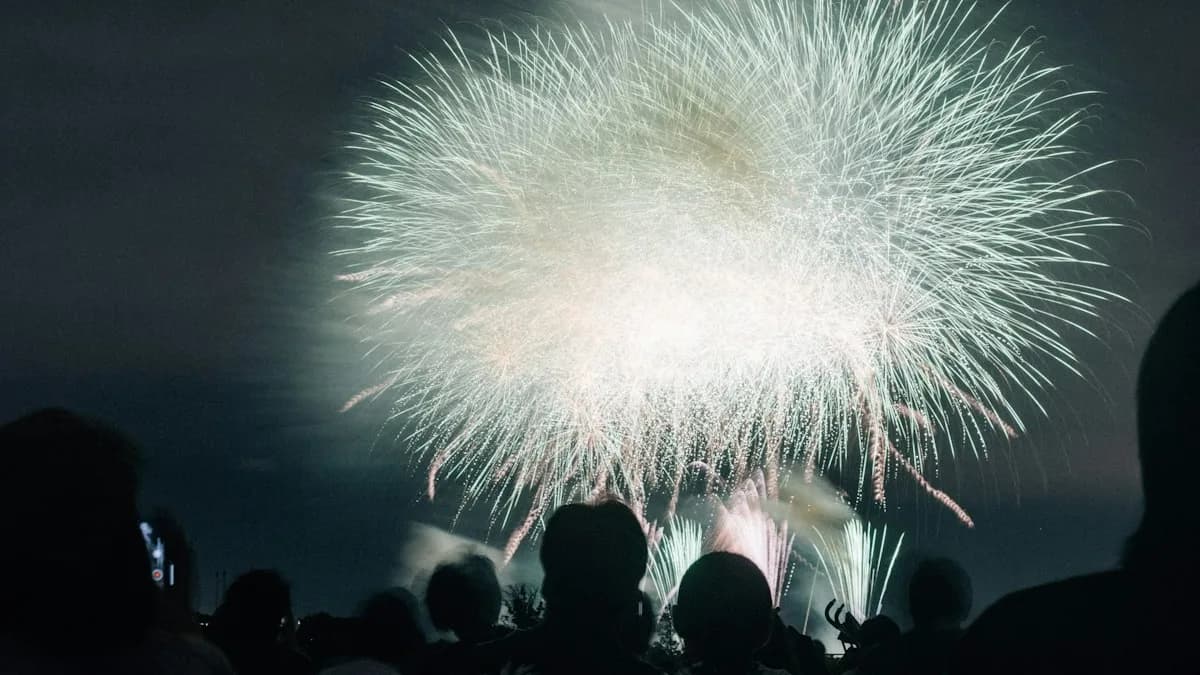
Tokyo Events Guide: July 19-26, 2026 — Fireworks Over the Sumida, Awa Odori in Kagurazaka & Summer Matsuri
The highlight of Tokyo's summer arrives with the Sumida River Fireworks Festival illuminating 20,000 bursts over Asakusa. Meanwhile, Kagurazaka transforms into a corridor of hozuki lanterns and Awa Odori dancers.
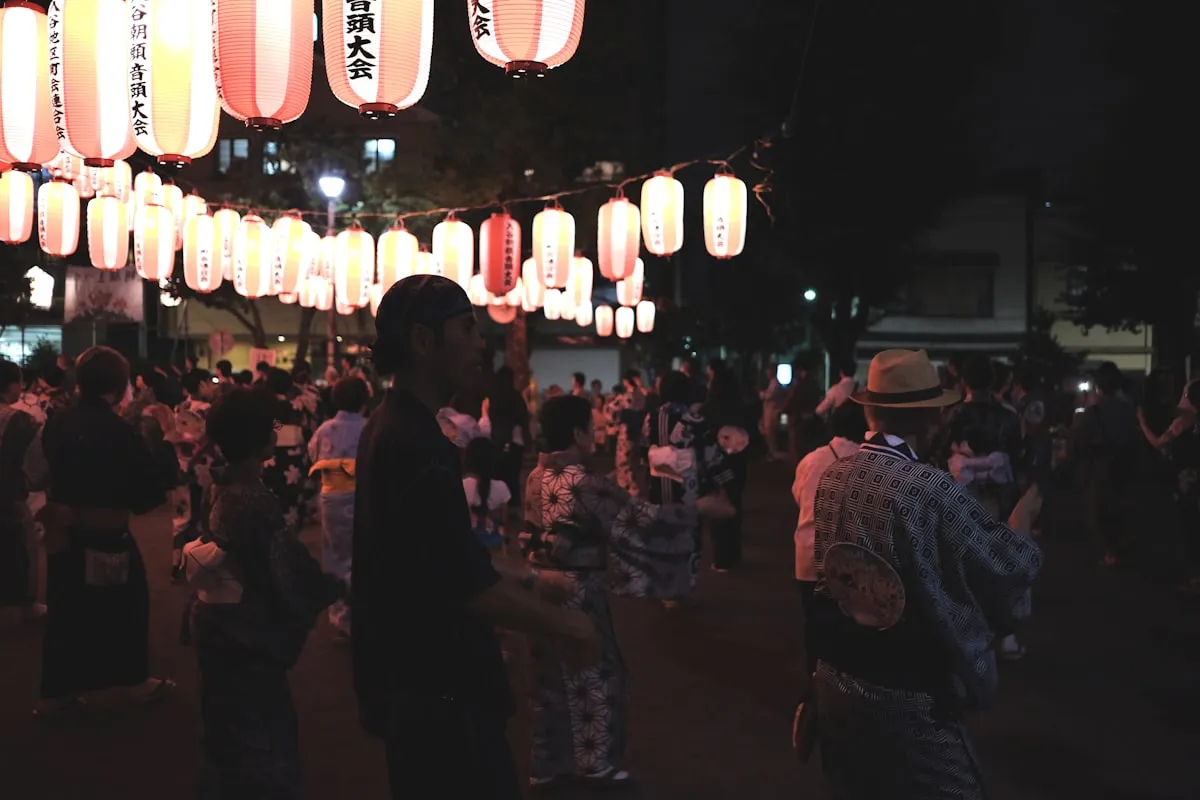
Tokyo Events Guide: July 12-19, 2026 — Summer Festivals, Sacred Treasures & Sake Under the Stars
Experience Tokyo's vibrant mid-July with Ueno's legendary summer festival, a once-in-a-lifetime Kukai exhibition at the National Museum, Thai food festivities, and 16 regional sake breweries gathering in Okachimachi.
Tokyo Events Guide: June 17-24, 2026 — Hydrangeas, Temple Festivals & Summer Harvest Markets
Discover this week's must-see events in Tokyo, from the enchanting Hydrangea Festival at Chokokuji Temple near Asakusa to summer harvest markets and rooftop beer gardens.