The Spirit of Setsubun in Asakusa: Beans, Blessings, and the Art of the Sushi Roll
The Spirit of Setsubun in Asakusa: Beans, Blessings, and the Art of the Sushi Roll
Tomorrow, February 3rd, the stone-paved streets of Asakusa will hum with a specific kind of electricity. While the rest of the world might see an ordinary Monday, in Japan, we are standing on the threshold of Setsubun—the traditional division between winter and spring.
If you find yourself near the iconic Kaminarimon Gate or wandering the incense-scented grounds of Senso-ji Temple tomorrow, you will witness a ritual that has guarded the Japanese spirit for centuries. It is a day of purification, of "throwing away" the misfortunes of the past year, and welcoming a season of growth with open arms and—crucially—a very specific kind of sushi.
Popular in Tokyo right now — our most recommended experience
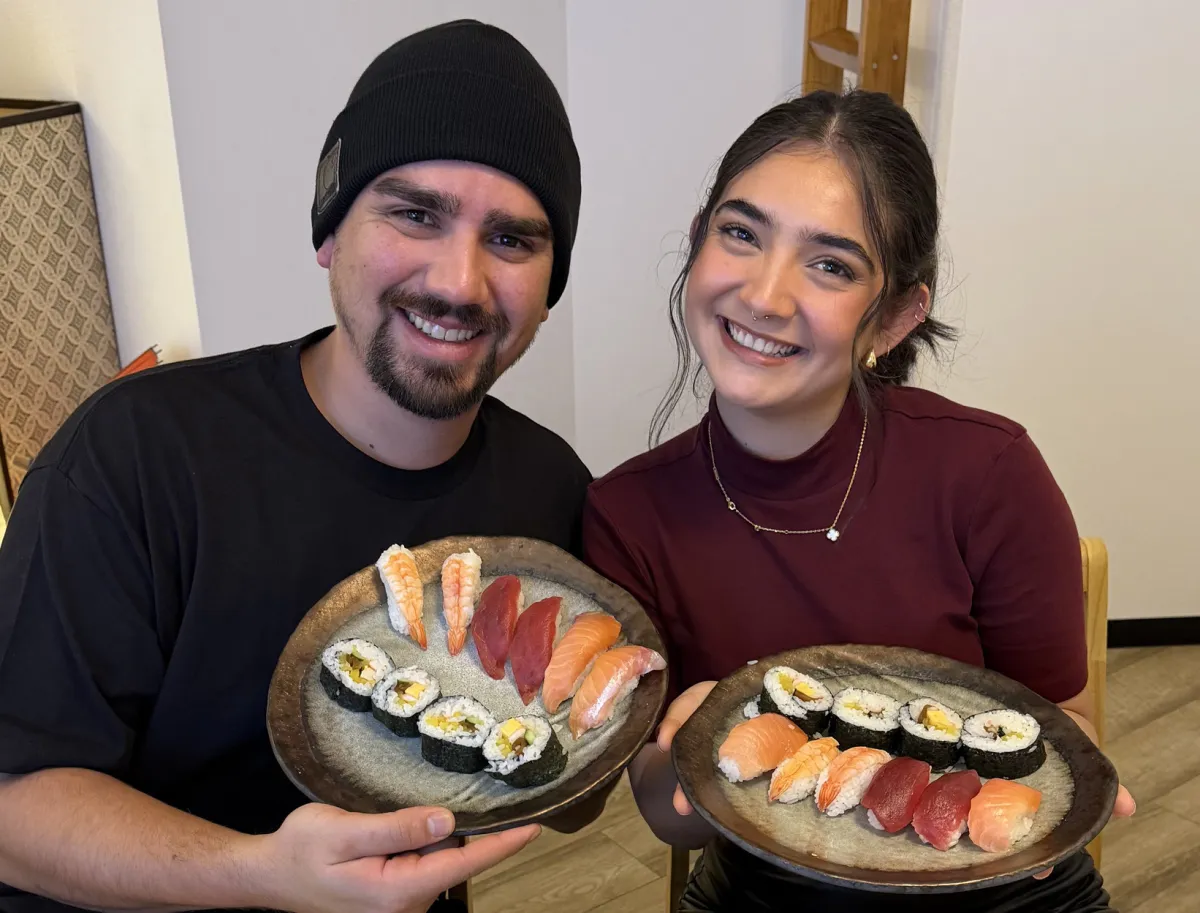
Tokyo Sushi Making Class : Sake Ceremony & Matcha Experience in Asakusa
The Asakusa Difference: "Fuku wa Uchi!"
In most households across Japan, the air will be filled with the standard Setsubun chant: "Oni wa soto! Fuku wa uchi!" (Devils out! Fortune in!). Families toss roasted soybeans (fuku-mame) out their front doors to drive away evil spirits represented by ogre-like oni.
However, Asakusa’s Senso-ji Temple offers a beautiful and unique variation. Because it is believed that no evil spirits can exist in the presence of the Goddess Kannon (the deity of the temple), the "Oni wa soto" part is omitted. Instead, the air rings with a powerful, rhythmic cry: "Senshu Banzei! Fuku wa uchi!" (Eternal prosperity! May good fortune enter!).
Watching the massive bean-throwing ceremony (Mame-maki) from the temple balcony is a sensory overload. The sound of thousands of voices, the sight of local celebrities and monks in vibrant robes, and the physical act of reaching for "lucky beans" creates a connection to the past that feels remarkably alive. This ritual isn't just a performance; it is a collective deep breath—a spiritual housecleaning before the spring.
The Culinary Soul of Setsubun: The Eho-maki
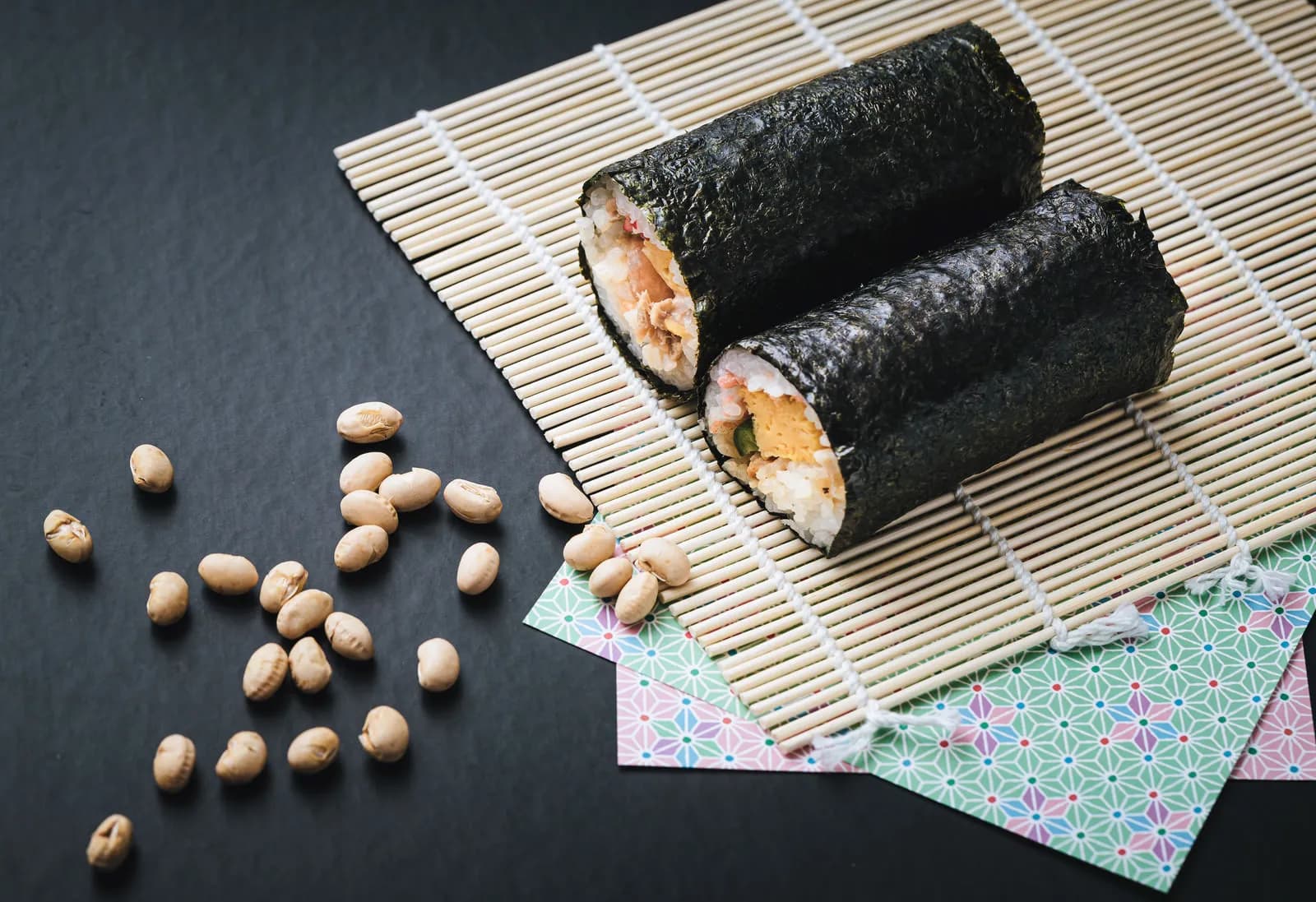
After the purification at the temple, the focus shifts from the spiritual to the culinary. In Japanese culture, food is rarely just sustenance; it is a vehicle for intention. On Setsubun, that vehicle is the Eho-maki (Fortune Direction Roll).
The Eho-maki is a thick sushi roll (futomaki) typically filled with seven auspicious ingredients, representing the Seven Lucky Gods (Shichifukujin). These ingredients often include:
- Anago or Unagi (Eel): Representing rising fortune and longevity.
- Tamagoyaki (Egg): Its golden color symbolizing wealth.
- Shiitake Mushrooms: Representing health.
- Kanpyo (Dried Gourd): Its long shape symbolizing a long life.
- Cucumber: A symbol of growth.
- Sakura Denbu (Pink fish flakes): Adding the color of spring.
- Shrimp or Tofu: Representing wisdom or cleanliness.
The Ritual of the Roll
Eating an Eho-maki is governed by three strict, slightly playful rules:
- Face the Lucky Direction: Every year, based on the zodiac, a specific compass direction is designated as "lucky" (Eho). For 2026, you must face North-Northwest.
- Keep it Whole: You must not cut the roll. Cutting the roll symbolizes cutting your fortune or "cutting ties" with your luck. You eat the entire cylinder in one go.
- Silence is Golden: You must eat the entire roll in total silence while making a wish. To speak is to let your luck escape through your mouth.
There is something meditative about a room full of people, facing the same direction, eating sushi in complete silence. It is a moment of shared hope.
Bringing the Tradition Home: Craft Your Own Fortune
At its heart, Setsubun is about transition. It’s about taking the raw ingredients of your life and rolling them into something beautiful and meaningful. This philosophy is exactly what we celebrate at Sushi Matcha.
While the crowds at Senso-ji tomorrow will be looking for luck in the form of tossed beans, we believe the most lasting luck comes from understanding the craft and culture behind the food we eat. Making sushi is a form of mindfulness. The way you spread the rice, the care with which you layer the ingredients, and the firm, steady hand required to roll the makisu (bamboo mat) are all acts of presence.
If you are inspired by the energy of the Asakusa Setsubun festival, why not dive deeper into the tradition?
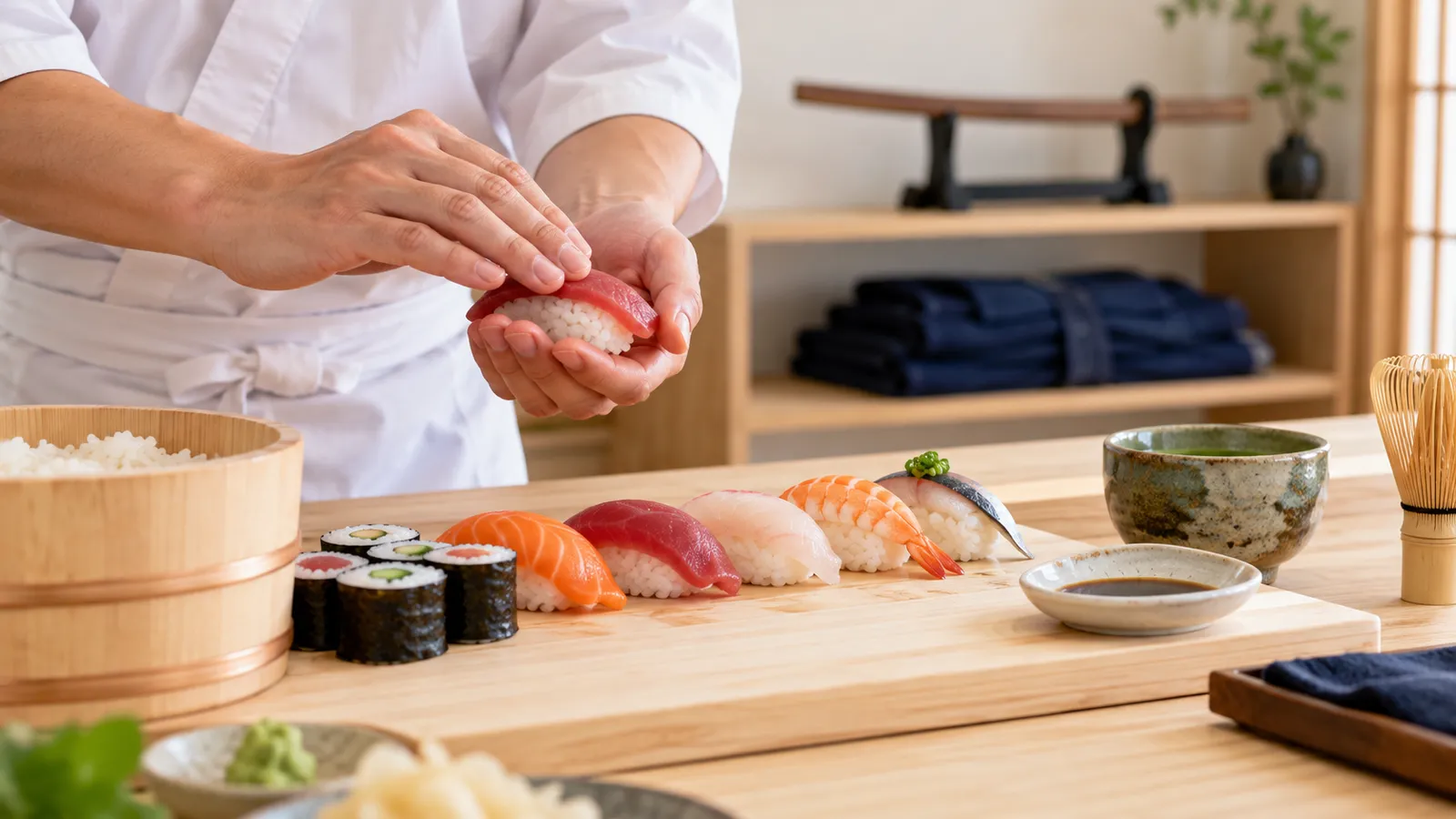
In our hands-on classes, we don't just teach you how to make sushi; we teach you the stories behind the ingredients. Whether you want to master the art of the Futomaki (the style used for Eho-maki) or learn the delicate balance of Nigiri, our instructors guide you through the process in the heart of the very neighborhood where these festivals come to life.
A Welcoming Spring
As the sun sets over the Sumida River tomorrow, the "devils" of winter will have been chased away, and the smell of vinegar and toasted seaweed will drift from the kitchens of Asakusa.
Setsubun reminds us that we have the power to reset. We can choose to let go of the old and welcome the new. We invite you to walk through the gates of Senso-ji tomorrow, hear the unique "Fuku wa uchi!" chant, and then join us to celebrate the craft that makes Japanese culture so enduring.
May your year be filled with prosperity, and may your sushi always be rolled with intention.
Experience the Craft:
- Join a Sushi Making Workshop to learn the secrets of the perfect roll.
- Explore our Cultural Experiences to see how food and tradition intersect in Tokyo.
- Follow our journey as we celebrate the seasons of Japan. Learn more about our team and philosophy.
Happy Setsubun from the Sushi Matcha Team!
Related Articles
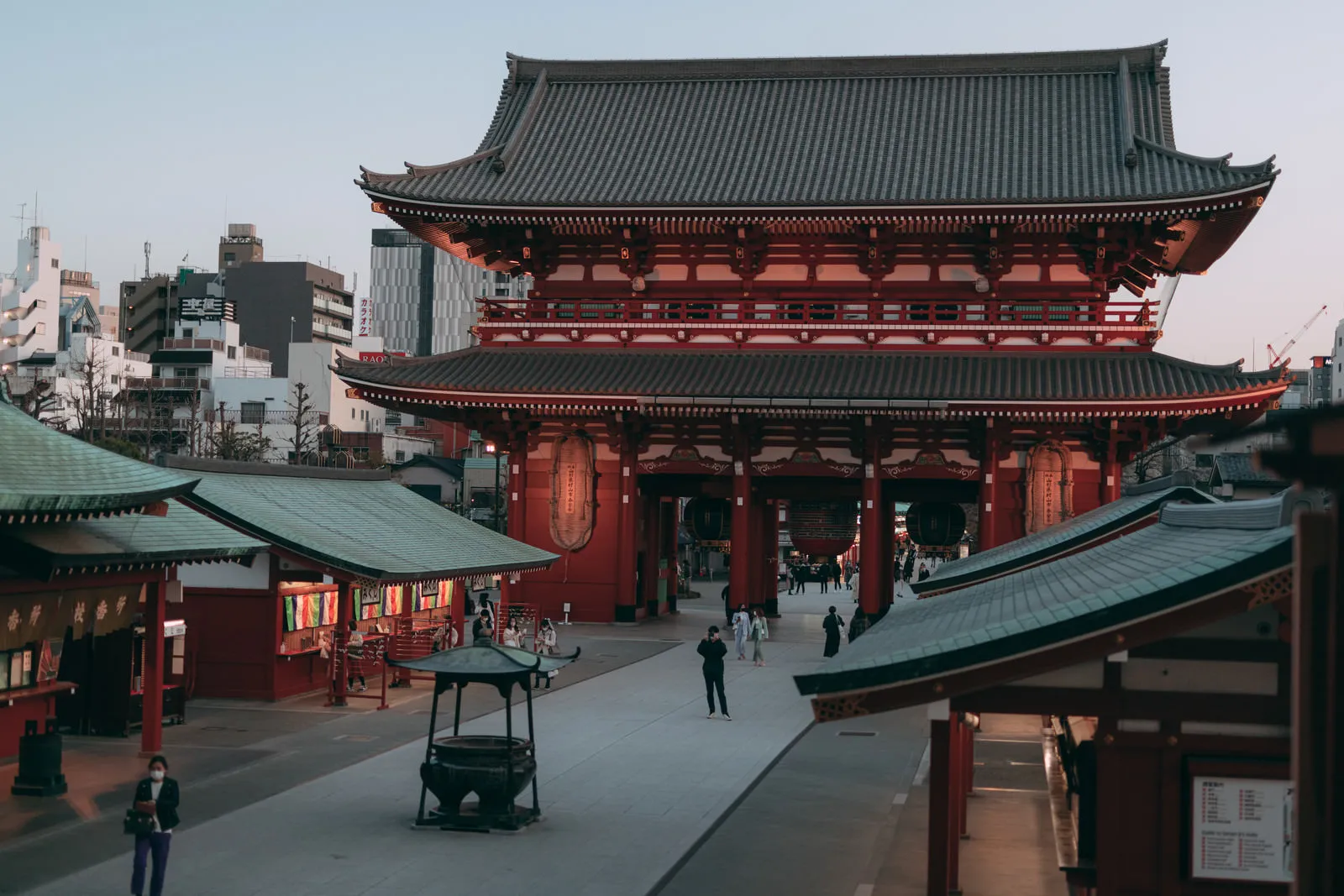
Setsubun in Asakusa: A Journey into the Heart of Tokyo’s Seasonal Soul
Discover the deep history and sensory magic of Setsubun at Senso-ji Temple. From the unique 'Senshu Banzei' chant to the warmth of roasted beans and the connection to local sushi-making traditions.
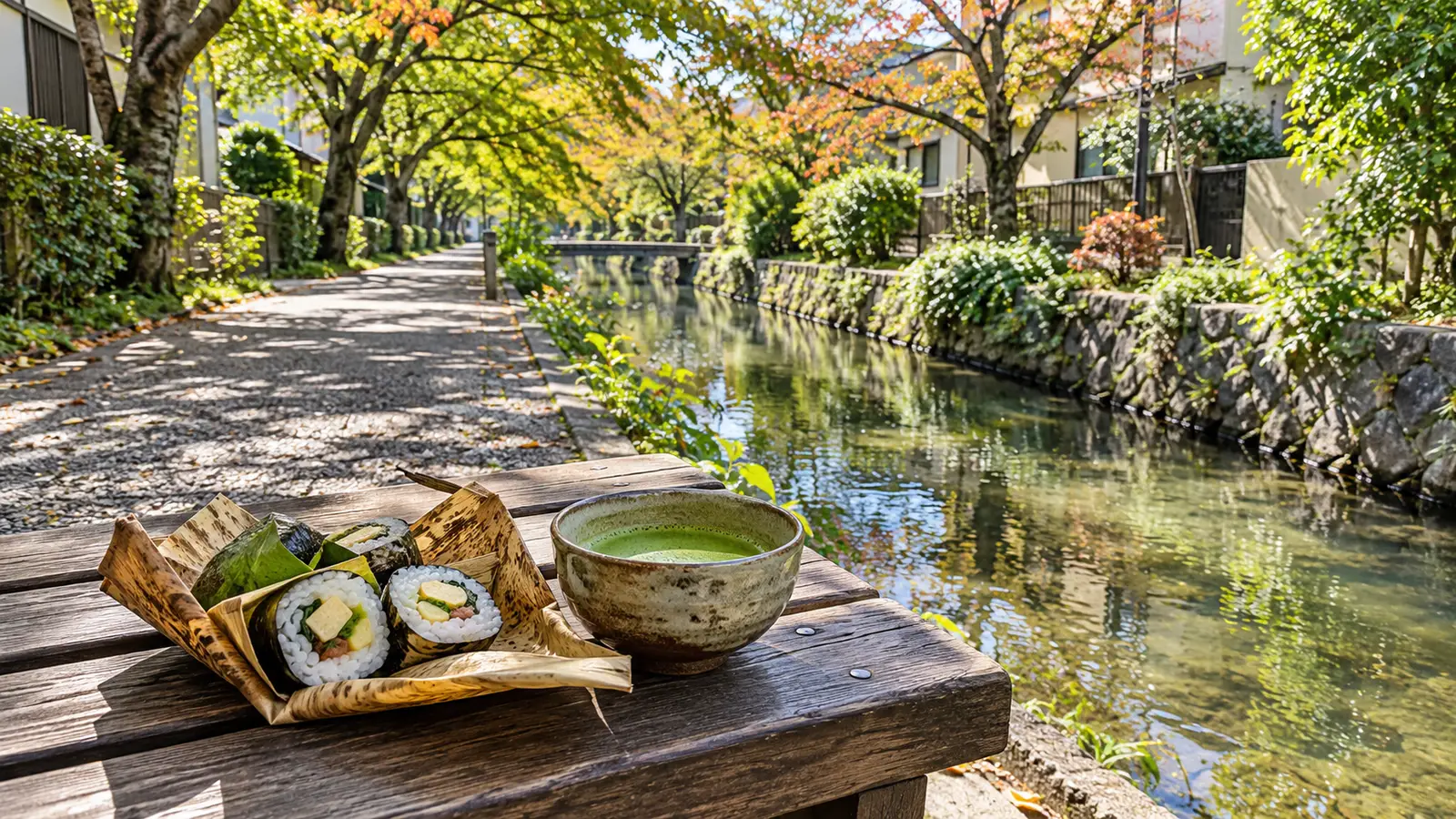
Ghibli Museum and a Sushi Class in One Day
Fit the Ghibli Museum in Mitaka and a sushi class in Asakusa into one day. How tickets work, the train route, timing and two plans that leave enough margin.
Samurai Experience or Sushi Class in Tokyo?
Choosing between a samurai experience and a sushi class in Asakusa? Compare time, cost, ages, photos and food, and see how to fit both into one day.