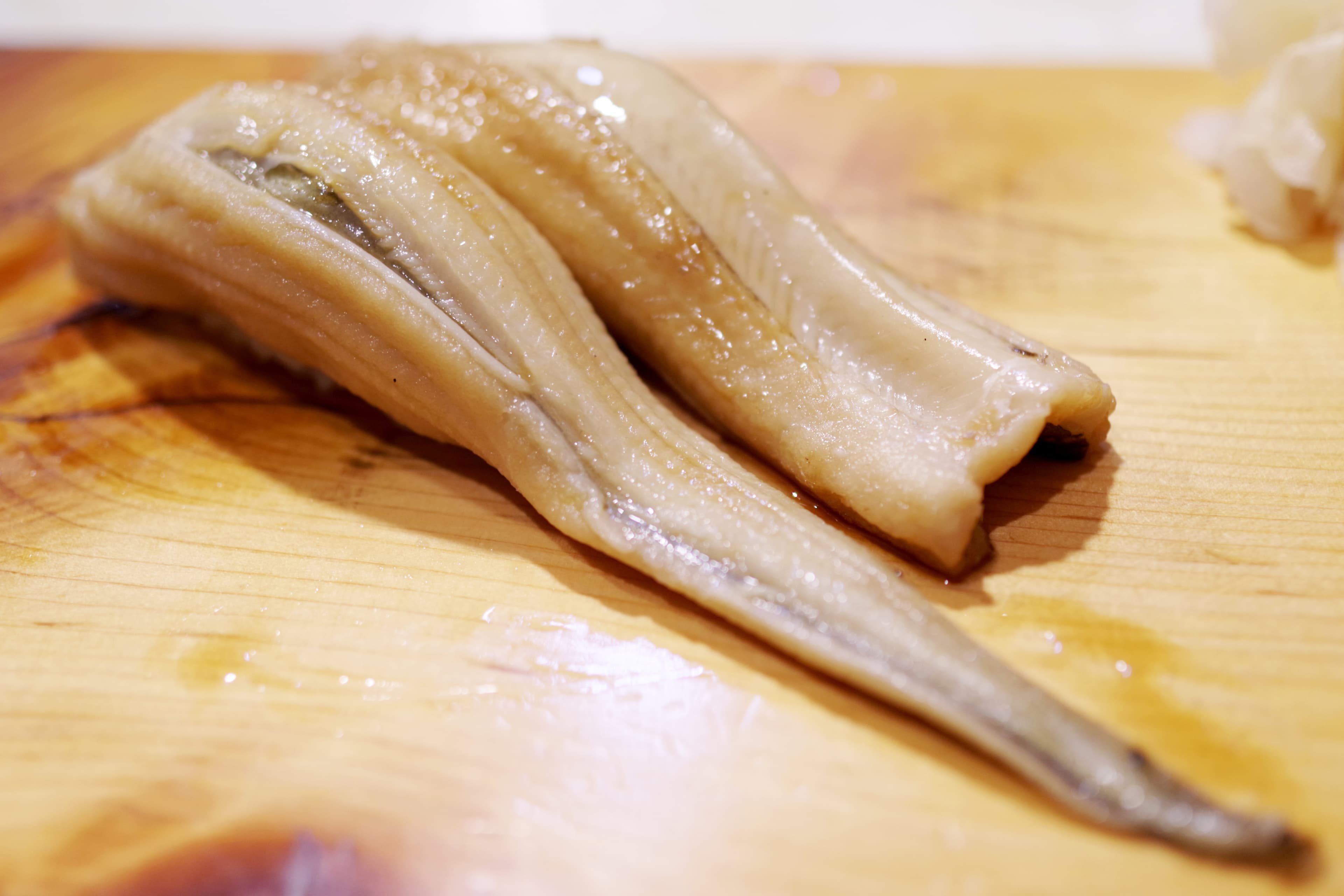
The Art of Anago: Why Tokyo Bay's Elegant Eel Is the True Taste of Edomae Sushi
When visitors think of Japanese eel, most immediately picture unagi—the rich, caramelized freshwater eel served over rice. But ask any Edomae sushi master about the eel that truly tests their skill, and they'll point to a different creature entirely: anago, the elegant saltwater conger eel that has been a cornerstone of Tokyo's sushi tradition for over two centuries.
Popular in Tokyo right now — our most recommended experience
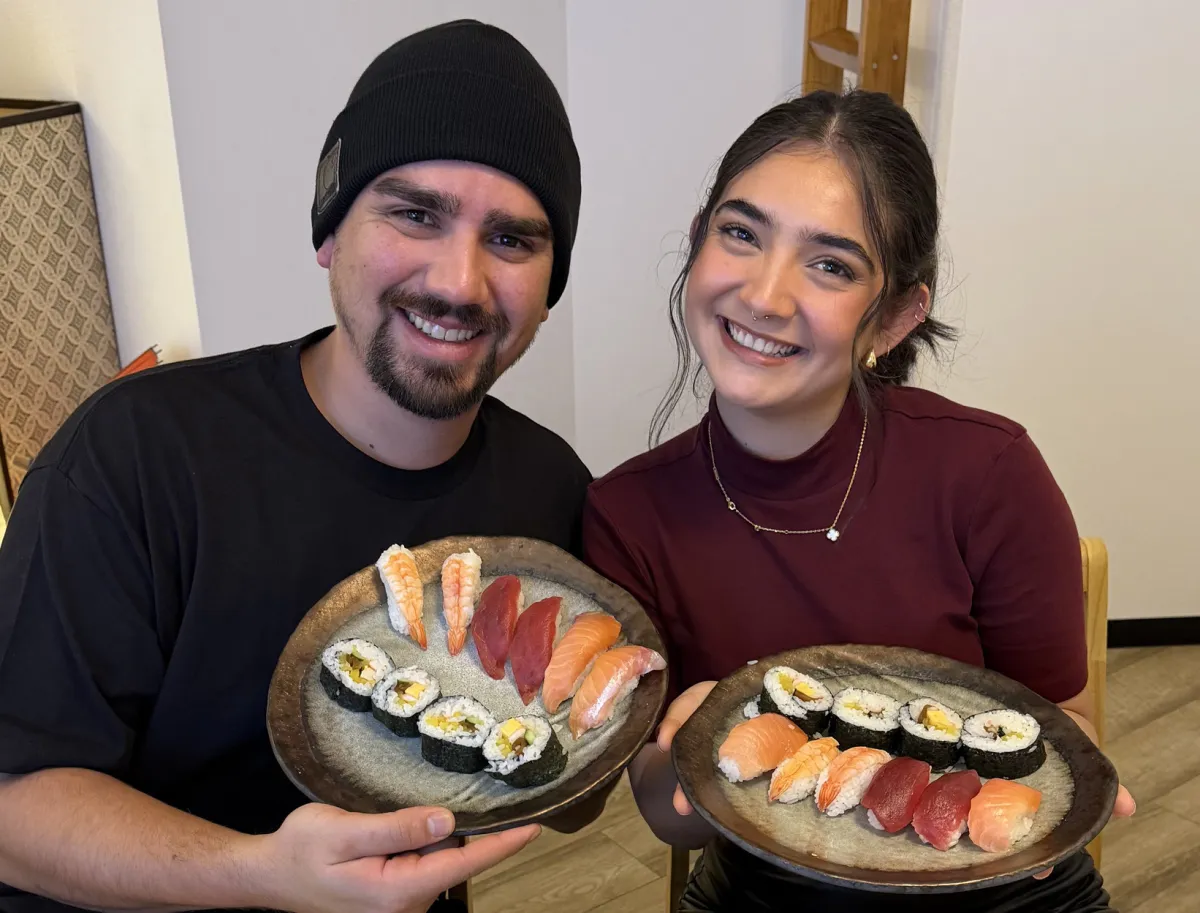
Tokyo Sushi Making Class : Sake Ceremony & Matcha Experience in Asakusa
Anago vs. Unagi: Understanding the Difference
While both are eels, anago and unagi couldn't be more different. Unagi lives in freshwater rivers and lakes, building up rich fat reserves that give it a dense, chewy texture and bold flavor. Anago, by contrast, dwells in the ocean—particularly the nutrient-rich waters of Tokyo Bay—developing a lighter, more delicate character.
The contrast extends to preparation. Unagi is typically grilled over charcoal and basted repeatedly with sweet tare sauce, creating that signature caramelized exterior. Anago takes an entirely different path: it's simmered gently in a light broth of soy sauce, mirin, and sake, then often finished with a subtle brushing of its own cooking liquid reduced to a glaze.
The result? Where unagi is bold and assertive, anago is refined and nuanced—a whisper rather than a shout.
The Pinnacle of Edomae Craftsmanship
In the world of Edomae sushi, anago holds a special place. Unlike many toppings that rely primarily on ingredient quality, anago requires extensive preparation that reveals a chef's true abilities.
The process begins with careful filleting, as anago's delicate flesh tears easily. The eel is then simmered for precisely the right duration—too short and it remains tough; too long and it falls apart. Master sushi chefs develop their own secret recipes for the simmering broth, adjusting seasonings to complement the natural sweetness of each day's catch.
The final test comes when placing anago on the sushi rice. Properly prepared anago should be so tender that it melts against the warm shari, creating a harmonious union of textures. This is why many sushi connoisseurs order anago last—it's considered the ultimate demonstration of a restaurant's skill.
Tokyo Bay's Treasure: Edomae Anago
There's an old saying among Tokyo sushi chefs: "The best anago comes from Edomae." Edomae literally means "in front of Edo" (Tokyo's former name), referring to Tokyo Bay and its surrounding waters.
The waters off Haneda, near Tokyo International Airport, have long been prized for producing exceptional anago. Fed by the mingling of river nutrients and ocean currents, these eels develop a sweetness and tenderness unmatched by those from other regions. While the Seto Inland Sea's Akashi anago also commands respect, true Edomae anago remains the gold standard.
Unfortunately, genuine Tokyo Bay anago has become increasingly rare due to environmental changes, making it a precious delicacy when available.
May Through Summer: Anago's Peak Season
Like all ingredients in traditional Japanese cuisine, anago follows the philosophy of shun—eating at the peak of seasonal perfection.
May marks the beginning of anago's prime season, which extends through the summer months into August. During this period, anago begins accumulating nutrients in preparation for its life cycle, resulting in flesh that's plump yet remarkably light. The fat content increases subtly, adding richness without overwhelming the eel's naturally delicate flavor.
The rainy season (tsuyu) from June to July is particularly prized. Something about this humid period seems to bring out the best in anago, making it exceptionally soft and sweet. Sushi chefs look forward to this brief window when anago reaches its absolute peak.
Experience Anago in Asakusa
Asakusa's location along the Sumida River has historically connected it to Tokyo Bay's fishing traditions. While the bustling fish markets have moved, the neighborhood's sushi culture retains deep ties to Edomae ingredients like anago.
At Sushi & Matcha, our classes offer the opportunity to understand the craftsmanship behind traditional sushi preparation. While working with fresh seasonal ingredients, participants gain appreciation for the techniques that transform simple components into culinary art.
Pairing your sushi experience with traditional matcha creates a perfect Asakusa morning, combining two pillars of Japanese culinary tradition.
A Sustainable Choice
In an era of environmental awareness, anago offers another advantage over unagi: sustainability. Japanese freshwater eel (unagi) is classified as endangered, with populations declining dramatically due to overfishing and habitat loss.
Anago, while also requiring careful management, currently maintains healthier population levels. Choosing anago over unagi at sushi restaurants represents a more sustainable way to enjoy Japanese eel cuisine—without sacrificing flavor or cultural authenticity.
The Quiet Star of Edomae Sushi
Anago may never achieve unagi's celebrity status, and perhaps that's fitting. This isn't an ingredient that demands attention; it earns admiration through subtlety and refinement.
To truly appreciate anago is to understand what makes Edomae sushi special: not just fresh fish on rice, but a tradition of craftsmanship where simple ingredients are elevated through skill, patience, and respect for seasonal rhythms.
This May, as anago enters its prime season, consider seeking out this elegant eel. Whether at a traditional sushi counter or in a hands-on cooking class, experiencing properly prepared anago offers a window into the soul of Tokyo's culinary heritage—one gentle, melting bite at a time.
Related Articles
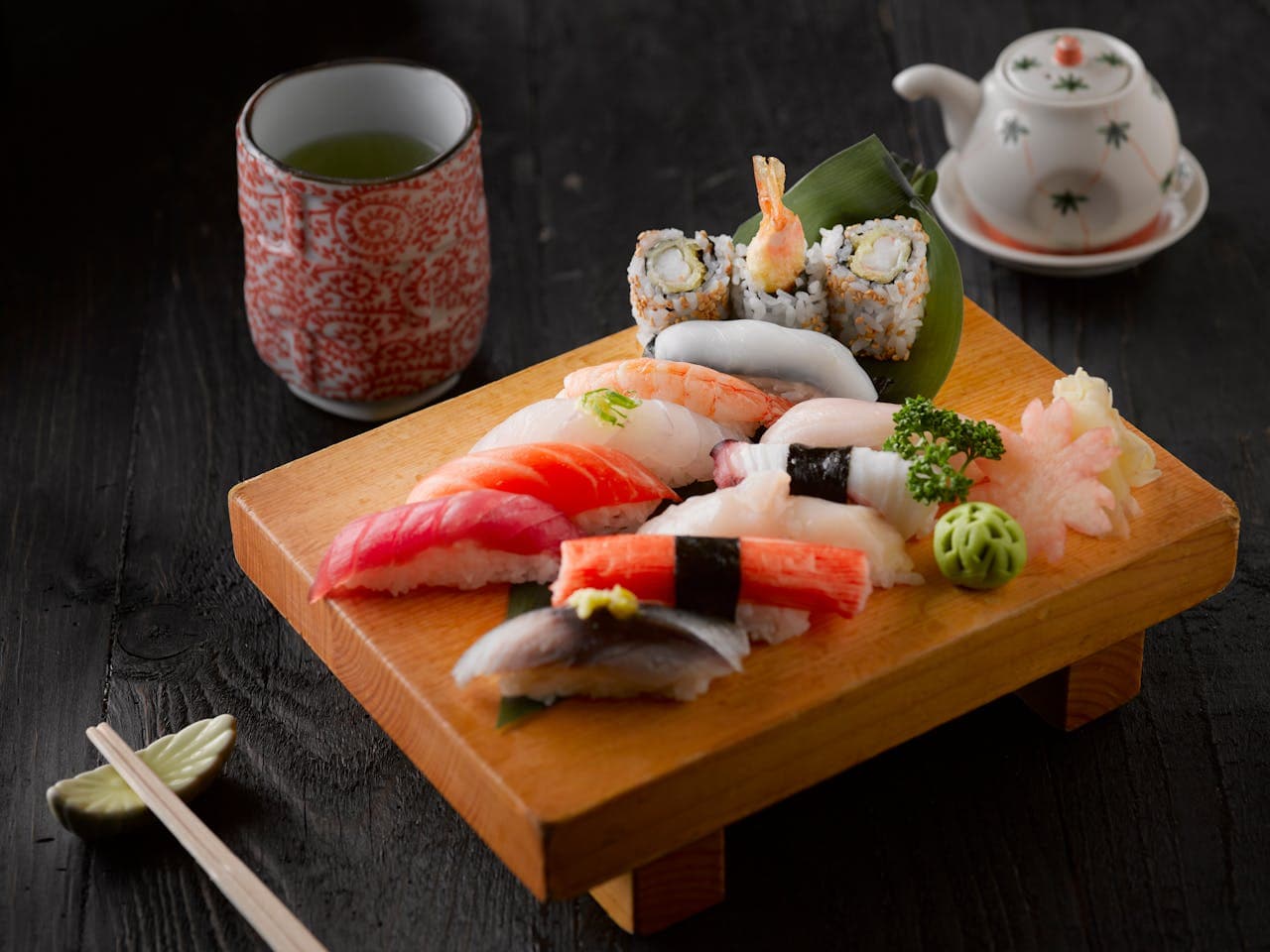
The History of Edomae Sushi: How Tokyo's Street Food Became a Global Culinary Art
Discover how a simple street food born in Edo-period Tokyo transformed into one of the world's most celebrated culinary traditions. From Hanaya Yohei's revolutionary nigiri to today's omakase experiences.
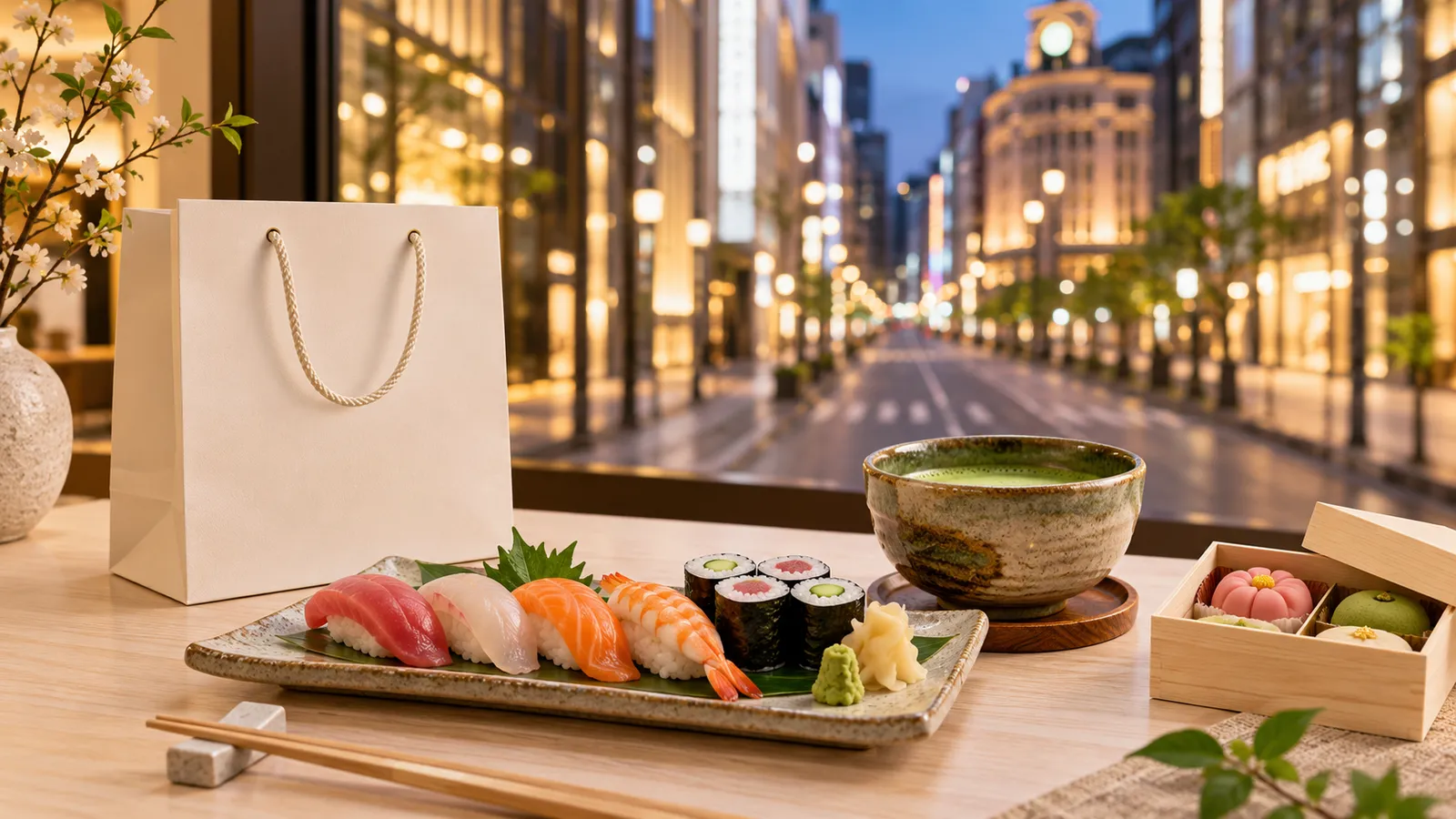
Ginza and a Sushi Class in One Day
Pair Ginza's shops, food halls or kabuki with a sushi class in Asakusa. Direct train routes, timing and three simple plans for one relaxed Tokyo day.
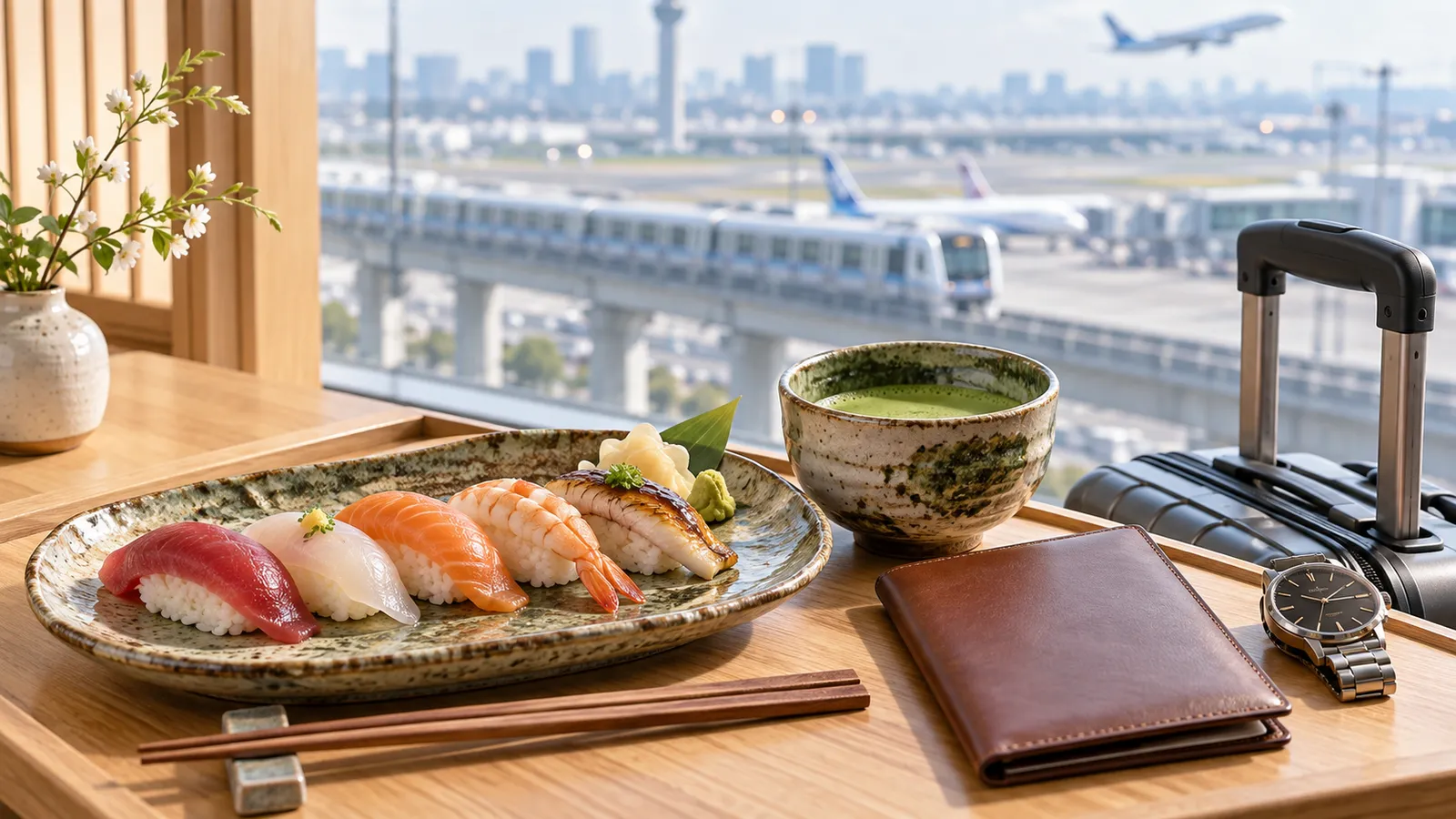
A Sushi Class on a Tokyo Layover
Changing planes in Tokyo? How to judge whether a layover leaves time for a sushi class in Asakusa: entry, trains, bags and a safe return margin.