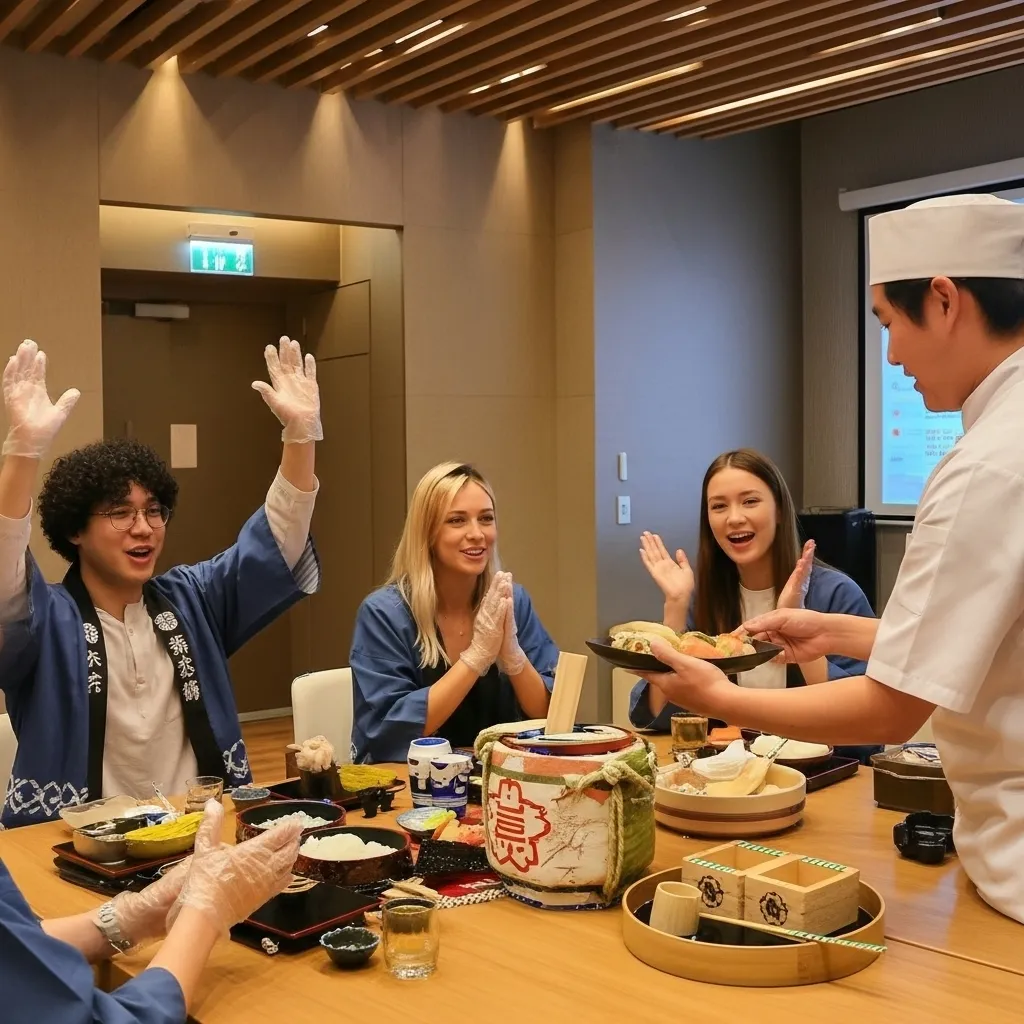
A Guide to the Best Fish for Sushi Making
A Guide to the Best Fish for Sushi Making
What you'll learn in this guide:
- The meaning of "sushi-grade" fish and FDA safety standards
- The 6 most popular fish varieties used in authentic Japanese sushi
- Professional tips for selecting the freshest fish at your local market
- How to make sustainable seafood choices
Whether you're preparing sushi at home or want to understand what goes into a quality sushi experience, this comprehensive guide covers everything you need to know about selecting fish for sushi making.
Popular in Tokyo right now — our most recommended experience
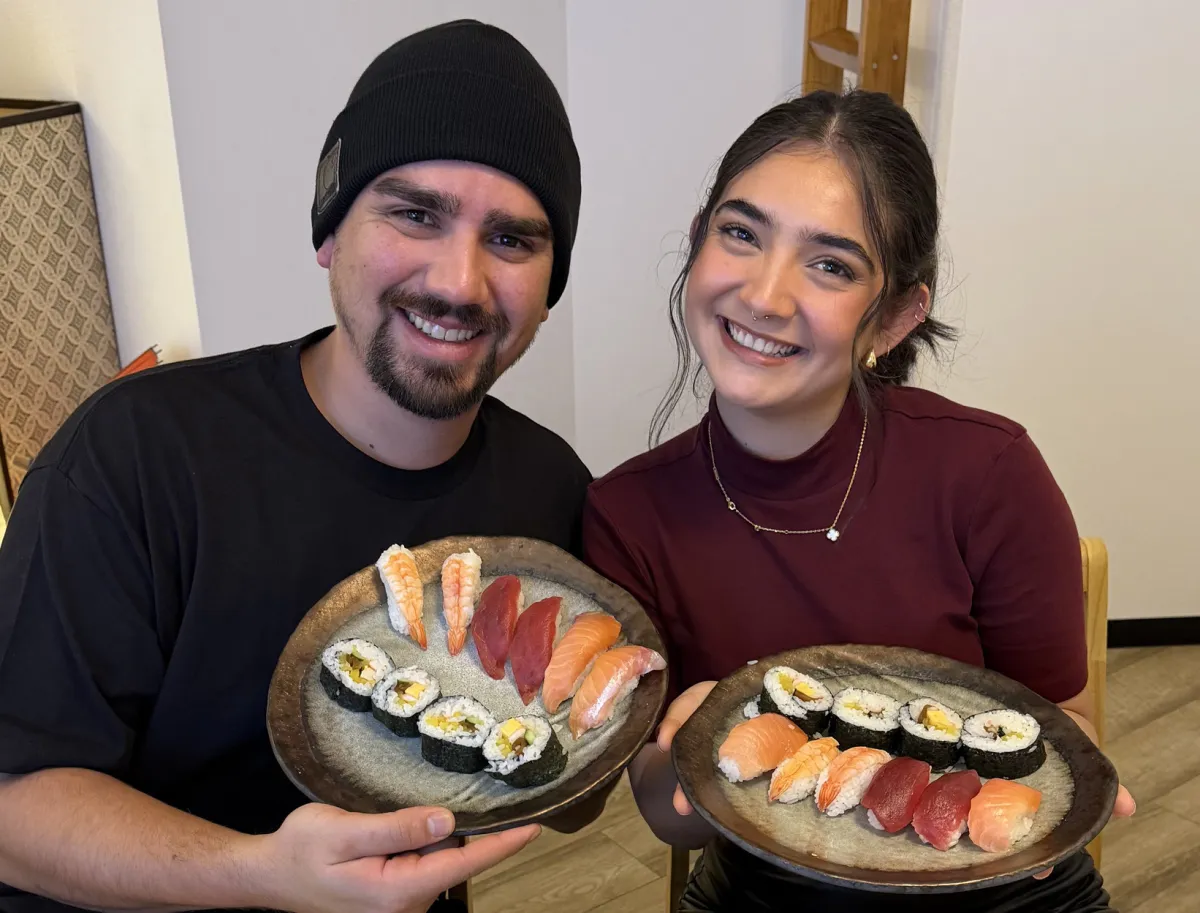
Tokyo Sushi Making Class : Sake Ceremony & Matcha Experience in Asakusa
What Does "Sushi-Grade" Mean?
The term "sushi-grade" refers to the highest quality fish that's safe to consume raw. While there's no official FDA definition, reputable suppliers use this label to indicate fish that meets strict standards for raw consumption.
FDA Guidelines for Raw Fish Safety
To eliminate parasites while preserving the delicate flavor and texture essential for sushi, fish must be frozen at specific temperatures:
| Method | Temperature | Duration |
|---|---|---|
| Standard | -4°F (-20°C) | 7 days |
| Flash Freeze | -31°F (-35°C) | 15 hours |
When buying fish for sushi making at home, always purchase from trusted fishmongers who understand these requirements. At Sushi Matcha, we teach you how to identify quality fish and work with your local suppliers.
Top 6 Fish for Sushi Making
1. Maguro (Tuna) — The King of Sushi
Tuna holds a revered position in Japanese sushi culture. Understanding the different cuts will elevate your sushi making skills:
| Cut | Japanese Name | Characteristics | Best For |
|---|---|---|---|
| Lean | Akami | Deep red, clean flavor | Nigiri, Sashimi |
| Medium Fatty | Chu-toro | Balanced, marbled | Nigiri |
| Fatty Belly | O-toro | Rich, buttery, melt-in-mouth | Special occasions |
How to select: Look for bright, vibrant color without brown spots. Fresh tuna should have a clean ocean scent, never fishy.
2. Sake (Salmon) — The Modern Favorite
While not traditional in Edo-mae sushi, salmon has become one of the most beloved sushi fish worldwide, especially among beginners learning to make sushi at home.
Why salmon is perfect for beginners:
- Rich in omega-3 fatty acids
- Beautiful orange-pink color that's visually appealing
- Mild, approachable flavor that pairs well with sushi rice
Best varieties: Atlantic salmon or King salmon offer the highest fat content, creating that signature buttery texture.
3. Hamachi (Yellowtail) — The Japanese Classic
A favorite in traditional sushi restaurants, yellowtail offers:
- Buttery, rich texture that melts on the palate
- Sweet, mild flavor perfect for nigiri sushi
- Versatility — works beautifully as both sashimi and nigiri
Pro tip: In our sushi making classes in Tokyo, we often feature hamachi to demonstrate proper slicing techniques for medium-fatty fish.
4. Hirame (Flounder/Halibut) — The Delicate Choice
Prized by sushi chefs for its refined characteristics:
- Delicate, clean taste with subtle sweetness
- Firm, translucent white flesh
- Often served with a touch of ponzu or light seasoning
Hirame showcases the Japanese philosophy of enhancing natural flavors rather than masking them — a principle we emphasize in our Sushi & Matcha Experience.
5. Ebi (Shrimp) — Universally Loved
Can be served raw (amaebi/sweet shrimp) or briefly blanched:
- Sweet, tender flesh
- Beautiful pink and white color contrast on sushi rice
- Approachable option for those new to raw fish
6. Hotate (Scallop) — Creamy Luxury
One of the most luxurious sushi toppings:
- Buttery, creamy texture
- Delicate sweetness
- Often served as thick slices for maximum impact
Professional Tips for Selecting Fresh Fish
Visual Quality Check
When shopping for sushi-grade fish, examine these indicators:
| Feature | Fresh Fish | Avoid |
|---|---|---|
| Eyes | Clear, bulging | Cloudy, sunken |
| Gills | Bright red | Brown, gray |
| Flesh | Firm, springs back | Soft, leaves indentation |
| Scales | Intact, shiny | Dull, falling off |
The Smell Test
Fresh fish should smell like:
- Clean ocean breeze
- Slightly briny, like the sea
Reject fish that smells:
- Strong and "fishy"
- Ammonia-like or sour
This is one of the first skills we teach in our hands-on sushi classes — training your senses to identify quality ingredients.
Sustainable Sushi: Making Responsible Choices
As sushi lovers, we have a responsibility to support sustainable fishing practices:
- Look for MSC certification on packaging
- Ask about fishing methods — line-caught fish is often more sustainable
- Consider seasonal availability — eating in-season reduces environmental impact
- Support local fishmongers who prioritize sustainability
At Sushi Matcha, we source our fish from trusted Tsukiji Market vendors who share our commitment to both exceptional quality and ocean sustainability.
Experience Sushi Making Hands-On in Tokyo
Reading about fish selection is valuable, but nothing compares to hands-on experience. The best way to truly understand sushi-grade fish is to work with it yourself.
In Our Tokyo Sushi Making Classes, You'll:
- Handle various sushi-grade fish and learn to assess quality by touch
- Master proper knife techniques specific to each fish variety
- Taste the difference between cuts, grades, and preparations
- Create your own nigiri and maki using premium ingredients
Our experienced instructors guide you through every step, from fish selection to the final presentation of your sushi creations.
Ready to Put Your Knowledge into Practice?
Join us at Sushi Matcha in Asakusa, Tokyo for an unforgettable sushi making experience. Our classes are designed for all skill levels — whether you're a complete beginner or looking to refine your technique.
Staying in a Tokyo apartment with a kitchen? Our comparison of making sushi in your rental or taking a class helps you decide which suits your trip.
Have questions about our classes? Contact us or check our FAQ page for more information.
This guide is part of our series on Japanese culinary arts. Explore more on our blog to deepen your understanding of sushi culture and techniques.
Related Articles

Sushi Class Without Raw Fish in Tokyo
Avoiding raw fish? Compare cooked toppings, a plant-based menu and the questions to confirm before booking a Tokyo sushi class.
Ghibli Museum and a Sushi Class in One Day
Fit the Ghibli Museum in Mitaka and a sushi class in Asakusa into one day. How tickets work, the train route, timing and two plans that leave enough margin.
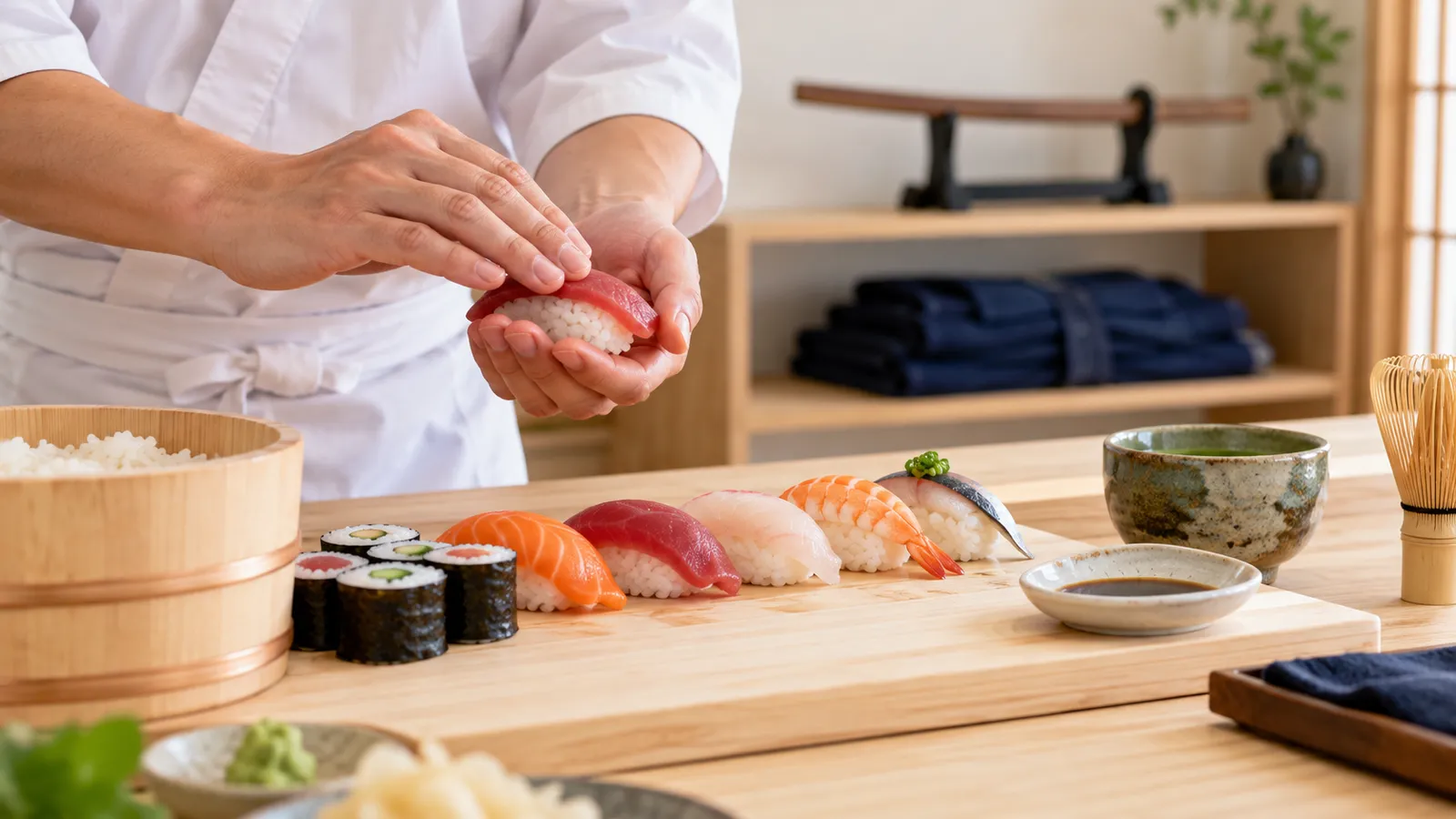
Samurai Experience or Sushi Class in Tokyo?
Choosing between a samurai experience and a sushi class in Asakusa? Compare time, cost, ages, photos and food, and see how to fit both into one day.