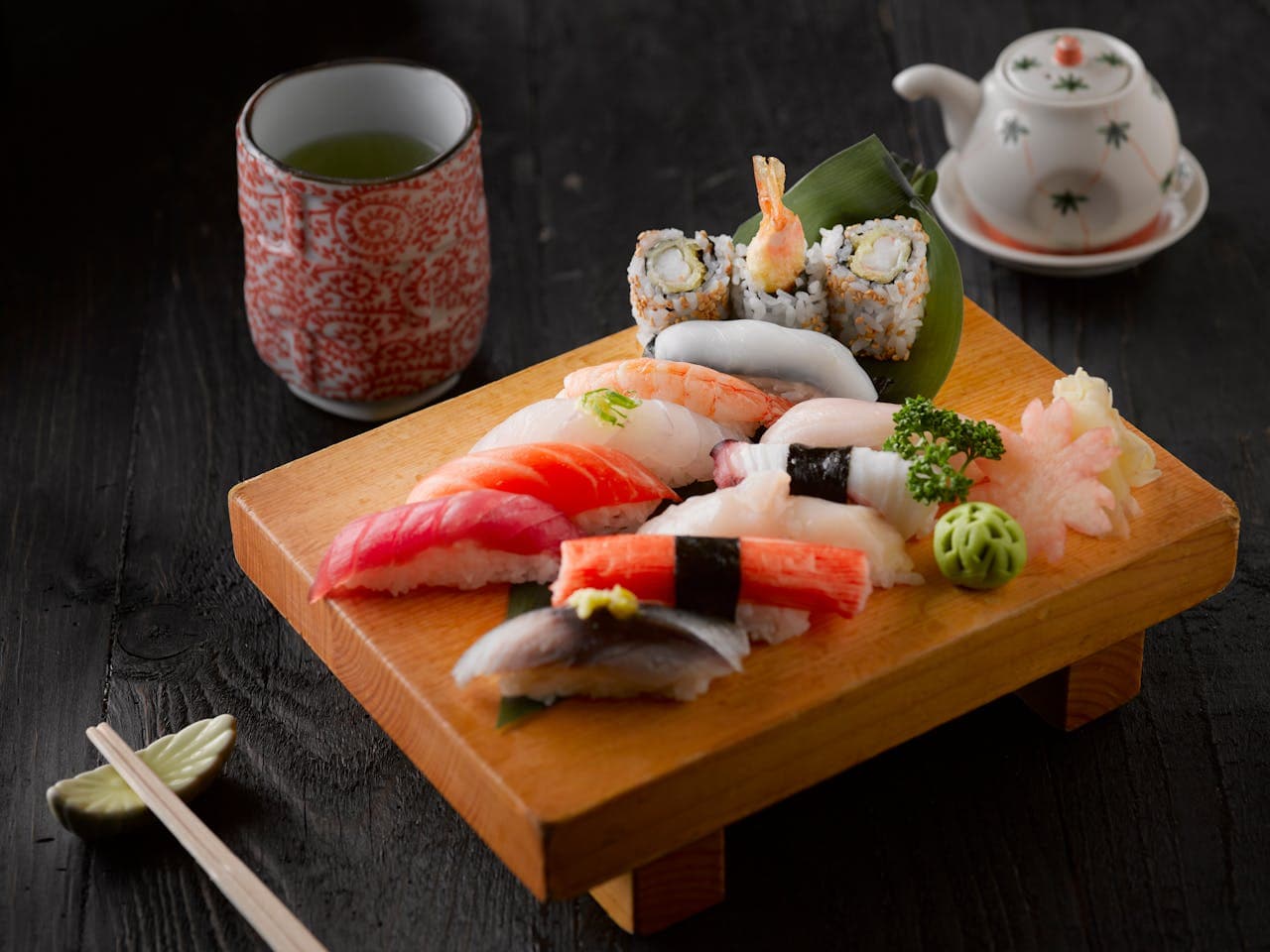
The History of Edomae Sushi: How Tokyo's Street Food Became a Global Culinary Art
When visitors to Tokyo think of sushi, they often imagine the pristine omakase counters of Ginza, where pieces of fish are served with ceremonial precision. Yet the origins of Edomae sushi—the style that defined what sushi means worldwide—couldn't be more different. This is the story of how a humble fast food invented on the streets of old Edo became Japan's most iconic culinary export.
Popular in Tokyo right now — our most recommended experience
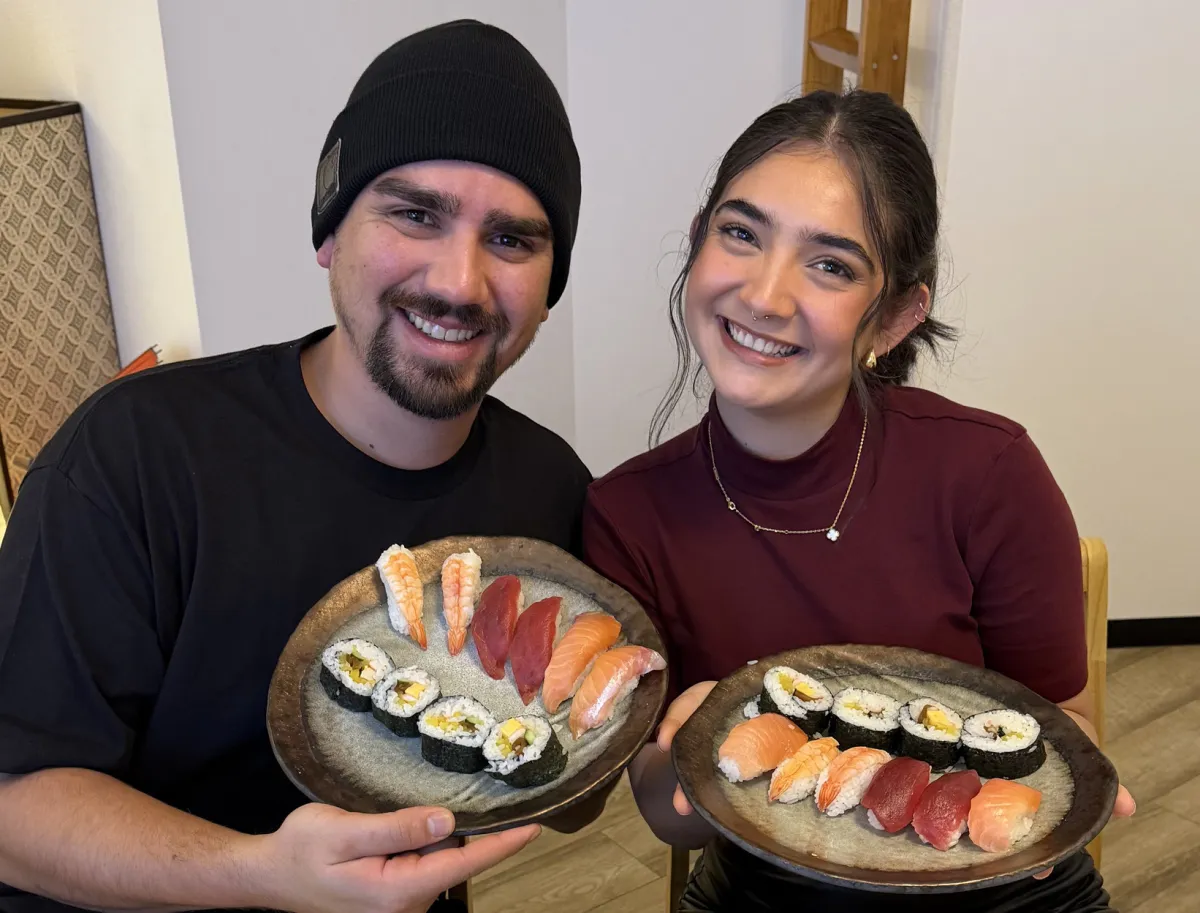
Tokyo Sushi Making Class : Sake Ceremony & Matcha Experience in Asakusa
The Birth of Nigiri: A Revolutionary Idea
The year was around 1824, during the Bunsei era of Japan's Edo period. A resourceful chef named Hanaya Yohei had an idea that would change Japanese cuisine forever. Instead of waiting days or weeks for fish to ferment with rice—the traditional preservation method that had defined sushi for centuries—why not serve fresh fish on vinegared rice immediately?
This "fast sushi" was revolutionary. In an era before refrigeration, when most sushi required lengthy fermentation, Yohei's nigiri-zushi could be prepared and eaten within moments. He set up a stall near the Ryōgoku Bridge in Edo (modern-day Tokyo), and his quick, flavorful creations became an instant sensation among busy workers and merchants.
Why "Edomae"? The Sea at Tokyo's Doorstep
The term "Edomae" literally means "in front of Edo"—referring to the waters of what is now Tokyo Bay. In those days, this shallow bay was one of Japan's richest fishing grounds, teeming with shrimp, sea bream, conger eel, and countless other species.
The proximity of this abundant sea was essential to Yohei's innovation. Without refrigeration, fish had to travel quickly from water to table. Edomae sushi wasn't just a style—it was a geography. The fishermen of Edo Bay would bring their morning catch directly to the city's markets, and by noon, that same fish would be transformed into nigiri at street-side stalls.
The Art of "Shigoto": Preparing Fish Without Refrigeration
Here's where Edomae sushi reveals its genius. Without modern cooling technology, how did Edo-period chefs keep fish safe and delicious? The answer lies in "shigoto"—the preparatory techniques that became the hallmark of the style.
Zuke (marinating): Lean fish like tuna were marinated in soy sauce, which acted as both flavoring and preservative. This technique gave birth to the beloved zuke-maguro still served today.
Kobujime (kelp curing): White fish were wrapped in kombu seaweed, which drew out moisture while imparting umami. The result was firmer texture and deeper flavor.
Su-jime (vinegar curing): Fish like mackerel were cured in salt and vinegar, transforming their texture and extending their shelf life.
Ni-kiri (simmering): Shellfish and some fish were briefly simmered in seasoned liquid, creating the cooked toppings that remain essential to Edomae tradition.
These weren't just preservation methods—they were flavor transformations. Each technique enhanced the fish in ways that modern refrigeration simply cannot replicate. This is why traditional Edomae restaurants still practice these techniques today, not out of necessity, but because they create superior taste.
Shari: The Unsung Hero of Sushi
While toppings get most of the attention, true sushi mastery lies in the rice—called "shari" in the trade. The evolution of shari tells its own fascinating story.
Early Edomae sushi used red vinegar (akazu), made from sake lees. This gave the rice a distinctive reddish hue and robust, complex flavor. You can still find restaurants in Tokyo that pride themselves on this traditional style.
The shift to white rice vinegar (komezu) came later, producing the lighter, cleaner shari that most people know today. But the debate between red and white vinegar adherents continues among sushi purists—a delicious controversy with no wrong answer.
What both traditions agree on: the rice must be cooked perfectly, seasoned while hot, and served at body temperature. When you experience our sushi-making classes, you'll discover just how much skill goes into achieving that perfect balance of sweet, salty, and sour in every grain.
From Street Food to High Art
The transformation of sushi from casual street fare to refined cuisine happened gradually. By the Meiji era (1868-1912), permanent sushi restaurants began replacing street stalls. Chefs started wearing white—a symbol of cleanliness borrowed from Western medicine—and the counter-seating arrangement allowed diners to watch the artistry unfold.
After World War II, regulations banned street food stalls, pushing sushi firmly indoors. This coincided with the rise of refrigeration, which paradoxically made the traditional Edomae techniques seem more precious. No longer necessary for preservation, they became markers of craftsmanship and tradition.
Today's sushi world encompasses everything from conveyor-belt chains to three-Michelin-starred temples of gastronomy. Yet the essence of Edomae—fresh ingredients, skilled preparation, and the intimate connection between chef and diner—remains the gold standard.
Experiencing Edomae Tradition in Asakusa
Asakusa, one of Tokyo's oldest neighborhoods, maintains a living connection to the Edo period. Walking these streets, you're treading the same paths where Hanaya Yohei's culinary revolution began spreading two centuries ago.
At Sushi & Matcha, we believe understanding this history enriches every bite. Our hands-on classes teach not just technique, but the philosophy behind Edomae sushi: respect for ingredients, precision in preparation, and the joy of creating something beautiful to share.
Whether you're curious about selecting the perfect fish or mastering the art of shari, experiencing sushi in its birthplace offers insights that no restaurant meal can provide. When you shape that first piece of nigiri with your own hands, you're participating in a tradition that stretches back to the street stalls of old Edo.
A Living Tradition
The remarkable thing about Edomae sushi is how it continues to evolve while honoring its roots. Modern chefs experiment with new fish species, global ingredients, and contemporary techniques—yet the best of them still practice the same shigoto their predecessors perfected two hundred years ago.
This balance of innovation and tradition is quintessentially Japanese. It's what makes sushi endlessly fascinating, and it's why visitors from around the world journey to Tokyo to experience it at its source.
The next time you sit at a sushi counter—whether in Tokyo or anywhere else in the world—take a moment to appreciate the journey from Hanaya Yohei's riverside stall to your plate. Every piece of nigiri carries that history within it.
Related Articles
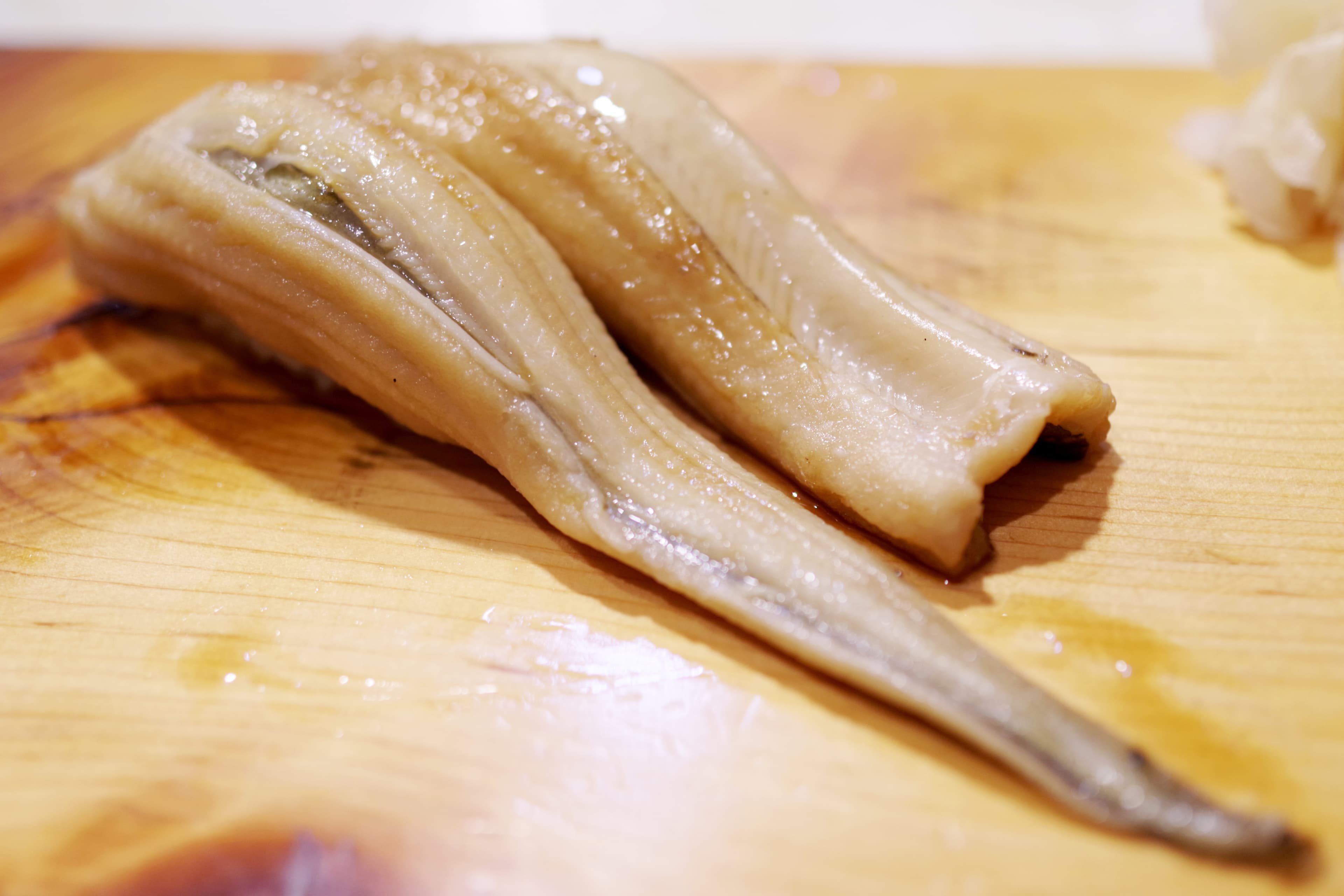
The Art of Anago: Why Tokyo Bay's Elegant Eel Is the True Taste of Edomae Sushi
Discover anago, the delicate saltwater eel that defines authentic Edomae sushi. Learn why this May-to-summer delicacy from Tokyo Bay showcases the pinnacle of sushi craftsmanship.

Book a Sushi Class Early or on the Day?
Reserve a Tokyo sushi class in advance or try on the day? Weigh certainty against flexibility and know what to check before counting on a same-day place.
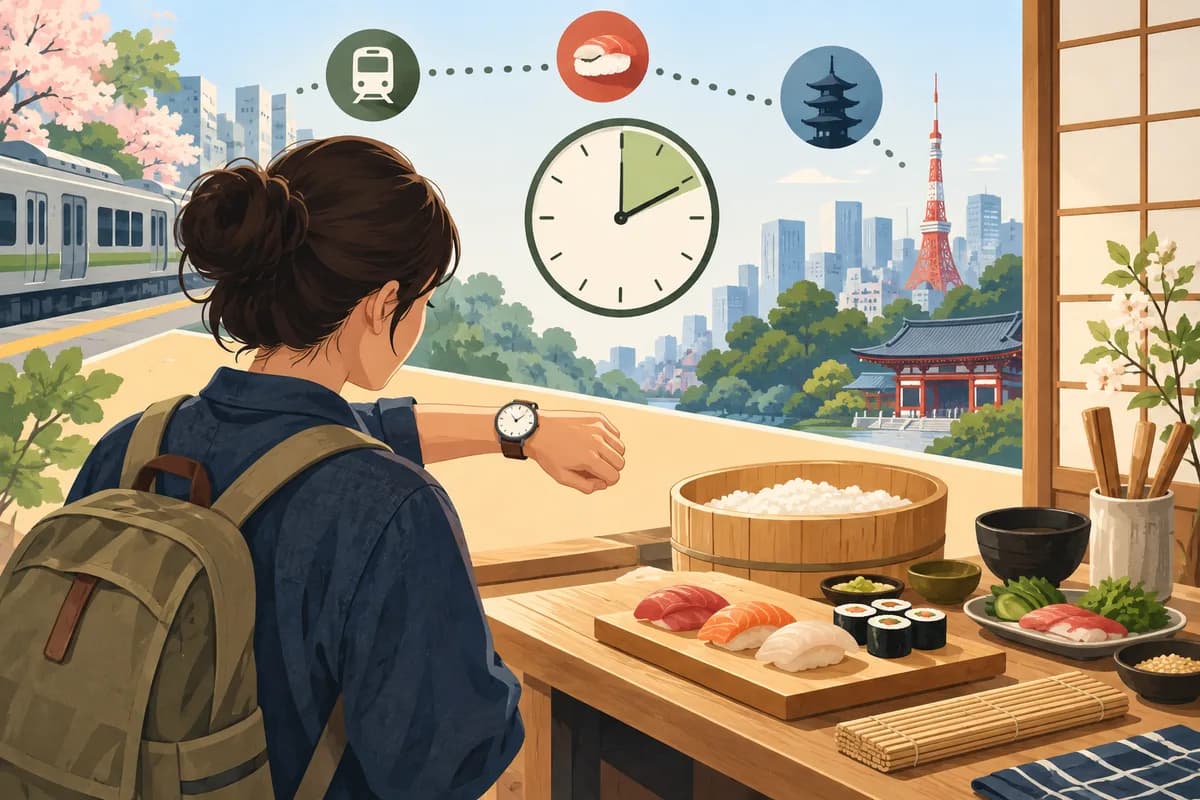
How Long Is a Sushi Class? Plan Your Day
Our Asakusa sushi class runs 90 minutes. Plan your arrival, travel margins and the rest of your Tokyo day around it without overpacking the schedule.