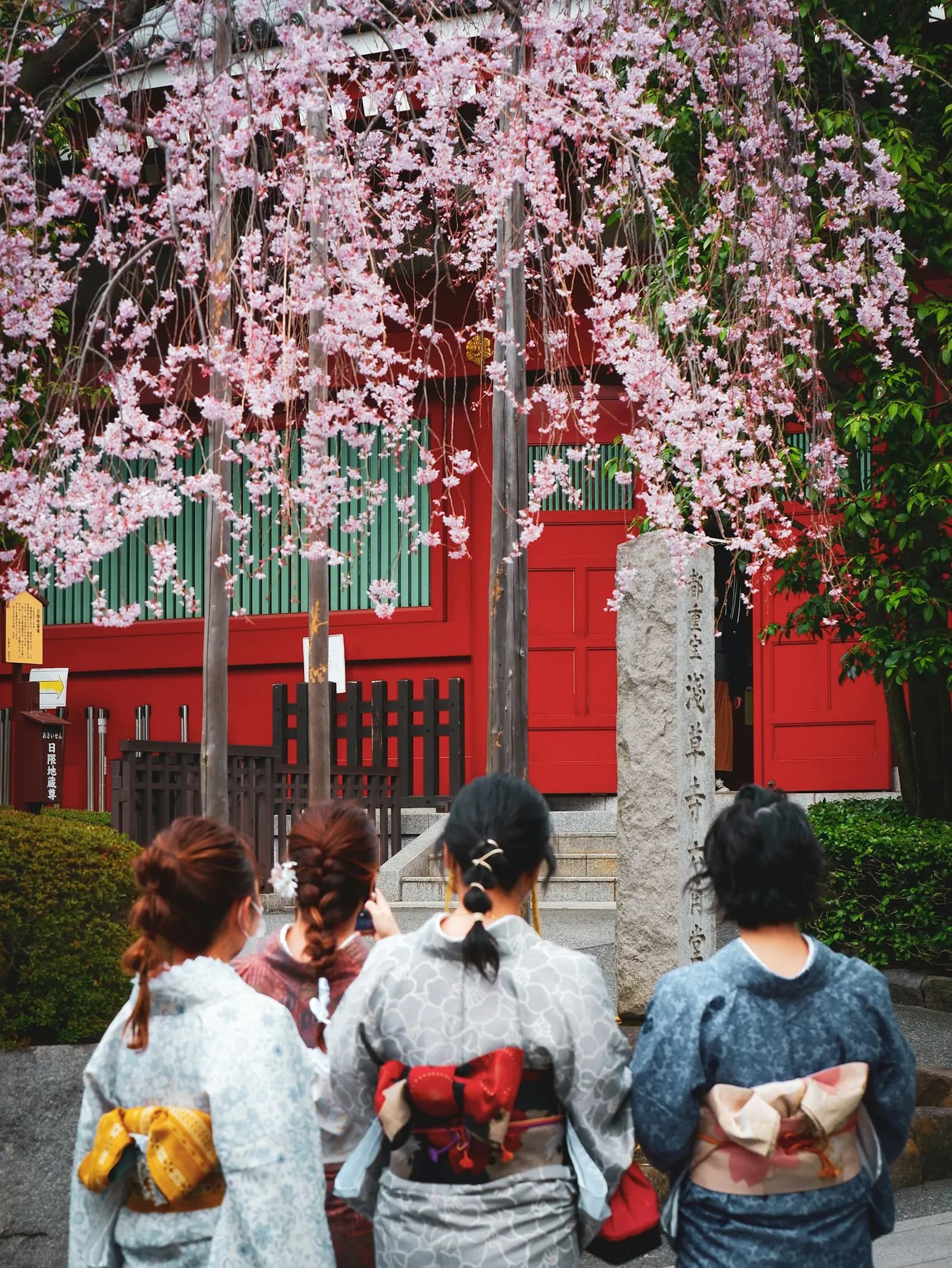
Hanamatsuri: Celebrating Buddha's Birthday with Flowers and Sweet Tea in Asakusa
While most visitors to Japan in early April have their eyes fixed on cherry blossoms, a quieter yet equally profound celebration unfolds at Buddhist temples across the country. April 8th marks Hanamatsuri—the Flower Festival—a day when Japanese Buddhists honor the birth of Siddhartha Gautama, the historical Buddha. And nowhere does this celebration feel more magical than at Asakusa's ancient Sensoji Temple, where flowers, sweet tea, and centuries-old traditions come together in a uniquely Japanese expression of spring.
Popular in Tokyo right now — our most recommended experience

Tokyo Sushi Making Class : Sake Ceremony & Matcha Experience in Asakusa
The Legend Behind the Flowers
According to Buddhist tradition, when the Buddha was born in the gardens of Lumbini (in present-day Nepal), something miraculous occurred. The newborn immediately took seven steps forward, pointed one hand toward the heavens and one toward the earth, and declared his purpose in the world. At that moment, nine dragons descended from the sky and poured pure, sweet rain to bathe the infant.
This legend forms the heart of Hanamatsuri. At temples throughout Japan, a small flower-adorned pavilion called a hanamido (花御堂, "flower pavilion") is set up, representing the lush gardens where the Buddha was born. Inside stands a tiny statue of the infant Buddha in that iconic pose—one hand pointing up, one pointing down—placed in a shallow bowl filled with a special sweet tea called amacha.
The Ritual of Sweet Tea
The central act of Hanamatsuri is beautifully simple: visitors take a small ladle and pour amacha over the statue's head, recreating the dragons' blessing. It's a moment of quiet reflection amid the temple's bustle—a chance to connect with a tradition that has traveled from India through China to Japan over more than a millennium.
Amacha itself is fascinating. Despite its name meaning "sweet tea," it's not actually tea at all but an infusion made from the leaves of a specific species of hydrangea. The natural sweetness is remarkable—intensely sugary without any added sugar. Many temples offer visitors a cup to drink or a small bottle to take home. Traditionally, amacha is believed to have protective properties, and some even use it to prepare calligraphy ink, believing it will improve their brushwork.
Hanamatsuri at Sensoji Temple
Sensoji Temple's Hanamatsuri celebration is among Tokyo's most atmospheric. On April 8th, the temple's main hall displays special artwork depicting the Buddha's birth, while outside, a gilded hanamido gleams amid elaborate floral arrangements. The star attraction, however, is the white elephant.
The white elephant holds special significance in Buddhist iconography—Buddha's mother is said to have dreamed of a white elephant entering her side on the night of his conception. During Sensoji's Hanamatsuri, a chariot bearing a white elephant statue parades through the temple grounds, accompanied by children in traditional costumes. It's a scene that feels transported from another era.
Free amacha is distributed near the Hozomon Gate, where visitors can experience this sacred tea while taking in the festival atmosphere. Unlike the raucous energy of many Japanese festivals, Hanamatsuri maintains a gentle, contemplative mood—fitting for a celebration of the Buddha's teachings.
Timing Your Visit
Hanamatsuri's April 8th date places it perfectly within cherry blossom season in Tokyo, and this is no coincidence. When Japan adopted the Gregorian calendar in the Meiji era, the date was chosen partly because it aligned with sakura season—the ultimate symbol of spring's beauty and life's transience. The name "Flower Festival" thus carries a double meaning: honoring the flowers of Buddha's birthplace and celebrating Japan's most beloved spring bloom.
This timing creates a unique opportunity for visitors. You can experience the quiet spirituality of Hanamatsuri at Sensoji in the morning, then stroll along the nearby Sumida River to admire cherry blossoms, creating a day that captures both the sacred and seasonal aspects of Japanese spring.
Connecting Culture Through Cuisine
Understanding Japanese festivals deepens when you experience their culinary traditions firsthand. At our sushi class in Asakusa, we often discuss how seasonal celebrations shape Japanese food culture—from the symbolic ingredients of New Year's osechi to the spring flavors of Hinamatsuri.
Consider pairing your Hanamatsuri temple visit with a traditional matcha experience. The meditative quality of preparing and drinking matcha mirrors the contemplative spirit of the flower festival. Both practices invite you to slow down, be present, and appreciate the simple beauty of the moment—whether it's the froth on green tea or the act of pouring sweet tea over an ancient statue.
A Festival Worth Discovering
Hanamatsuri may not have the dramatic drumming of summer festivals or the vibrant costumes of autumn celebrations, but its quiet beauty makes it something special. In a country where Buddhism and daily life interweave seamlessly, April 8th offers a window into how Japanese people have honored spiritual traditions while adapting them to their own aesthetic sensibilities.
The combination of flowers, sweet tea, white elephants, and the gentle spring weather creates an experience that lingers in memory. If you find yourself in Asakusa around April 8th, take an hour to visit Sensoji. Pour amacha over the tiny Buddha statue, accept a cup of the sweet tea, and let yourself become part of a tradition that has welcomed spring for over a thousand years.
After all, some of the most meaningful travel experiences aren't found in guidebook highlights but in the quiet moments when you stumble upon something genuine—a local celebration that reminds you that beneath the modern surface, ancient rhythms still pulse through Japanese life.
Related Articles
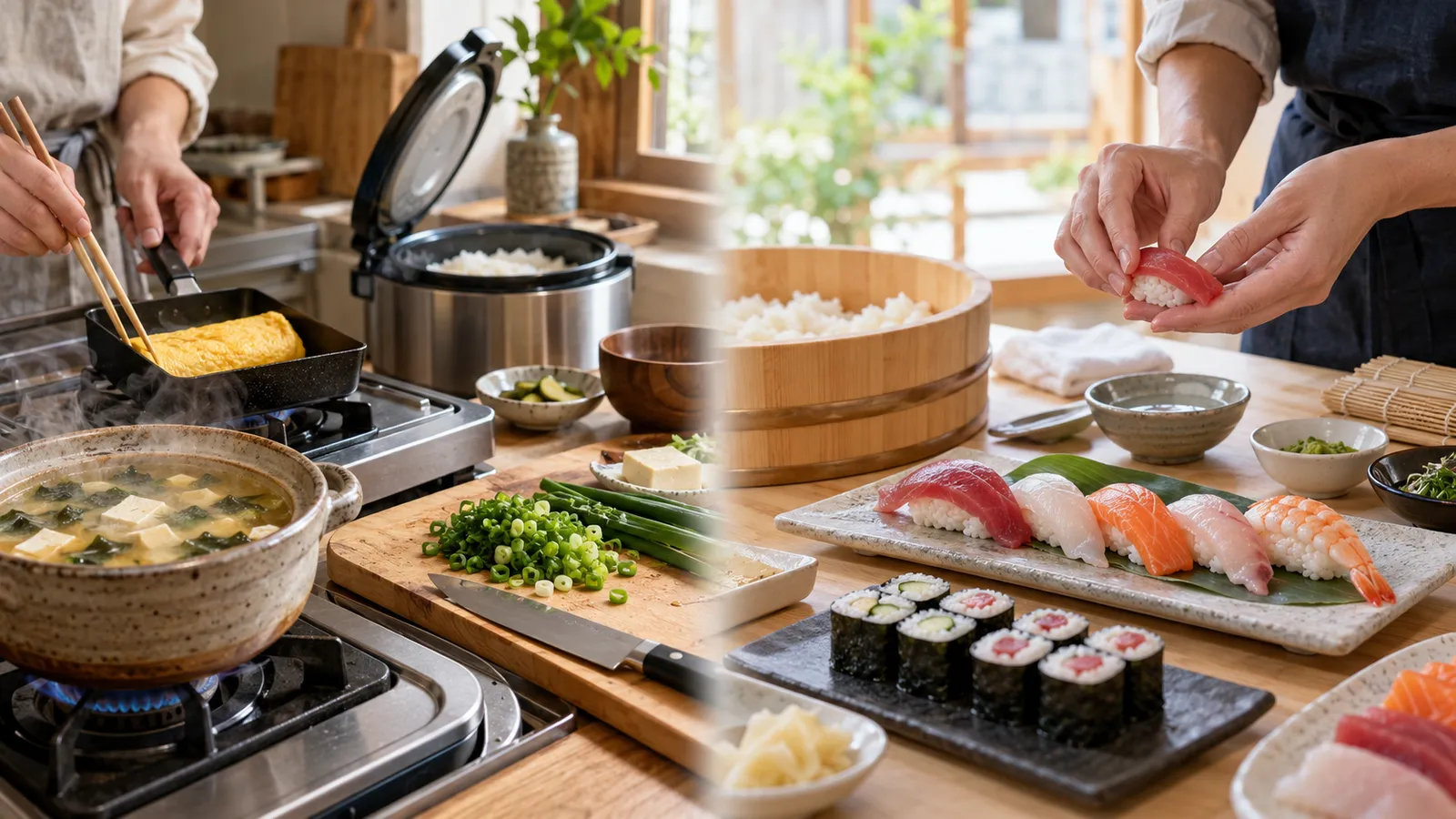
Home Cooking Class or Sushi Class in Tokyo?
A local's kitchen or a dedicated sushi studio? Compare menus, group size, timing, language and booking so you can choose the Tokyo cooking class that fits you.
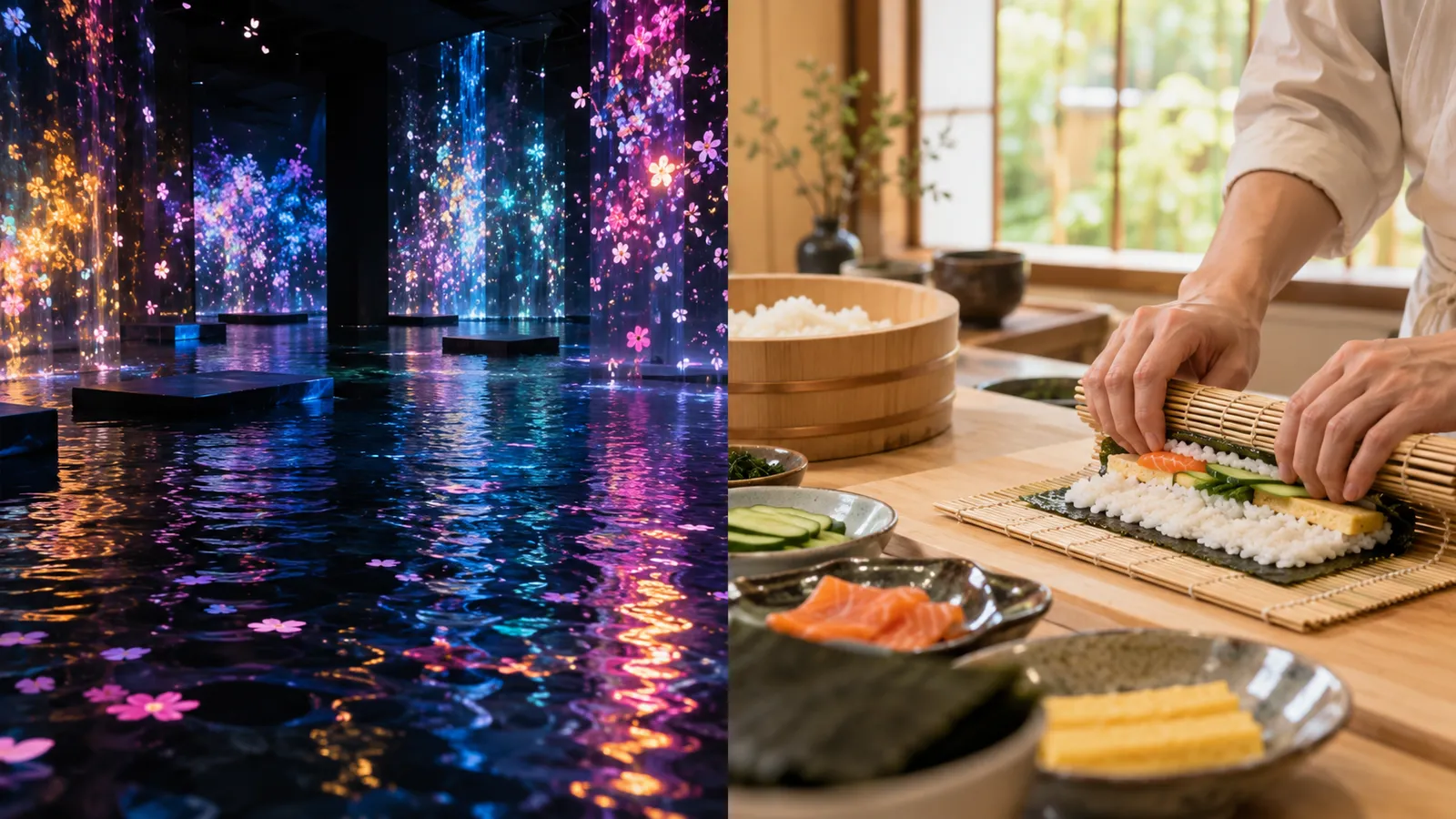
teamLab Planets and a Sushi Class in One Day
Pair teamLab Planets in Toyosu with a sushi class in Asakusa. Train routes, what to wear for the water rooms, timing and two simple plans for one Tokyo day.
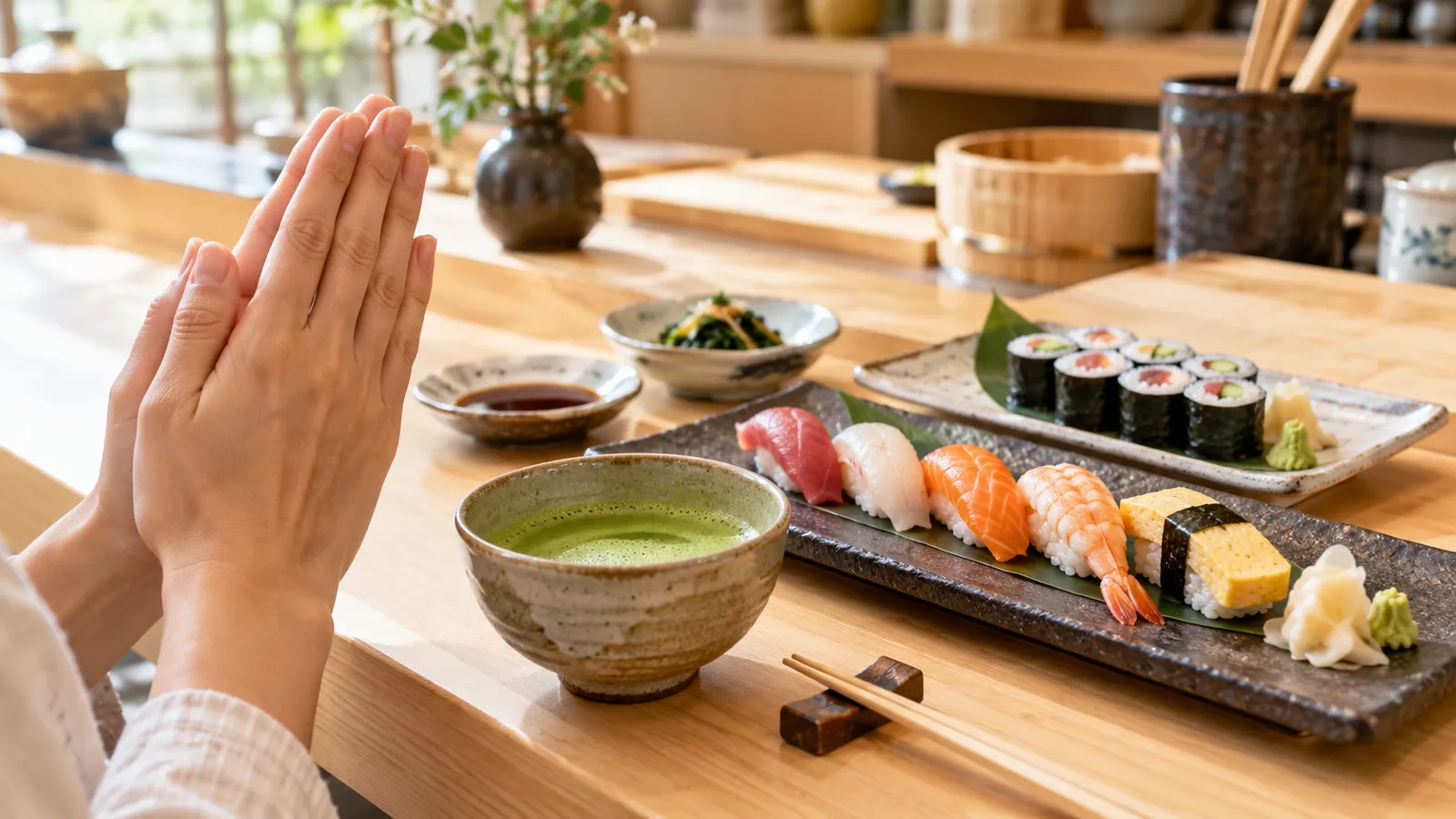
Do You Tip at a Sushi Class in Japan?
Tipping is not customary in Japan, and a sushi class is no exception. What the price covers, why there is no tip line, and good ways to say thank you.