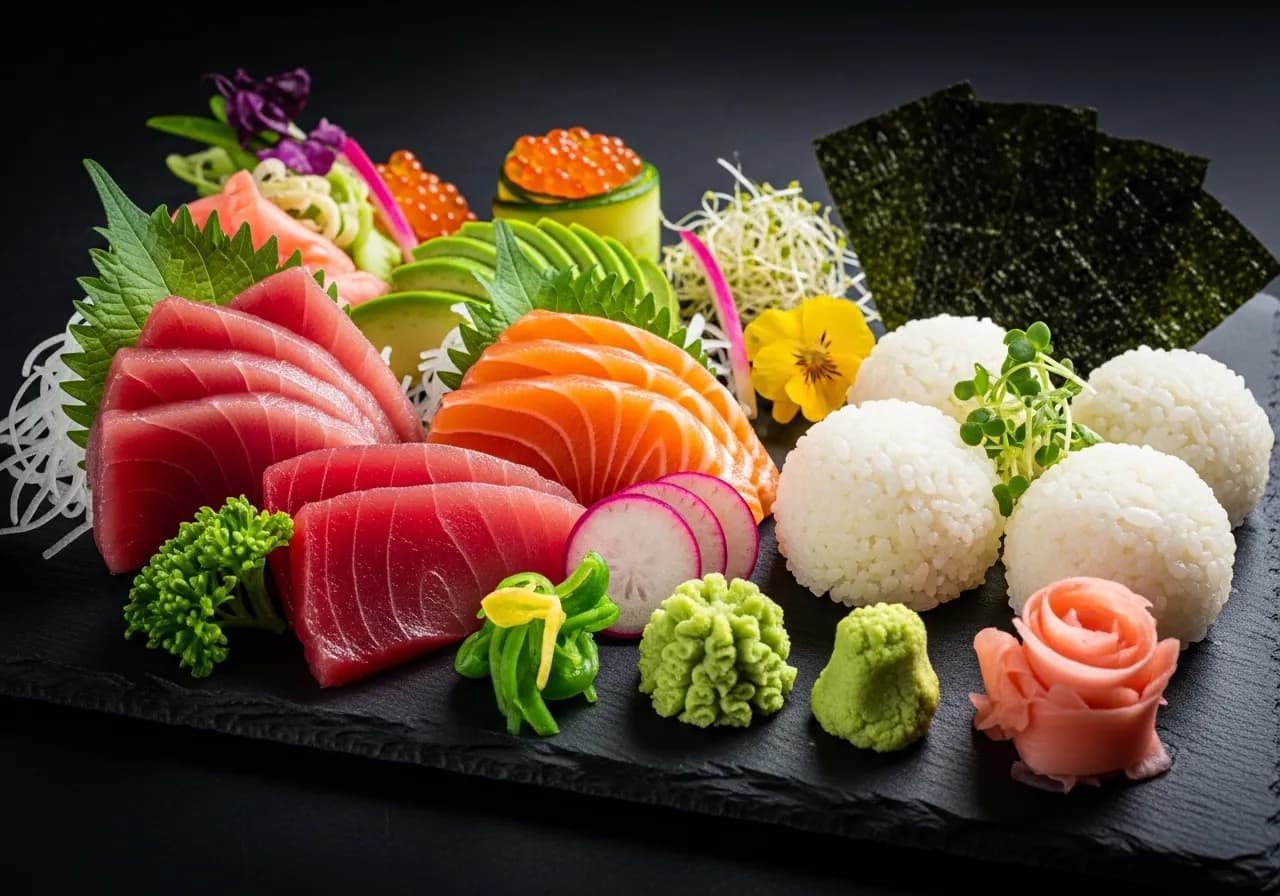
Hatsu-Gatsuo: Why May Is the Month to Experience Japan's Most Celebrated Seasonal Fish
There's a famous haiku that every Japanese person learns in school: "Me ni aoba, yama hototogisu, hatsu-gatsuo" — "Green leaves before my eyes, a cuckoo singing in the mountains, and the first bonito of the season." Written by the Edo-period poet Yamaguchi Sodo in the 17th century, this verse captures the sensory essence of early May in Japan: the fresh verdure of spring, birdsong echoing through the hills, and on the plate, a glistening slice of the year's first bonito.
But hatsu-gatsuo isn't just poetry. For the people of Edo (old Tokyo), it was an obsession — a seasonal delicacy so coveted that a popular saying declared: "Nyobo wo shichi ni irete mo hatsu-gatsuo" — "Eat the first bonito even if you must pawn your wife to afford it."
Popular in Tokyo right now — our most recommended experience
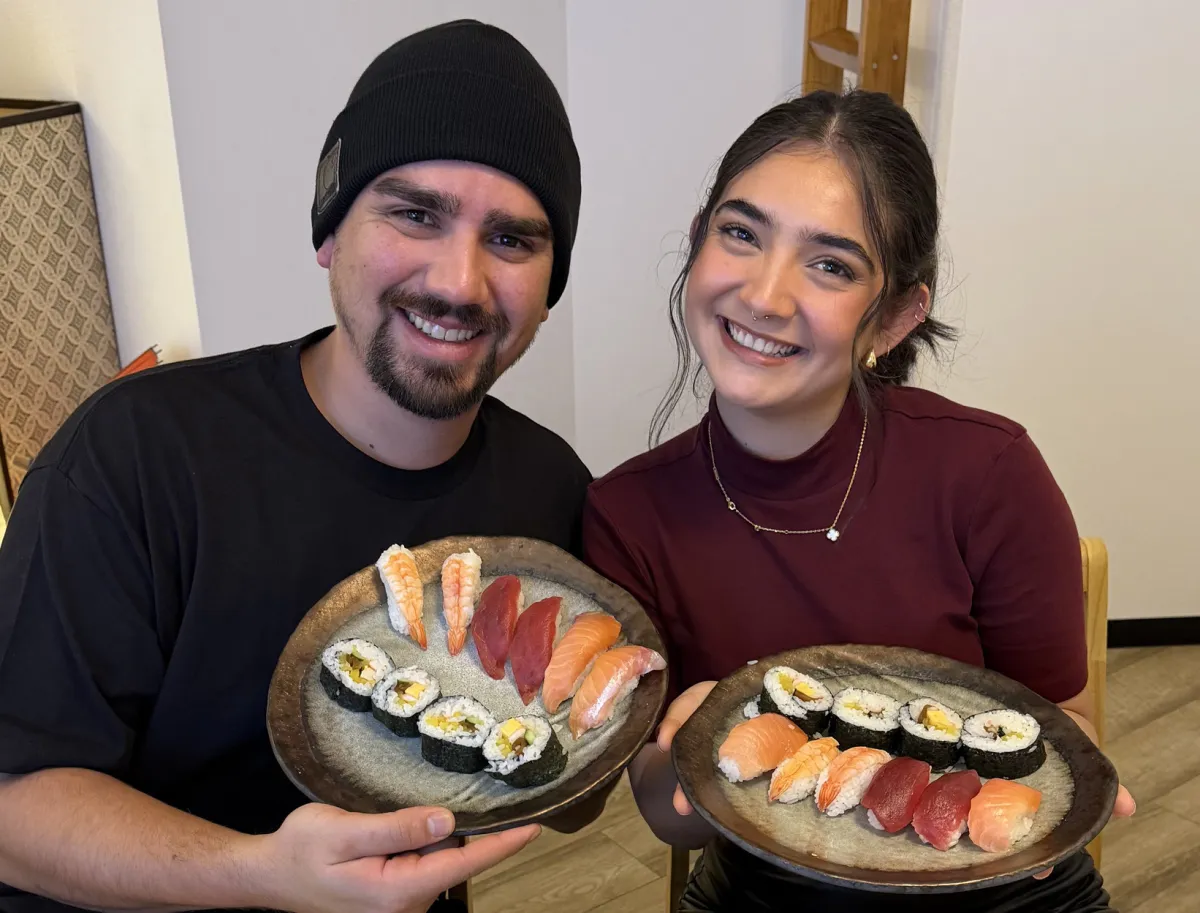
Tokyo Sushi Making Class : Sake Ceremony & Matcha Experience in Asakusa
The Cult of First Catch
In Edo-period Japan, being first meant everything. The concept of hatsumono (初物) — the first harvest of any seasonal ingredient — carried almost spiritual significance. Eating the season's first offering was believed to add 75 days to your lifespan. But among all hatsumono, none commanded more prestige than hatsu-gatsuo.
The Edokko (true-born Tokyoites) weren't just food lovers; they were seasonal connoisseurs who took pride in experiencing things at the perfect moment. They called katsuo by the homophone 勝男 — literally "victorious man" — making it an auspicious symbol of success. Buying the first bonito of the season, even at outrageous prices, was considered the height of Edo sophistication.
Historical records show that wealthy merchants would bid astronomical sums at fish auctions just to secure the season's first catch. One famous account describes a piece of hatsu-gatsuo selling for the equivalent of a year's salary for a common laborer.
Spring vs. Autumn: Two Fish, Two Personalities
What makes bonito fascinating is that it has two distinct seasons, each producing a completely different culinary experience:
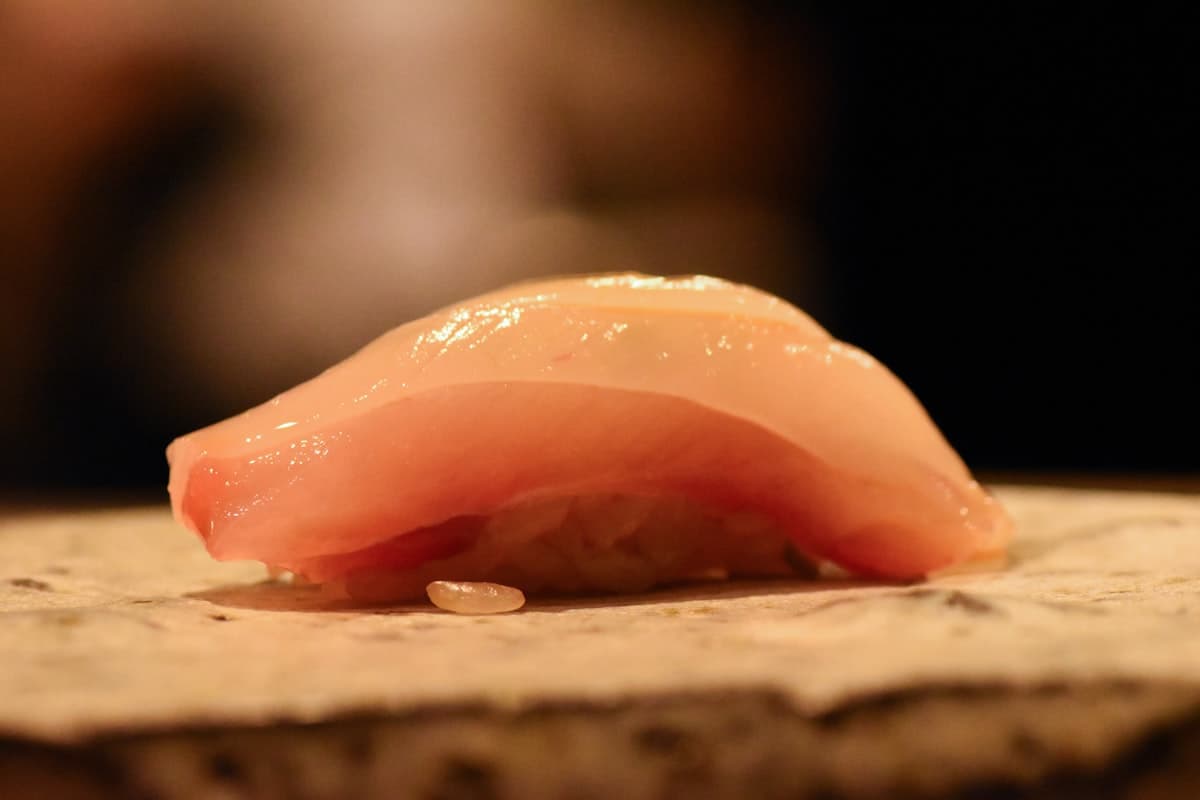
Hatsu-gatsuo (初鰹) — Spring Bonito (April-June) The fish rides the warm Kuroshio Current northward from Kyushu, arriving in the waters near Tokyo around May. This spring bonito is lean and clean, with a refreshing, almost metallic brightness. The fat content is minimal — about 1-2% — giving it a pure, unadulterated ocean flavor that the Edo palate adored.
Modori-gatsuo (戻り鰹) — Returning Bonito (September-November) After spending summer feeding in the nutrient-rich northern waters, the bonito returns south in autumn. This version is an entirely different creature: rich, fatty, and unctuous, with up to 12 times the fat content of its spring counterpart.
Modern diners often prefer the richer modori-gatsuo, but the Edo connoisseurs were clear in their preference: hatsu-gatsuo's clean, assertive flavor represented the true spirit of the fish.
The True Season: May in Sagami Bay
Here's something even many sushi chefs don't know: during the Edo period, hatsu-gatsuo specifically meant fish caught in May (April by the old lunar calendar) in Sagami Bay, the waters facing present-day Kanagawa Prefecture. This was the moment when the northward-migrating bonito passed through the waters closest to Edo.
Today, modern logistics mean that "first bonito" often refers to fish caught in southern Kyushu as early as February or March and flown to Tokyo. While delicious, true purists argue this isn't authentic hatsu-gatsuo. If you want to experience what the Edo-era poets were writing about, May remains the month — and the waters around greater Tokyo are still the place.
Tataki: The Perfect Preparation
The signature way to serve bonito is tataki — lightly seared on the outside while remaining ruby-red and raw within. The traditional method involves briefly passing the fillet over a blazing straw fire (wara-yaki), which chars the surface in seconds while imparting a subtle smokiness.
This technique is said to have originated in Kochi Prefecture on Shikoku island, but it was elevated to an art form in Tokyo's sushi restaurants. The legendary Jiro Ono of Sukiyabashi Jiro is credited with perfecting bonito tataki as a sushi topping, and his influence can be tasted in high-end sushi counters across the city.
The charred exterior provides texture and smoky depth, while the cool, crimson interior delivers that pure, iron-rich flavor of fresh bonito. It's typically served with freshly grated ginger, sliced garlic, and a bright ponzu sauce — though at serious sushi restaurants, the chef will adjust the accompaniments based on the individual fish's flavor intensity.
How to Enjoy Hatsu-Gatsuo in Asakusa
Golden Week (late April to early May) is the perfect time to seek out hatsu-gatsuo in Asakusa. The timing aligns with both the traditional season and the festive holiday atmosphere.
At sushi restaurants: Look for katsuo on the seasonal recommendations. Don't hesitate to ask your chef whether it's hatsu-gatsuo and where it was caught — true sushi appreciation involves this kind of dialogue.
At izakayas: Order katsuo no tataki as a starter. It's typically served as sashimi-style slices with the classic ginger-garlic-ponzu combination.
Learning to make it yourself: At Sushi & Matcha cooking classes, we incorporate seasonal fish into our curriculum. During spring sessions, participants learn how seasonality shapes every aspect of Japanese cuisine — from selecting ingredients to understanding why certain combinations work.
A Taste of Edo Spirit
When you bite into a piece of hatsu-gatsuo this May, you're not just eating fish. You're participating in a centuries-old tradition of seasonal appreciation that defined Edo culture. You're tasting what inspired poets, bankrupted merchants, and gave Tokyo its reputation as a city of discerning palates.
The green leaves are budding, the cuckoos are singing in the mountains, and the first bonito has arrived. As the Edokko would say — this is no time for hesitation.
Experience seasonal Japanese cuisine at its finest with our hands-on cooking classes in Asakusa, where every season brings new flavors to discover.
Related Articles
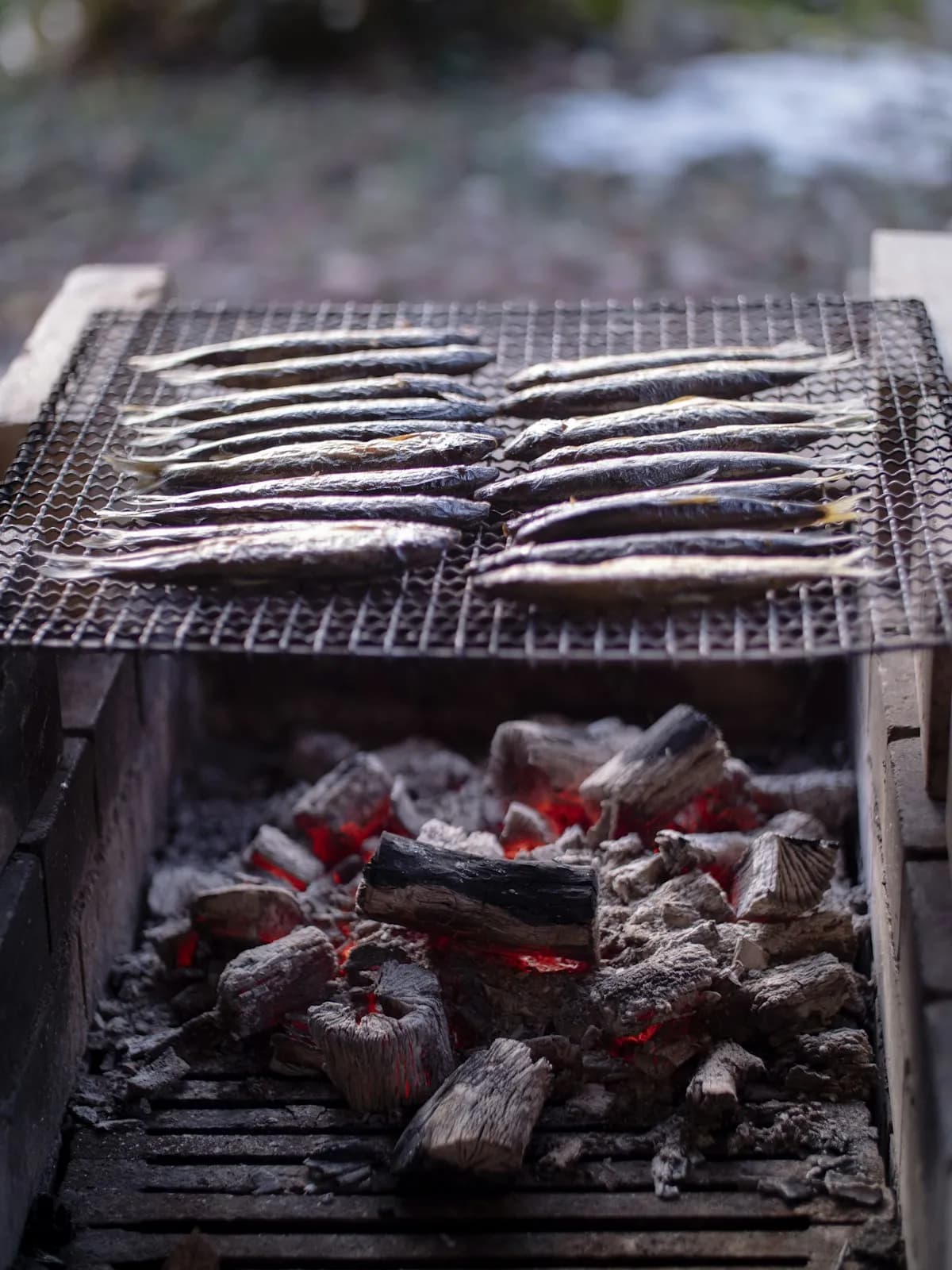
Ayu: The Fragrant River Fish That Heralds the Arrival of Japanese Summer
Discover ayu, Japan's beloved sweetfish that becomes available each June. Learn why this delicate river fish holds such cultural significance and how to experience its unique flavor during your Tokyo visit.
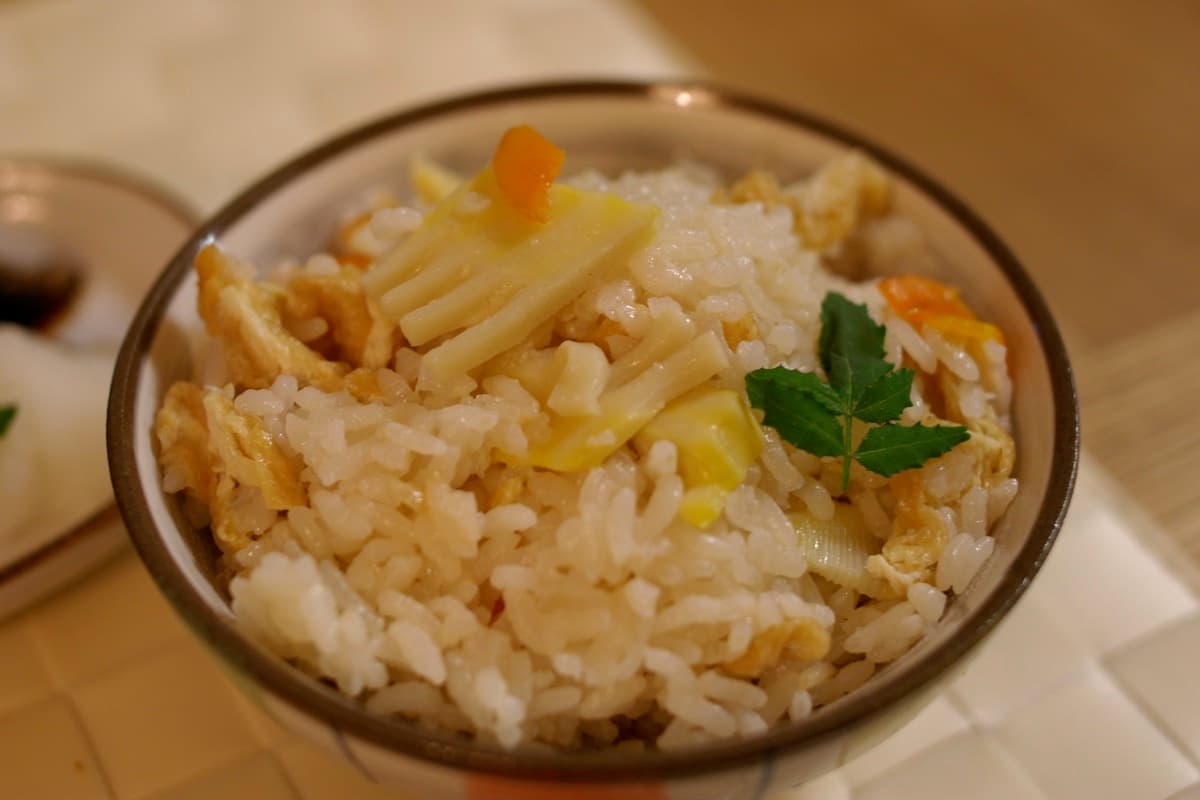
The Art of Takenoko: Why April is the Best Time to Experience Japan's Spring Cuisine
Discover takenoko, the bamboo shoot that defines spring in Japanese cooking. Learn why April is the perfect month to experience this seasonal delicacy in Tokyo and how it connects to Japan's culinary philosophy of shun.
Sakura Dai: The Cherry Blossom Sea Bream That Defines Spring Sushi
Discover sakura dai, Japan's most poetic spring delicacy—a sea bream that turns the color of cherry blossoms and represents the pinnacle of seasonal sushi.