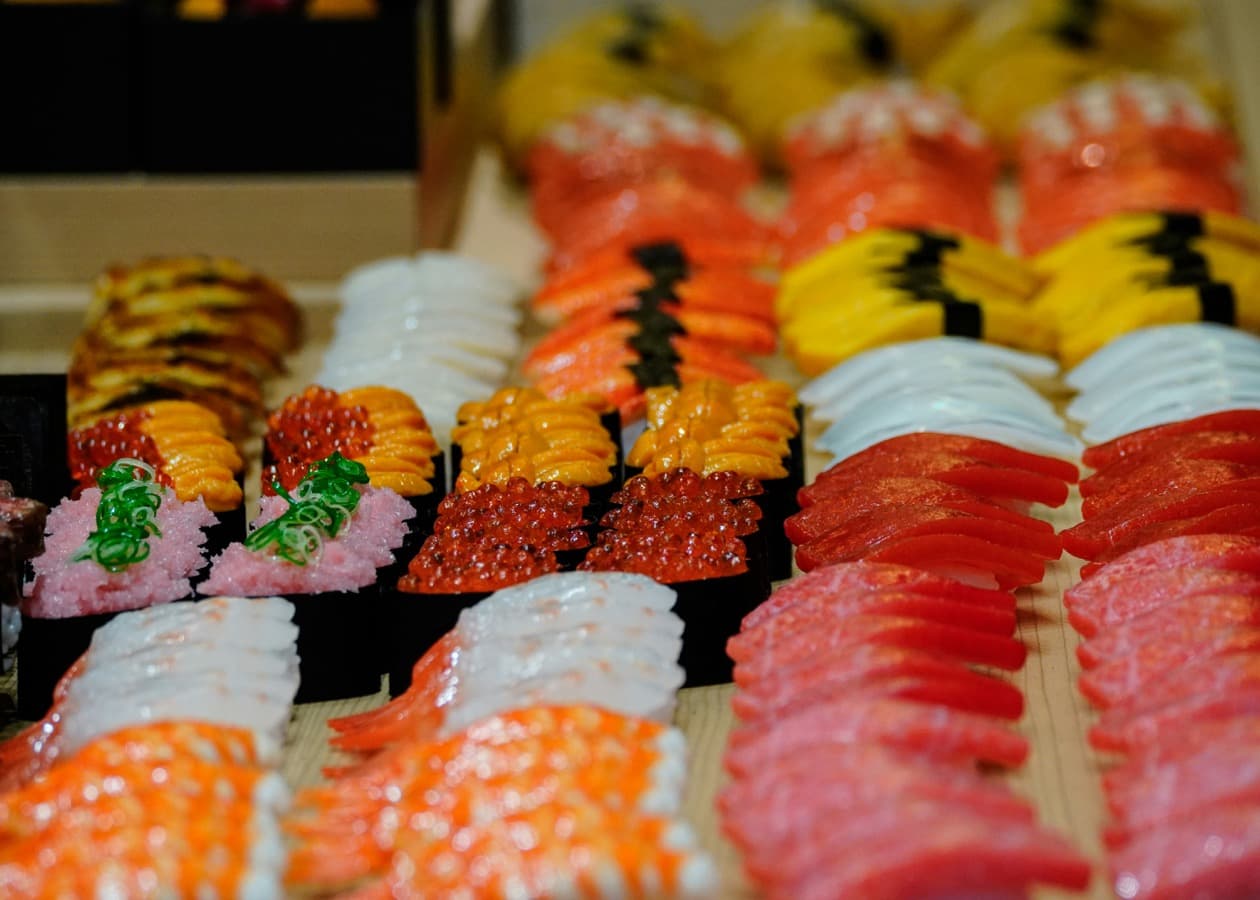
Hinamatsuri and the Art of Celebratory Sushi: How Japanese Festivals Shape Culinary Traditions
Hinamatsuri and the Art of Celebratory Sushi: How Japanese Festivals Shape Culinary Traditions
Every March 3rd, homes across Japan transform into galleries of delicate dolls, pink and white decorations, and tables laden with some of the most visually stunning dishes in Japanese cuisine. This is Hinamatsuri—the Doll Festival, also known as Girls' Day—and at its culinary heart lies a celebration of sushi unlike any other.
Popular in Tokyo right now — our most recommended experience
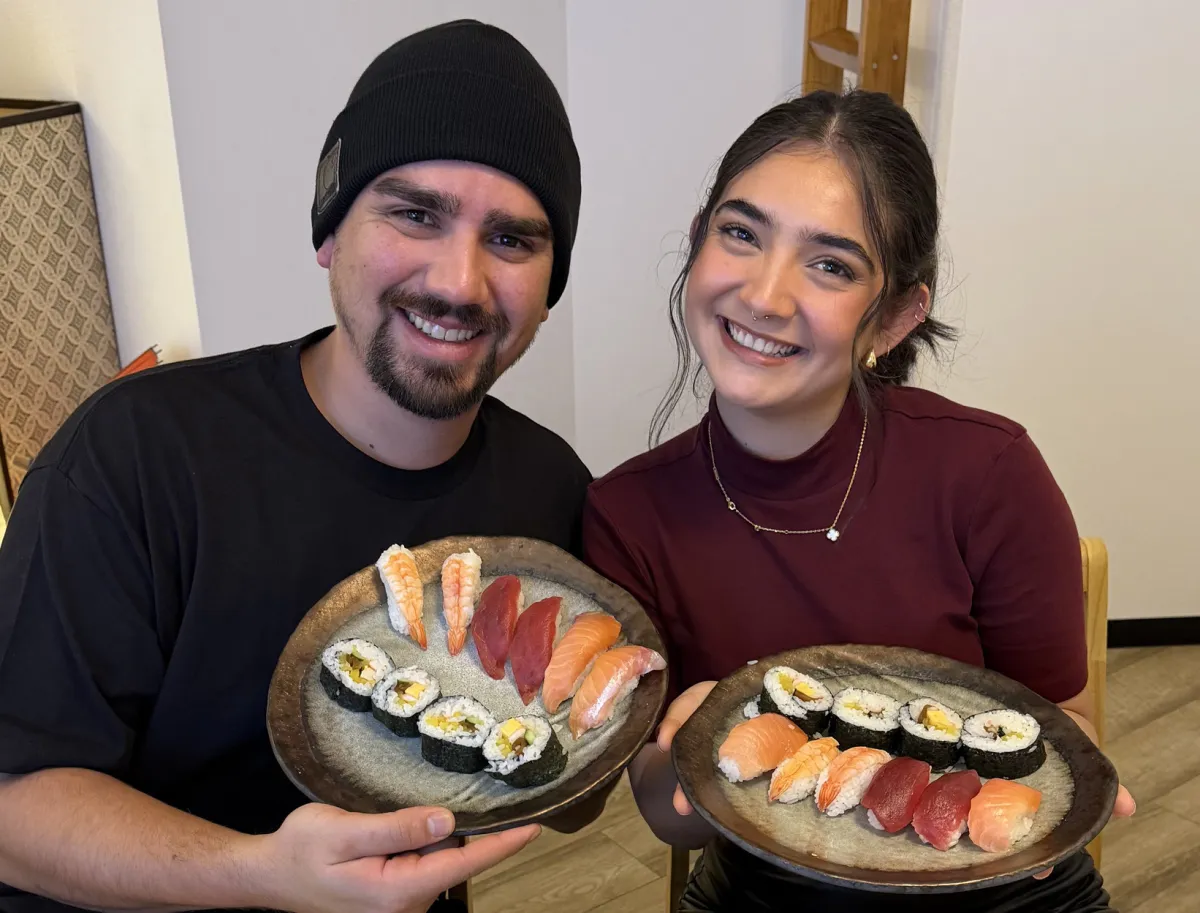
Tokyo Sushi Making Class : Sake Ceremony & Matcha Experience in Asakusa
The Festival That Paints Japan Pink
Hinamatsuri dates back over a thousand years, originating from ancient Chinese purification rituals that merged with Japanese aristocratic customs. The elaborate displays of hina dolls, dressed in Heian-period court attire, aren't merely decorative—they represent a prayer for young girls' health, happiness, and future prosperity.
But what makes this festival particularly fascinating for food lovers is how deeply the culinary traditions are woven into its celebration. The colors, ingredients, and presentation of Hinamatsuri dishes carry symbolic meaning that transforms each meal into a form of edible poetry.
Chirashizushi: The Scattered Jewel Box
At the center of any Hinamatsuri feast sits chirashizushi—literally "scattered sushi." Unlike the precise rolls and nigiri most visitors associate with sushi, chirashizushi is a vibrant canvas of seasoned rice topped with an artful arrangement of ingredients that reads like a wish list for good fortune.
The traditional toppings aren't chosen randomly:
- Shrimp (ebi): Curved like an elderly person's back, symbolizing longevity
- Lotus root (renkon): With its holes that allow you to "see the future clearly"
- Beans: Representing diligent, healthy work
- Egg strips (kinshi tamago): Golden threads symbolizing prosperity
In Asakusa, where tradition runs as deep as the Sumida River, local families have passed down their chirashizushi recipes for generations. Each household has its own balance of sweetness in the sushi rice, its own preferred arrangement that tells a family's story.
Temari Sushi: Art in the Palm of Your Hand
Perhaps no sushi style captures the spirit of Hinamatsuri quite like temari sushi. Named after the traditional embroidered balls (temari) that were once given to children as toys, these bite-sized spheres of rice wrapped in colorful toppings are almost too beautiful to eat.
The beauty of temari sushi lies in its accessibility. Unlike nigiri, which requires years of training to master, temari sushi welcomes beginners. The technique is simple: press seasoned rice into a ball using plastic wrap, then drape it with thin slices of salmon, tuna, cucumber, or pickled vegetables. The result is a rainbow of flavors that delights both children and adults.
For families with daughters, creating temari sushi together has become a beloved Hinamatsuri tradition—a moment of bonding that teaches both cooking skills and cultural values.
The Deeper Symbolism of Seasonal Eating
Hinamatsuri falls at a pivotal moment in Japan's seasonal calendar. Winter is releasing its grip, and the first hints of spring are emerging. The pink and green color scheme of the festival reflects this transition—peach blossoms announcing spring's arrival, and fresh greens promising renewal.
This philosophy of eating in harmony with the seasons—called shun (旬) in Japanese—elevates sushi from mere sustenance to a meditation on time and nature. The ingredients available in early March differ from those of summer or autumn, and respecting this rhythm connects diners to cycles larger than themselves.
At Sushi & Matcha, we embrace this philosophy in every class. When you learn to make sushi in Asakusa, you're not just learning technique—you're learning to read the seasons.
Clam Soup: The Perfect Pairing
No Hinamatsuri meal is complete without hamaguri ushiojiru—clear clam soup. The choice of hamaguri clams carries profound meaning: the two halves of a clam shell fit together perfectly and cannot match with shells from other clams. This symbolizes marital harmony and the hope that daughters will find their perfect match.
The soup itself is a study in restraint—clear broth, a single clam, perhaps a sprig of mitsuba herb. After the visual abundance of chirashizushi, this simplicity provides balance, cleansing the palate and calming the spirit.
Experiencing Festival Sushi in Asakusa
Asakusa offers a unique window into how Tokyo celebrates Hinamatsuri. Walk through the historic streets in early March, and you'll find shops displaying special sweets, restaurants offering limited-time festival menus, and families photographing their daughters in front of Senso-ji Temple.
For visitors wanting to go beyond observation to participation, cooking classes offer the chance to learn these celebratory traditions hands-on. Making your own chirashizushi or temari sushi transforms you from spectator to participant in a tradition that has shaped Japanese culture for centuries.
Beyond Hinamatsuri: A Year of Celebratory Sushi
What Hinamatsuri reveals is that in Japan, sushi is never just food. Each major festival and life event has its sushi traditions:
- Setsubun (February 3rd): Eho-maki, the lucky direction roll
- Children's Day (May 5th): Koinobori-shaped sushi for boys
- New Year: Elaborate osechi boxes featuring sushi elements
- Celebrations: Kazari sushi shaped into flowers, animals, and symbols
Understanding these connections transforms how you experience Japanese cuisine. Every piece of sushi carries echoes of festivals past and wishes for the future.
Learning the Art Yourself
The techniques behind celebratory sushi aren't locked away in professional kitchens. At our sushi classes in Asakusa, we guide visitors through the fundamentals of sushi making, including the decorative styles that make festival sushi so memorable.
Whether you're traveling solo, as a couple, or with family, learning to make celebratory sushi creates memories that outlast any souvenir. The skills you learn become stories you'll tell—and dishes you'll recreate—for years to come.
A Taste of Tradition
Hinamatsuri reminds us that food is never just nutrition. It's communication—between generations, between seasons, between the everyday and the sacred. When a grandmother teaches her granddaughter to arrange shrimp just so on a bed of glistening rice, she's transmitting more than a recipe. She's passing down a way of seeing the world.
This is the gift that Japanese culinary traditions offer: a reminder that every meal can be an act of celebration, every dish a work of art, every gathering a ritual that connects us to something larger than ourselves.
As winter gives way to spring in Asakusa, the temples fill with prayers for daughters' happiness, the shops bloom with pink and white decorations, and families gather around tables of beautiful sushi. In this moment, ancient tradition and living culture become one—and all are welcome to join the celebration.
Ready to experience the art of Japanese sushi making? Book a class at Sushi & Matcha in Asakusa and discover the traditions behind Japan's most beloved cuisine.
Related Articles
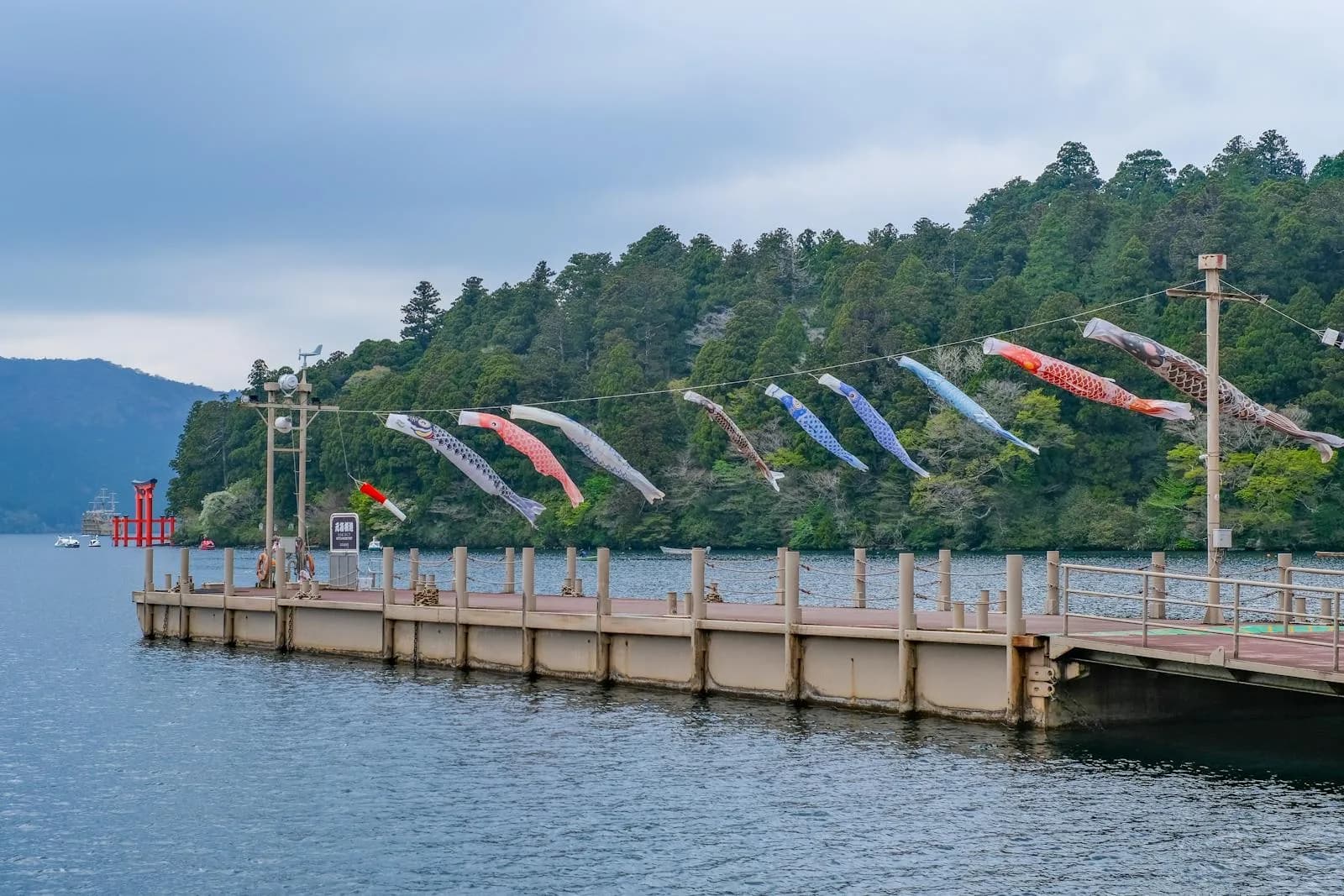
Tango no Sekku and Celebratory Sushi: The Culinary Traditions of Japan's Children's Day
Discover how Japan's Children's Day on May 5th is celebrated with auspicious fish and sushi traditions that symbolize strength, success, and prosperity for children.
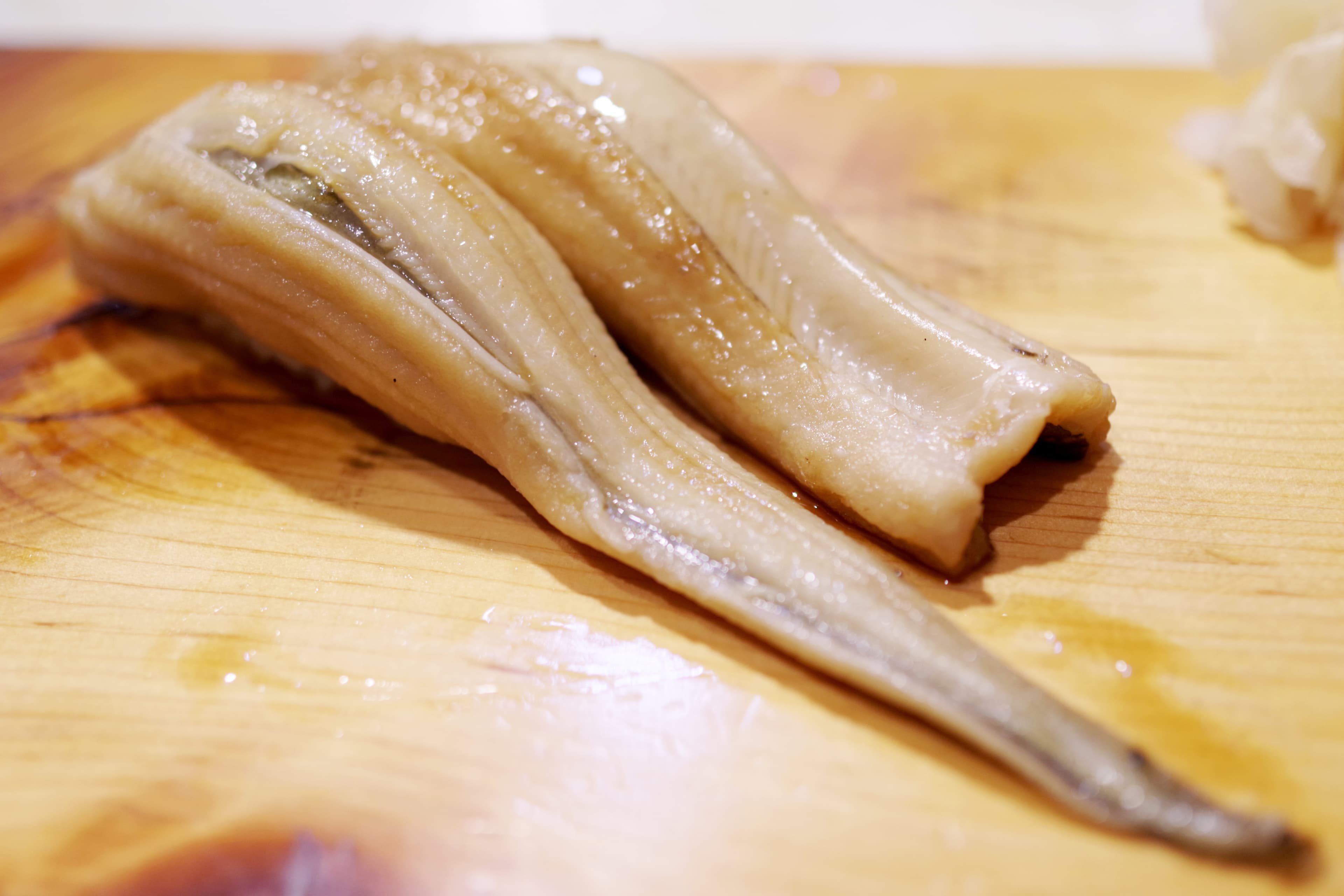
The Art of Anago: Why Tokyo Bay's Elegant Eel Is the True Taste of Edomae Sushi
Discover anago, the delicate saltwater eel that defines authentic Edomae sushi. Learn why this May-to-summer delicacy from Tokyo Bay showcases the pinnacle of sushi craftsmanship.
Shari: The Hidden Soul of Sushi That Most Visitors Never Learn About
While tourists obsess over fish quality, Tokyo's master sushi chefs guard a different secret: the vinegared rice called shari is what truly makes or breaks exceptional sushi.