The Art of Matcha: A First-Timer's Guide to Japan's Iconic Green Tea
There's something almost magical about the first time you taste real matcha in Japan. Not the sweetened latte version you might find at a coffee chain back home, but the genuine article—vibrant, vegetal, with a subtle sweetness that lingers on your palate. If you're planning a trip to Tokyo and curious about this iconic green tea, Asakusa is the perfect place to begin your matcha journey.
Popular in Tokyo right now — our most recommended experience
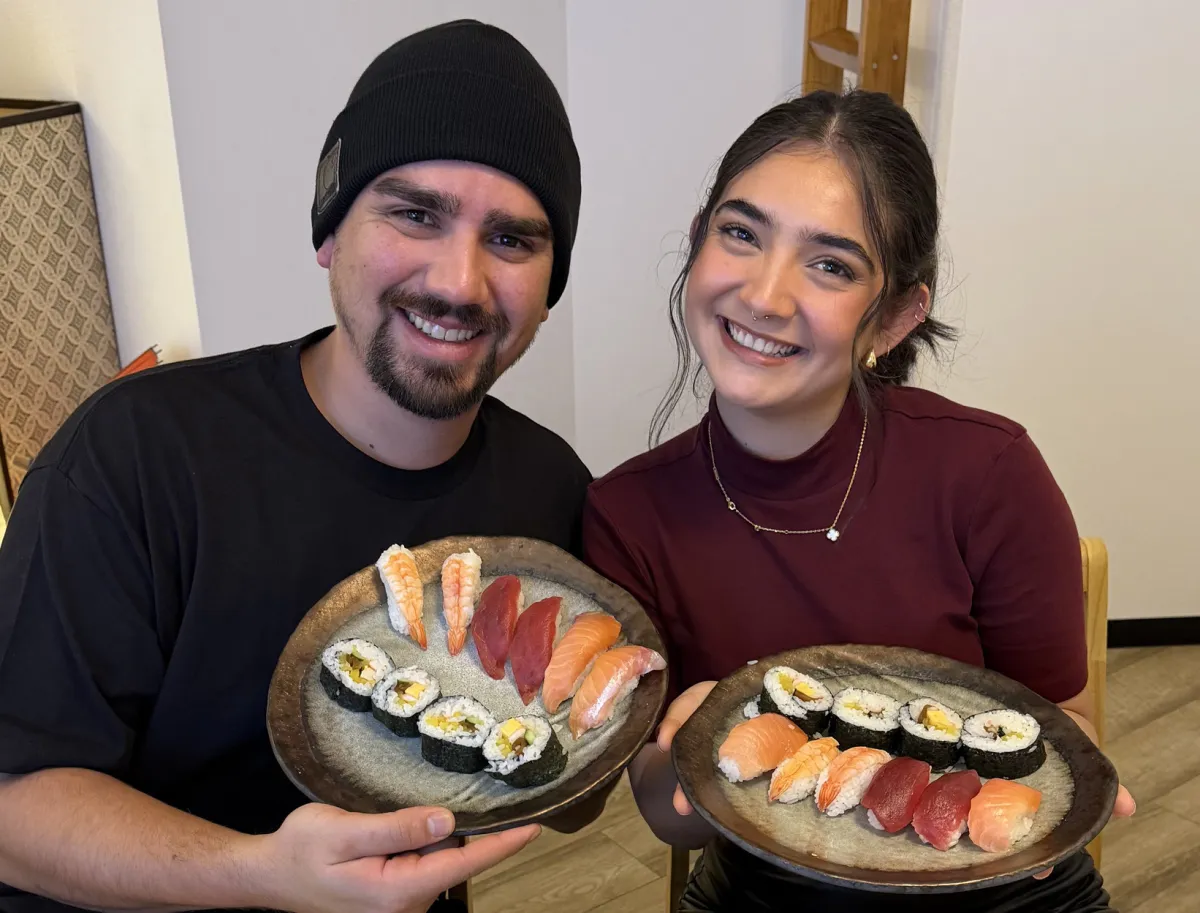
Tokyo Sushi Making Class : Sake Ceremony & Matcha Experience in Asakusa
What Exactly Is Matcha?
Unlike regular green tea, where leaves are steeped and discarded, matcha involves consuming the entire tea leaf in powdered form. The tea plants are shade-grown for several weeks before harvest, a technique that boosts chlorophyll production and gives matcha its distinctive emerald color. The leaves are then stone-ground into a fine powder that dissolves completely in water.
This means you're drinking the whole leaf—and getting significantly more of its beneficial compounds than you would from steeped tea. It's a small distinction that makes a profound difference in both flavor and nutrition.
A Brief History: From Chinese Monks to Japanese Masters
Matcha's story begins in 12th-century China, where Buddhist monks discovered that drinking powdered tea helped them maintain alertness during long meditation sessions. The practice was brought to Japan by the Zen monk Eisai, who planted tea seeds and wrote Kissa Yojoki (The Book of Tea), documenting both cultivation techniques and the tea's remarkable health benefits.
Over the centuries, Japanese artisans refined the production process, developing shade cultivation methods and perfecting the stone-milling technique. What emerged was distinctly Japanese—a tea deeply intertwined with Zen philosophy, aesthetics, and the pursuit of mindfulness.
The Health Benefits: More Than Just a Trend
Modern science has confirmed what Japanese tea masters intuited centuries ago. Matcha is exceptionally rich in catechins, particularly EGCG (epigallocatechin gallate), a powerful antioxidant linked to numerous health benefits:
- Enhanced focus and calm alertness: The combination of caffeine and L-theanine produces a balanced, sustained energy without the jitters associated with coffee
- Boosted metabolism: Studies suggest matcha can help increase fat oxidation during exercise
- Cardiovascular support: Regular consumption has been associated with improved heart health markers
- Cognitive function: Research indicates potential benefits for memory and concentration
The key difference from supplements? In matcha, these compounds work synergistically, the way nature intended.
Understanding Matcha Grades
Not all matcha is created equal. Here's what you need to know:
Ceremonial Grade: The highest quality, made from the youngest, most tender leaves. This is what you'll experience in traditional tea ceremonies—smooth, naturally sweet, with complex umami notes. It's meant to be enjoyed on its own, whisked with hot water.
Premium Grade: Excellent for daily drinking, with a slightly stronger flavor profile that still works beautifully as straight matcha.
Culinary Grade: Designed for cooking and baking, with a more robust, astringent taste that stands up to other ingredients in lattes, desserts, and savory dishes.
When you're experiencing matcha for the first time, aim for ceremonial or premium grade. The difference is immediately apparent.
How to Drink Matcha the Traditional Way
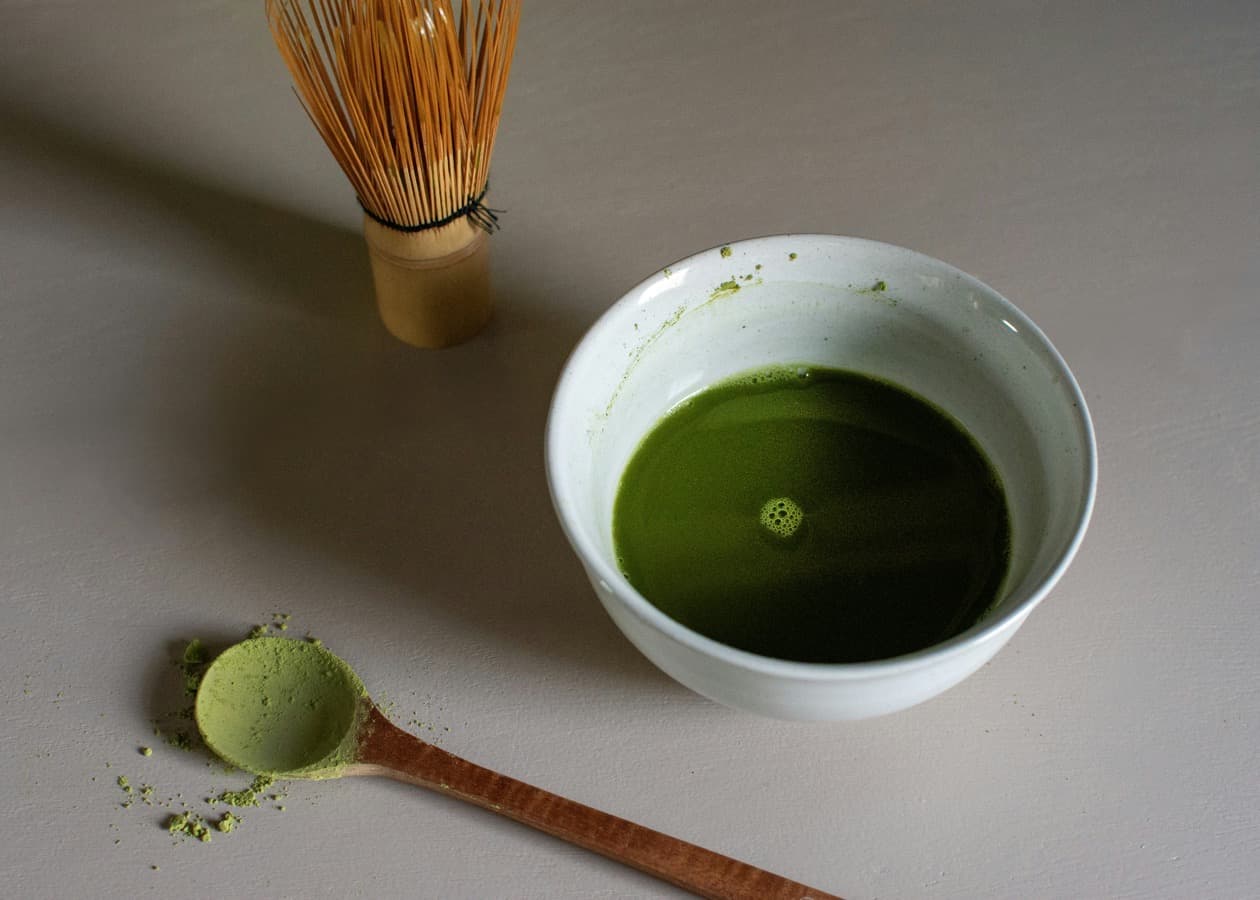
The Japanese tea ceremony (sadō or chadō, meaning "the way of tea") transforms the simple act of making tea into a meditative practice. While a full ceremony can take hours, you can experience the essence of this tradition in just a few minutes.
The essentials:
- A chawan (tea bowl)—wide and shallow, not a typical mug
- A chasen (bamboo whisk)—its delicate tines create the perfect frothy consistency
- A chashaku (bamboo scoop)—for measuring the powder
- High-quality matcha powder
- Hot water at approximately 80°C (176°F)—not boiling, which would scorch the tea
The process:
- Sift 1-2 grams of matcha into your bowl to remove clumps
- Add a small amount of hot water
- Whisk vigorously in a "W" or zigzag pattern until frothy
- Drink within a few minutes—matcha settles quickly
The traditional way is to drink it in three sips, turning the bowl slightly between each to appreciate its craftsmanship.
Experiencing Matcha in Asakusa
Asakusa offers the ideal setting for your first matcha experience. This historic district, home to the magnificent Sensō-ji Temple, preserves an atmosphere of old Tokyo that makes the experience feel authentic and special.
Beyond simply tasting matcha, consider participating in a hands-on experience where you learn to prepare it yourself. Understanding the technique—the gentle wrist motion, the proper temperature, the significance of each implement—deepens your appreciation immeasurably.
At Sushi & Matcha, we combine matcha preparation with our sushi-making classes, allowing you to experience two pillars of Japanese culinary culture in one session. It's particularly meaningful because sushi and matcha share philosophical roots: both emphasize quality ingredients, precise technique, and mindful appreciation.
Pairing Matcha with Japanese Sweets
Traditional wagashi (Japanese sweets) were specifically developed to complement matcha's flavor profile. The tea's subtle bitterness is beautifully balanced by the gentle sweetness of:
- Mochi: Soft rice cakes, often filled with sweet bean paste
- Yokan: Firm jelly made from red bean paste and agar
- Nerikiri: Delicate sculpted sweets made from white bean paste
- Dorayaki: Honey-flavored pancakes filled with sweet azuki beans
When visiting Asakusa, explore Nakamise-dori street for traditional sweet shops that have been perfecting these confections for generations.
Taking Matcha Home
If you fall in love with matcha during your visit (and you likely will), you'll want to bring some home. Look for:
- Uji matcha: From Kyoto, considered by many to be the finest
- Nishio matcha: From Aichi Prefecture, another premium origin
- Tins or bags that are properly sealed and opaque (matcha degrades with light and air exposure)
- A purchase date—freshness matters
You can find quality matcha at department store food halls, specialty tea shops, or as part of your experience at establishments like Sushi & Matcha, where we can guide you toward options suited to your taste preferences.
The Deeper Meaning
Perhaps what makes matcha special isn't just the flavor or the health benefits—it's what the practice represents. In our fast-paced world, taking a few minutes to prepare and savor a bowl of matcha is a small act of rebellion against constant hustle. It's a moment of presence, of appreciation for craftsmanship, of connection to a tradition that spans centuries.
When you visit Asakusa and experience your first bowl of authentic matcha, you're participating in something that Japanese tea masters have been refining for over 800 years. That's worth slowing down for.
Ready to begin your matcha journey? Book a combined sushi and matcha experience in the heart of Asakusa. Our small-group classes offer hands-on instruction in both traditions, perfect for first-time visitors to Japan.
Related Articles
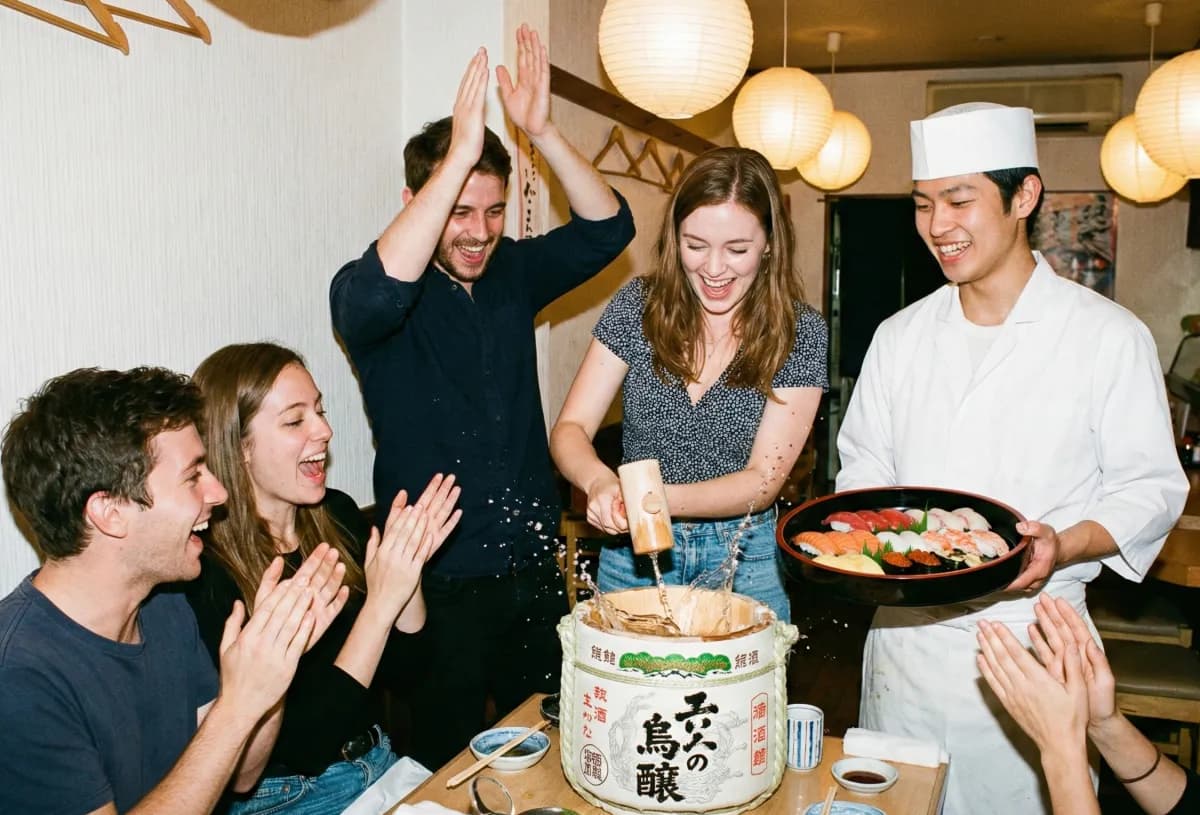
Sushi Etiquette Decoded: The Unwritten Rules Every First-Timer Should Know
Discover the authentic way to enjoy sushi in Japan—from hands vs. chopsticks to the proper use of soy sauce and wasabi. Master these unwritten rules before your Asakusa visit.

First-Timer's Guide to Japanese Cooking Classes in Tokyo: Why Asakusa Should Be Your Starting Point
Planning your first sushi class in Tokyo? From rolling perfect maki to whisking ceremonial matcha, here's everything you need to know about choosing the right Japanese cooking class—and why Asakusa offers the most authentic experience.
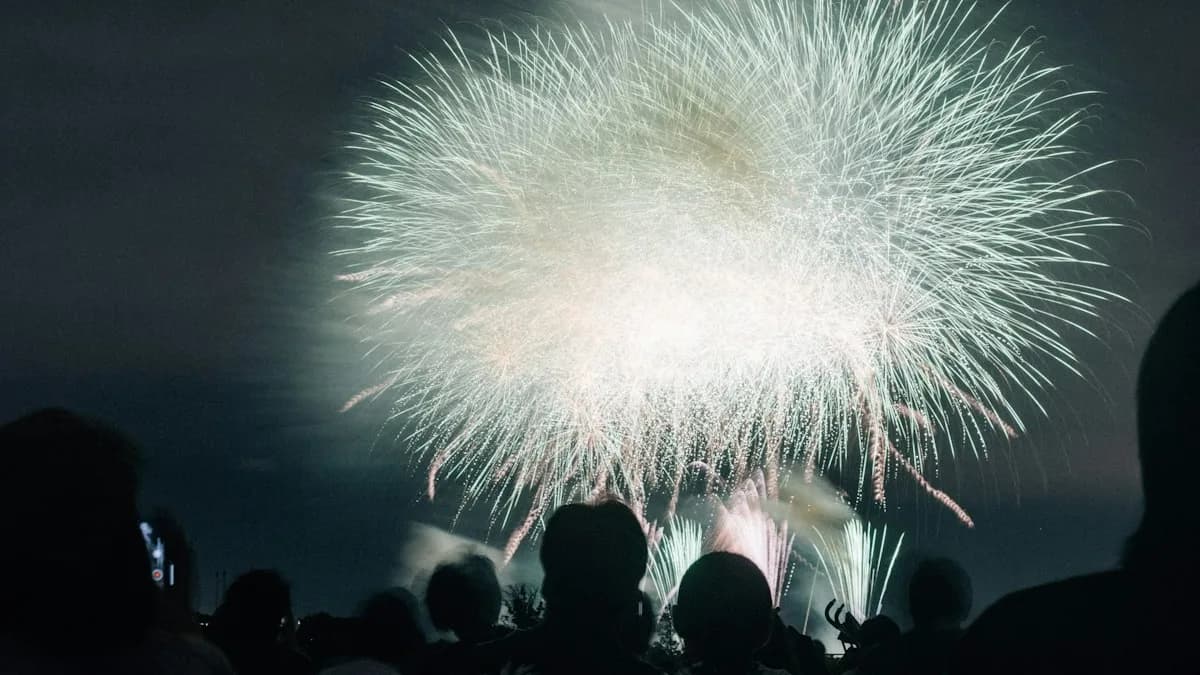
Tokyo Events Guide: July 19-26, 2026 — Fireworks Over the Sumida, Awa Odori in Kagurazaka & Summer Matsuri
The highlight of Tokyo's summer arrives with the Sumida River Fireworks Festival illuminating 20,000 bursts over Asakusa. Meanwhile, Kagurazaka transforms into a corridor of hozuki lanterns and Awa Odori dancers.