
Ohigan and the Art of Seasonal Eating: How Japan's Spring Equinox Shapes Culinary Traditions
What Is Ohigan? Japan's Hidden Gem of Seasonal Traditions
While cherry blossoms and hanami parties dominate the spotlight of Japanese spring, a quieter, more profound tradition unfolds each March: Ohigan (お彼岸). This seven-day period, centered around the spring equinox (March 20th in 2026), represents one of Japan's most meaningful intersections of Buddhist philosophy, ancestral reverence, and seasonal cuisine.
The word "higan" (彼岸) literally means "the other shore" — a Buddhist metaphor for enlightenment and the realm of the departed. During Ohigan, when day and night reach perfect balance, the Japanese believe the boundary between our world (shigan - this shore) and the afterlife grows thin. It's a time for visiting family graves, expressing gratitude to ancestors, and — as with all things Japanese — enjoying seasonal foods that carry deep symbolic meaning.
Popular in Tokyo right now — our most recommended experience

Tokyo Sushi Making Class : Sake Ceremony & Matcha Experience in Asakusa
The Food of Ohigan: More Than Just Sweets
Botamochi: Spring's Sweet Ambassador
The quintessential Ohigan treat is botamochi (牡丹餅), a sweet rice ball coated in azuki bean paste. Named after the peony (botan) flowers that bloom in spring, botamochi is the same confection as the autumn equivalent, ohagi, but takes its spring name from the season's iconic flower.
Why azuki beans? In Japanese folk belief, the red color of azuki is said to ward off evil spirits and purify the soul. By offering botamochi to ancestors and then sharing it with family, you're participating in a tradition that stretches back centuries — one that connects the sweetness of life with remembrance of those who came before.
Pro tip: While visiting Asakusa during Ohigan, stop by traditional wagashi shops near Nakamise-dori. Many prepare special seasonal botamochi using premium azuki from Hokkaido, and the pairing with quality matcha creates a moment of perfect seasonal harmony.
Sakura-Dai: The Celebration Fish of Spring
March also marks the arrival of sakura-dai (桜鯛) — literally "cherry blossom sea bream." These madai (真鯛) are preparing for spawning season, which means they're at their fattest and most flavorful. The name comes not just from the timing, but from the fish's flesh, which takes on a delicate pink hue reminiscent of cherry blossoms.
In Japanese cuisine, tai (sea bream) has always been associated with celebrations — the word sounds like "medetai" (めでたい), meaning auspicious or congratulatory. During Ohigan, when families gather to honor ancestors, serving sakura-dai connects the joy of the living with gratitude for the departed.
For those wanting to experience this seasonal delicacy hands-on, sushi-making classes during March often feature sakura-dai as a highlight ingredient, teaching the precise knife techniques needed to showcase this celebratory fish.
Ohigan in Asakusa: Where Tradition Lives
Asakusa holds a special place in Tokyo's Ohigan observances. Senso-ji Temple, while primarily associated with Kannon worship, becomes a focal point for seasonal Buddhist activities. The temple grounds take on a contemplative atmosphere as visitors offer incense, pray for ancestors, and purchase seasonal amulets.
The Asakusa Ohigan Experience
-
Morning Temple Visit: Begin at Senso-ji as the morning crowds gather. The incense smoke from the great cauldron (jokoro) is believed to have healing properties — wave it over yourself for purification.
-
Nakamise Seasonal Shopping: The traditional shopping street transforms during Ohigan, with vendors offering seasonal wagashi, fresh botamochi, and spring-themed goods.
-
Quiet Contemplation: Unlike the festival atmosphere of other Asakusa events, Ohigan invites slower exploration. The side streets and smaller temples offer peaceful spots for reflection.
-
Culinary Experience: Complete your Ohigan journey with a hands-on sushi class in Asakusa that incorporates seasonal ingredients and teaches the philosophy of shun (旬) — eating in harmony with nature's calendar.
The Philosophy of Shun: Why Seasonal Eating Matters
Ohigan reminds us that Japanese cuisine isn't just about technique — it's about timing. The concept of shun represents ingredients at their peak of flavor and nutritional value, but it goes deeper than taste. Eating seasonally connects you to:
- Natural rhythms: Your body aligns with the changing seasons
- Local ecosystems: Supporting sustainable fishing and farming practices
- Cultural continuity: Participating in traditions that have nourished generations
- Mindful appreciation: Recognizing that each ingredient has its moment
When you taste sakura-dai in March, you're not just eating fish — you're experiencing the same flavors your great-grandparents savored, connecting to a culinary lineage that predates refrigeration and global supply chains.
Bringing Ohigan Home: Simple Practices
You don't need to be Buddhist to appreciate Ohigan's message. Here are ways to embrace the spirit of the spring equinox:
Create a seasonal table: Place spring flowers (real or simple ikebana-style arrangements) at your dining area. In Japan, even small gestures of seasonal awareness transform ordinary meals into mindful experiences.
Prepare or purchase botamochi: Making these rice sweets from scratch is surprisingly accessible. Even store-bought versions, enjoyed with proper matcha preparation techniques, honor the tradition.
Practice gratitude: Ohigan's core message is remembering those who shaped us. Take a moment during meals to acknowledge the farmers, fishers, and cooks whose efforts brought food to your table — a chain of care stretching back through time.
Experience the Season in Asakusa
The spring equinox offers a unique window into Japanese culture — one that tourists often miss in favor of more photogenic events. But for those who seek authentic connection with Japan's spiritual and culinary heritage, Ohigan provides exactly that.
At Sushi & Matcha, we embrace shun in every class. Our March sessions feature the season's finest ingredients, from sakura-dai to the first spring vegetables, all prepared with techniques that honor both tradition and the moment. Whether you're visiting during Ohigan week or planning a future trip, understanding these seasonal rhythms transforms how you experience Japanese food — from consumption to communion.
The other shore isn't so far away. Sometimes, it's as close as the perfect bite of seasonal sushi, enjoyed with gratitude for all who came before.
Interested in exploring seasonal Japanese cuisine firsthand? Book a class during your Asakusa visit and discover how the philosophy of shun shapes every aspect of Japanese cooking.
Related Articles
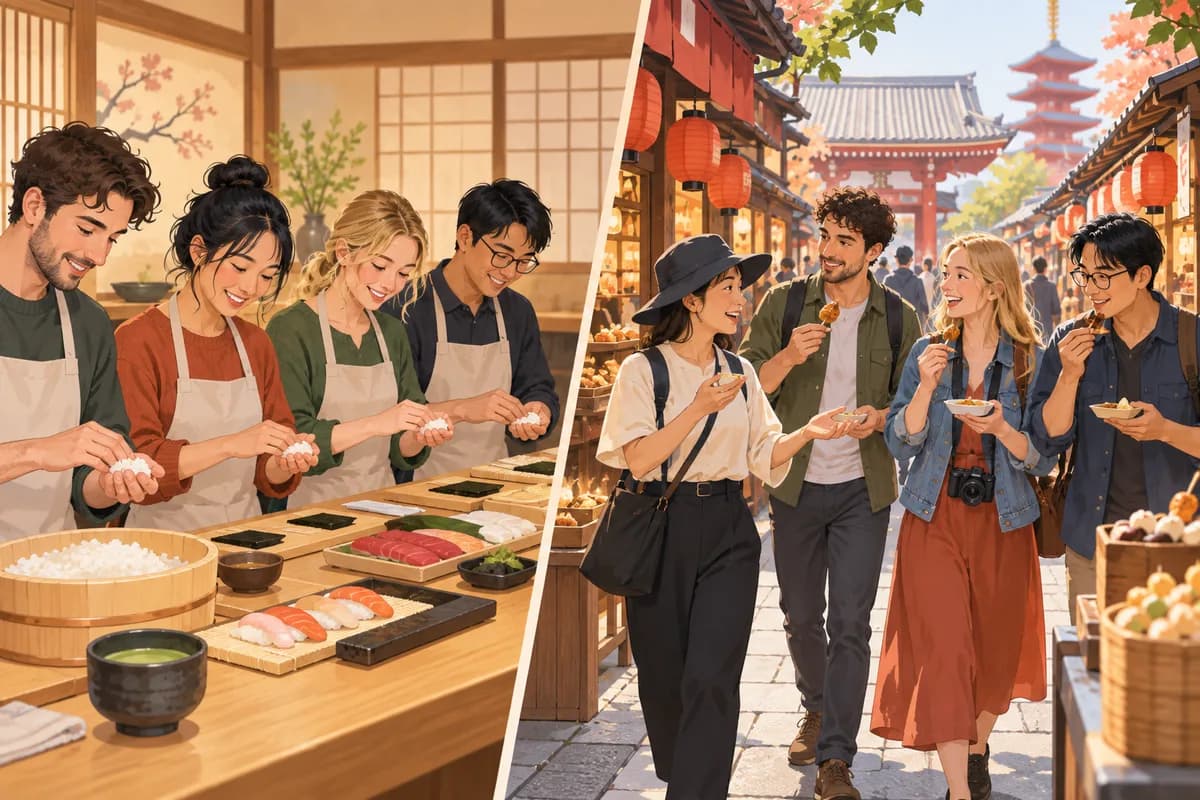
Sushi Class or Food Tour in Tokyo?
Choosing between a sushi class and a food tour in Tokyo? Compare what you want to do, how the time is used and who you travel with before booking.
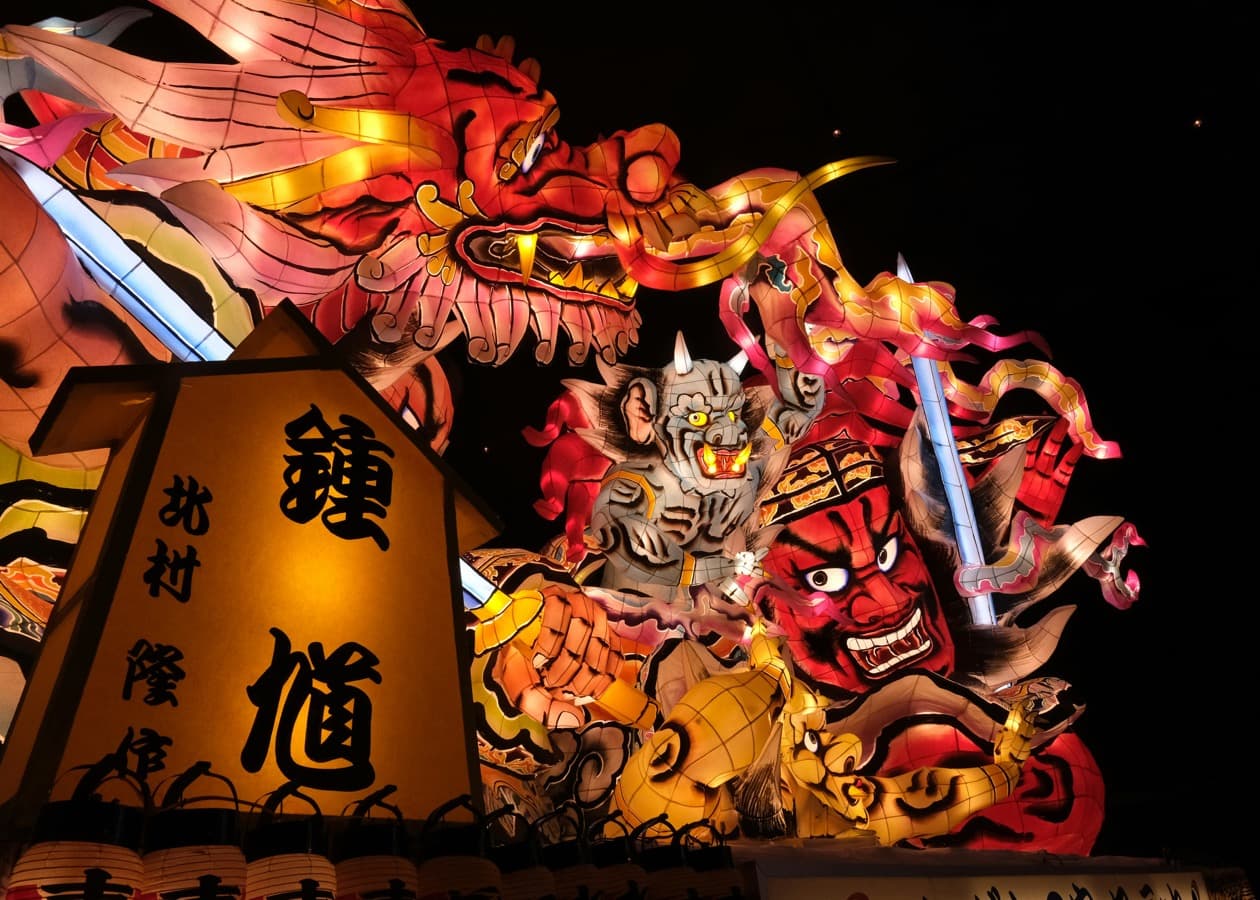
Sanja Matsuri: Tokyo's Greatest Festival and the Ultimate Guide to Asakusa Street Food
Experience the wildest festival in Tokyo this May 15-17. Discover the history, mikoshi processions, and incredible street food that make Sanja Matsuri an unmissable celebration in Asakusa.
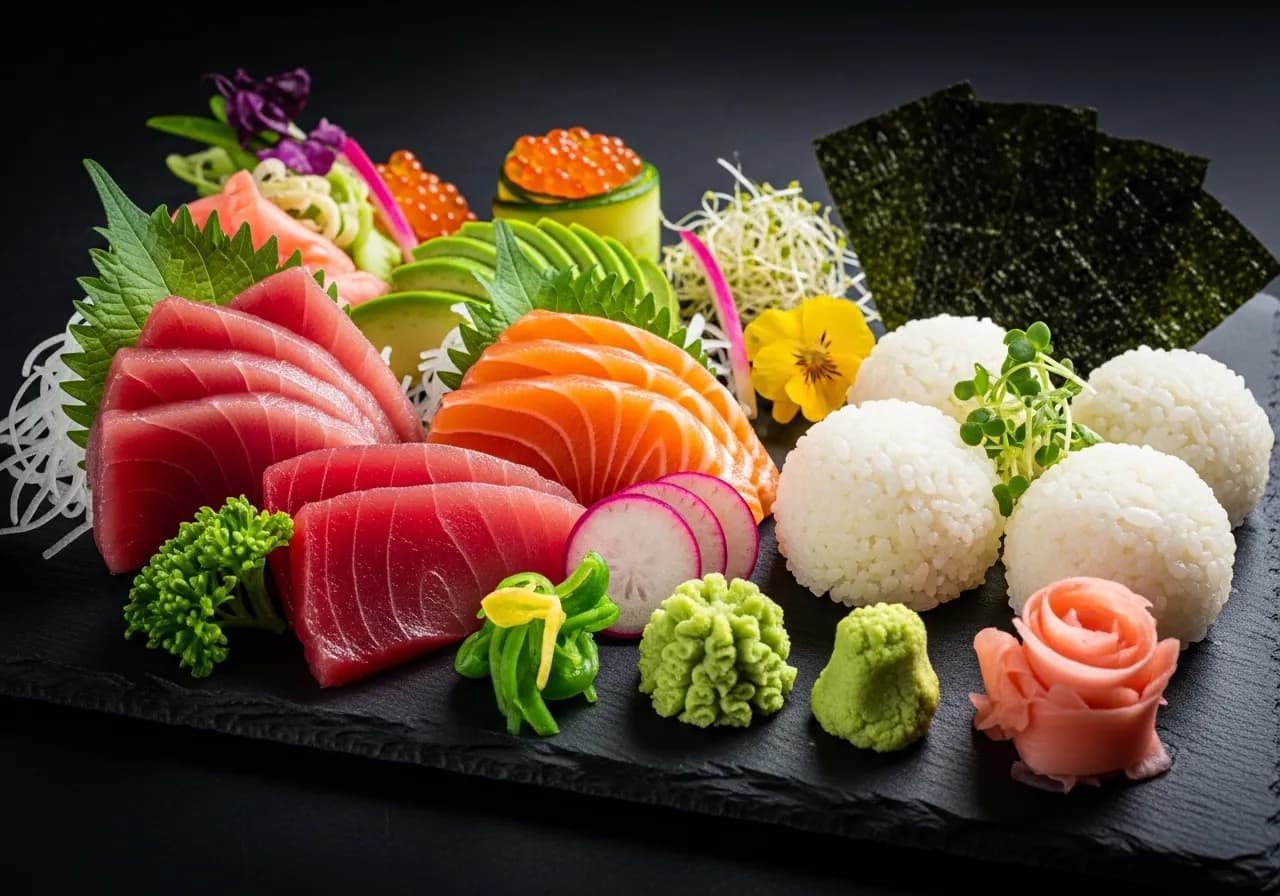
Hatsu-Gatsuo: Why May Is the Month to Experience Japan's Most Celebrated Seasonal Fish
Discover hatsu-gatsuo, the first bonito of the season that Edo-era Tokyoites would 'pawn their wives' to taste. Learn why May is the perfect month to experience this iconic seasonal delicacy in Asakusa.