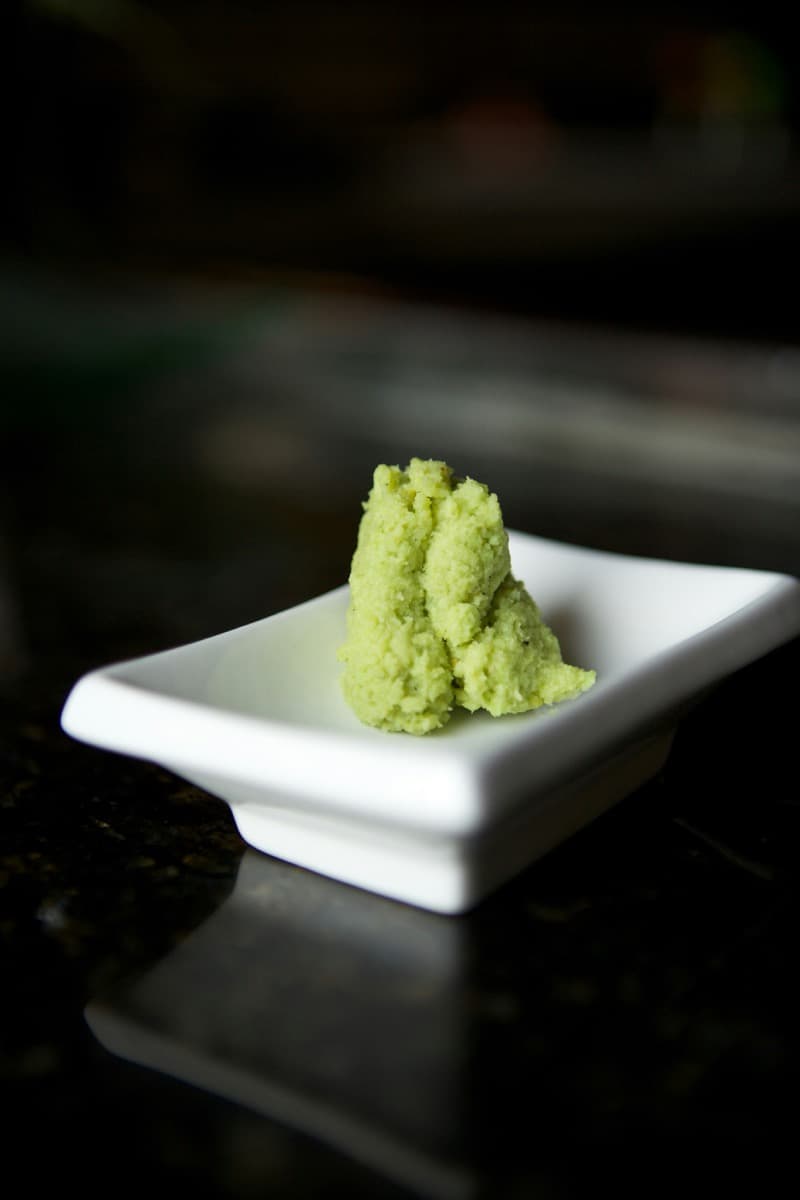
Real Wasabi: The Truth Behind Japan's Most Misunderstood Condiment
If you've eaten sushi outside of Japan—or even at many restaurants within Japan—there's a 95% chance you've never tasted real wasabi. That bright green paste sitting next to your soy sauce? It's almost certainly a clever imitation made from horseradish, mustard, and food coloring.
Real wasabi, known as hon-wasabi (本わさび), is one of the world's most elusive culinary treasures. And once you experience its complex, nuanced flavor, you'll understand why Japanese chefs have prized it for over a thousand years.
Popular in Tokyo right now — our most recommended experience
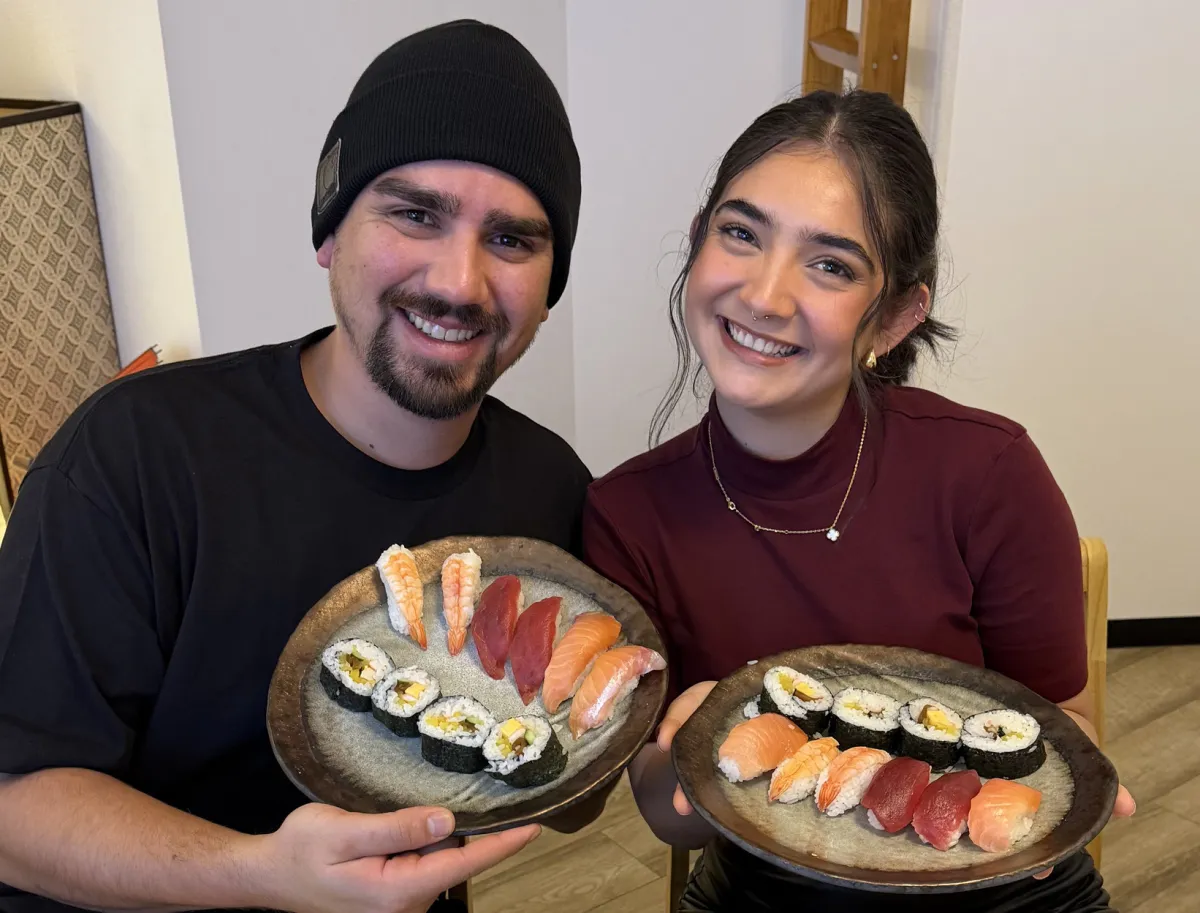
Tokyo Sushi Making Class : Sake Ceremony & Matcha Experience in Asakusa
A Plant That Defies Cultivation
Wasabia japonica is notoriously difficult to grow. Native to the misty mountain streams of Japan, it requires a perfect confluence of conditions: crystal-clear water between 10-17°C, consistent shade, and pristine air quality. The plant takes 18-24 months to mature, and even slight environmental changes can devastate an entire crop.
This difficulty explains wasabi's premium price—fresh rhizomes can cost $75-150 per pound, making it one of the world's most expensive vegetables. The traditional cultivation regions of Shizuoka, Nagano, and Okutama have passed down farming techniques for over 400 years, creating stepped stone fields that channel pure mountain spring water.
From Mountain Medicine to Sushi Essential
Wasabi's history stretches back to the 8th century, when it was first documented in the Honzo Wamyo, Japan's oldest medicinal plant dictionary. Mountain communities used it for its antibacterial properties—a practical benefit that later proved perfect for raw fish.
The revolutionary pairing of wasabi and sushi emerged during the Bunka-Bunsei era (1804-1830) in Edo (modern Tokyo). Street vendors discovered that spreading wasabi between rice and fish not only enhanced flavor but helped preserve freshness. This innovation sparked a sushi boom that transformed Japanese cuisine forever.
Real vs. Fake: The Flavor Gap
The difference between authentic wasabi and its imitators isn't subtle—it's a completely different sensory experience.
Fake wasabi (typically labeled as "wasabi" but made from horseradish) delivers a sharp, one-dimensional heat that shoots straight to your sinuses. It's aggressive, almost painful, and leaves a lingering chemical aftertaste.
Real wasabi unfolds gradually. The initial warmth is gentle, followed by subtle sweetness and complex vegetal notes reminiscent of fresh herbs. The heat dissipates quickly, leaving a clean, refreshing finish that complements rather than overwhelms the fish. There's no sinus-clearing burn—just layered sophistication.
The Art of Preparing Fresh Wasabi
In high-end sushi restaurants, preparing wasabi is a ritual. The chef selects a fresh rhizome, trims away any blemishes, and grates it in small circular motions against a sharkskin grater (oroshigane). This traditional tool creates the finest texture, rupturing cell walls to release maximum flavor compounds.
Timing matters enormously. Fresh-grated wasabi reaches peak flavor within 15 minutes and loses most of its complexity within 30. This is why omakase chefs grate wasabi for each piece of sushi individually—they're chasing that fleeting moment of perfection.
Experience Real Wasabi in Asakusa
For visitors to Tokyo, tasting authentic wasabi isn't just about flavor—it's about understanding a fundamental element of Japanese culinary philosophy. At Sushi & Matcha, we incorporate real wasabi into our hands-on sushi making experience, teaching participants how to identify, prepare, and appreciate this remarkable ingredient.
Our cooking classes take place in Asakusa, Tokyo's historic heart, where the tradition of Edomae sushi was born. Learning to make sushi here, with authentic ingredients, connects you to centuries of culinary heritage.
Beyond wasabi, Japanese cuisine celebrates shun—eating ingredients at their seasonal peak. If you're visiting in spring, our instructors can guide you through the seasonal specialties that make Tokyo's food scene extraordinary. Book your experience and discover the flavors that transform a good meal into an unforgettable one.
Bringing the Experience Home
While fresh wasabi remains challenging to source outside Japan, the knowledge of what real wasabi tastes like changes how you approach sushi forever. You'll start asking restaurants about their wasabi source. You'll notice the difference immediately. And you'll understand why Japanese chefs treat this humble root with such reverence.
Real wasabi isn't just a condiment—it's a window into Japanese culture's relationship with nature, seasonality, and the pursuit of perfection in simplicity.
Planning a trip to Tokyo? Join us for a sushi making class in Asakusa and experience authentic Japanese ingredients firsthand.
Related Articles
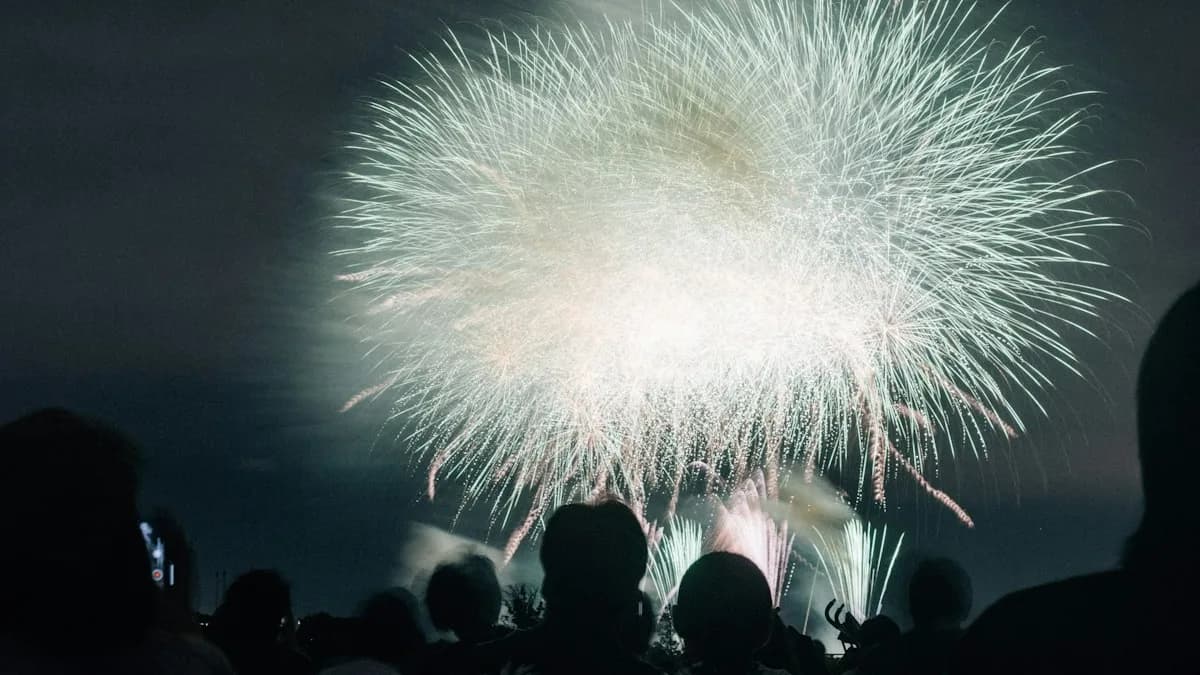
Tokyo Events Guide: July 19-26, 2026 — Fireworks Over the Sumida, Awa Odori in Kagurazaka & Summer Matsuri
The highlight of Tokyo's summer arrives with the Sumida River Fireworks Festival illuminating 20,000 bursts over Asakusa. Meanwhile, Kagurazaka transforms into a corridor of hozuki lanterns and Awa Odori dancers.
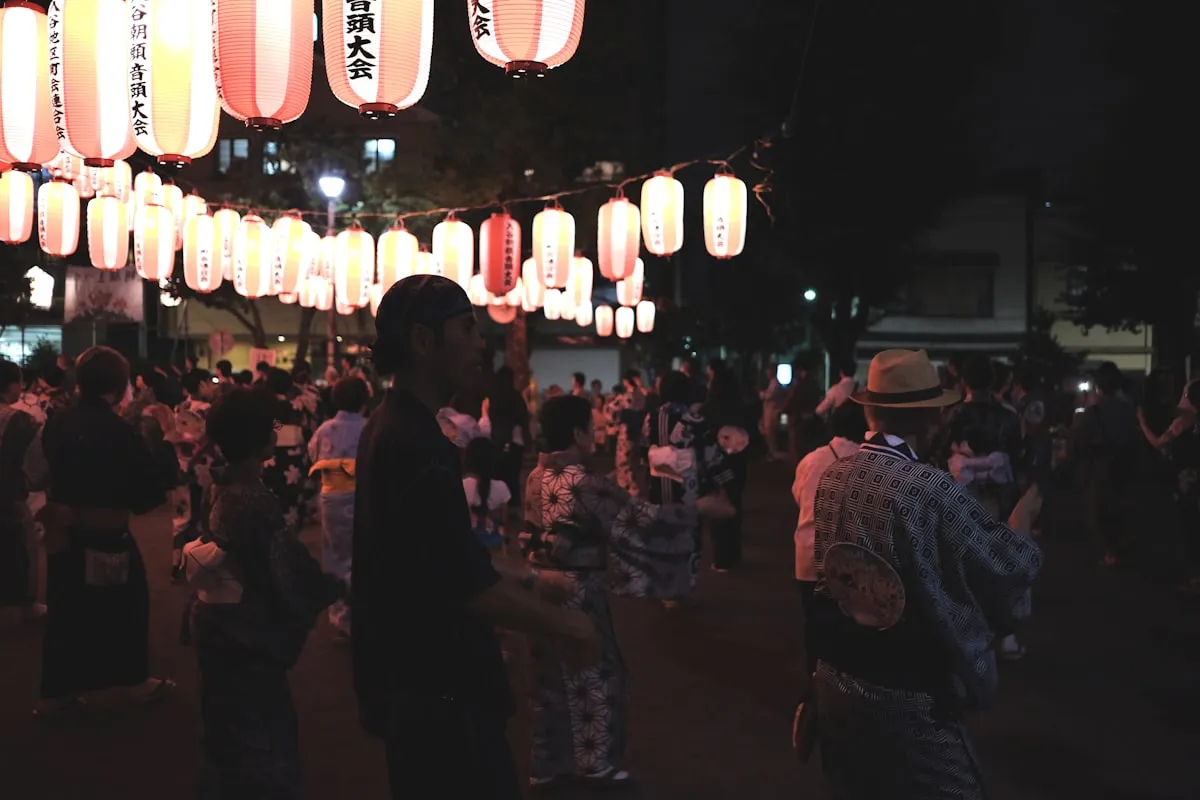
Tokyo Events Guide: July 12-19, 2026 — Summer Festivals, Sacred Treasures & Sake Under the Stars
Experience Tokyo's vibrant mid-July with Ueno's legendary summer festival, a once-in-a-lifetime Kukai exhibition at the National Museum, Thai food festivities, and 16 regional sake breweries gathering in Okachimachi.
Tokyo Events Guide: June 17-24, 2026 — Hydrangeas, Temple Festivals & Summer Harvest Markets
Discover this week's must-see events in Tokyo, from the enchanting Hydrangea Festival at Chokokuji Temple near Asakusa to summer harvest markets and rooftop beer gardens.