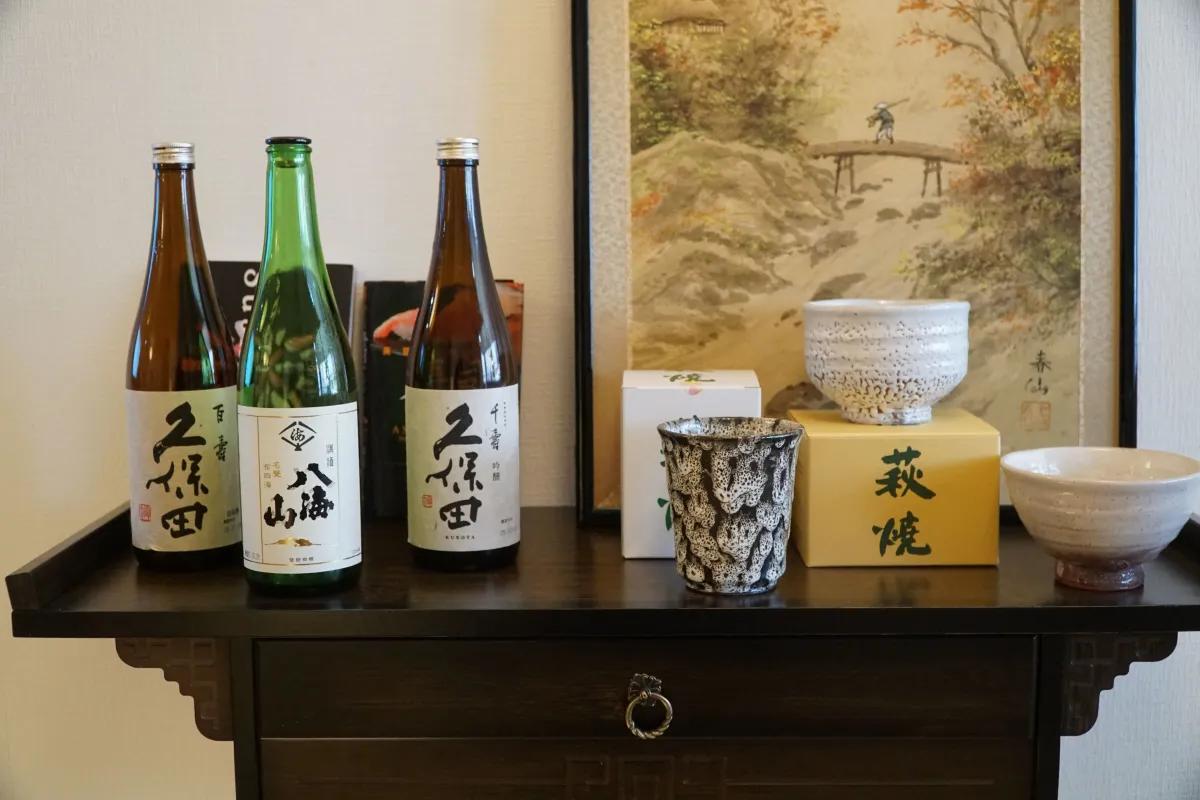
Sake and Sushi: A Beginner's Guide to the Art of Perfect Pairing
Sake and Sushi: A Beginner's Guide to the Art of Perfect Pairing
When you sit down at a sushi counter in Tokyo, you'll notice something beautiful happening at the tables around you. Guests lift small ceramic cups, take thoughtful sips between bites of glistening fish, and occasionally close their eyes in quiet appreciation. They're not just eating sushi—they're experiencing one of Japan's most refined culinary harmonies: the pairing of sake and sushi.
For many first-time visitors to Japan, sake remains mysterious. The bottles are covered in kanji characters, the terminology feels overwhelming, and the fear of ordering "wrong" keeps many tourists reaching for the safe familiarity of beer. But here's the truth: understanding sake basics is simpler than you think, and the rewards are extraordinary.
Popular in Tokyo right now — our most recommended experience
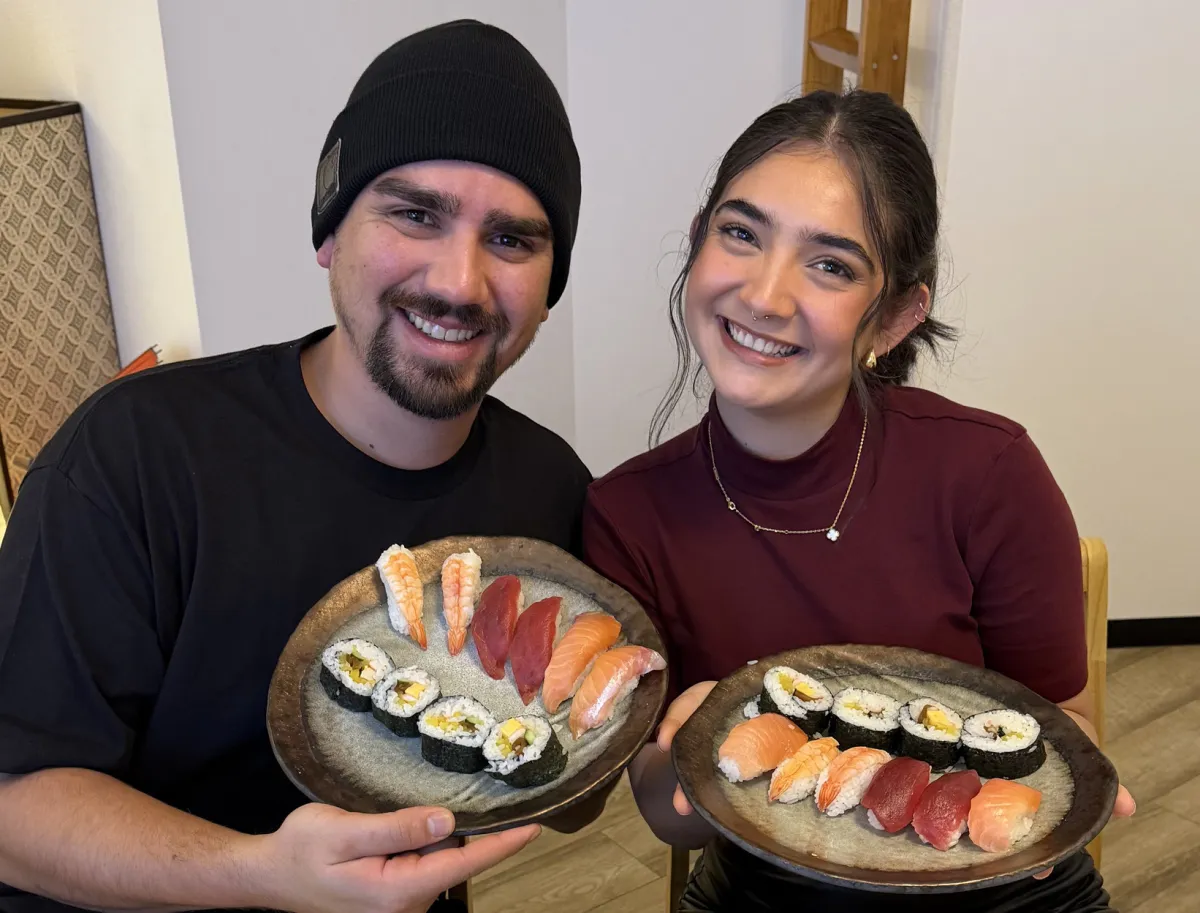
Tokyo Sushi Making Class : Sake Ceremony & Matcha Experience in Asakusa
Why Sake and Sushi Belong Together
Sake and sushi share the same soul. Both are built on rice—sake literally translates to "rice wine," though it's technically brewed more like beer. Both emerged from the same Edo-period food culture that valued simplicity, seasonality, and respect for ingredients. And both reached their artistic peaks through the obsessive craftsmanship of Japanese artisans.
But the pairing isn't just cultural poetry. There's science behind it. Sake's amino acids complement the umami in raw fish, while its clean finish refreshes the palate between pieces. Unlike wine, sake contains no tannins that might clash with delicate seafood flavors. It's as if these two were designed to be consumed together.
Understanding the Sake Spectrum
Before diving into specific pairings, let's demystify the basic categories:
Junmai (純米)
Pure rice sake with no added alcohol. These tend to be fuller-bodied with rich, earthy flavors. Think of junmai as the "red wine" of sake—substantial and satisfying.
Honjozo (本醸造)
A small amount of distilled alcohol is added, creating a lighter, smoother drink. Excellent for beginners and incredibly versatile with food.
Ginjo (吟醸) and Daiginjo (大吟醸)
These premium grades require rice polished to 60% or less of its original size (50% for daiginjo). The result is ethereal, fruity, and fragrant—sake at its most elegant.
Nigori (濁り)
Unfiltered cloudy sake with a creamy texture. Its sweetness and body make it perfect for specific pairings.
The Essential Sushi-Sake Pairing Guide
Light, White Fish (Hirame, Tai, Suzuki)
Best sake: Cold junmai ginjo or daiginjo
When you're enjoying delicate white fish like flounder (hirame), sea bream (tai), or sea bass (suzuki), you need a sake that won't overpower their subtle sweetness. A chilled ginjo with floral notes will dance alongside these gentle flavors rather than stepping on them. Look for sakes described as "light" or "dry" (karakuchi/辛口).
Rich, Fatty Fish (Salmon, Yellowtail, Mackerel)
Best sake: Junmai at room temperature
The fuller body of junmai sake stands up beautifully to fatty fish. The sake's slight acidity cuts through the richness, while its umami depth matches the fish's intensity. Try asking for your sake at room temperature (jo-on/常温) to bring out these characteristics.
Shellfish and Shrimp (Ebi, Hotate, Uni)
Best sake: Crisp honjozo or light junmai
Sweet shrimp (amaebi) and buttery scallops (hotate) call for clean, refreshing sake that enhances their natural sweetness without adding competing flavors. Even the briny complexity of sea urchin (uni) pairs wonderfully with a well-chilled honjozo.
Tuna and Red Fish (Maguro, Katsuo)
Best sake: Medium-bodied junmai
The meatier flavors of tuna—whether it's the lean akami or the fattier chutoro—need sake with enough presence to match. A room-temperature junmai provides that backbone while still letting the fish shine.
Tamago (Egg) and Anago (Sea Eel)
Best sake: Slightly sweet nigori or aged sake
These sweeter preparations benefit from sake with its own touch of sweetness. A creamy nigori creates a dessert-like harmony, while aged sake (koshu) adds fascinating caramel notes that complement anago's glaze.
Practical Tips for First-Timers
Start with Omakase and Sake Pairing
Many sushi restaurants offer sake pairing courses alongside their omakase (chef's choice) meals. This is the easiest way to learn—the chef selects both the sushi and the appropriate sake, and you simply observe how the flavors interact. It's like having a personal tutor.
Temperature Matters
Unlike wine, sake is enjoyed at various temperatures, and this dramatically affects its flavor profile:
- Reishu (冷酒): Chilled sake, best for delicate ginjo and daiginjo
- Jo-on (常温): Room temperature, ideal for junmai
- Nurukan (ぬる燗): Warm sake, around 40°C, brings out umami
- Atsukan (熱燗): Hot sake, can mask inferior quality but also adds comfort
The Art of Ochoko
Those small cups aren't just tradition—they're practical. Small pours stay at optimal temperature and encourage you to drink slowly, savoring each sip in relation to your food. It's also considered polite to pour for others before yourself.
Experience It in Asakusa
There's no better place to begin your sake and sushi journey than Asakusa, Tokyo's historic entertainment district. The neighborhood retains an old-world charm that makes every meal feel like a step back in time.
At Sushi & Matcha, our cooking classes don't just teach you how to make sushi—we help you understand the entire culture surrounding it. Learning to pair sake with your own handmade sushi adds a dimension to the experience that most tourists never discover. Many of our guests tell us that this combination—creating something with their hands and then understanding how to enjoy it properly—transforms their relationship with Japanese cuisine.
Beyond the Basics: Seasonal Considerations
Japanese culinary culture is deeply tied to seasons, and sake is no exception. Spring sake (haru-sake) tends to be fresh and bright, perfect for the lighter fish of the season. Summer brings nama-sake (unpasteurized), crisp and refreshing. Autumn's hiyaoroshi is mellowed by summer aging, pairing beautifully with fattier fall fish. Winter calls for warming sake alongside hearty preparations.
When visiting Tokyo in any season, ask your server or the sushi chef what sake they recommend for the current time of year. This simple question opens doors to experiences you couldn't plan from a guidebook.
The Ultimate Lesson
The most important thing about sake and sushi pairing isn't memorizing rules—it's developing your own palate. Pay attention to how different combinations make you feel. Does this sake make the fish taste better? Does that sushi highlight notes in the sake you didn't notice before?
The Japanese concept of "washoku"—the harmony of food—isn't about perfection. It's about the interplay between elements, the conversation between flavors. Your sake and sushi journey is personal, and the joy is in the discovery.
As you explore traditional food experiences in Asakusa, remember that every expert was once a beginner who simply stayed curious. Pick up that ceramic cup, take a thoughtful sip, and let Tokyo's centuries of culinary wisdom reveal itself, one pairing at a time.
Ready to deepen your understanding of Japanese food culture? Join us for a hands-on cooking class in the heart of Asakusa, where sake appreciation meets the art of sushi-making.
If you enjoy sushi but do not drink, read our guide to joining the class without drinking sake, including the drink options and the shared setting.
Related Articles
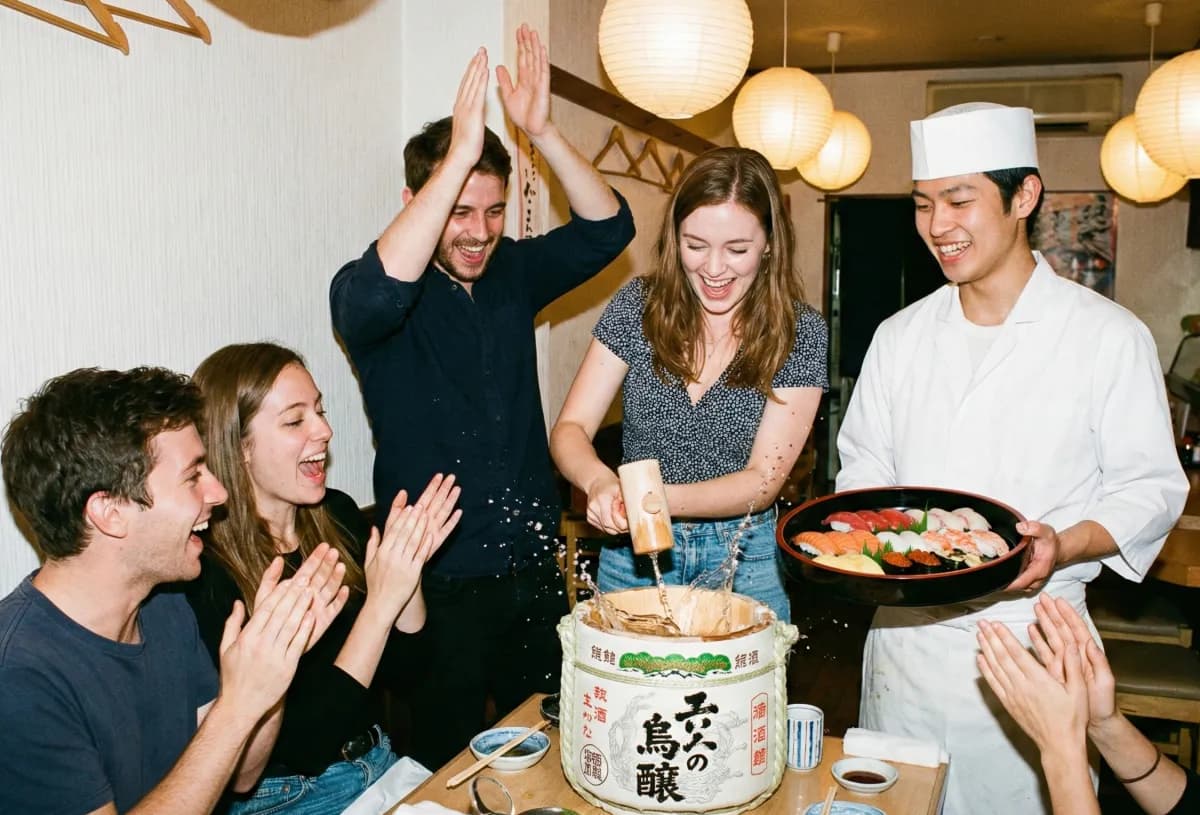
Sushi Etiquette Decoded: The Unwritten Rules Every First-Timer Should Know
Discover the authentic way to enjoy sushi in Japan—from hands vs. chopsticks to the proper use of soy sauce and wasabi. Master these unwritten rules before your Asakusa visit.
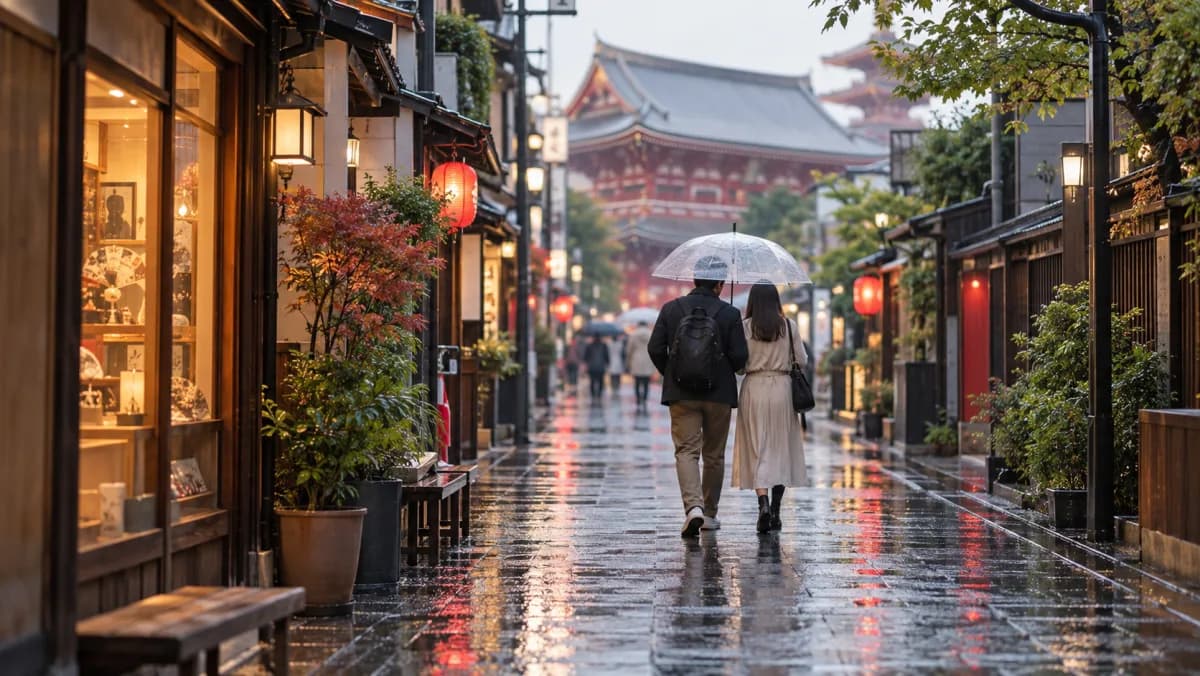
Rainy-Day Asakusa: A Sushi Class Plan
Build an Asakusa rainy-day plan around an indoor sushi and matcha class, with realistic travel time, flexible sightseeing and clear booking conditions.
Sushi Class or Chef Training in Tokyo?
Choose a Tokyo sushi course for your actual goal: a hands-on holiday experience or structured professional study. Know what to check before booking.