Sakura Dai: The Cherry Blossom Sea Bream That Defines Spring Sushi
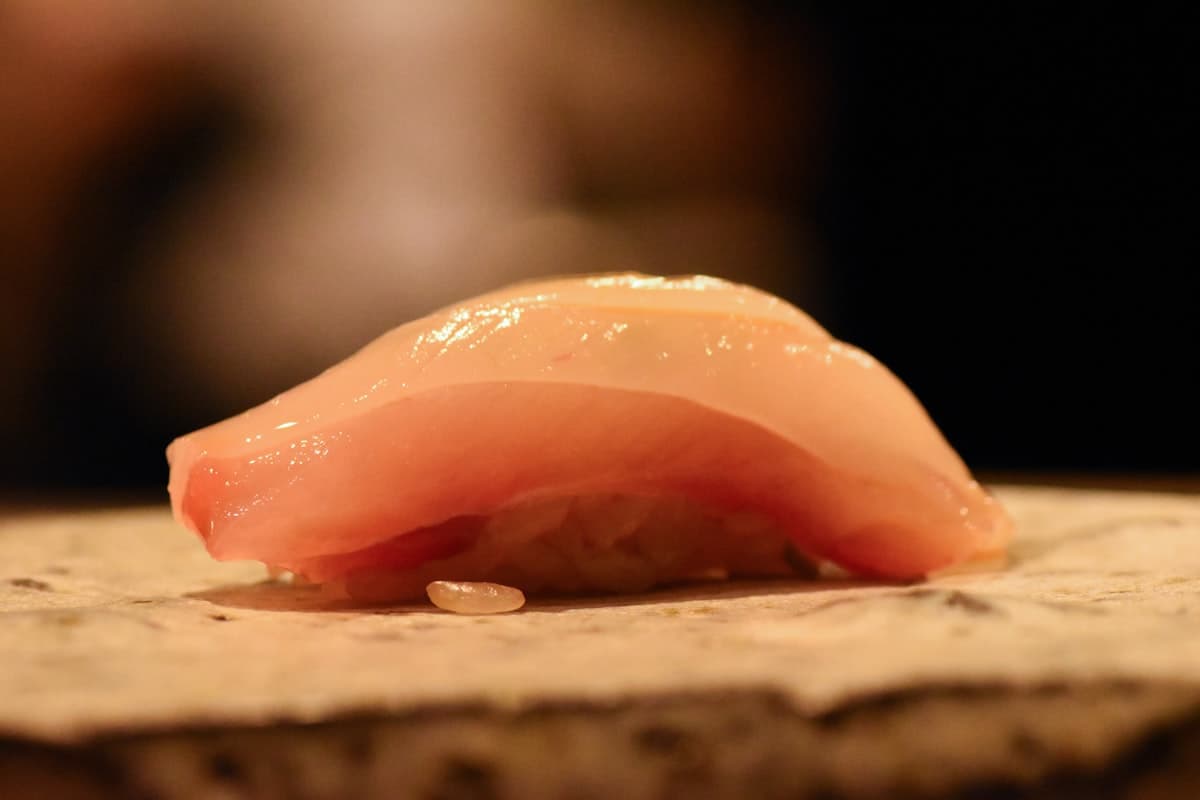
As cherry blossoms paint Tokyo in shades of pink, something equally magical happens beneath the waves. The madai—Japan's revered red sea bream—transforms into sakura dai, a fish so beautiful and flavorful that it has captivated Japanese gourmets for centuries. This is the story of spring's most poetic sushi topping.
Popular in Tokyo right now — our most recommended experience
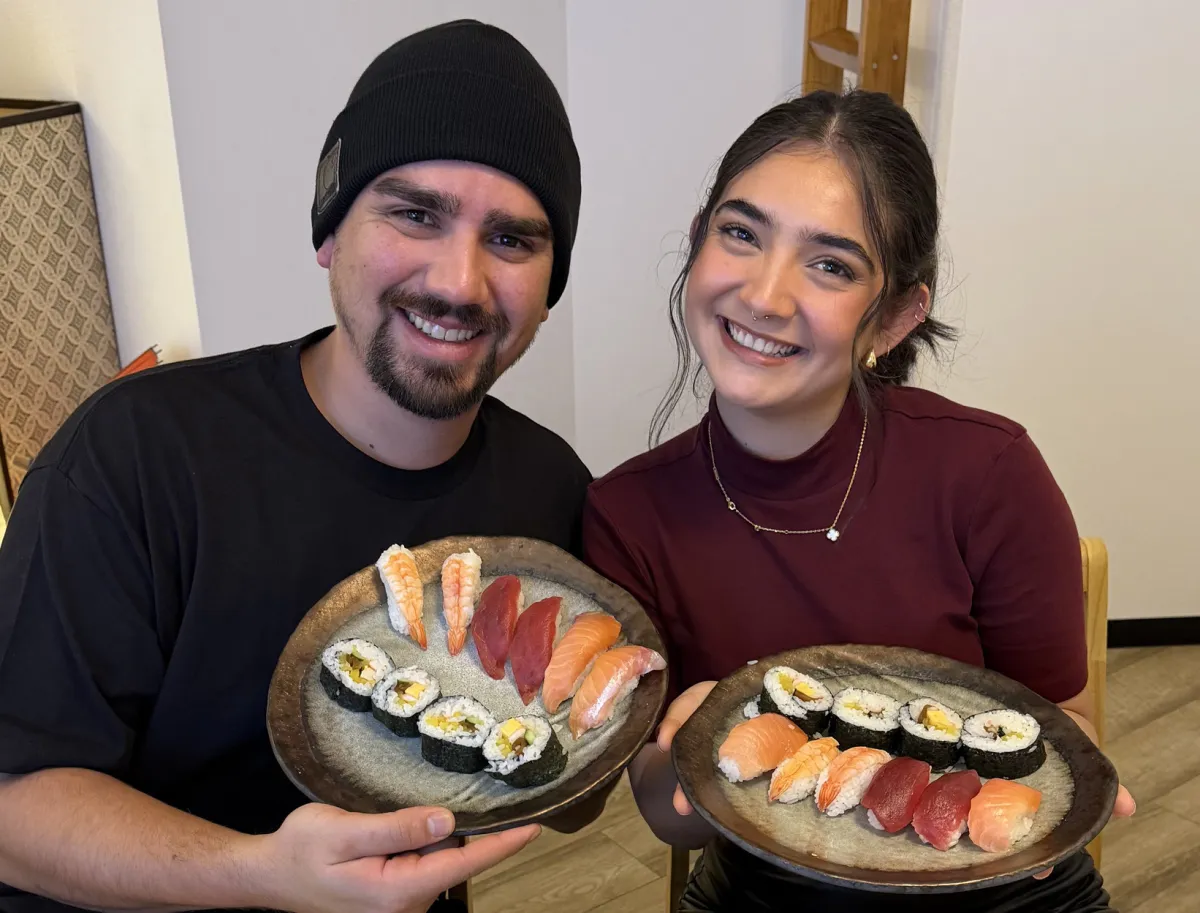
Tokyo Sushi Making Class : Sake Ceremony & Matcha Experience in Asakusa
The Fish That Blooms with Cherry Blossoms
The name "sakura dai" (桜鯛) isn't merely poetic license. During late March and April, as sea bream prepare for spawning season, a remarkable transformation occurs. Female fish develop an intensely vibrant cherry-red hue, while males display delicate pink spots reminiscent of scattered cherry blossom petals.
This stunning coloration comes from astaxanthin, a natural pigment that accumulates in the fish's flesh during spring. The same compound that gives salmon its orange color creates a more subtle, ethereal pink in sea bream—nature's way of synchronizing the sea with the blooming world above.
Why Sushi Masters Prize Sakura Dai
In the hierarchy of sushi toppings, tai (sea bream) has always held noble status. The Japanese saying "Kusatte mo tai" (腐っても鯛)—"Even rotten, it's still sea bream"—speaks to this fish's enduring prestige. But sakura dai represents tai at its absolute peak.
The reason is simple: fat. As spawning approaches, sea bream accumulate rich deposits of fat that transform their typically lean flesh into something luxuriously silky. The flavor deepens while maintaining the clean, elegant sweetness that defines quality tai. It's a brief window—once spawning completes, the fish becomes "mugiwaradai" (barley straw bream), named for its diminished, straw-like flavor.
The Geography of Excellence
While sakura dai can be found throughout Japanese waters, certain regions have earned legendary status. The Seto Inland Sea, particularly around the Naruto Strait, produces specimens considered the finest in Japan. Here, powerful tidal currents create ideal conditions—the fish develop firm, well-exercised flesh while still accumulating the precious fat that defines the season.
Asakusa's connection to this tradition runs deep. Historically, the Sumida River served as a crucial route for bringing fresh fish from Tokyo Bay to the city's markets. Today, the best sushi establishments in the area maintain relationships with specific fishermen, ensuring access to sakura dai at its prime.
Traditional Preparations That Honor the Season
Japanese cuisine approaches sakura dai with reverence, employing techniques designed to enhance rather than mask its delicate qualities.
Kobujime (昆布締め) wraps the fish in kombu seaweed for several hours, drawing out excess moisture while infusing umami depth. The result is concentrated flavor and a pleasingly firm texture that pairs beautifully with sushi rice.
Kawashimo-zukuri (皮霜造り) involves briefly pouring scalding water over the skin before plunging into ice water. This technique renders the skin edible—slightly chewy with concentrated flavor—while leaving the flesh beneath perfectly raw.
Simple sashimi with only sea salt and citrus allows sakura dai's natural sweetness to shine. Many connoisseurs consider this the purest expression of the fish's seasonal excellence.
Experience Spring's Essence in Asakusa
Understanding sakura dai intellectually is one thing; tasting it while cherry blossoms float past your window is another entirely. At Sushi & Matcha, we time our spring curriculum to celebrate this fleeting seasonal ingredient.
Our sushi-making classes during late March and April feature sakura dai when available, teaching the proper knife techniques for this prized fish. You'll learn why grain direction matters, how to assess freshness, and the precise hand pressure that creates perfect nigiri.
Pair your sushi experience with traditional matcha—the slight bitterness of ceremonial-grade tea creates a perfect counterpoint to sakura dai's sweet richness. It's a combination that embodies the Japanese concept of shun (旬), eating ingredients at their peak moment of seasonal perfection.
The Fleeting Nature of Perfection
Perhaps what makes sakura dai so precious is its transience—the same quality that gives hanami (cherry blossom viewing) its poignant beauty. The fish reaches perfection for mere weeks before the moment passes. Next year's sakura dai will be different fish, different weather, different tides.
This is the essence of Japanese gastronomy: not merely eating, but participating in the rhythm of seasons. When you taste sakura dai in late March, you're not just enjoying exceptional sushi. You're connecting with centuries of tradition, the turning of the year, and the brief, beautiful synchronicity between blossoms above and fish below.
The cherry blossoms are blooming now. The sakura dai are swimming into their moment of perfection. Some experiences cannot wait for a more convenient time—they exist only now, inviting you to be present for something extraordinary.
Ready to experience spring's most elegant sushi topping? Book a class at Sushi & Matcha and discover why sakura dai has inspired Japanese gourmets for generations.
Related Articles
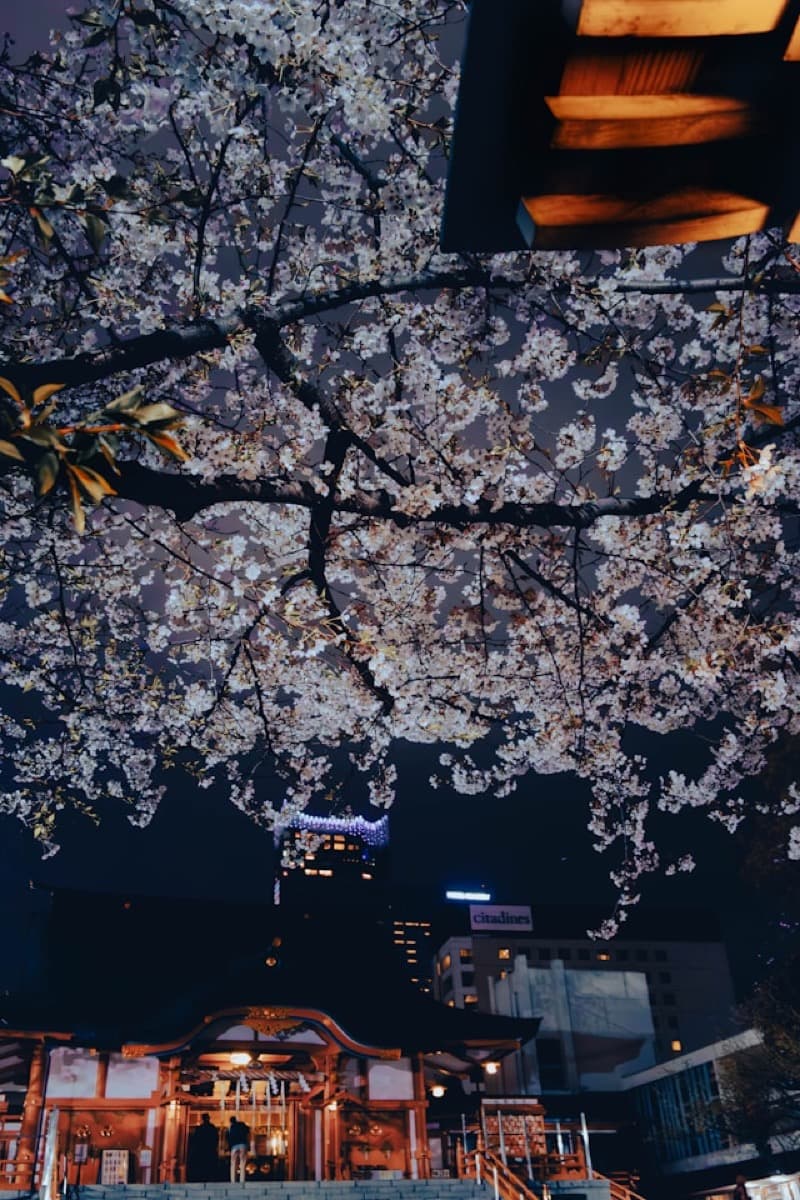
Yozakura: The Magical Art of Night Cherry Blossom Viewing in Asakusa
Discover yozakura, Japan's enchanting tradition of viewing illuminated cherry blossoms after dark. Learn the best spots in Asakusa and how to pair your evening with seasonal cuisine.
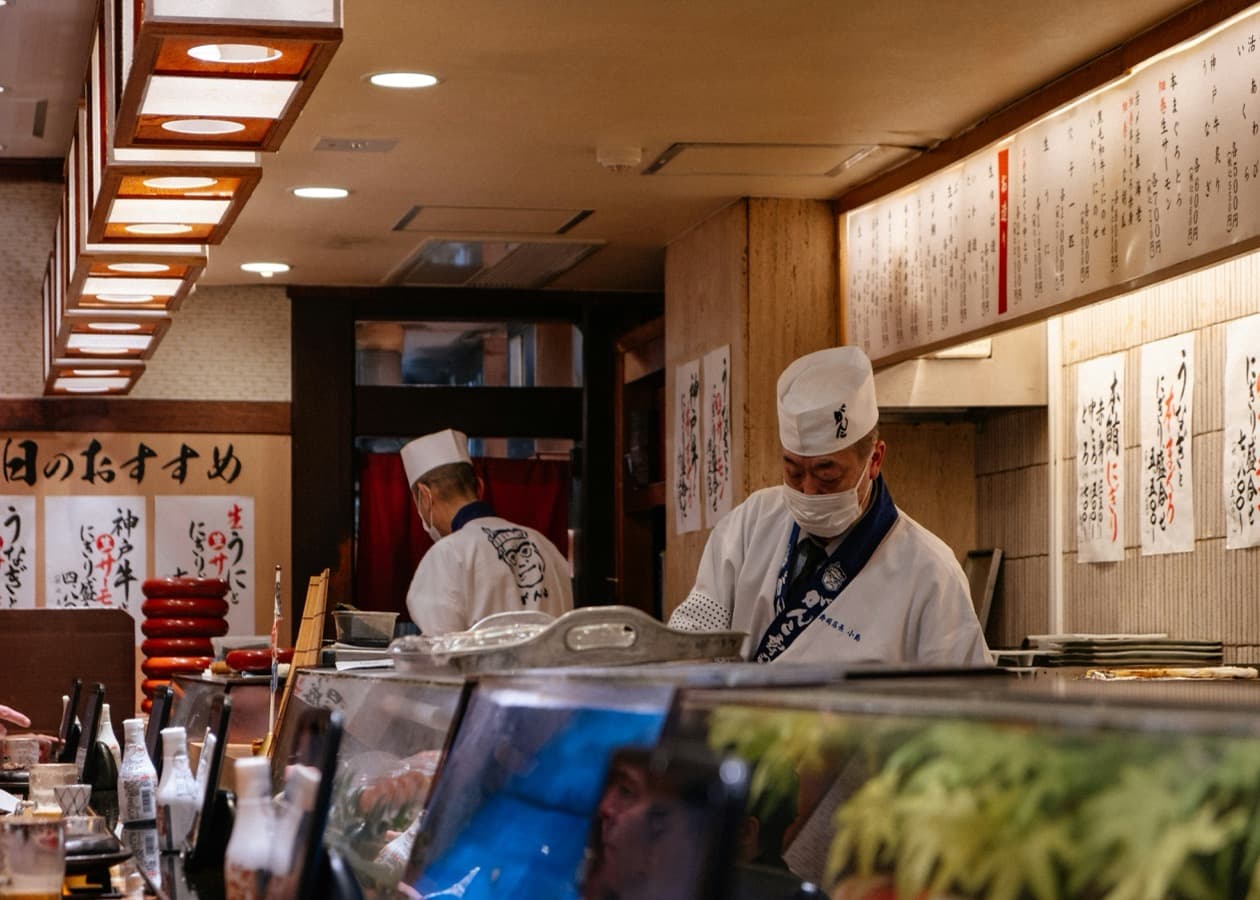
Spring's Bounty: 5 Seasonal Sushi Toppings You Can Only Savor in Tokyo This March
From sawara with 'spring' written in its name to the first bonito of the season, discover the ephemeral sushi toppings that make March the most exciting month for Edomae sushi lovers in Tokyo.
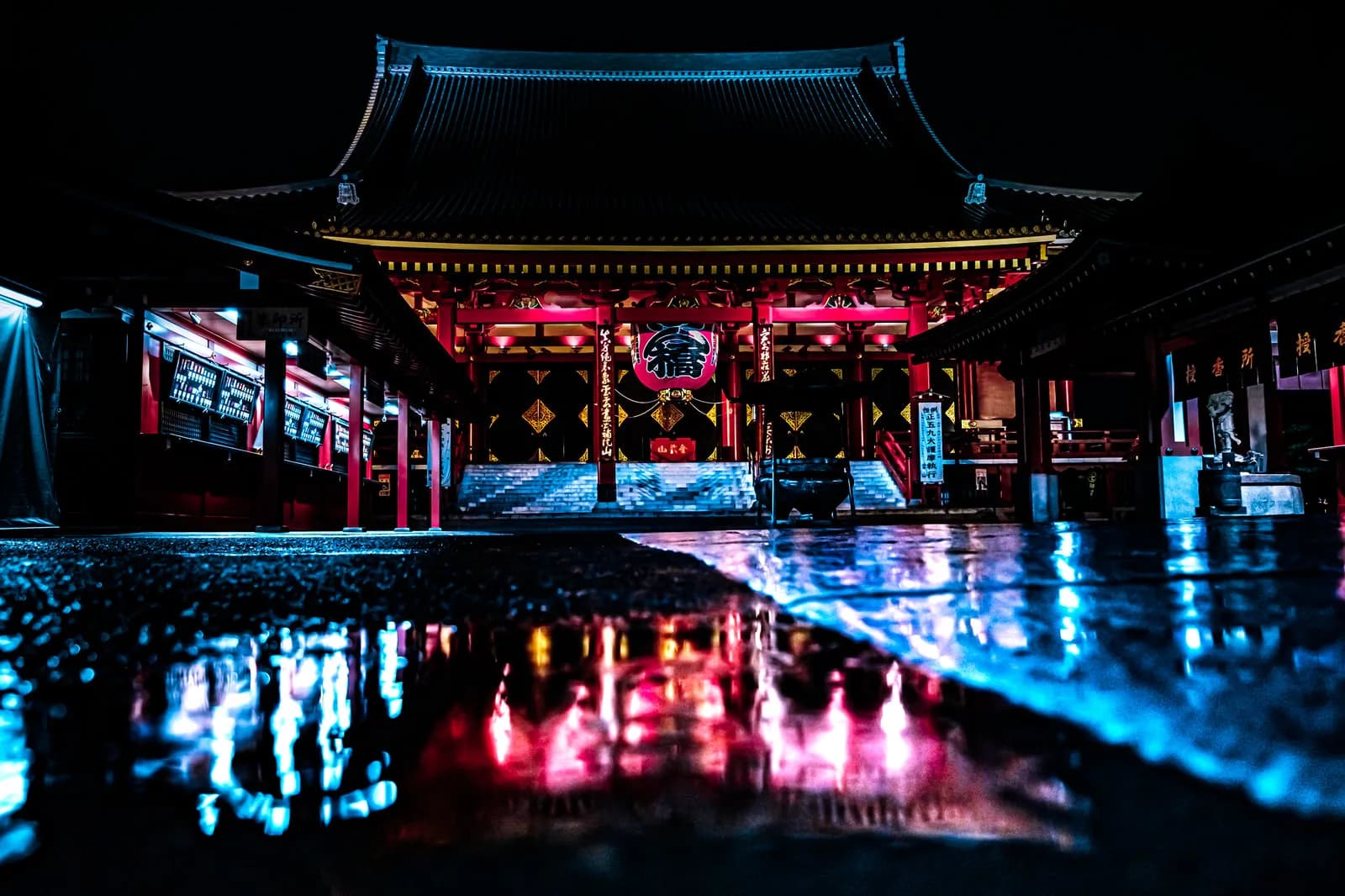
Spring in Asakusa: A Journey Through Cherry Blossoms, Sanja Matsuri, and Seasonal Sushi
Cherry blossoms along the Sumida River, the electric energy of Sanja Matsuri, and the delicate flavors of spring sushi. Discover everything Asakusa has to offer this spring with our 2026 guide.