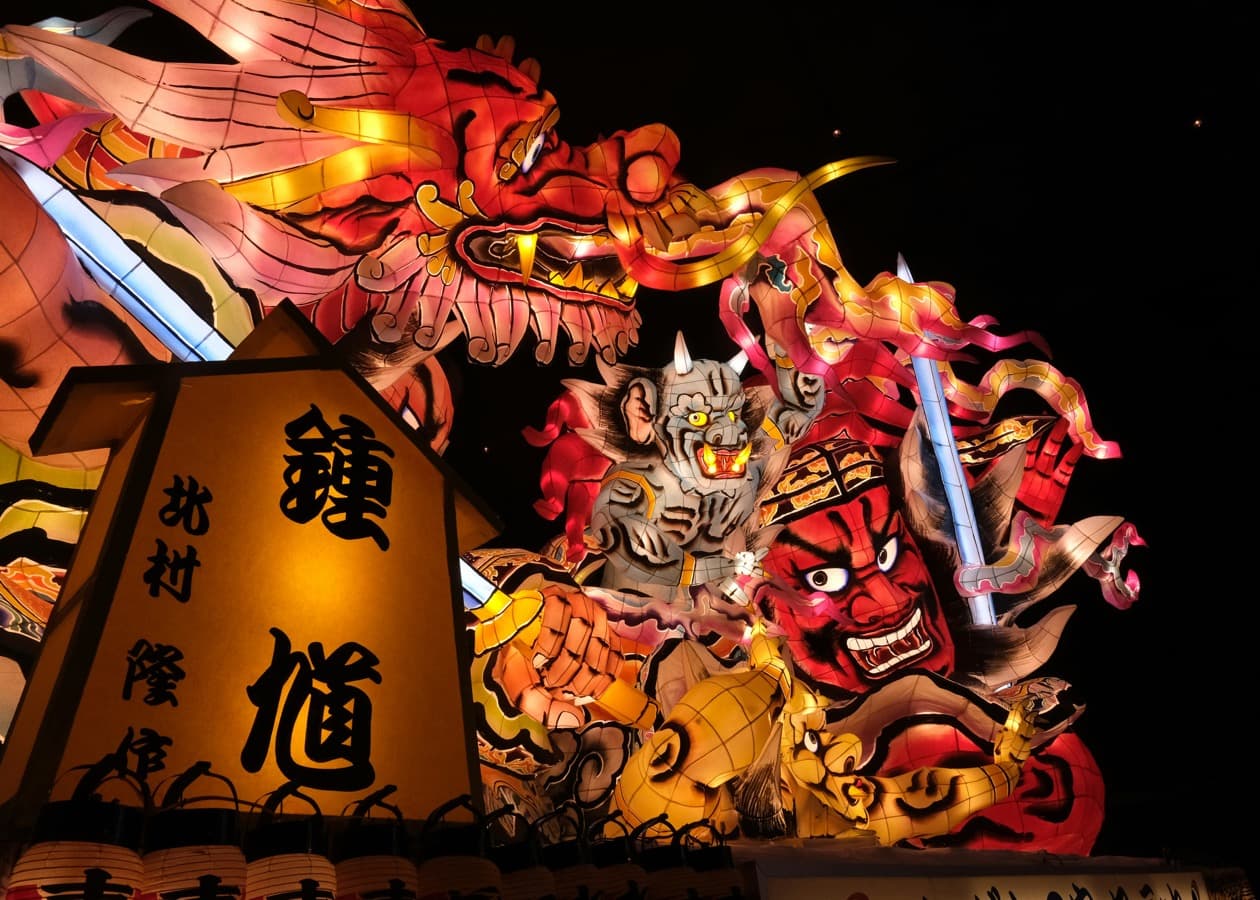
Sanja Matsuri: Tokyo's Greatest Festival and the Ultimate Guide to Asakusa Street Food
There's a moment on the Saturday morning of Sanja Matsuri when you realize that the word "festival" doesn't quite capture what's happening around you. The drums have started. The incense from Sensoji Temple mixes with smoke from a hundred charcoal grills. Nearly two million people will pass through these narrow streets over three days, and you're standing in the current of something that has flowed through Asakusa for over seven hundred years.
The Sanja Matsuri isn't just Tokyo's largest shrine festival—it's the heartbeat of Asakusa, a three-day celebration that transforms one of the city's oldest neighborhoods into the most vibrant open-air party in Japan. If you're visiting Tokyo in mid-May, this is the event that defines your trip.
Popular in Tokyo right now — our most recommended experience

Tokyo Sushi Making Class : Sake Ceremony & Matcha Experience in Asakusa
The Three Founders: Understanding Sanja Matsuri's Sacred Origins
The festival's name literally means "Three Shrine Festival," and its roots trace back to a remarkable discovery in the year 628. Two fishermen brothers, Hinokuma Hamanari and Hinokuma Takenari, pulled a small golden statue of Kannon (the Buddhist deity of compassion) from the Sumida River in their nets. A local landowner named Haji-no-Nakatomo recognized the significance of their find and convinced the brothers to dedicate their lives to Buddhism.
Together, these three men established what would become Sensoji Temple—Tokyo's oldest Buddhist temple, which still stands today as the spiritual anchor of Asakusa. The golden Kannon statue they discovered remains enshrined within its walls, attracting millions of visitors each year.
When the three founders passed away, their spirits were enshrined at Asakusa Shrine (located adjacent to Sensoji), where they became the festival's honored kami. Since 1312, communities have gathered to celebrate these "Sanja-sama" through processions, offerings, and increasingly elaborate festivities that evolved into the modern Sanja Matsuri.
2026 Festival Schedule: May 15-17
This year's Sanja Matsuri runs from Friday, May 15th through Sunday, May 17th. Here's what to expect each day:
Friday, May 15th: The Grand Procession (Daigyoretsu)
The festival opens with an afternoon parade that offers a more formal, elegant introduction to the weekend's celebrations. Participants dressed in Edo-period costumes—geisha, musicians, priests, and community leaders—process from Sensoji Temple to Asakusa Shrine. Traditional music fills the streets, and the atmosphere carries an air of reverence that will give way to increasingly energetic celebrations.
Saturday, May 16th: The Neighborhood Mikoshi
Saturday morning brings the festival's most photogenic moments. Nearly one hundred mikoshi (portable shrines) from Asakusa's 44 neighborhoods are carried to the shrine for blessing, then paraded through the district's streets. Each mikoshi weighs over a tonne and requires dozens of bearers who chant "wasshoi, wasshoi" as they navigate through crowds.
The skill lies not just in carrying these massive shrines but in making them dance—tilting them, spinning them, creating a rhythmic motion that expresses joy and invites divine blessings upon the neighborhood. By mid-afternoon, the streets around Sensoji become a maze of moving mikoshi, each one surrounded by supporters in matching happi coats.
Sunday, May 17th: The Three Main Mikoshi
The final day features the three primary mikoshi of Asakusa Shrine itself—each representing one of the three founders. These leave the shrine at dawn and spend the entire day touring every major street in the district before returning in the evening. The energy peaks in the early morning hours, when dedicated festival-goers have been awake since before sunrise to witness the departure ceremonies.
The Street Food: Where Festival Culture Meets Culinary Tradition
While the mikoshi processions are the soul of Sanja Matsuri, the yatai (food stalls) that line every approach lane might just be its beating heart. The festival transforms Asakusa into one of East Asia's most extraordinary temporary food markets, with the concentrated aromas of charcoal, frying oil, and festival cooking creating an atmosphere that's physically arresting.
Essential Festival Foods to Try
Takoyaki (Octopus Balls) Watch the vendors work their specialized pans, rotating each ball with chopstick precision until the outside is crisp and the inside remains molten. Accept that you will burn your mouth—it's practically unavoidable. The combination of tender octopus, green onion, and tangy sauce is worth every singed taste bud.
Yakisoba (Festival-Style Fried Noodles) The yakisoba at festival stalls achieves something that restaurant versions rarely match. Large flat-iron griddles over high heat give the noodles a caramelized, slightly smoky quality from direct contact with the cooking surface. Each vendor guards their sauce recipe jealously, and you'll taste the differences as you eat your way through the festival.
Yakitori (Grilled Chicken Skewers) Negima—alternating pieces of chicken thigh and spring onion—is the classic choice. The best stalls maintain a perfect char on the outside while keeping the meat yielding within. Simple salt seasoning or sweet-savory tare sauce—both are worth trying.
Ikayaki (Grilled Squid) You'll smell it twenty meters before you see it. Whole squid pressed flat on the grill, brushed with soy sauce, the tentacles crisping as the body caramelizes. It's handheld street food at its most satisfying.
Choco Banana A festival tradition that never stops being visually peculiar: whole bananas dipped in chocolate and dusted with colorful sugar sprinkles. More dessert than fruit, it's become an essential part of the matsuri experience.
The Hidden Food Experience: Community Yakisoba
Along the side streets closest to the shrine—where neighborhood groups gather before their turn to carry the mikoshi—local cho (neighborhood associations) set up cooking stations. These aren't commercial operations. They prepare food for the mikoshi bearers and for anyone who happens to be standing nearby.
If you find yourself near one of these tables and are offered a plate, accept it. The yakisoba you'll receive will likely be wetter than commercial versions, the sauce more complex (often with generous mirin), and there might be unexpected additions like fresh ginger among the vegetables. It won't be the most technically refined yakisoba in Tokyo, but standing in a side street in Asakusa, eating food offered without ceremony by cooks who prepare this meal once a year for their community—that context transforms the dish into something memorable.
Practical Tips for Experiencing Sanja Matsuri
Arrive Early By 9 AM on Saturday, the streets nearest the shrine become extremely difficult to navigate. Come at dawn if you want to move freely and capture photographs without crowds.
Dress Appropriately Comfortable shoes are essential—you'll be standing and walking on pavement for hours. The mid-May weather in Tokyo is typically warm but can be unpredictable, so layers are wise.
Stay Hydrated Festival vendors sell mugicha (cold barley tea) and fresh lemonade in bags sealed with rubber bands. Between the crowds and the May warmth, you'll need them.
Embrace the Chaos The mikoshi processions don't run on precise schedules, and the best moments often happen spontaneously. Rather than trying to see everything, pick a spot, stay patient, and let the festival come to you.
Extend Your Asakusa Experience
The Sanja Matsuri offers a window into Japanese festival culture at its most authentic and energetic. For visitors who want to deepen their connection to Asakusa's traditions, consider pairing the festival with hands-on cultural experiences.
Our sushi class in Asakusa offers an intimate introduction to the culinary traditions that have made Asakusa a food destination for centuries. Learn to craft your own sushi using techniques passed down through generations, or discover the meditative art of preparing matcha—both experiences that connect you to the same reverence for craft and community that animates Sanja Matsuri.
The festival celebrates the founding of Sensoji Temple and the community that has grown around it for nearly 1,400 years. The street food, the mikoshi, the drums, the crowds—all of it expresses a simple but profound truth: great traditions endure because communities gather to celebrate them together.
Mark your calendar for May 15-17. Wake early. Eat everything. Let the drums guide you. This is Tokyo at its wildest and most welcoming.
Related Articles
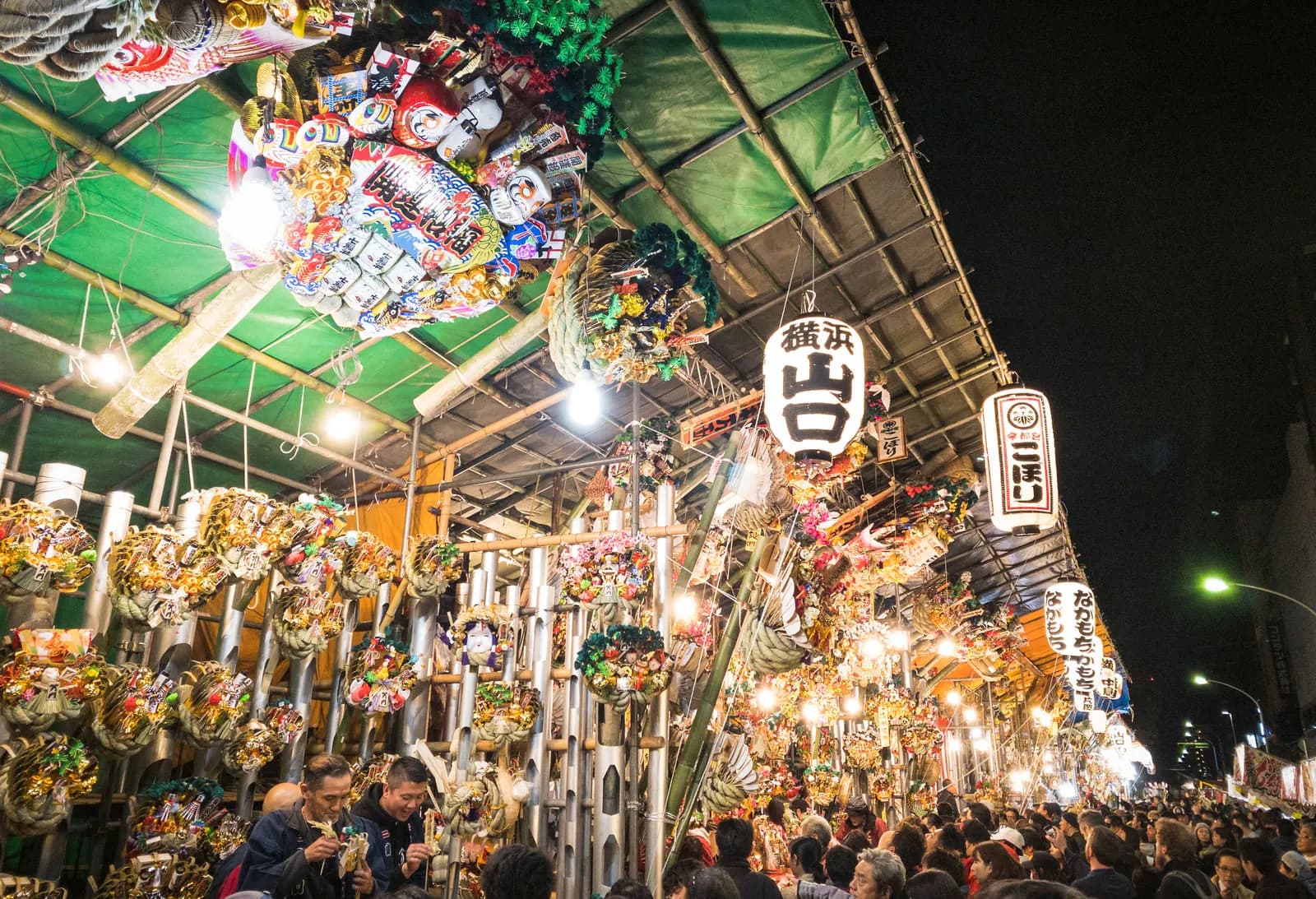
Torigoe Matsuri: Tokyo's Mightiest Mikoshi and the Soul of Shitamachi Summer
Experience the thunderous Torigoe Matsuri, where Tokyo's heaviest portable shrine weighs in at four tons and navigates narrow alleyways in an electrifying display of shitamachi spirit.
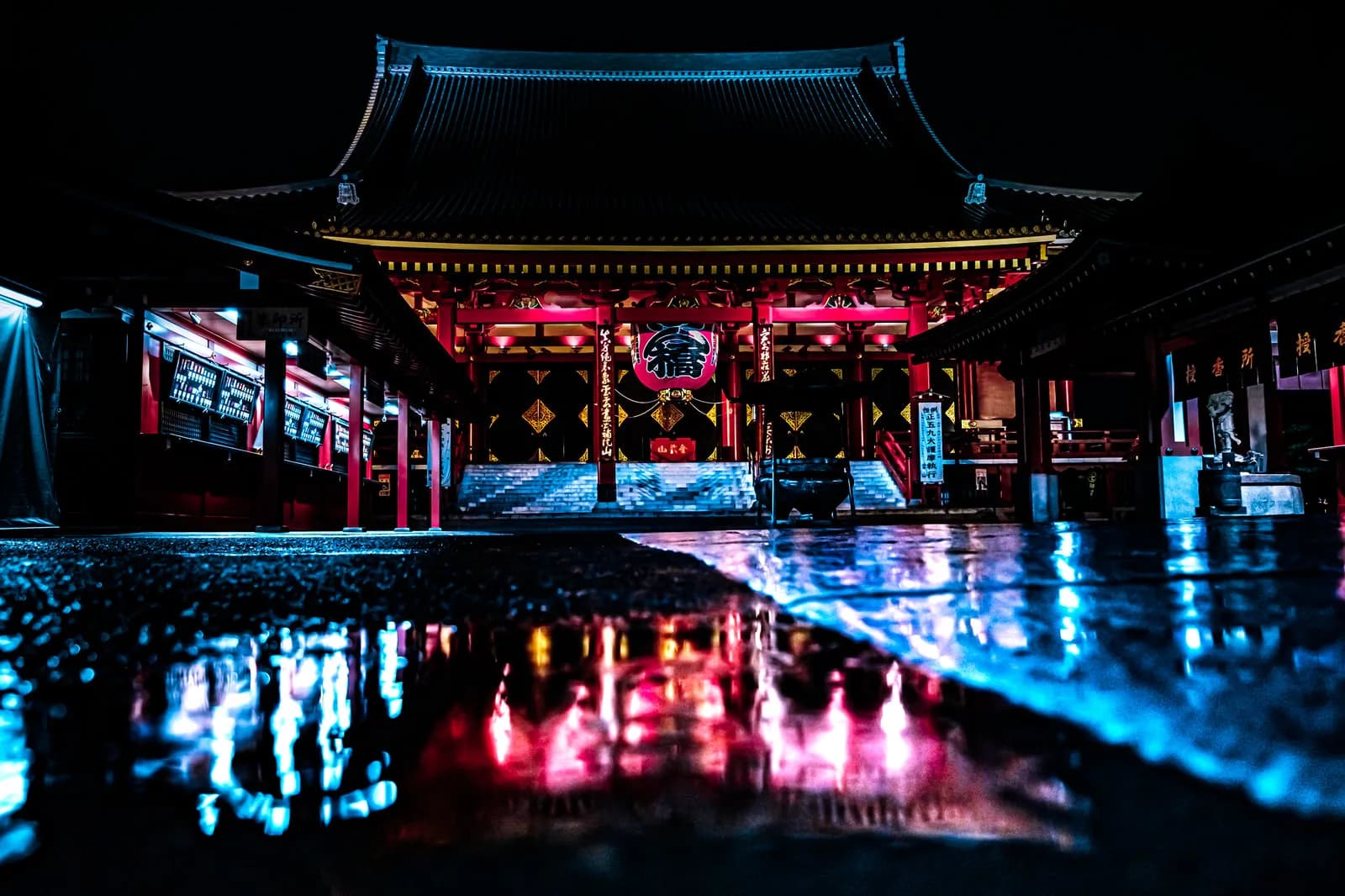
Spring in Asakusa: A Journey Through Cherry Blossoms, Sanja Matsuri, and Seasonal Sushi
Cherry blossoms along the Sumida River, the electric energy of Sanja Matsuri, and the delicate flavors of spring sushi. Discover everything Asakusa has to offer this spring with our 2026 guide.
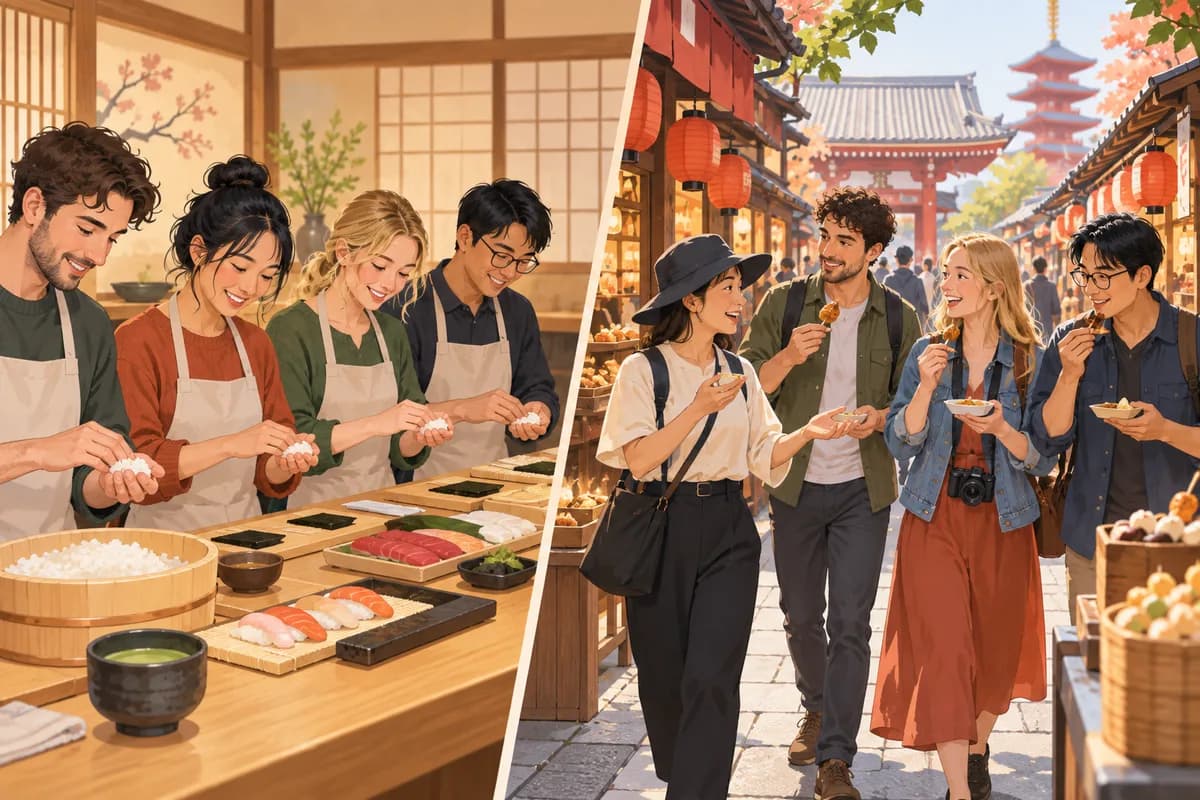
Sushi Class or Food Tour in Tokyo?
Choosing between a sushi class and a food tour in Tokyo? Compare what you want to do, how the time is used and who you travel with before booking.