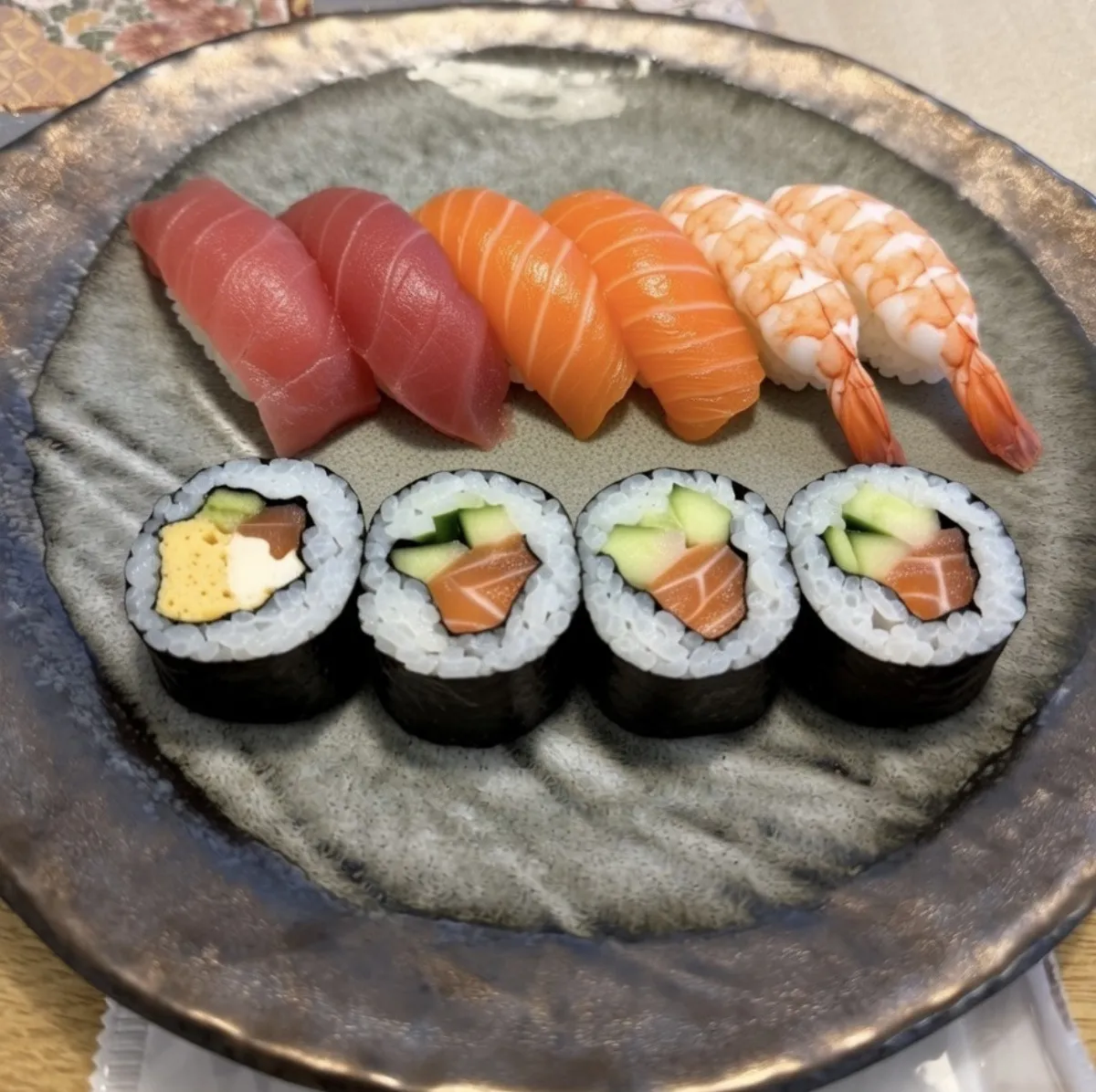
Shari: The Hidden Soul of Sushi That Most Visitors Never Learn About
Walk into any high-end sushi restaurant in Tokyo's Ginza district and watch the itamae (sushi chef) at work. Notice how much time they spend on the fish? Now watch their hands with the rice. That's where the real magic happens—and it's the secret most visitors never learn.
Popular in Tokyo right now — our most recommended experience
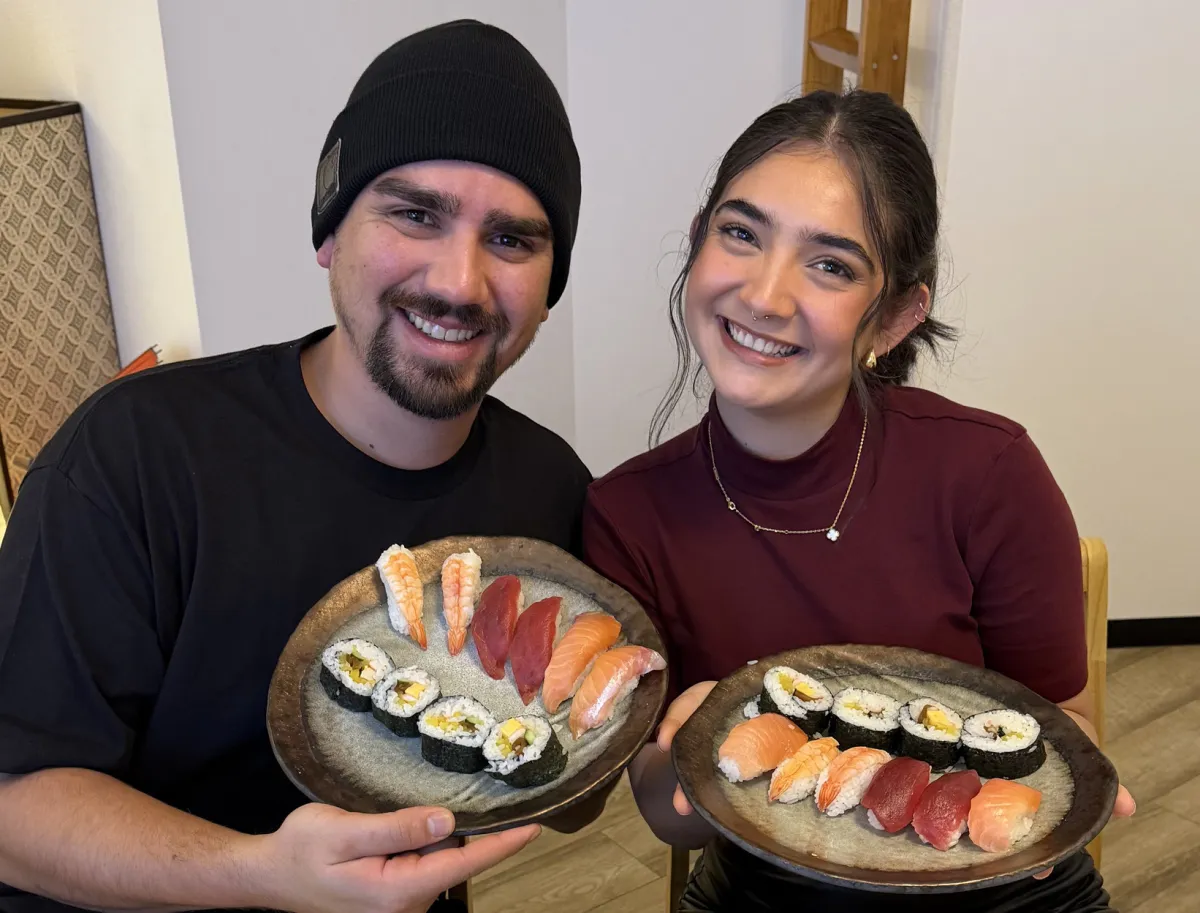
Tokyo Sushi Making Class : Sake Ceremony & Matcha Experience in Asakusa
The Truth That Michelin Chefs Won't Let You Forget
"I believe the rice is more important than the fish itself," reveals Chef Sakuta of a Michelin-starred Tokyo establishment. This isn't false modesty. It's the honest assessment of someone who has spent decades perfecting their craft.
The fish, however fresh, however expertly sourced from Tsukiji's successor at Toyosu Market, is only half the equation. The other half—the foundation upon which everything else rests—is shari (シャリ), the vinegared rice that transforms raw fish into sushi.
A Name Born from Sacred Origins
The word "shari" carries unexpected weight. It derives from the Buddhist term for sacred relics, specifically the remains of Buddha himself. The small, pearl-like grains of properly prepared sushi rice were said to resemble these precious relics. When you eat sushi in Japan, you're consuming something its creators considered almost sacred.
The Akazu Revolution: Red Vinegar and Edomae Tradition
Before the white rice vinegar commonly used today, there was akazu (赤酢)—red vinegar made from sake lees, the yeast slurry left over from sake production. This amber-colored vinegar defined Edomae-style sushi when it emerged in Edo (present-day Tokyo) in the early 1800s.
Here's the fascinating irony: akazu wasn't a luxury ingredient. Pure rice vinegar was expensive, reserved for the wealthy. Akazu, made from brewing byproducts, was the economical choice of street vendors selling quick bites along the Sumida River. Yet this "poor man's vinegar" produced a rice with deeper umami, richer complexity, and a subtle sweetness that high-end restaurants now pay premium prices to recreate.
Today, among Tokyo's Michelin-starred sushi restaurants, akazu has made a triumphant return. Its mellow acidity and amino-acid richness create a shari that complements fish rather than competing with it.
The Temperature Secret: Body Heat and Perfect Harmony
Ask any master sushi chef what temperature shari should be served at, and the answer comes without hesitation: body temperature—approximately 35-40°C (95-104°F).
This isn't arbitrary tradition. When shari meets your tongue at this precise warmth, the vinegar's aroma releases perfectly, the rice's texture yields ideally, and the fish's oils begin to melt at just the right moment. Cold rice from a conveyor-belt restaurant? It's still technically sushi. But something essential is missing.
The challenge is maintaining this temperature throughout service. Traditional restaurants use an ohitsu, a wooden container made from cypress that naturally regulates moisture and heat. Chefs keep their hands cooled to around 30°C—slightly below the rice temperature—so they can shape each piece without the rice sticking or overheating.
The Choreography of Creation
Preparing shari is a precisely choreographed performance:
-
The Cook: Rice is prepared with slightly less water than normal, creating firmer grains that will absorb vinegar without becoming mushy.
-
The Season: While still steaming hot, the rice receives sushi-zu—a carefully balanced mixture of vinegar, salt, and sometimes sugar. Every chef guards their ratio like a family secret.
-
The Cut: Using a shamoji (rice paddle) held at specific angles, the chef cuts through the rice, folding rather than stirring to avoid crushing the grains.
-
The Fan: Traditionally, an assistant fans the rice with an uchiwa (flat fan) while the chef works. This rapid cooling locks in the glossy texture while the vinegar penetrates each grain.
-
The Rest: Covered with a damp cloth called fukin, the rice rests—maintaining moisture and temperature until the moment of service.
Why Learning Shari Changes Everything
Most cooking classes focus on rolling techniques or fish selection. But understanding shari transforms how you experience sushi forever. You'll taste the difference between machine-made rice at a chain restaurant and hand-prepared shari at a master's counter. You'll know why certain pieces sing on your palate while others fall flat.
In Asakusa, where Edomae sushi traditions run deepest, our cooking classes teach the fundamentals that Tokyo chefs consider essential. You won't just learn to assemble sushi—you'll understand why the rice beneath the fish matters more than any single ingredient on top.
The Grain Count: Precision as Philosophy
Here's a detail that might change how you view sushi forever: a skilled chef shapes each nigiri with a consistent number of rice grains. Some masters aim for exactly 200 grains per piece. Others have their own numbers. The point isn't the specific count—it's the devotion to consistency, the respect for every single grain.
This precision reflects a broader Japanese philosophy called kodawari—an uncompromising dedication to one's craft that goes far beyond what most customers will ever notice. But the customers who do notice? They become lifelong devotees.
Tasting Shari: What to Notice
Next time you sit at a sushi counter, before the fish arrives, ask your chef if you can taste the rice alone. Many will appreciate the request—it shows you understand where true craftsmanship lies.
Notice the temperature: Is it warm against your tongue, or refrigerator-cold?
Notice the texture: Do the grains maintain their individual integrity, or have they become pasty?
Notice the seasoning: Is there a balanced dance of acidity, subtle sweetness, and umami, or does one note dominate?
Notice the aroma: Does the vinegar hit your nose pleasantly as the rice warms in your mouth?
From Street Food to Sacred Art
Sushi began as fast food—a quick, affordable way for workers along Edo's waterways to eat. The genius of those early vendors wasn't just combining fish with rice. It was understanding that the rice itself required as much attention as the catch of the day.
Over two centuries, that understanding has only deepened. Today's master chefs spend years—sometimes decades—perfecting their shari before they ever gain the right to select fish for a restaurant.
Experience the Foundation
Understanding shari is the gateway to understanding Japanese food culture itself: the respect for ingredients, the precision of technique, the belief that even the humblest element deserves devoted attention.
At Sushi & Matcha, we believe this knowledge shouldn't remain locked behind the counters of exclusive restaurants. Join us in Asakusa, where the traditions of Edomae sushi were born, and discover why the rice beneath your next piece of sushi matters more than you ever imagined.
Ready to master the art that defines great sushi? Book a class and learn the secrets that Tokyo's chefs guard most carefully—starting with the perfect grain of shari.
Put your interest in rice into practice
For a plant-based menu, see what to check before booking a vegan sushi class. To choose the activity itself, compare sushi and onigiri classes, including their different booking arrangements. And if you want the full sequence of a class before you book, what you make in a sushi and matcha class follows the session in order, from the sake toast to whisking matcha.
Related Articles
Booking a Tokyo Sushi Class for a Group
Organising a sushi class in Asakusa for friends? Here is the information to collect from everyone first, and how to keep the whole party in one session.
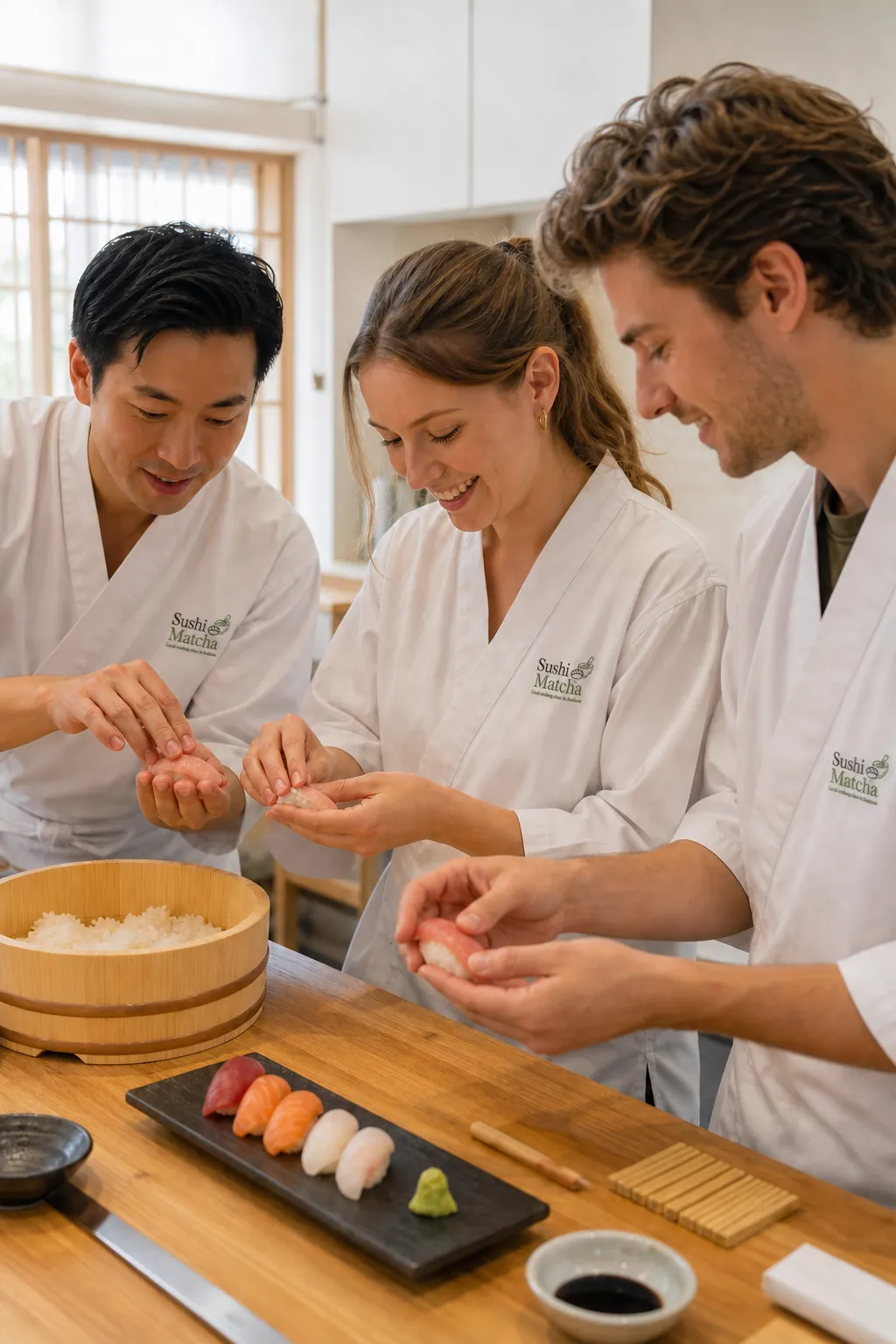
Practising Before a Tokyo Sushi Class
Should a beginner practise sushi at home first? Here is what a 90-minute Asakusa class actually asks of you, and what is worth sorting out instead.
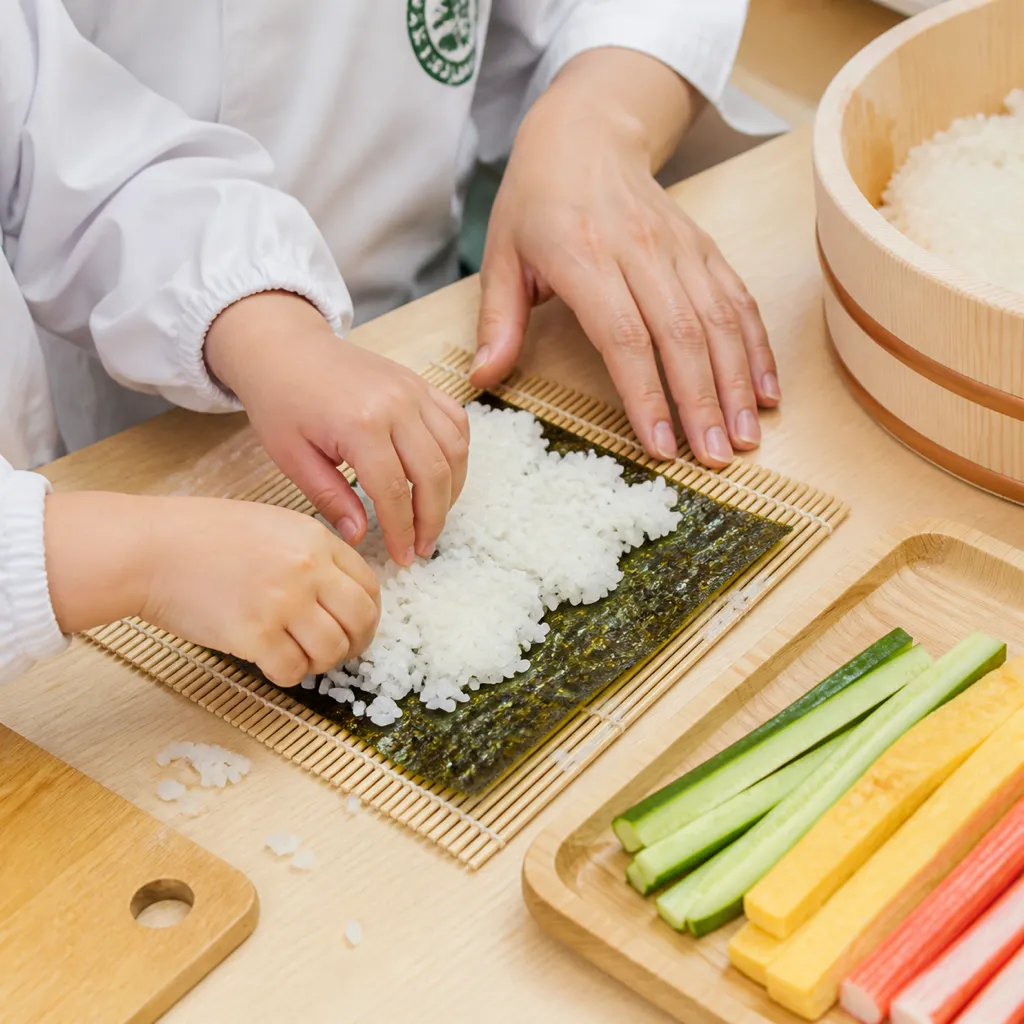
Sushi Class With Kids: Shared or Private?
Booking a sushi class in Tokyo with children? Work through age, pace, no-raw-fish needs and how each booking is confirmed before you choose a format.