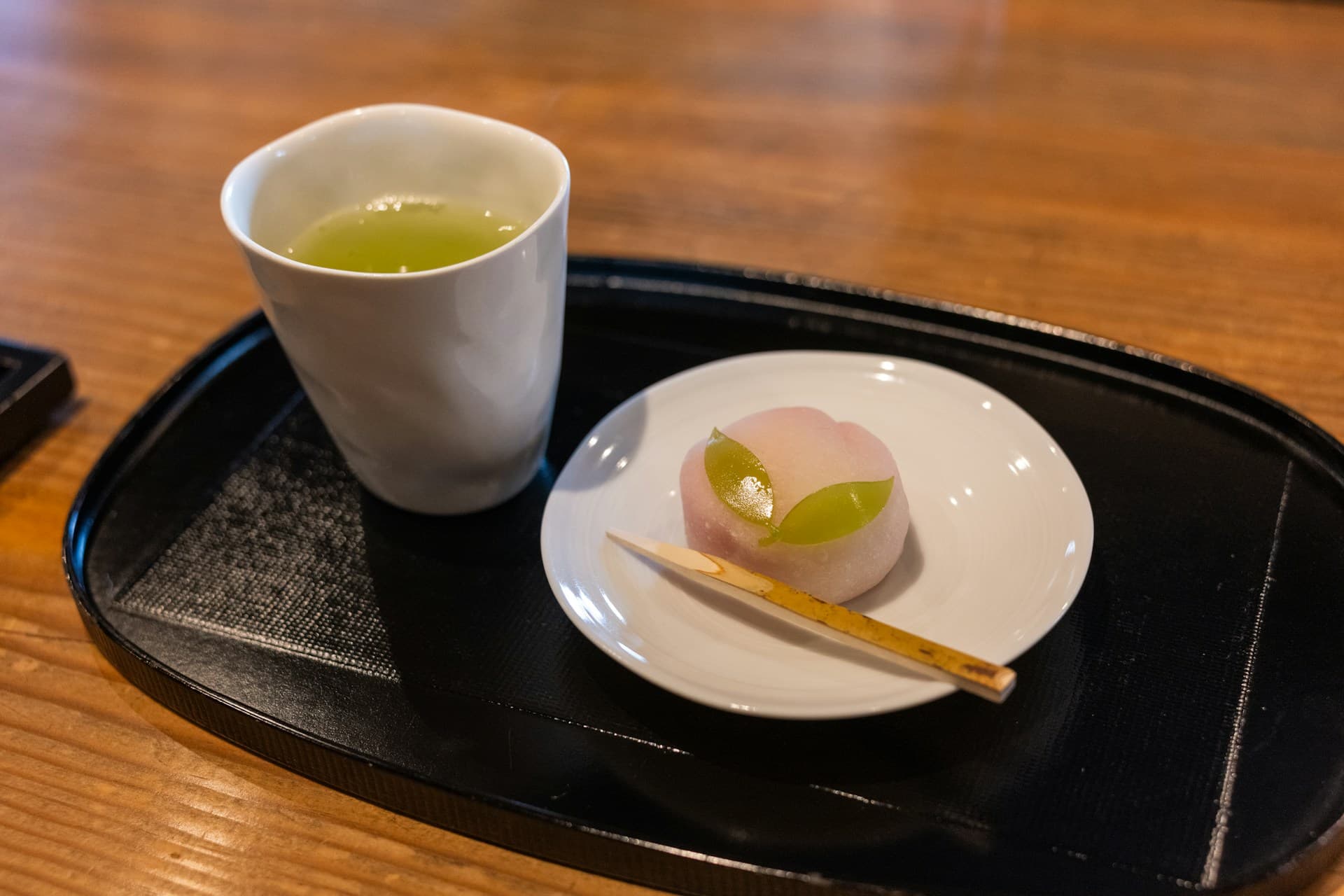
Shincha Season: Celebrating Japan's First Tea Harvest in Asakusa
As cherry blossoms fade and Golden Week brings travelers to Tokyo, a quieter but equally significant celebration unfolds in Japan's tea regions. This is shincha season — the brief window when the year's first tea harvest arrives, prized for flavors that exist nowhere else in the calendar.
Popular in Tokyo right now — our most recommended experience

Tokyo Sushi Making Class : Sake Ceremony & Matcha Experience in Asakusa
What Makes Shincha So Special?
Shincha (新茶, "new tea") refers to the very first leaves harvested each spring, typically between late April and mid-May. But calling it simply "new tea" undersells what makes it extraordinary.
During winter dormancy, tea plants accumulate amino acids — particularly L-theanine — in their roots and leaves. When spring arrives and the first tender shoots emerge, these stored nutrients are at peak concentration. The result is a tea with exceptional sweetness, a fresh grassy aroma, and a mellow character unlike any other harvest of the year.
The traditional harvest date is hachijū-hachiya (八十八夜) — the 88th day after the start of spring, which falls around May 1st or 2nd. For centuries, Japanese farmers have believed that tea picked on this day brings good health throughout the year. This isn't mere superstition; the timing coincides with optimal growing conditions that produce leaves with the highest L-theanine content and lowest bitterness.
The Shincha Journey: From South to North
Like the famous cherry blossom front (sakura zensen), shincha season moves northward across Japan as spring warms the country:
- Kagoshima (Kyushu): Japan's earliest harvest, beginning in early April
- Uji (Kyoto): The traditional benchmark, late April to early May
- Shizuoka: Japan's largest tea-producing region, late April through mid-May
- Saitama (Sayama): The northern limit, harvesting through mid-May
By the time shincha reaches Tokyo shops in early May, it carries the accumulated expertise of generations of tea farmers who have perfected the art of the first harvest.
Shincha and the Art of Pairing
At Sushi & Matcha, we believe the best way to appreciate shincha is alongside seasonal cuisine that shares its philosophy of freshness and fleeting beauty.
Consider the parallel with spring sushi. Just as shincha captures nutrients accumulated over winter dormancy, spring fish like hatsu-gatsuo (first bonito of the season) arrive after months of building flavor during their migration. Both represent the Japanese concept of shun (旬) — enjoying ingredients at their peak moment.
The sweet, umami-rich character of shincha complements delicate sushi beautifully. Its lower astringency won't overwhelm subtle fish flavors, while its fresh aroma cleanses the palate between bites. This is why many traditional sushi restaurants in Japan serve premium green tea alongside their omakase courses.
Experience Shincha in Asakusa
Golden Week brings millions of visitors to Asakusa, making it the perfect time to discover the intersection of tea and culinary culture. While the crowds gather at Senso-ji Temple, a different kind of seasonal treasure awaits at local tea houses and restaurants.
Our cooking classes offer an opportunity to understand how Japanese seasonal awareness shapes every aspect of cuisine — from the fish we select to the tea we serve. During May, we emphasize the connection between spring's bounty and the traditions that celebrate it.
For those seeking a more contemplative experience, early mornings in Asakusa offer quiet moments to enjoy shincha before the day's bustle begins. The combination of fresh tea, traditional architecture, and spring light creates an atmosphere that captures something essential about Japanese aesthetics.
Brewing Shincha at Home
If you're fortunate enough to acquire shincha, proper brewing unlocks its full potential:
- Water temperature: 70°C (158°F) — cooler than regular green tea to preserve sweetness
- Leaf amount: 5g per 150ml, slightly more than usual
- First steep: 60-90 seconds
- Second steep: 80°C for 15-30 seconds, revealing more umami notes
- Third steep: 80-85°C for 30-45 seconds, lighter and refreshing
Most importantly, drink shincha fresh. Unlike aged teas that improve over time, shincha's delicate aromatics begin fading within weeks of harvest. This impermanence is part of its charm — a reminder to appreciate what's here now.
A Season Worth Celebrating
In a world of year-round availability, shincha reminds us that some things are worth waiting for. The excitement of the first harvest — farmers offering fresh-picked leaves, tea shops competing to sell the year's first production — echoes the Beaujolais Nouveau tradition in French wine culture.
This May, as you explore Asakusa's temples and taste spring's culinary offerings, take a moment to appreciate Japan's tea culture at its most vibrant. Whether in a quiet tea house or alongside sushi at our table, shincha offers a taste of seasonal beauty that defines Japanese culinary philosophy.
Visit Sushi & Matcha in Asakusa to experience the harmony of fresh tea and seasonal cuisine. Book a class and discover why May is one of the most delicious months to explore Japanese food culture.
Related Articles
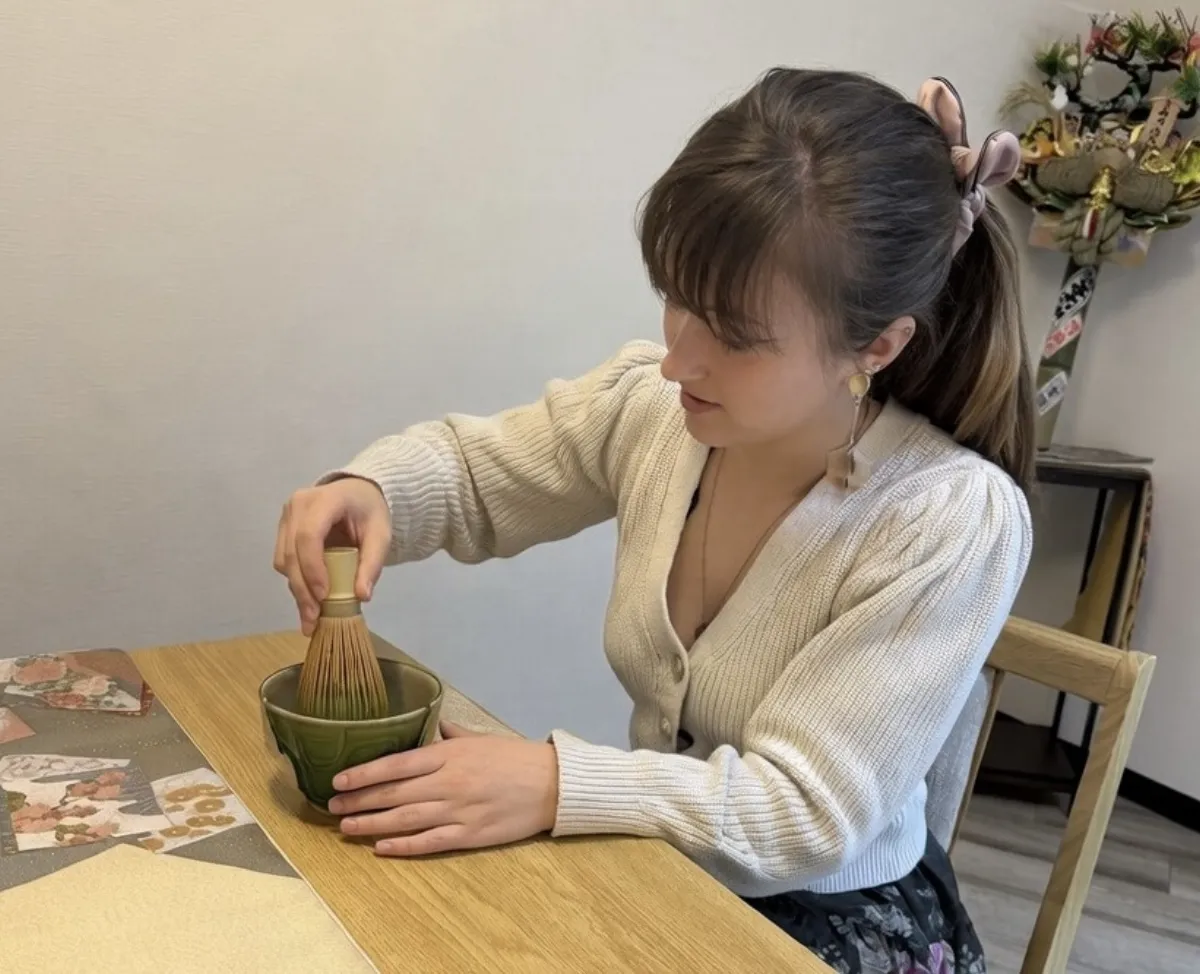
Matcha Workshop or Tea Ceremony?
Choose a matcha experience in Tokyo by what you want to do: whisk tea, explore tea ceremony, or combine matcha with a sushi class in Asakusa.

Book a Sushi Class Early or on the Day?
Reserve a Tokyo sushi class in advance or try on the day? Weigh certainty against flexibility and know what to check before counting on a same-day place.

How Long Is a Sushi Class? Plan Your Day
Our Asakusa sushi class runs 90 minutes. Plan your arrival, travel margins and the rest of your Tokyo day around it without overpacking the schedule.