
Shirasagi no Mai: The Thousand-Year-Old White Heron Dance of Asakusa
There are moments in Tokyo when time seems to fold in on itself—when the modern metropolis melts away and you find yourself standing in the Japan of a thousand years ago. The Shirasagi no Mai, or White Heron Dance, at Sensoji Temple is one of those rare moments.
Popular in Tokyo right now — our most recommended experience

Tokyo Sushi Making Class : Sake Ceremony & Matcha Experience in Asakusa
A Dance Older Than the City Itself
While most visitors to Asakusa come to photograph the iconic Kaminarimon gate or shop along Nakamise-dori, those who time their visit to coincide with the White Heron Dance witness something far more profound. This ceremonial procession traces its origins back to the Heian period (794-1185), when it was first performed at Kyoto's Yasaka Shrine during the legendary Gion Festival.
The dance was nearly lost to history. For centuries, it remained dormant—a beautiful memory preserved only in ancient scrolls and temple records. Then, in 1968, to celebrate Tokyo's centennial anniversary, the priests of Sensoji made a bold decision: they would resurrect this millennium-old tradition from the detailed descriptions found in the Keian Engi Emaki, a precious Edo-period scroll depicting the temple's sacred ceremonies.
The Procession: Poetry in Motion
The Shirasagi no Mai is not simply a dance—it's a living tableau of Japanese aesthetic philosophy. Eight dancers don elaborate white heron costumes, their movements so fluid they seem to transcend human motion. Their faces are painted white with distinctive red eyeliner, mimicking the real birds that have symbolized purity and longevity in Japanese culture for millennia.
But the dancers don't perform alone. They're accompanied by a carefully choreographed entourage that reads like a scene from a Heian-period painting:
- Esa-maki (餌まき): The bird feeder who scatters paper confetti, representing food for the herons
- Bo-furi (棒ふり): The baton twirler who leads the procession
- Kasa-mochi (傘持ち): The parasol carrier who stands sentinel during the dance
- Gakujin (楽人): Musicians who fill the air with ancient melodies
- Shugo-douji (守護童子): Guardian children, typically local kindergarteners dressed in matching Heian-period costumes
The procession begins at the gates of Denpoin Temple, winding through the bustling Nakamise shopping street toward the main hall of Sensoji. The contrast is striking: modern tourists with smartphones stand alongside centuries-old architecture as dancers in costumes unchanged since the Heian period glide past.
When and Where to Experience the Magic
The Shirasagi no Mai is performed three times each year:
- Second Sunday of April (Spring performance)
- During Sanja Matsuri (Mid-May, Tokyo's largest festival)
- November 3rd (Culture Day)
On performance days, the dance is presented twice—typically at 11:00 AM and 2:30 PM. Each performance lasts approximately 30-45 minutes, including the procession and the main dance ceremony.
For the best viewing experience, position yourself near the main hall of Sensoji Temple, where the dancers form their final circle for the climactic performance. Arrive at least 30 minutes early, as the area fills quickly with both tourists and devoted locals who return year after year.
A photography tip from experienced viewers: the morning procession walks north toward the temple, putting the dancers in harsh backlight. The return procession faces south, offering beautiful front-lit opportunities for those coveted photos.
The Deeper Meaning
In Japanese culture, the white heron carries profound symbolism. Associated with purity, patience, and grace, the bird appears frequently in traditional art and poetry. The Japanese word for heron, "sagi" (鷺), is also connected to the verb "saguru," meaning to search or probe—reflecting the bird's careful, deliberate movements as it hunts.
Watching the Shirasagi no Mai, you understand why this particular dance has persisted across a millennium. The dancers' movements—one leg lifted, wings spread, necks arched in precise pecking motions—capture something essential about the Japanese aesthetic ideal: beauty found in restraint, power expressed through stillness, meaning communicated without words.
Pairing Culture with Cuisine: The Perfect Asakusa Day
The second Sunday of April falls during what Japanese call "shun" (旬)—the peak season for spring ingredients. After witnessing the morning performance of Shirasagi no Mai, consider extending your cultural journey with a hands-on sushi class where you can work with the season's finest fish.
April brings remarkable seafood to Tokyo's markets: sakura dai (cherry blossom sea bream), whose pink flesh mirrors the spring blooms; young kohada at their delicate peak; and sakura ebi (cherry blossom shrimp) from Suruga Bay, available only from April through June. Learning to prepare these seasonal treasures while the memory of ancient dancers still lingers creates a uniquely immersive Tokyo experience.
For those seeking the complete spring Asakusa experience, a matcha ceremony offers the perfect afternoon complement. The bitter-sweet complexity of properly whisked matcha embodies the same aesthetic principles you've just witnessed in the White Heron Dance: precision, patience, and profound simplicity.
Preserving Living Tradition
What makes the Shirasagi no Mai especially moving is its vulnerability. Unlike recorded performances or museum exhibits, this is living tradition—dependent on trained dancers, community involvement (those kindergarten guardian children come from local families), and the continued dedication of Sensoji Temple's priests.
Every spring performance you witness is simultaneously ancient and immediate: the same movements that enchanted Heian-period aristocrats, performed by contemporary dancers who have inherited this responsibility. When the herons finally bow before Sensoji's main hall and disappear into the temple, you realize you've seen something that could have been lost—and wasn't.
That's what makes the Shirasagi no Mai more than just a photo opportunity. It's a reminder that Japan's most beautiful traditions survive not in museums, but in the dedicated hands and feet of each new generation willing to learn the dance.
Planning to visit Asakusa during the White Heron Dance? Book a sushi-making class for the afternoon and make your cultural journey complete. Our experienced instructors will guide you through selecting and preparing seasonal spring fish, creating the perfect complement to a morning of living history.
Related Articles
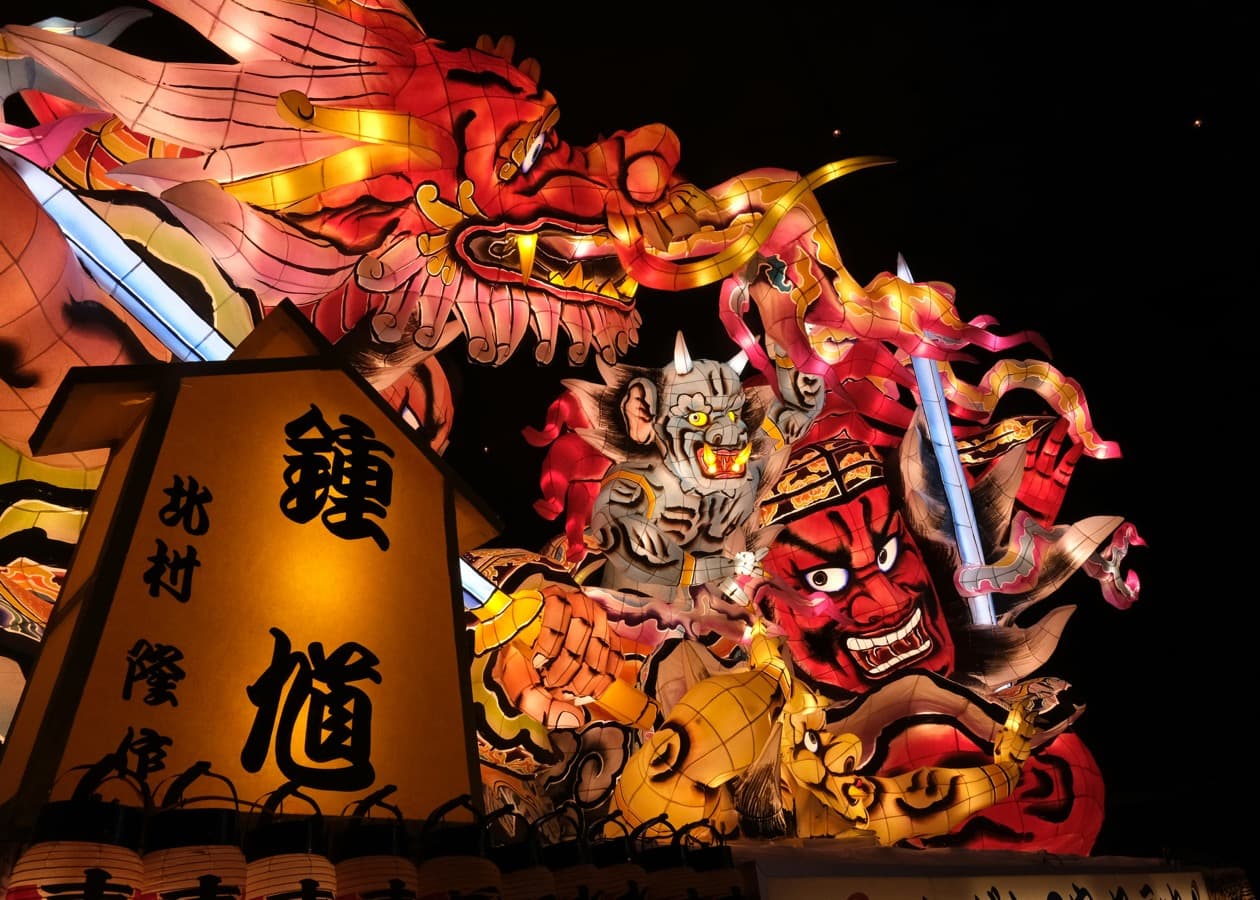
The Golden Dragon Dance of Asakusa: Witnessing Tokyo's Most Majestic Spring Festival
Discover the spectacular Kinryu-no-Mai, a breathtaking festival where an 18-meter golden dragon dances through the streets of Asakusa. Learn when to visit and how to combine this experience with authentic Japanese culinary traditions.
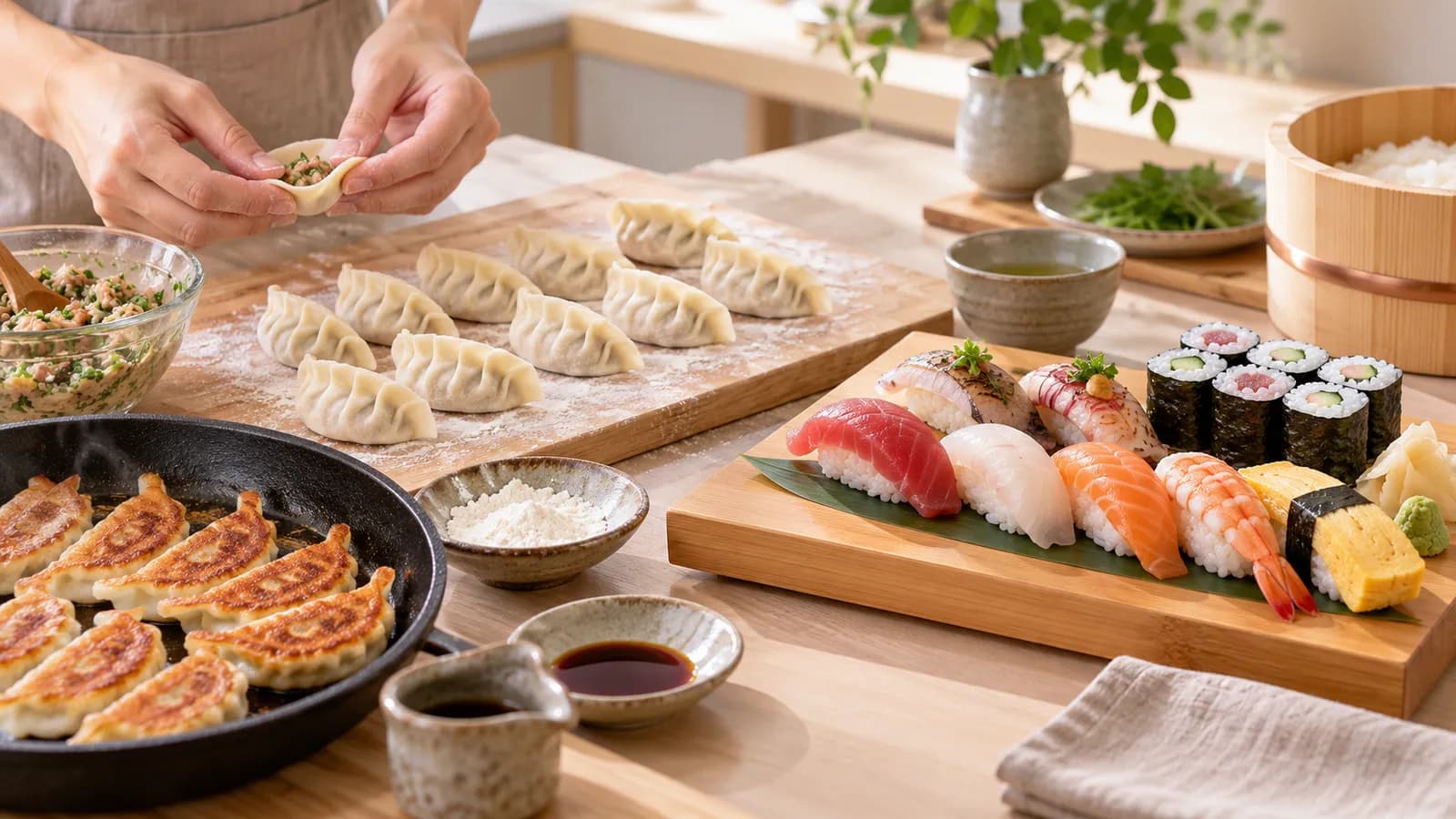
Gyoza Class or Sushi Class in Tokyo?
Choosing between a gyoza class and a sushi class in Tokyo? Compare the hands-on work, the hot pan, pork and wheat in the filling and wrappers, and the meal.
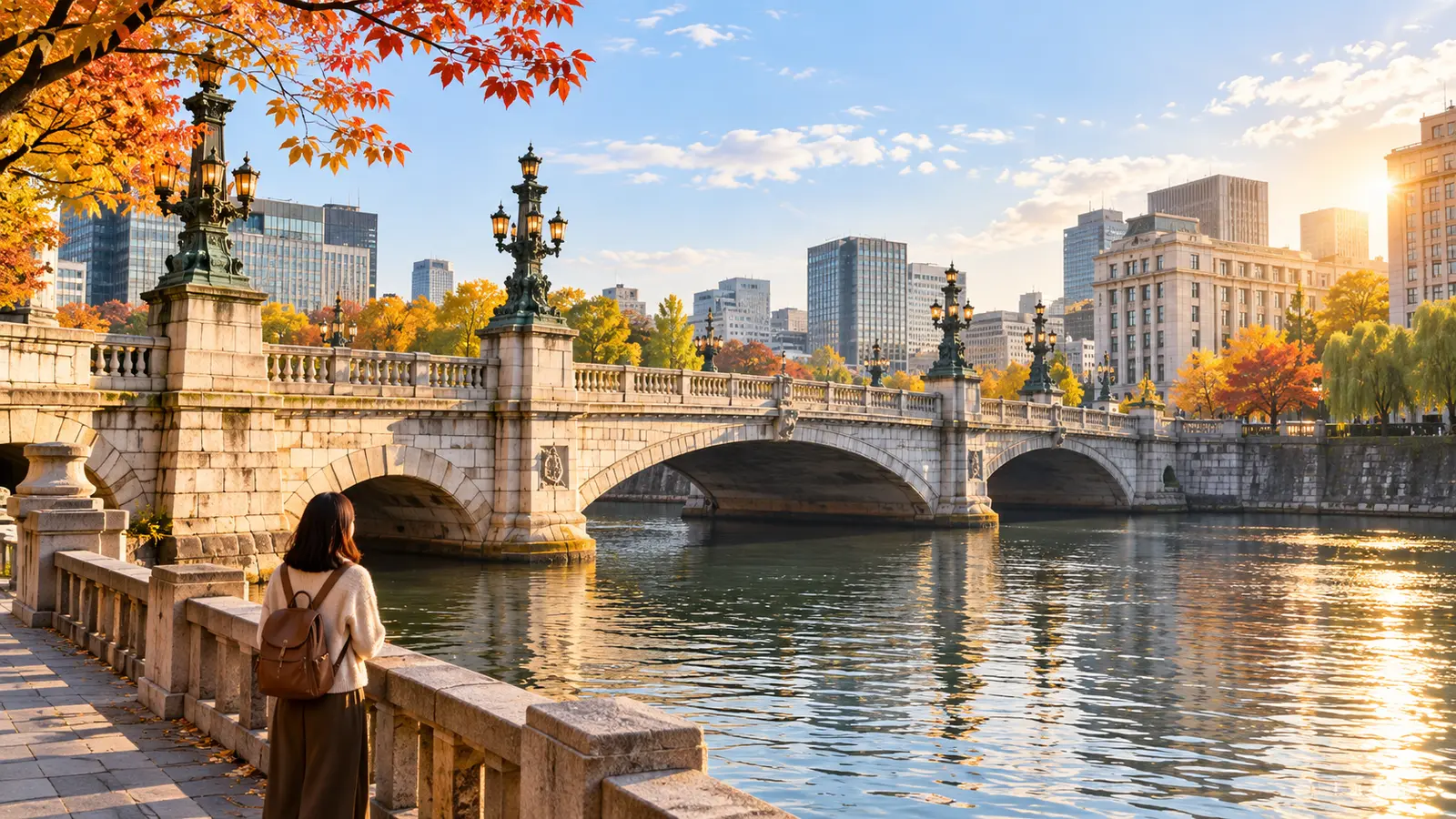
Nihonbashi and a Sushi Class in One Day
Pair Nihonbashi, where Edo's fish market stood, with a sushi class in Asakusa. Direct subway routes, what to see and two easy plans for one day.