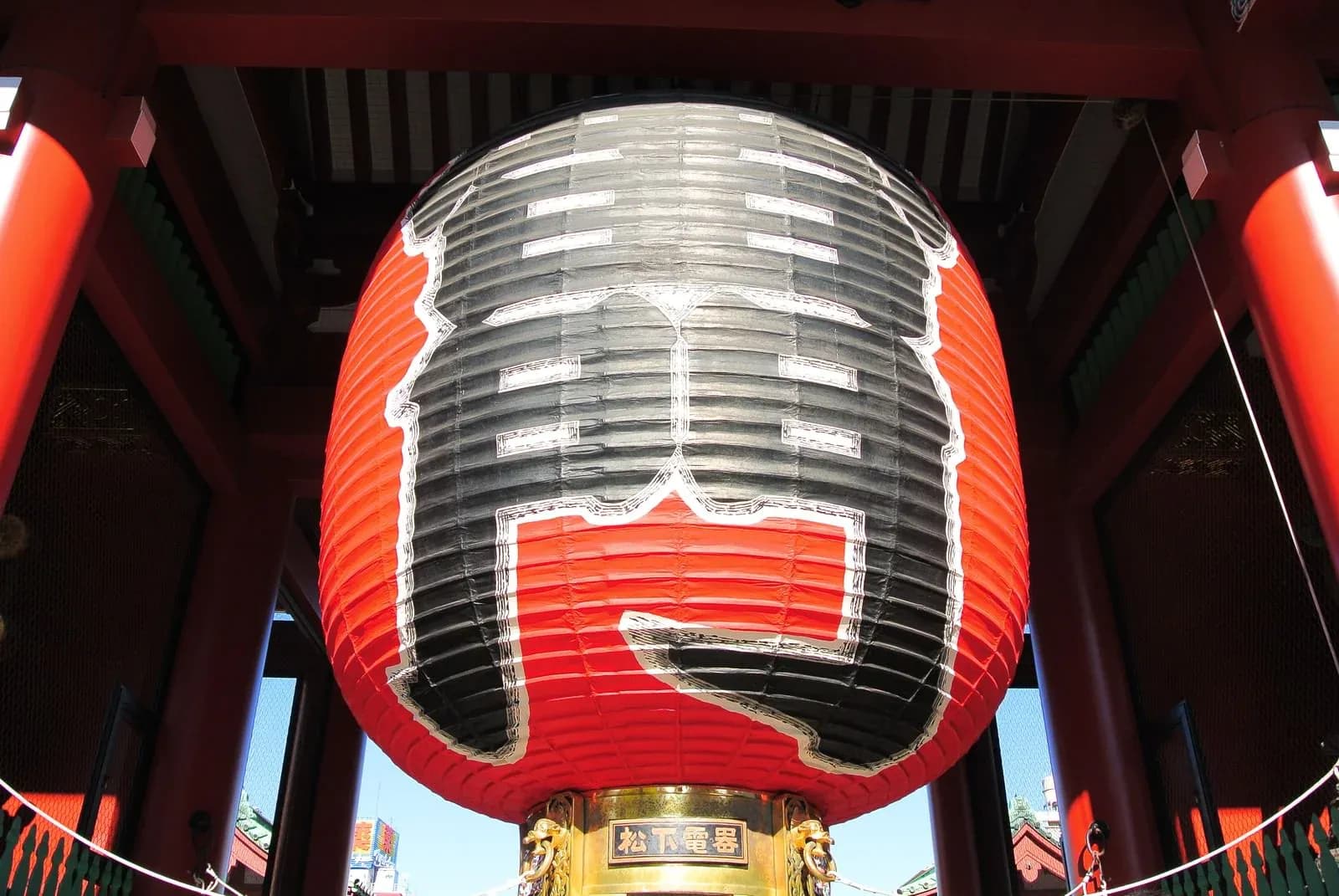
Showa Day in Asakusa: A Nostalgic Food Journey Through Tokyo's Retro Heart
Every April 29th, Japan celebrates Showa Day (昭和の日), a national holiday commemorating the birthday of Emperor Hirohito and reflecting on the tumultuous yet transformative Showa era (1926-1989). While Tokyo has largely modernized beyond recognition, one neighborhood remains a living time capsule of this nostalgic period: Asakusa.
Popular in Tokyo right now — our most recommended experience
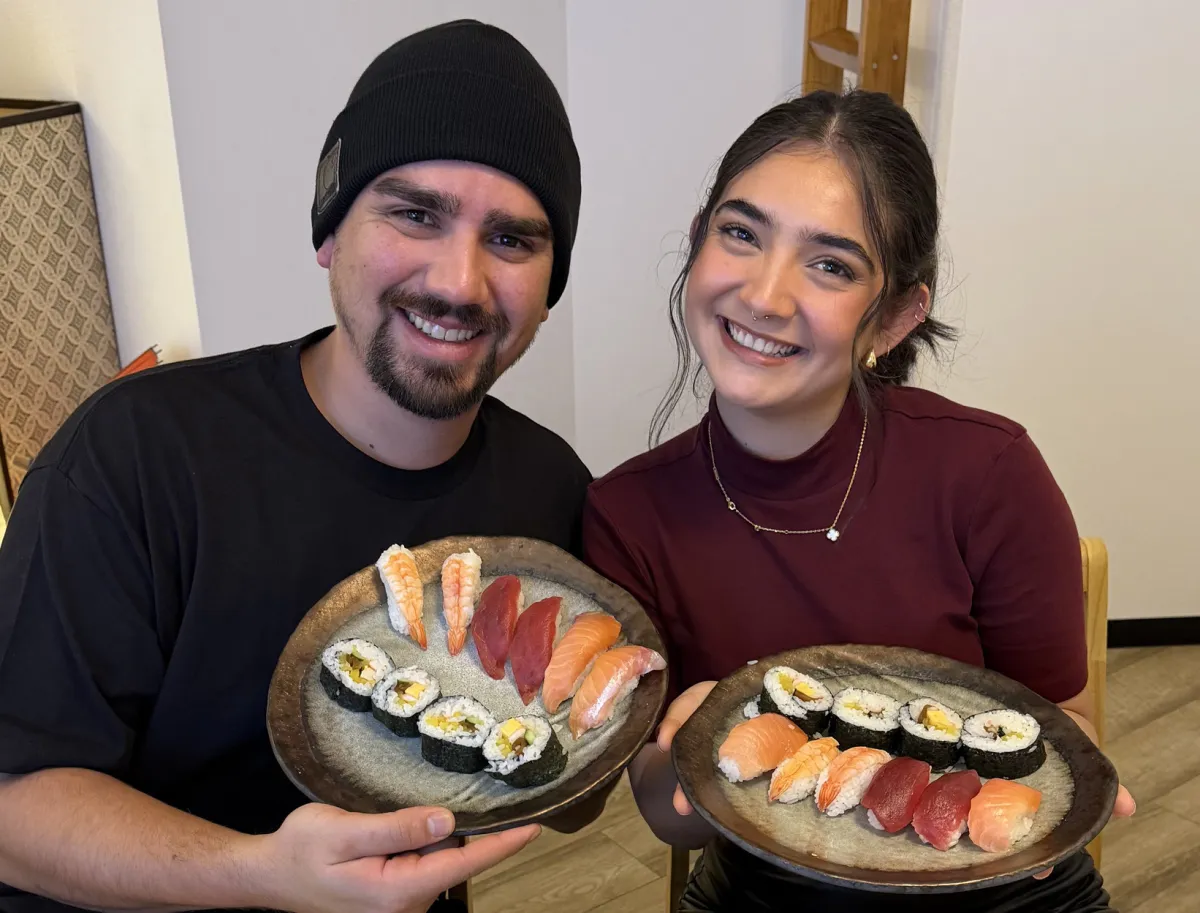
Tokyo Sushi Making Class : Sake Ceremony & Matcha Experience in Asakusa
What Makes Showa Day Special
Showa Day kicks off Golden Week, Japan's beloved string of consecutive holidays. But beyond its practical role as a vacation starter, the day invites Japanese people to reflect on an era that shaped modern Japan—its rapid industrialization, post-war recovery, and the emergence of a uniquely Japanese take on Western culture.
For food lovers, the Showa era represents a golden age of culinary innovation. This was when Japan developed yoshoku (洋食), the distinctive Japanese interpretation of Western dishes that created entirely new comfort food categories.
Asakusa: Tokyo's Showa Time Machine
Walking through Asakusa's backstreets is like stepping into a Showa-era film set. Unlike neighborhoods that have undergone dramatic redevelopment, Asakusa has preserved its mid-century character—from the retro signage of Nakamise-dori to the narrow alleyways hiding decades-old establishments.
The neighborhood's resistance to change isn't mere stubbornness; it's a conscious preservation of cultural memory. Many of Asakusa's restaurants and cafés have been family-run for generations, passing down recipes and atmospheres that simply can't be replicated.
The Art of Kissaten: Japan's Retro Coffee Culture
No Showa Day food journey is complete without visiting a kissaten (喫茶店), the traditional Japanese coffee house that reached its cultural peak during the Showa era. These aren't modern third-wave coffee shops—they're temples of nostalgia where time moves differently.
What to Order at a Classic Kissaten:
- Cream Soda Float (クリームソーダ): That iconic emerald-green melon soda topped with vanilla ice cream. The visual alone transports you to 1960s Japan.
- Jumbo Purin (プリン): The firm, caramel-drenched Japanese pudding that puts Western crème caramel to shame.
- Anmitsu (あんみつ): A traditional dessert of agar jelly, sweet beans, mochi, and fruits—peak Showa sweetness.
- Hot Cakes (ホットケーキ): Not American pancakes, but the thick, souffle-like Japanese interpretation.
The ritual of ordering these items—often from a plastic food display outside—is itself a Showa experience. Inside, you'll find velvet seats, wood paneling, and perhaps a jazz record playing softly in the background.
Yoshoku: Where West Meets Japan
The Showa era birthed yoshoku, Japan's creative reinterpretation of Western cuisine. These dishes became household staples and remain beloved comfort food today.
Essential Yoshoku Dishes to Try:
- Napolitan (ナポリタン): Spaghetti stir-fried with ketchup, onions, peppers, and sausage. It sounds simple, but the slightly sweet, smoky flavor is addictively Japanese.
- Omurice (オムライス): Ketchup-flavored chicken rice wrapped in a silky omelet, often topped with more ketchup or demi-glace sauce.
- Ebi Furai (エビフライ): Panko-breaded fried shrimp that elevated humble crustaceans to a premium dining experience.
- Hayashi Rice (ハヤシライス): A rich beef stew served over rice, somewhere between curry and demi-glace.
In Asakusa, you'll find yoshoku restaurants that have been serving these dishes since their inception—places where the recipes haven't changed because they didn't need to.
Connecting Tradition: From Yoshoku to Sushi
What's fascinating about the Showa era is how it balanced Western influence with deep appreciation for traditional Japanese cuisine. The same generation that embraced Napolitan also elevated sushi from street food to fine dining art.
The Edomae sushi tradition—born in Tokyo—flourished during the Showa period. Techniques for preparing neta (toppings) were refined, the relationship between itamae (sushi chef) and customer became ritualized, and sushi transformed into the cultural institution we know today.
At Sushi & Matcha, we honor both traditions. Our cooking classes teach authentic Edomae sushi techniques while our matcha experience continues the ceremonial tea practices that have remained unchanged for centuries. It's a fitting way to celebrate Showa Day—by connecting with culinary traditions that span generations.
Planning Your Showa Day Food Walk
Here's a suggested itinerary for experiencing Asakusa's retro food culture:
Morning: Start with a leisurely breakfast at a kissaten. Order the morning set (モーニングセット)—typically toast, a hard-boiled egg, and coffee—at a fraction of regular prices.
Late Morning: Explore Nakamise-dori and sample traditional street snacks like ningyo-yaki (人形焼) and age-manju (揚げまんじゅう).
Lunch: Seek out a yoshoku restaurant for Napolitan or omurice. Look for places with faded signs and plastic food displays—these are usually the authentic gems.
Afternoon: Book a sushi making class to learn the traditional techniques that define Tokyo's culinary heritage.
Evening: End with cream soda at a kissaten, watching the Showa-era neon signs flicker to life along Asakusa's entertainment district.
The Deeper Meaning of Showa Nostalgia
The current boom in Showa nostalgia isn't mere retro aesthetics—it reflects a longing for simpler times and authentic experiences. In an era of algorithm-driven everything, there's something profoundly satisfying about food made the same way for 50 years, served in spaces that haven't been "optimized."
Asakusa offers something increasingly rare: experiences that haven't been designed for Instagram, places where the priority is still the food and the moment rather than the photo opportunity.
Visiting During Golden Week
Golden Week (April 29 - May 5) brings crowds to Asakusa, but early mornings remain peaceful. Arrive before 9 AM to experience Senso-ji Temple's grounds in relative tranquility, then let the day unfold at Showa-era pace—slow, deliberate, and focused on simple pleasures.
If you're planning a cooking class during Golden Week, book early as spots fill quickly during this popular travel period.
Showa Day reminds us that progress doesn't require abandoning the past. In Asakusa, you can taste both the nostalgia of cream soda floats and the timeless tradition of hand-pressed sushi—a perfect blend of the era's dual legacies.
Related Articles
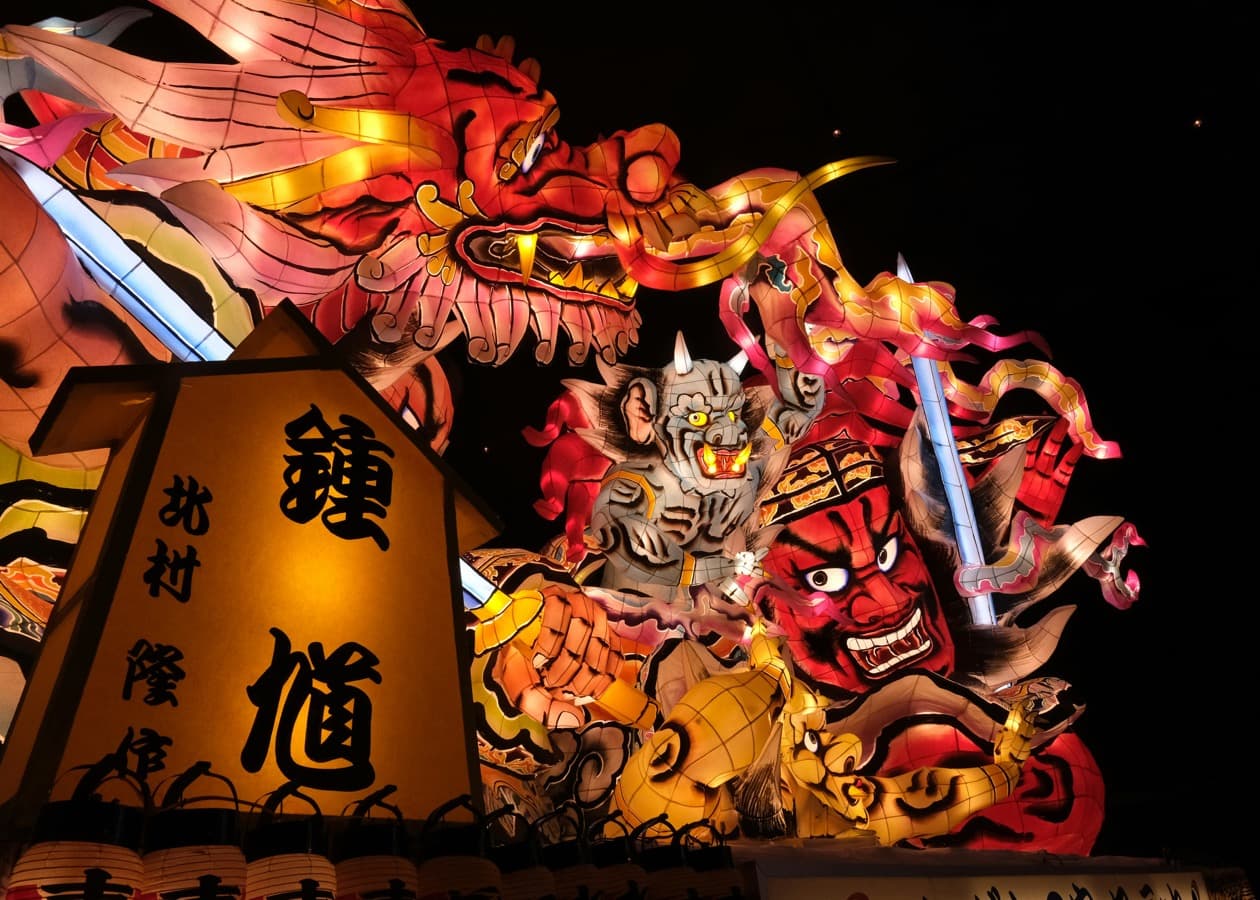
Sanja Matsuri: Tokyo's Greatest Festival and the Ultimate Guide to Asakusa Street Food
Experience the wildest festival in Tokyo this May 15-17. Discover the history, mikoshi processions, and incredible street food that make Sanja Matsuri an unmissable celebration in Asakusa.
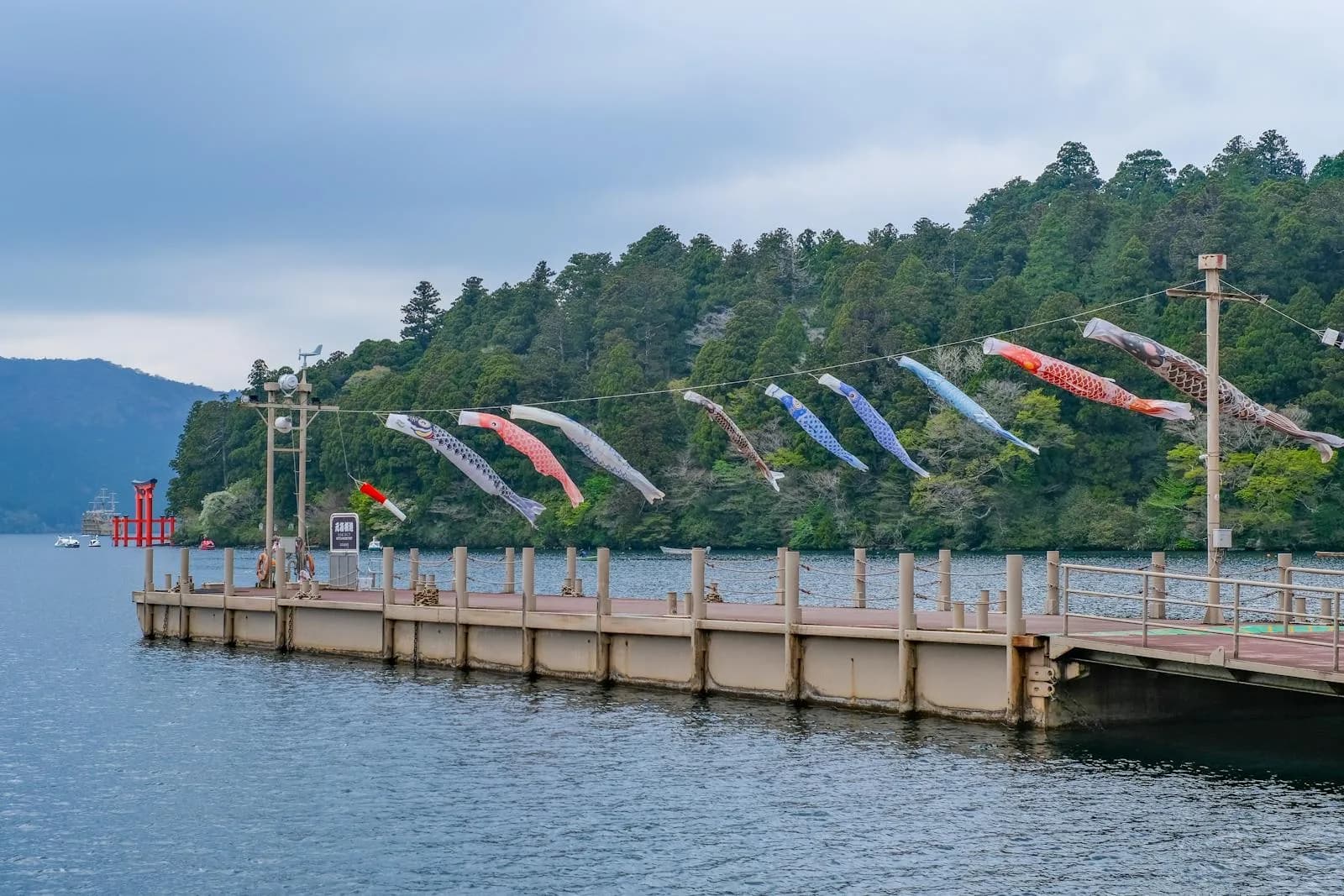
Tango no Sekku and Celebratory Sushi: The Culinary Traditions of Japan's Children's Day
Discover how Japan's Children's Day on May 5th is celebrated with auspicious fish and sushi traditions that symbolize strength, success, and prosperity for children.
Ohigan and the Art of Seasonal Eating: How Japan's Spring Equinox Shapes Culinary Traditions
Discover Ohigan, Japan's unique Buddhist tradition celebrating the spring equinox. Learn about botamochi, sakura-dai, and how Asakusa embraces this week of ancestral gratitude and seasonal cuisine.