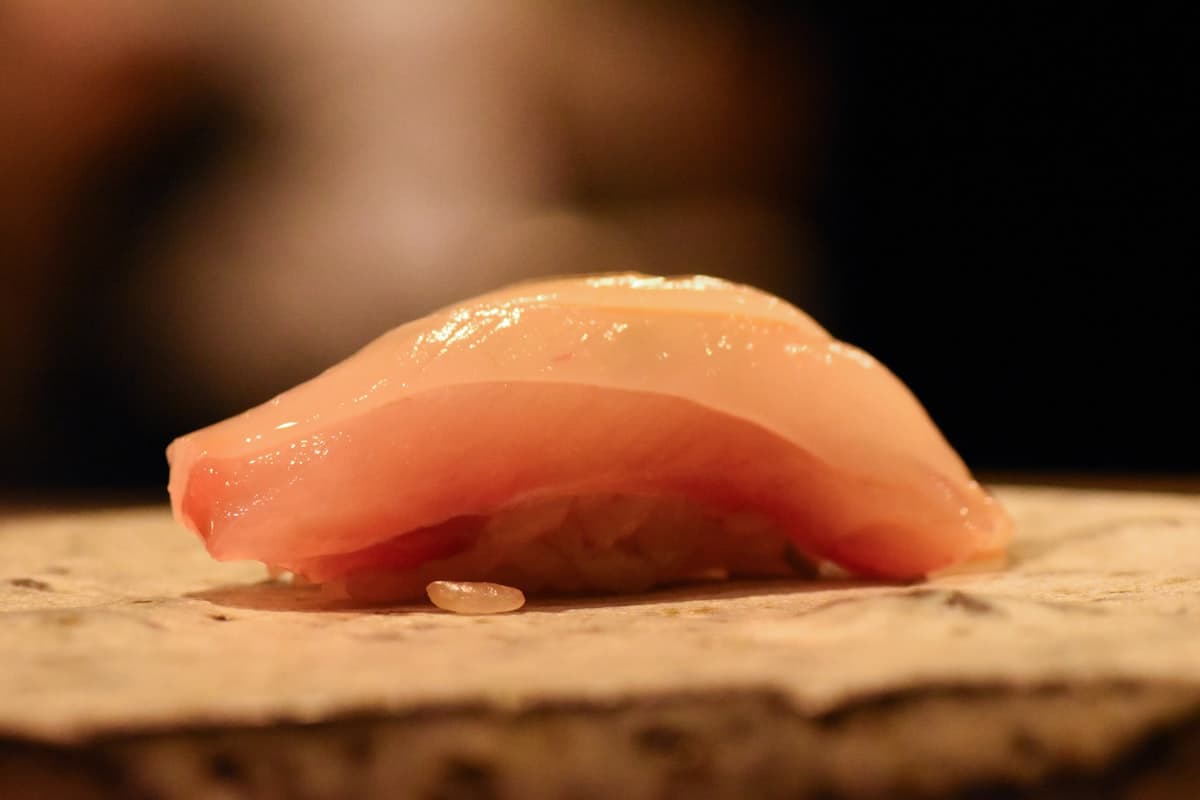
Shun: The Japanese Philosophy of Eating at the Perfect Moment
In a Tokyo sushi bar, a regular customer sits down and asks a seemingly simple question: "What's good today?"
The chef doesn't consult a menu. Instead, he considers the date—not just the season, but the precise moment within it. Is the bonito still in its early, lean "hatsu-gatsuo" phase, or has it reached the richer "modori-gatsuo" of autumn? Are the sea urchins from Hokkaido at their creamy peak, or should he recommend the sweeter variety from Kyushu this week?
This isn't guesswork. It's shun (旬)—a philosophy that has guided Japanese cuisine for over a thousand years, and one that transforms eating from mere sustenance into a profound connection with nature's rhythms.
Popular in Tokyo right now — our most recommended experience
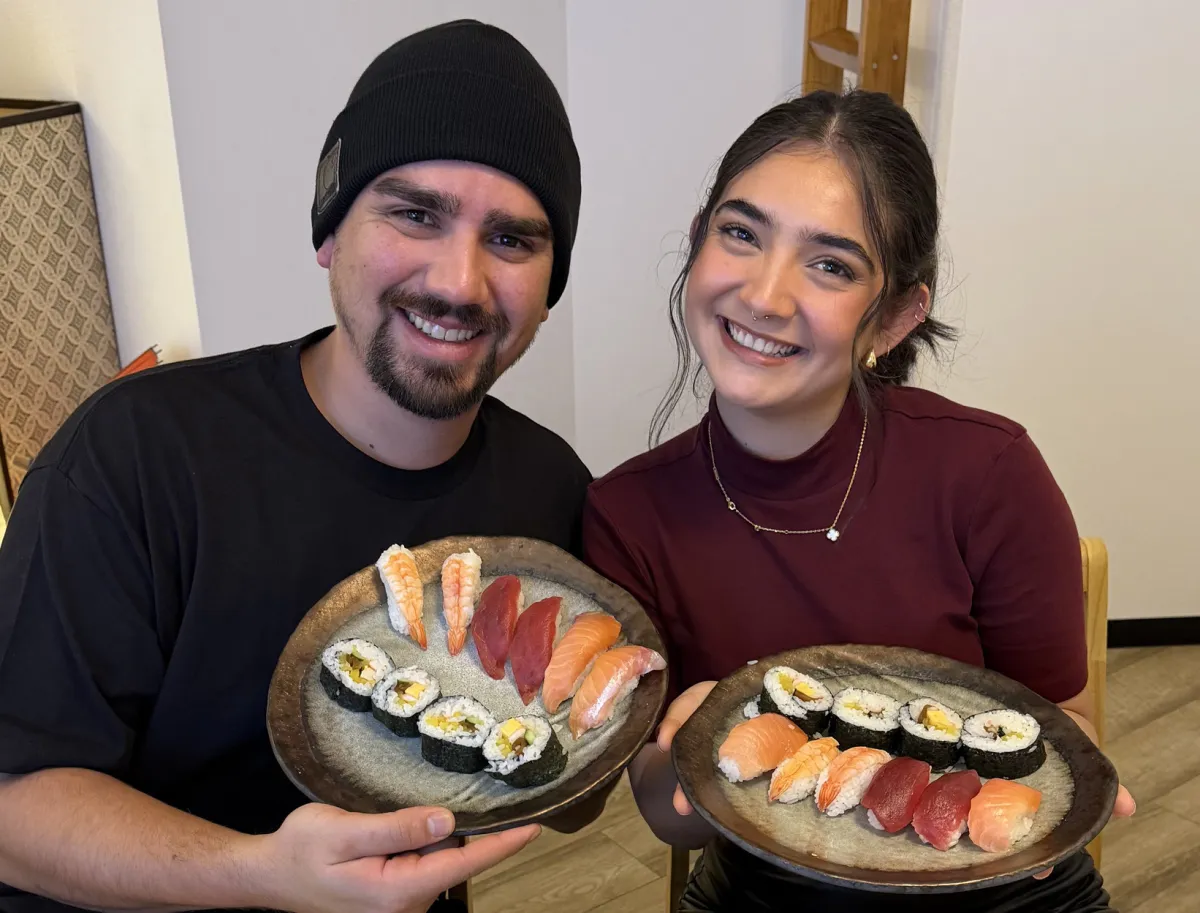
Tokyo Sushi Making Class : Sake Ceremony & Matcha Experience in Asakusa
Understanding Shun: More Than Just "Seasonal"
Western cuisine certainly celebrates seasonal eating. Farm-to-table restaurants proudly announce "spring asparagus" or "autumn squash." But the Japanese concept of shun operates on an entirely different level of precision and reverence.
Shun refers specifically to the brief window—sometimes just days or weeks—when an ingredient reaches its absolute peak in flavor, texture, nutrition, and natural abundance. It's not simply about what's available; it's about what's perfect.
As Chef Ryuta Iizuka of Tokyo's two-Michelin-starred Ryuzu explains: "Shun refers to the period when ingredients are at their most delicious, most nutritious, and most reasonably priced. When all three align, that is shun."
The Three Seasons of Every Ingredient
Japanese culinary philosophy further divides each ingredient's lifecycle into three distinct phases:
Hashiri (走り) — The First Taste The earliest arrival of an ingredient. Quantities are limited, prices high, but there's an irreplaceable excitement in tasting the "first of the season." The flavor is often lighter, more delicate—like meeting someone young and full of potential.
Shun (旬) — The Peak The sweet spot. The ingredient has fully matured, reaching its maximum flavor depth while remaining naturally abundant. This is when eating becomes almost meditative—you're experiencing something at its absolute best.
Nagori (名残) — The Farewell The late season, when the ingredient's time is ending. Flavors become deeper, more complex, sometimes tinged with a pleasant bitterness. There's a Japanese term, mono no aware, for the bittersweet awareness of impermanence—nagori ingredients embody this feeling on the plate.
Why Shun Matters More Today Than Ever
In an age of global supply chains and year-round availability, the concept of shun might seem quaint. You can eat strawberries in December and salmon every day of the year. Why wait?
But this accessibility has come with a hidden cost: we've lost the anticipation.
Traditional Japanese cuisine understood something profound about human happiness—that delayed gratification amplifies pleasure. The first hatsu-gatsuo (early bonito) of May doesn't just taste good because the fish is excellent. It tastes extraordinary because you've waited an entire year for this moment. You've missed it. You've anticipated it. And now it's finally here.
This is why true sushi connoisseurs in Japan often reject imported, out-of-season ingredients even when they're technically high-quality. As one Tsukiji veteran fish buyer told us: "A strawberry in December isn't a strawberry. It's just something shaped like one."
Shun in Practice: A Seasonal Journey Through Japanese Cuisine
Spring (March–May)
- Sakura dai (cherry blossom sea bream) — The pink-hued fish that coincides with cherry blossom season
- Hatsu-gatsuo — The first bonito, lean and refreshing, "worth pawning your wife for" according to Edo-period proverbs
- Takenoko — Fresh bamboo shoots, sweet and tender for mere weeks
- Hotaru ika — Firefly squid, glowing blue as they're caught at night
Summer (June–August)
- Anago (conger eel) — At its most delicate before the intense heat
- Ayu (sweetfish) — The "queen of rivers," tasting of cucumber and mountain streams
- Uni from Hokkaido — Sea urchin reaching its creamy, sweet peak
- Hamo (pike conger) — A Kyoto specialty requiring masterful knife skills
Autumn (September–November)
- Sanma (Pacific saury) — The defining fish of autumn, grilled simply with salt
- Modori-gatsuo — Bonito returning south, now rich with fat
- Matsutake mushrooms — Their piney aroma fetches astronomical prices
- Shinmai — New rice, harvested and eaten with reverence
Winter (December–February)
- Buri (yellowtail) — Fatty and luxurious from the cold waters
- Fugu (pufferfish) — When properly licensed chefs serve this delicacy at its safest
- Hirame (flounder) — The engawa (fin edge) becomes extraordinarily rich
- Tara (cod) — Perfect for nabe hot pots
Experiencing Shun at Sushi & Matcha
Understanding shun transforms a cooking class from a simple lesson into a cultural immersion. When you join our sushi-making experience in Asakusa, we don't just teach you technique—we explain why we've chosen today's particular fish.
If you visit in May, you might work with the celebrated hatsu-gatsuo, learning how to slice it for tataki. In autumn, our seasonal sushi classes feature ingredients you simply cannot find the rest of the year. The matcha we serve is also selected for peak freshness, with our matcha experience highlighting seasonal wagashi that complement the tea's unique terroir.
This philosophy extends beyond fish. The vinegar for sushi rice, the soy sauce for dipping, even the wasabi—each component has its own shun. Master chefs in Japan spend decades learning to recognize these subtle peaks.
Bringing Shun into Your Own Kitchen
You don't need to be in Tokyo to embrace shun. Here's how to start:
-
Learn your local shun calendar. Every region has peak seasons for its ingredients. Get to know yours.
-
Shop at farmers' markets. The vendors will tell you exactly when something is at its best—and often refuse to sell you anything that isn't.
-
Ask your fishmonger. Instead of requesting a specific fish, ask: "What's best today?" This simple shift opens conversations and discoveries.
-
Embrace limitation. Resist the temptation to buy something just because it's available. Wait for its peak. The anticipation is part of the meal.
-
Practice gratitude. In Japanese, itadakimasu (said before eating) means "I humbly receive." It's an acknowledgment that this ingredient, at this exact moment, is a gift from nature's timing.
The Deeper Meaning
There's a Japanese expression: ichi-go ichi-e (一期一会), meaning "one time, one meeting." It's the recognition that every moment is unique and will never come again.
Shun is this philosophy applied to food. The sushi you eat today—made with this particular fish, caught in this specific water, at this precise moment in its seasonal journey—will never exist again. Even tomorrow, it will be subtly different.
When you truly understand this, eating becomes a form of mindfulness. Each bite is not just nourishment; it's a conversation between you and the natural world, happening in real-time, at the perfect moment.
And that, more than any technique or recipe, is the secret heart of Japanese cuisine.
Ready to experience shun firsthand? Book a seasonal sushi class at Sushi & Matcha in Asakusa, where our instructors teach not just how to make sushi, but how to understand the philosophy that makes it meaningful.
Related Articles
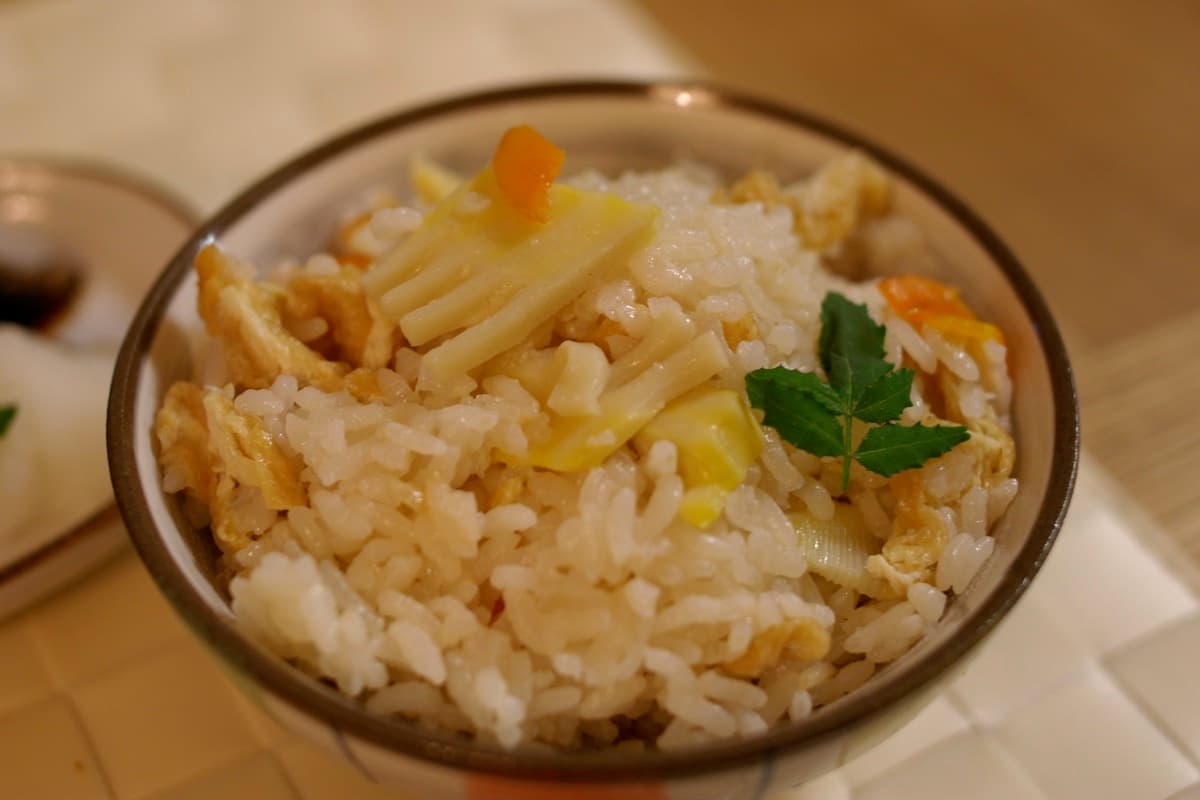
The Art of Takenoko: Why April is the Best Time to Experience Japan's Spring Cuisine
Discover takenoko, the bamboo shoot that defines spring in Japanese cooking. Learn why April is the perfect month to experience this seasonal delicacy in Tokyo and how it connects to Japan's culinary philosophy of shun.
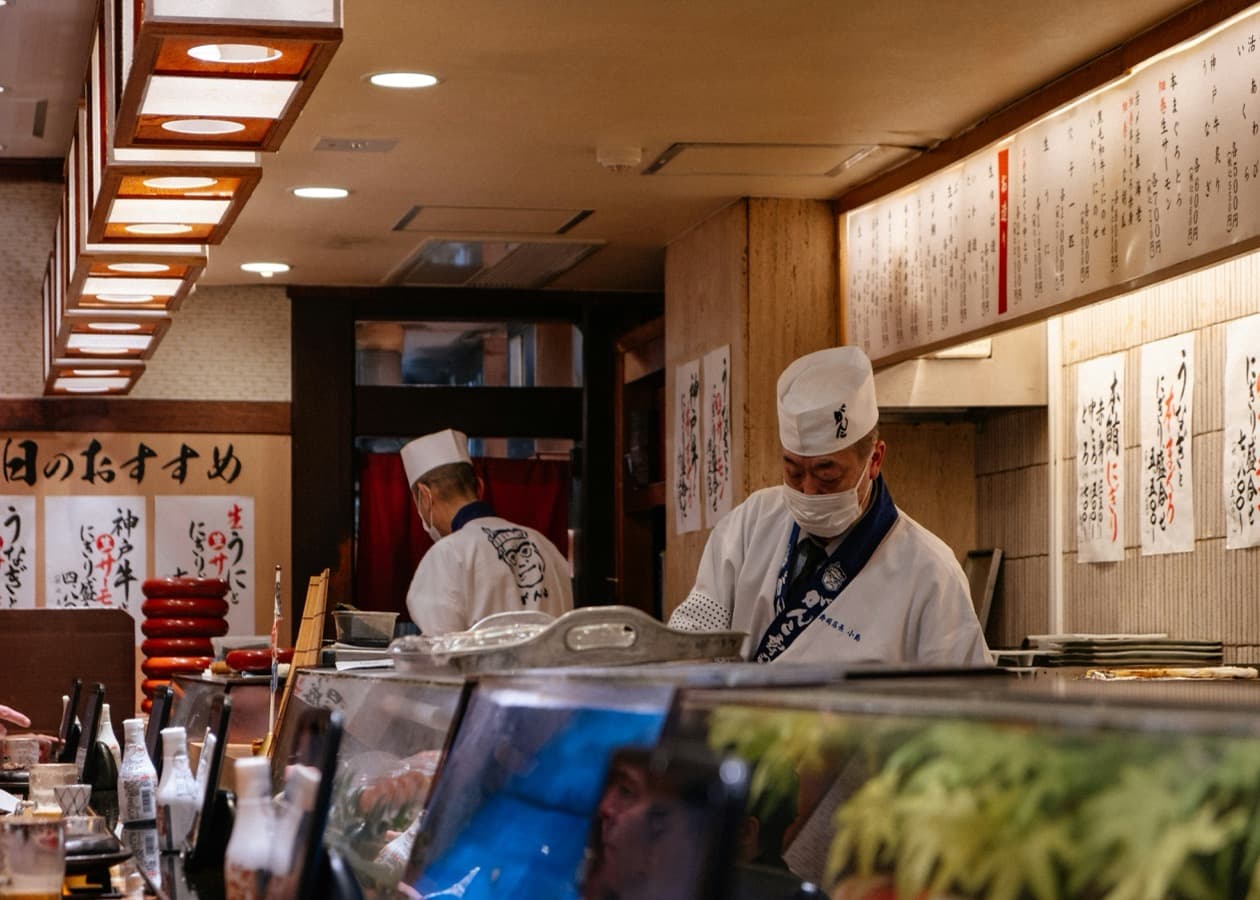
Spring's Bounty: 5 Seasonal Sushi Toppings You Can Only Savor in Tokyo This March
From sawara with 'spring' written in its name to the first bonito of the season, discover the ephemeral sushi toppings that make March the most exciting month for Edomae sushi lovers in Tokyo.
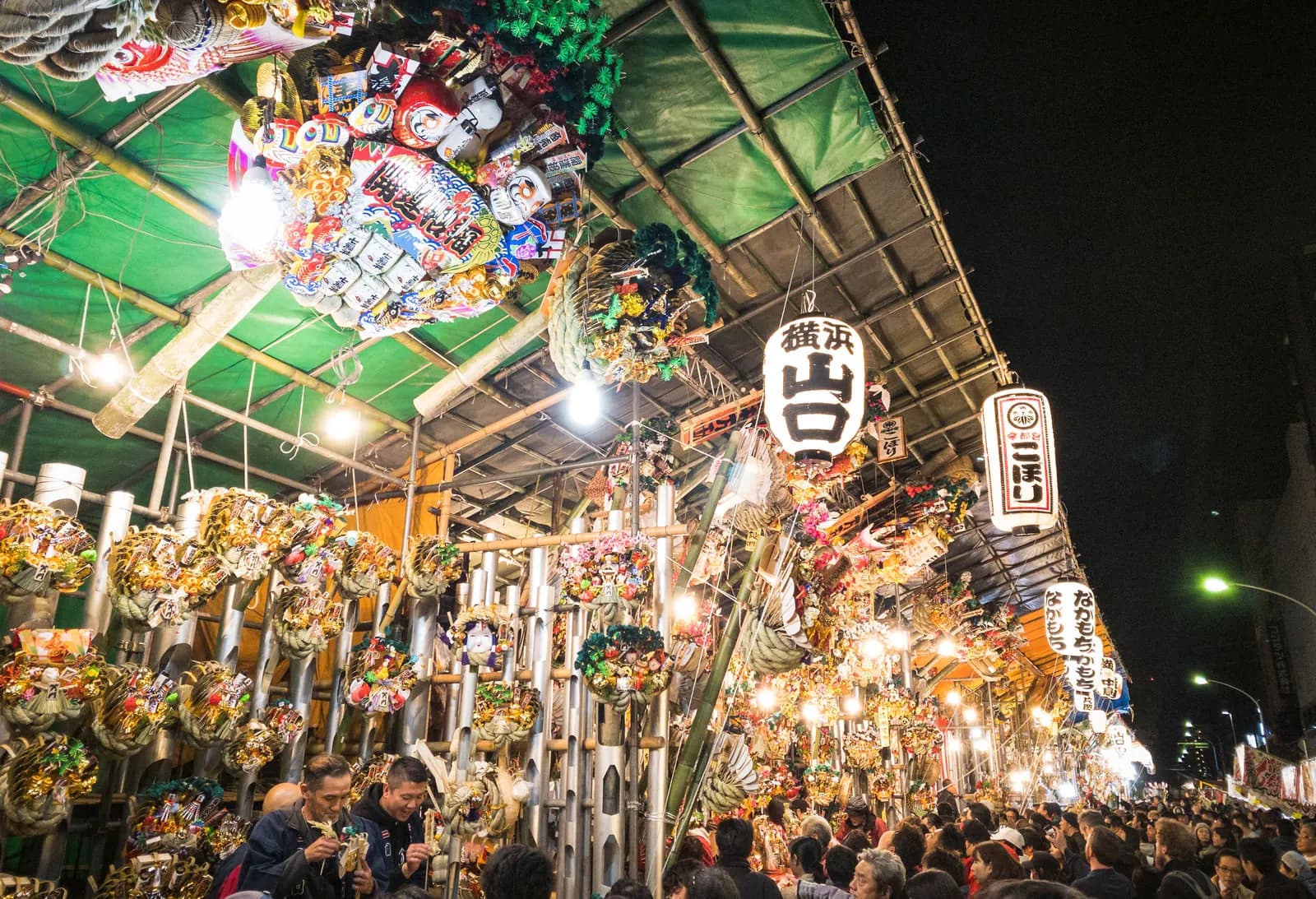
Summer in Asakusa: Festivals, Fireworks, and Seasonal Sushi Delights
Discover the magic of summer in Asakusa—from vibrant Tanabata festivals to the art of seasonal Edomae sushi featuring shinko, anago, and aji.