Spring in Asakusa: A Journey Through Cherry Blossoms, Sanja Matsuri, and Seasonal Sushi
Spring in Asakusa: A Journey Through Cherry Blossoms, Sanja Matsuri, and Seasonal Sushi
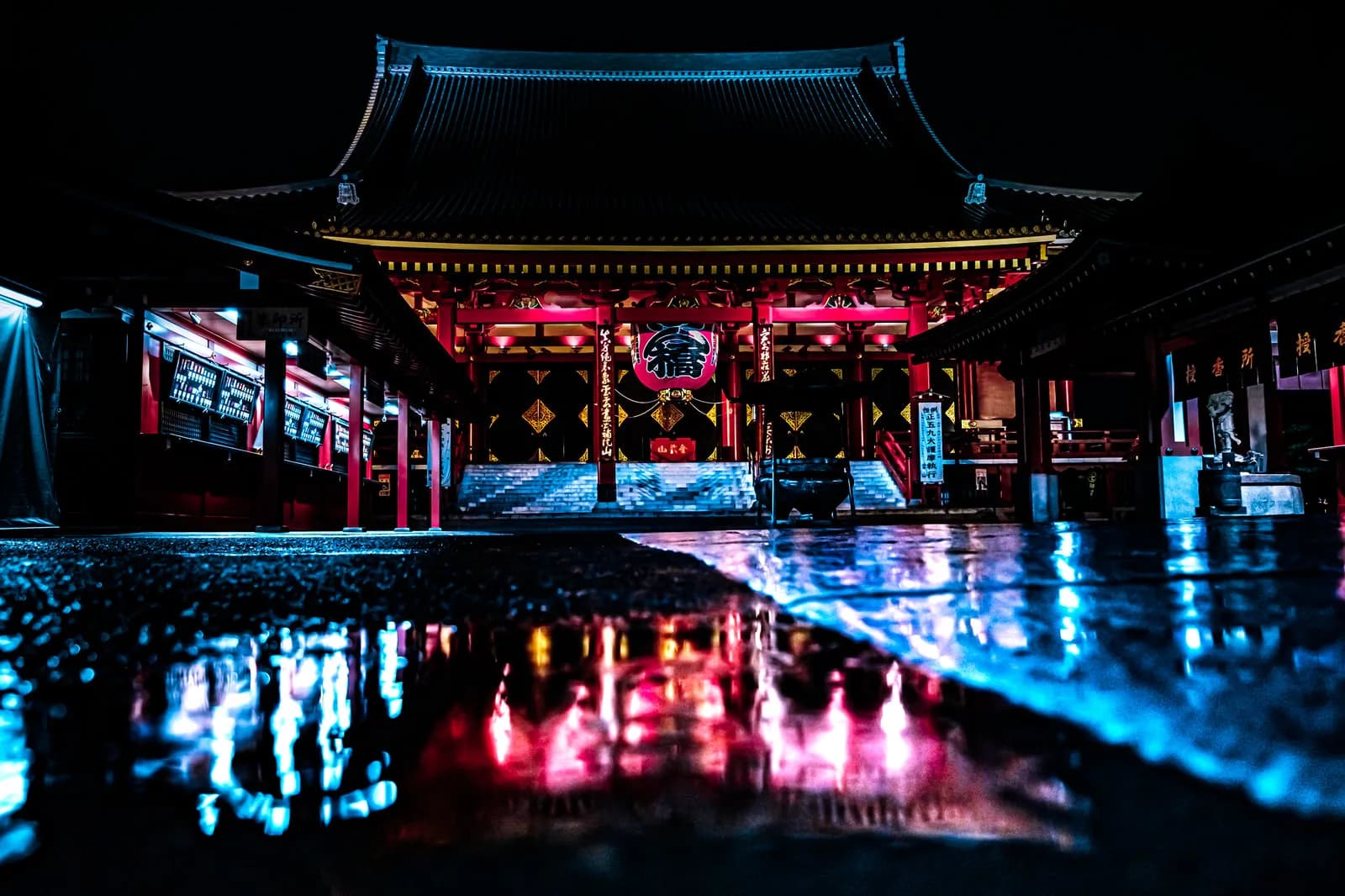
As Risshun (the beginning of spring) passes, a gentle warmth begins to settle over Asakusa. With each sway of the great red lantern at Kaminarimon Gate, you can almost feel the promise of warmer days ahead. Soon, the banks of the Sumida River will be painted in delicate shades of pink, and the grounds of Asakusa Shrine will echo with the spirited chants of festival-goers.
At Sushi Matcha, we've always believed that understanding Japanese cuisine means experiencing the seasons themselves. Today, we invite you to explore the most vibrant time of year in Asakusa—spring. From legendary cherry blossom spots to the thunderous energy of Sanja Matsuri, and the seasonal delicacies that grace sushi counters, here's your complete 2026 guide.
Popular in Tokyo right now — our most recommended experience

Tokyo Sushi Making Class : Sake Ceremony & Matcha Experience in Asakusa
Cherry Blossoms Along the Sumida: Where Edo Elegance Lives On
When spring arrives in Asakusa, the first thing that comes to mind is the cherry blossoms of Sumida Park. Designated as one of Japan's "100 Best Cherry Blossom Spots," this area has been a beloved hanami destination since the Edo period.
The tradition runs deep. It began during the reign of the fourth shogun, Tokugawa Ietsuna, and in 1717, the eighth shogun Yoshimune planted an additional 100 cherry trees. Today, approximately 300 trees line the Sumida ward side, with another 600 on the Taito ward side—nearly 900 trees in total painting both banks of the Sumida River in breathtaking pink.
2026 Cherry Blossom Forecast
According to Japan Weather Corporation predictions, cherry blossoms in Tokyo are expected to begin blooming around March 20, 2026 (Friday, national holiday), reaching full bloom around March 27 (Friday). The typical viewing season runs from mid-March through early April.
The Bokutei Sakura Matsuri (Cherry Blossom Festival) is scheduled from mid-March through early April. Local neighborhood associations set up food stalls, and geisha from Asakusa operate a limited-time "Geisha Teahouse"—a rare opportunity to experience traditional entertainment.
Best Spots for Cherry Blossom Viewing
From Asakusa Station, head toward the water bus terminal to find the entrance to Sumida Park. The 2-kilometer stretch along the Sumida River to Sakura Bridge offers the quintessential hanami experience.
Pro tip: Cross the "Sumida River Walk" bridge to easily access the Sumida ward side. The combination of cherry blossoms with Tokyo Skytree in the background creates an Instagram-worthy moment you won't forget.
Evening illuminations (18:30–21:00) transform the trees into a magical nighttime spectacle. For a truly Edo-style experience, consider viewing the blossoms from a traditional yakatabune (houseboat) cruising along the Sumida River.
Sanja Matsuri: When Asakusa Comes Alive
As cherry blossoms scatter and fresh green leaves emerge, Asakusa enters its most electrifying season. Sanja Matsuri—the grand festival of Asakusa Shrine—is counted among Tokyo's three greatest festivals and stands as Asakusa's biggest annual event.
2026 Sanja Matsuri Schedule
The 2026 Sanja Matsuri will be held on May 15 (Friday), 16 (Saturday), and 17 (Sunday). Held annually on the third Friday through Sunday of May, this festival attracts approximately 2 million visitors each year.
Festival Highlights
Day One (Friday) begins with the solemn "Honsha Mikoshi Mitama-ire no Gi" ceremony around 7 PM. Priests transfer the divine spirits from the main shrine into the three main mikoshi (portable shrines)—a sacred ritual that sets the tone for the festivities.
Day Two (Saturday) brings spectacular visuals starting around noon. Nearly 100 neighborhood mikoshi from Asakusa's 44 districts gather at Sensoji Temple grounds for the united procession. The rhythmic chants of the bearers, the jingling bells with each sway of the mikoshi—the entire neighborhood pulses with festival energy.
Day Three (Sunday) is the climax. From early morning, the three main shrine mikoshi are carried out in the "Miya-dashi" ceremony, parading through Asakusa's streets throughout the day. The festival reaches its finale around 8 PM with the "Miya-iri" return procession, as the mikoshi are ceremonially brought back to Asakusa Shrine.
Insider tip: For the best Sanja Matsuri experience, catch the early morning "Miya-dashi" on Sunday or the united procession on Saturday. Position yourself along the mikoshi route to feel the raw energy up close.
Spring Edomae Sushi: The Season's Finest
After taking in the festivals and cherry blossoms, treat yourself to the seasonal treasures of spring sushi. At our sushi classes, we teach the Edomae philosophy of honoring "shun"—the precise moment when each ingredient reaches its peak.
Spring's Star Ingredients
Hatsugatsuo (First Bonito)—The herald of spring. As the famous haiku goes, "Green leaves for the eyes, the mountain cuckoo for the ears, and the first bonito for the tongue." For Edo-era Tokyoites, eating the season's first bonito was a mark of sophistication. With less fat than autumn bonito, spring katsuo offers a clean, refreshing flavor perfect for tataki or nigiri.
Tai (Sea Bream)—Spring's madai, called "sakura-dai" (cherry blossom sea bream), is prized for its firm texture and balanced fat content before spawning season. The pale pink flesh embodies spring itself.
Hamaguri (Clam)—A Hinamatsuri (Girls' Day) tradition, hamaguri reaches its sweet, plump peak in spring. Lightly seared and placed on sushi rice, it releases an elegant ocean aroma.
Kohada (Gizzard Shad)—The quintessence of Edomae sushi, this silver-skinned fish develops rich fat from spring through early summer. Cured in vinegar, kohada offers a masterful balance of acidity and umami.
Creating Spring Memories in Asakusa
Walking beneath cherry blossoms, surrendering to the festival's energy, savoring seasonal sushi—spring in Asakusa engages all five senses.
At Sushi Matcha's experience classes, you can touch these seasonal ingredients with your own hands and experience the joy of crafting your own sushi. You'll learn not just technique, but the stories behind why we eat certain fish at certain times—the deep cultural connection between Japanese cuisine and the seasons.
Planning Your Spring Visit
During cherry blossom season (late March–early April), early morning visits to Sensoji Temple are ideal. Arrive before 8 AM to enjoy the serene combination of cherry blossoms and the five-story pagoda with minimal crowds. Then stroll through Sumida Park with a hanami bento to complete your spring day.
During Sanja Matsuri (mid-May), the entire district transforms into one giant celebration. Hotels book up quickly during this period, so plan ahead. Between festival activities, consider joining one of our cooking classes for a refreshing break.
Following the Spring Breeze
As winter's chill fades and plum blossoms begin to unfurl, Asakusa is filled with anticipation for spring. Soon, cherry blossom petals will dance through Nakamise-dori, and the chants of Sanja Matsuri will echo through every street.
This spring, why not experience something truly special in Asakusa? Whether you're traveling solo or with family, our kitchen always welcomes you.
Join our sushi class in Asakusa to learn everything from nigiri techniques to the art of whisking matcha—and feel the true spirit of Asakusa.
Your Asakusa spring story begins here.
Related Articles
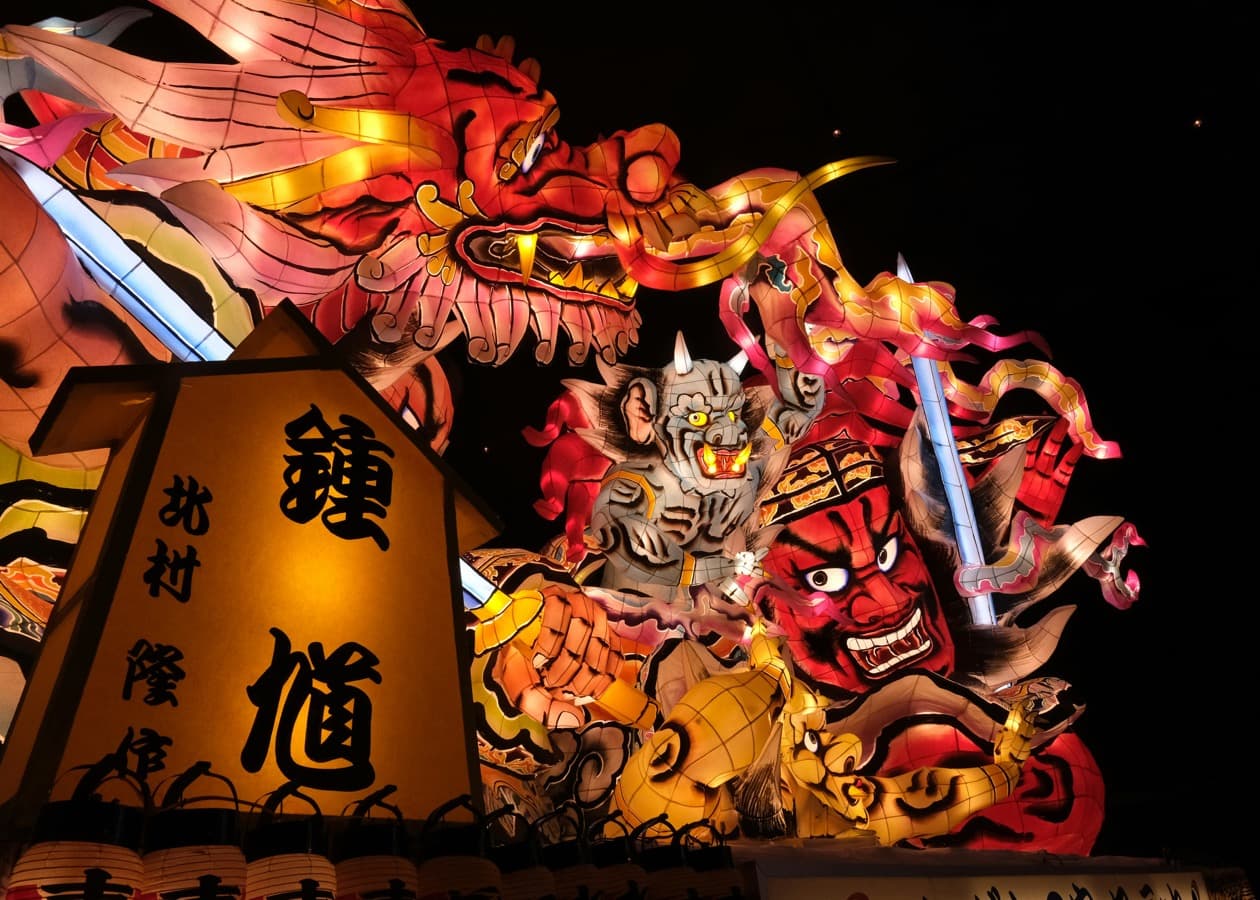
Sanja Matsuri: Tokyo's Greatest Festival and the Ultimate Guide to Asakusa Street Food
Experience the wildest festival in Tokyo this May 15-17. Discover the history, mikoshi processions, and incredible street food that make Sanja Matsuri an unmissable celebration in Asakusa.
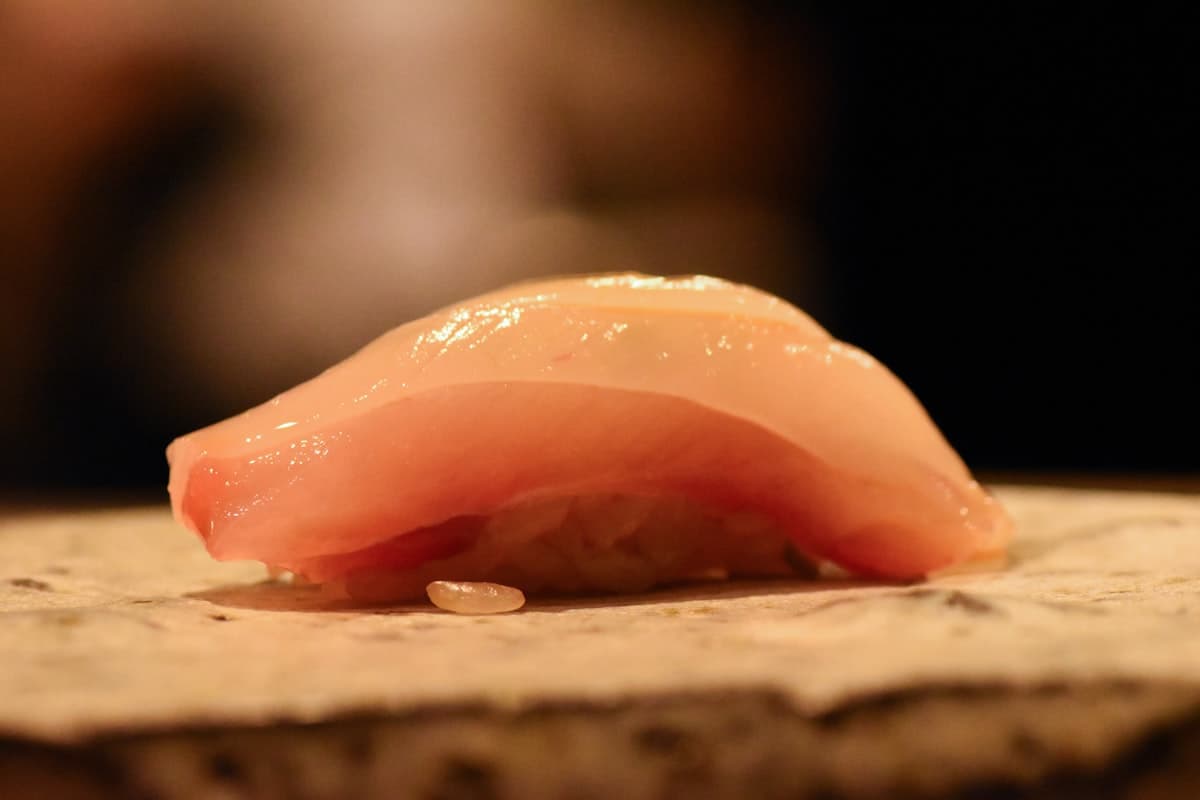
Sakura Dai: The Cherry Blossom Sea Bream That Defines Spring Sushi
Discover sakura dai, Japan's most poetic spring delicacy—a sea bream that turns the color of cherry blossoms and represents the pinnacle of seasonal sushi.
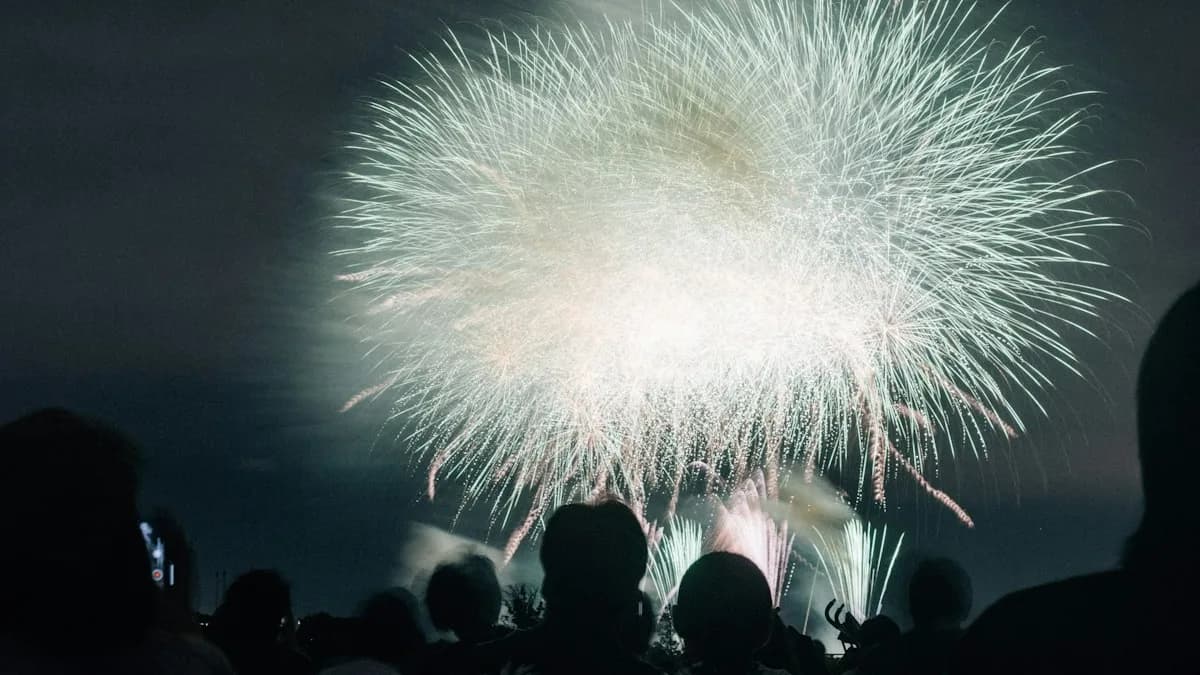
Tokyo Events Guide: July 19-26, 2026 — Fireworks Over the Sumida, Awa Odori in Kagurazaka & Summer Matsuri
The highlight of Tokyo's summer arrives with the Sumida River Fireworks Festival illuminating 20,000 bursts over Asakusa. Meanwhile, Kagurazaka transforms into a corridor of hozuki lanterns and Awa Odori dancers.