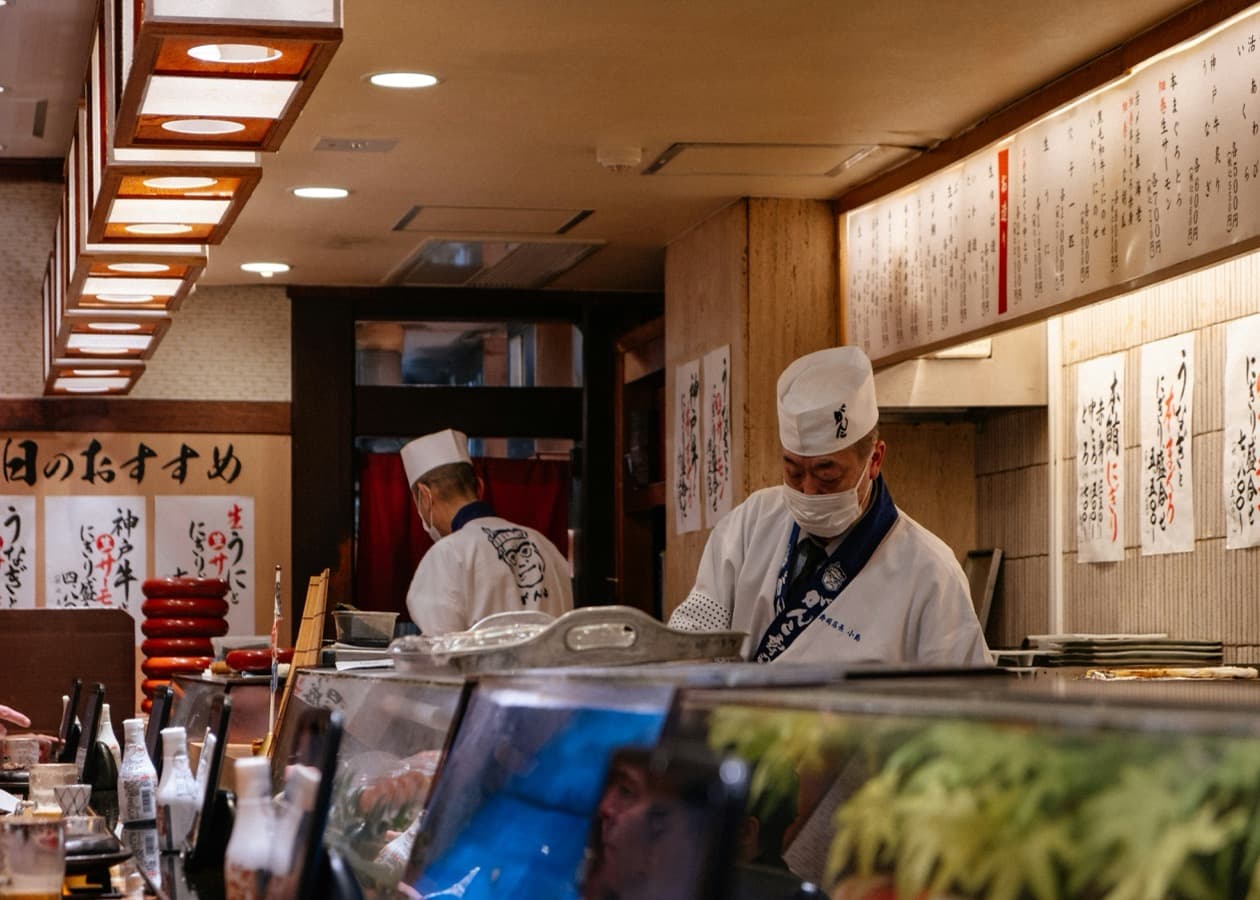
Spring's Bounty: 5 Seasonal Sushi Toppings You Can Only Savor in Tokyo This March
Spring's Bounty: 5 Seasonal Sushi Toppings You Can Only Savor in Tokyo This March
There's a Japanese concept called shun (旬)—the precise moment when an ingredient reaches its peak flavor. For sushi lovers, understanding shun transforms a good meal into a transcendent one. And right now, in March, Tokyo's sushi counters are showcasing some of the most exquisite seasonal toppings of the entire year.
At Sushi & Matcha, we believe that learning to make sushi isn't just about technique—it's about understanding the rhythm of the seasons. Here's your guide to the five spring toppings that sushi chefs across Tokyo are celebrating right now.
Popular in Tokyo right now — our most recommended experience
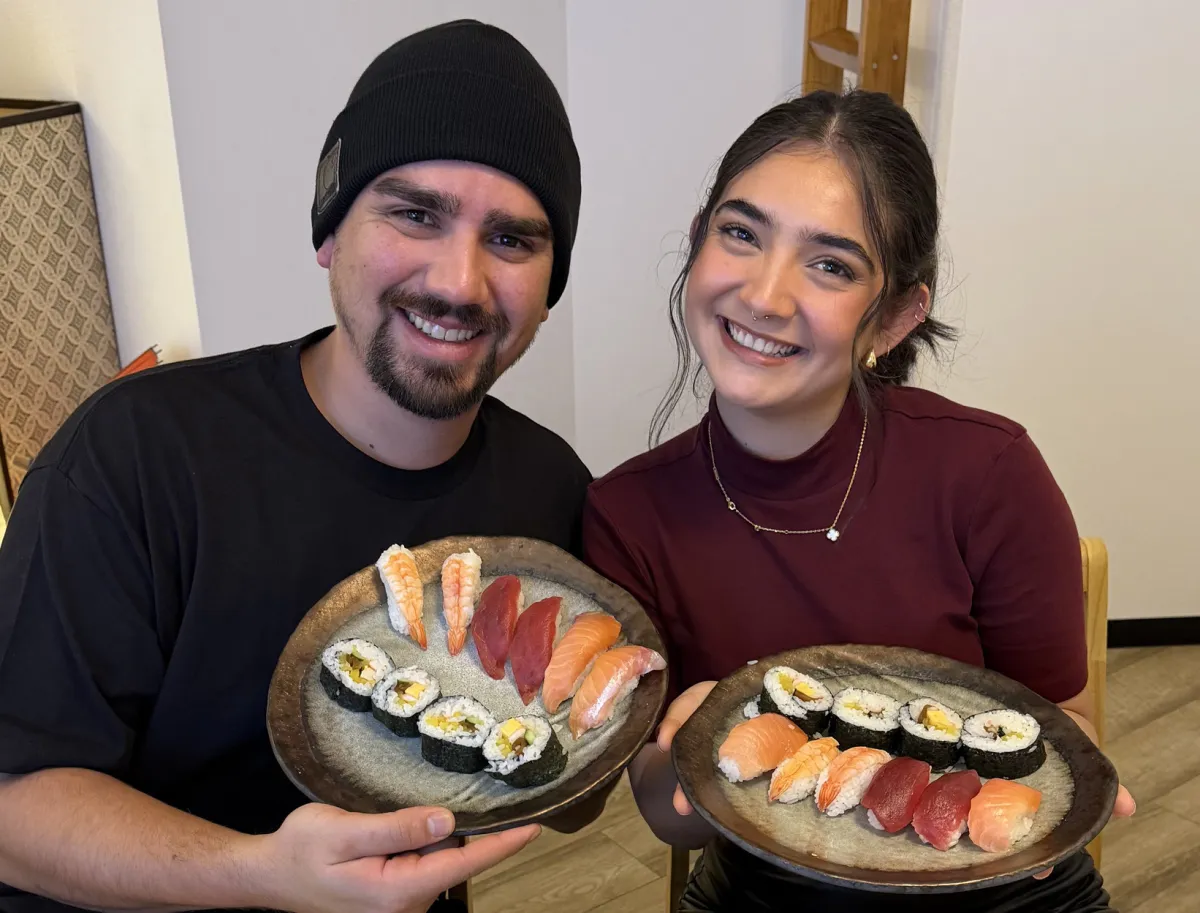
Tokyo Sushi Making Class : Sake Ceremony & Matcha Experience in Asakusa
1. Sawara (鰆) – The Fish That Carries Spring in Its Name
The kanji for sawara literally combines the characters for "fish" (魚) and "spring" (春). This isn't poetic license—it's a culinary truth passed down through centuries of Japanese fishing tradition.
Why March is special: Sawara migrates through the Seto Inland Sea between April and May, but March marks the beginning of the season when the fish are fattening up, their flesh becoming silky and rich with oils.
How it's served: At high-end sushi counters, sawara appears as elegant nigiri with a light sear (aburi) that releases its natural oils. The flavor is clean yet complex—somewhere between mackerel and sea bass.
2. Sakura-dai (桜鯛) – Cherry Blossom Sea Bream
When cherry blossoms paint Tokyo pink, sea bream takes on a rosy hue and a sweeter flavor profile. This isn't coincidence—it's biology. As waters warm, tai (sea bream) prepare for spawning season, developing a distinctive pink color and richer fat content.
The Asakusa connection: Historically, fishermen in Tokyo Bay would celebrate the arrival of sakura-dai as a sign that the harsh winter was truly over. Today, you can taste this tradition at sushi restaurants throughout Asakusa, where the old Edo food culture lives on.
Tasting notes: Look for a delicate sweetness and a texture that's firm yet yields beautifully. The flesh should have a slight pinkish tinge—nature's quality seal.
3. Shirasu (シラス) – Tiny Fish, Massive Flavor
These translucent baby sardines are March's most ephemeral treasure. Fresh shirasu (nama-shirasu) are available for mere hours after being caught, making them a true local delicacy.
The gunkan experience: Shirasu are typically served as gunkan-maki—those battleship-shaped pieces where a strip of nori holds a generous pile of fish atop seasoned rice. The texture is described as "puri-puri" (plump and popping) when truly fresh.
Where to find them: While Shonan and Suruga Bay are famous sources, Tokyo's Tsukiji outer market receives fresh shipments on good weather days. When available, don't hesitate—order immediately.
4. Hotaru Ika (ホタルイカ) – Firefly Squid
These bioluminescent squid from Toyama Bay create one of nature's most spectacular shows when they spawn in March and April. But beyond the light show, they're a prized sushi topping with an intense, briny sweetness.
The whole experience: Unlike most squid sushi, hotaru ika are served whole—a single bite that delivers the ocean in concentrated form. The tiny tentacles, the ink sac, the rich liver—everything combines into a complex umami bomb.
Pairing tip: Many sushi chefs serve hotaru ika with a touch of ginger or a dab of miso to balance the intensity. At our sushi classes, we explore how these traditional pairings evolved.
5. Hatsugatsuo (初鰹) – The First Bonito
"Me ni wa aoba, yama hototogisu, hatsugatsuo" (目には青葉、山ほととぎす、初鰹)—"For the eyes, fresh green leaves; for the ears, the mountain cuckoo; for the taste, the first bonito." This famous haiku captures the Japanese reverence for seasonal firsts.
March vs. autumn: Spring bonito (hatsugatsuo) is leaner and cleaner-tasting than the fatty autumn version. Edo-period Tokyoites would pay premium prices for the very first catch, believing it brought good fortune.
The tataki treatment: While nigiri is possible, spring bonito truly shines as tataki—seared on the outside, raw within, served with garlic, ginger, and ponzu. The light char enhances the fish's natural umami.
Experience Seasonal Sushi in Asakusa
Understanding shun isn't just about eating—it's about connecting with centuries of Japanese culinary wisdom. When you join our sushi-making class, you'll learn to select fish with a seasonal eye and understand why timing matters as much as technique.
March is a magical month for sushi. The winter's heavy toro gives way to lighter, more delicate flavors. The fish counter becomes a canvas of pink, silver, and translucent white. And every piece tells a story of migration patterns, water temperatures, and traditions stretching back to the Edo period.
Ready to taste spring? Book your Asakusa sushi experience and discover why the best sushi chefs live by the calendar.
Sources: Savvy Tokyo, Metropolis Japan, tsunagu Japan
Related Articles
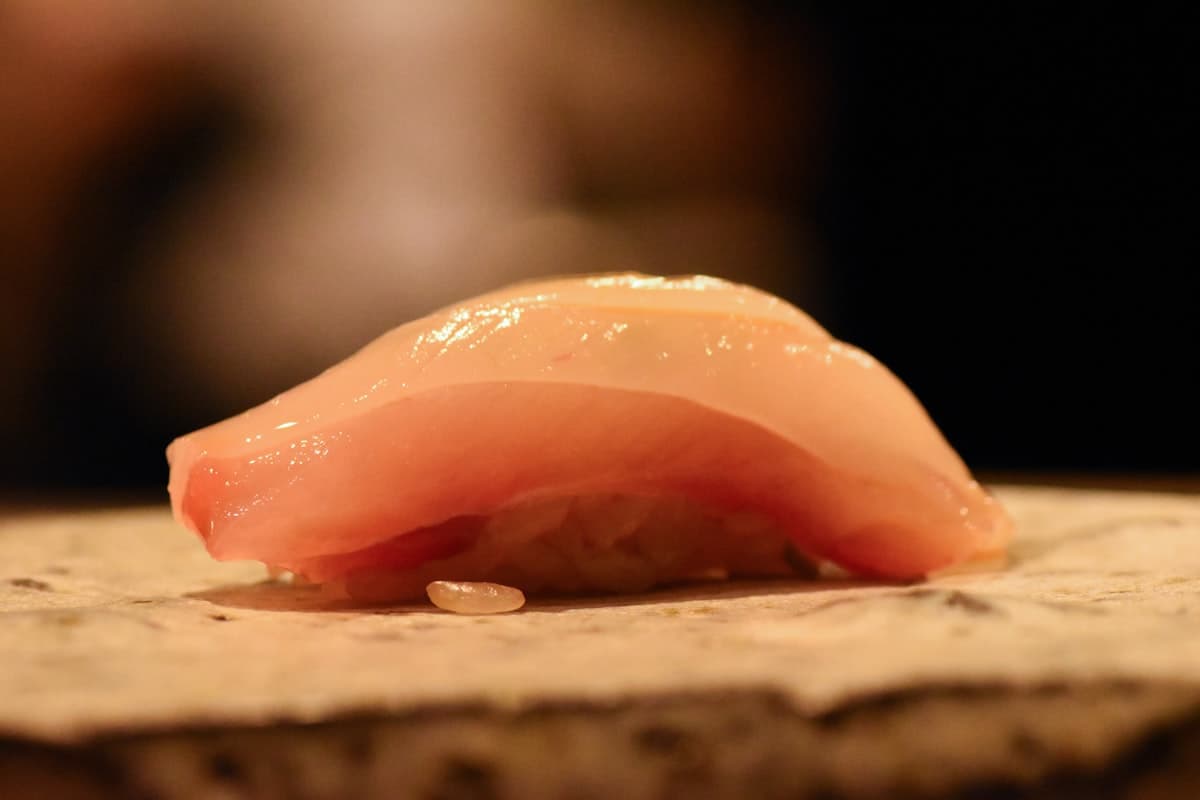
Sakura Dai: The Cherry Blossom Sea Bream That Defines Spring Sushi
Discover sakura dai, Japan's most poetic spring delicacy—a sea bream that turns the color of cherry blossoms and represents the pinnacle of seasonal sushi.
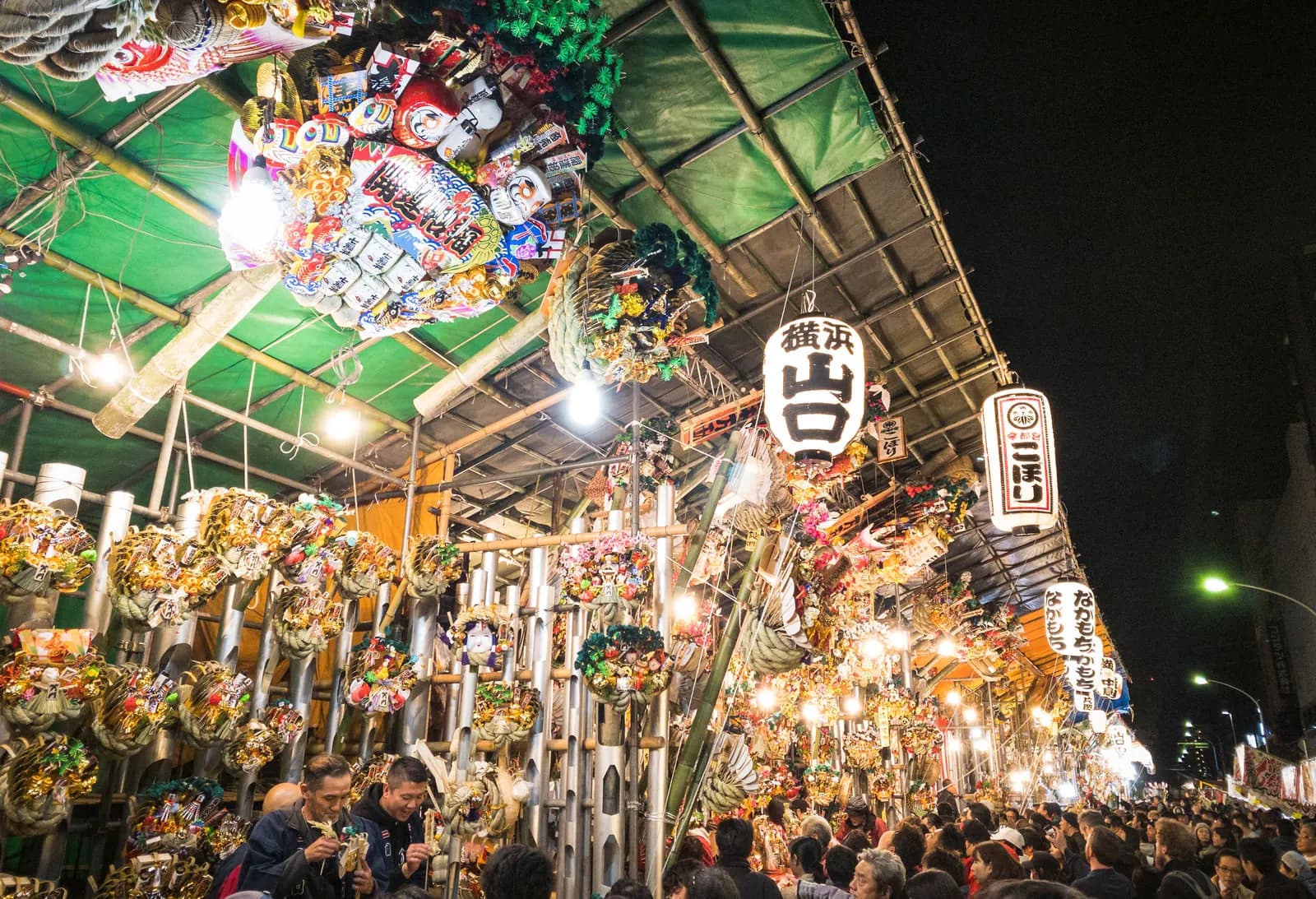
Summer in Asakusa: Festivals, Fireworks, and Seasonal Sushi Delights
Discover the magic of summer in Asakusa—from vibrant Tanabata festivals to the art of seasonal Edomae sushi featuring shinko, anago, and aji.
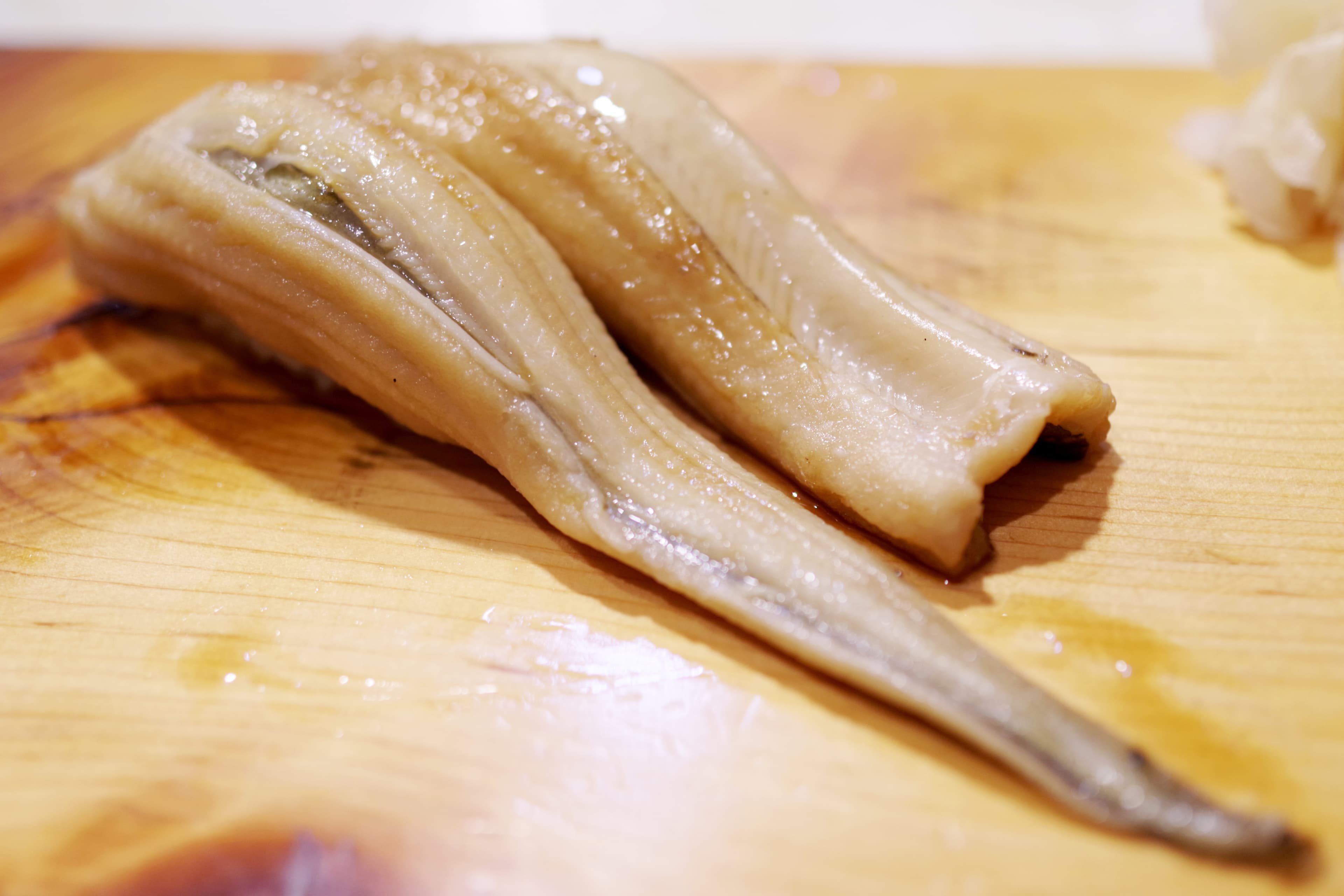
The Art of Anago: Why Tokyo Bay's Elegant Eel Is the True Taste of Edomae Sushi
Discover anago, the delicate saltwater eel that defines authentic Edomae sushi. Learn why this May-to-summer delicacy from Tokyo Bay showcases the pinnacle of sushi craftsmanship.