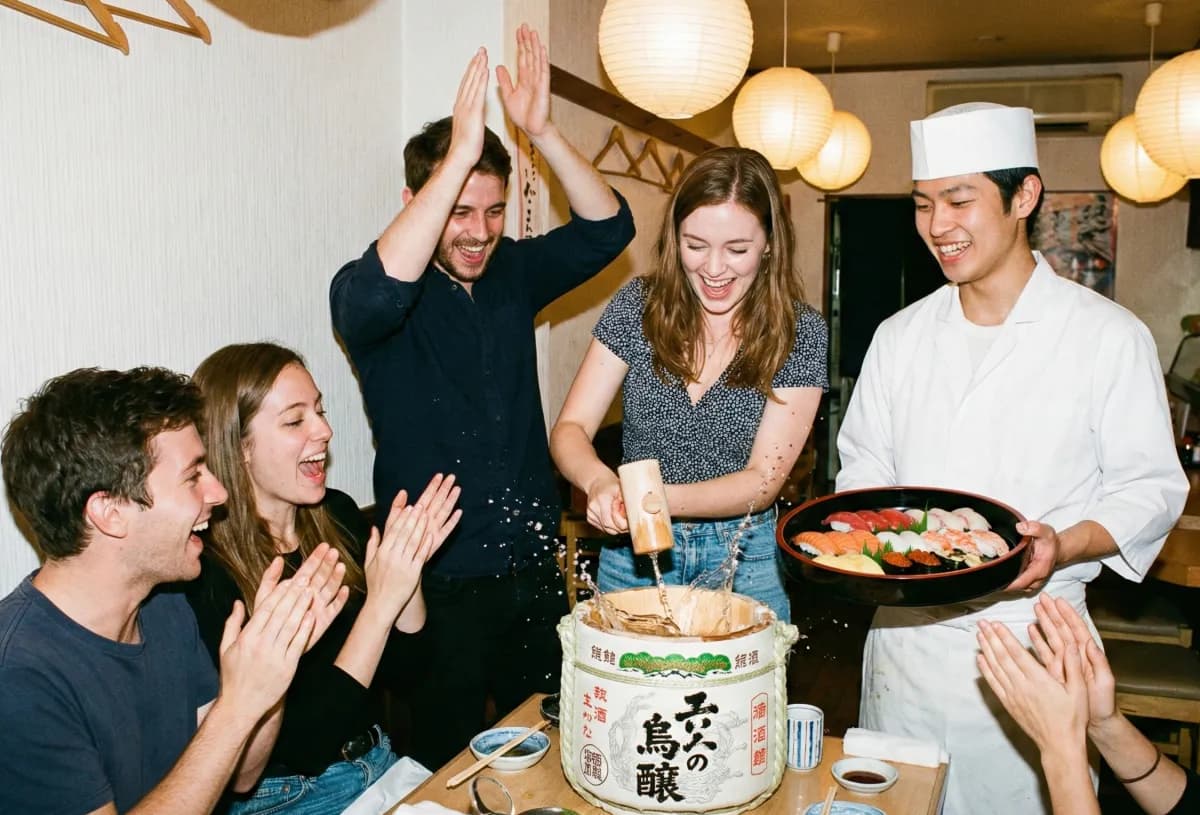
Sushi Etiquette Decoded: The Unwritten Rules Every First-Timer Should Know
There's a moment every traveler experiences in Japan: you're seated at a sushi counter, a beautiful piece of nigiri appears before you, and suddenly you realize you have no idea what to do next. Do you use chopsticks? Your hands? And what about that little mound of wasabi?
If you've ever felt this quiet panic, you're not alone. The good news? Japanese sushi etiquette is far more forgiving—and logical—than you might think.
Popular in Tokyo right now — our most recommended experience
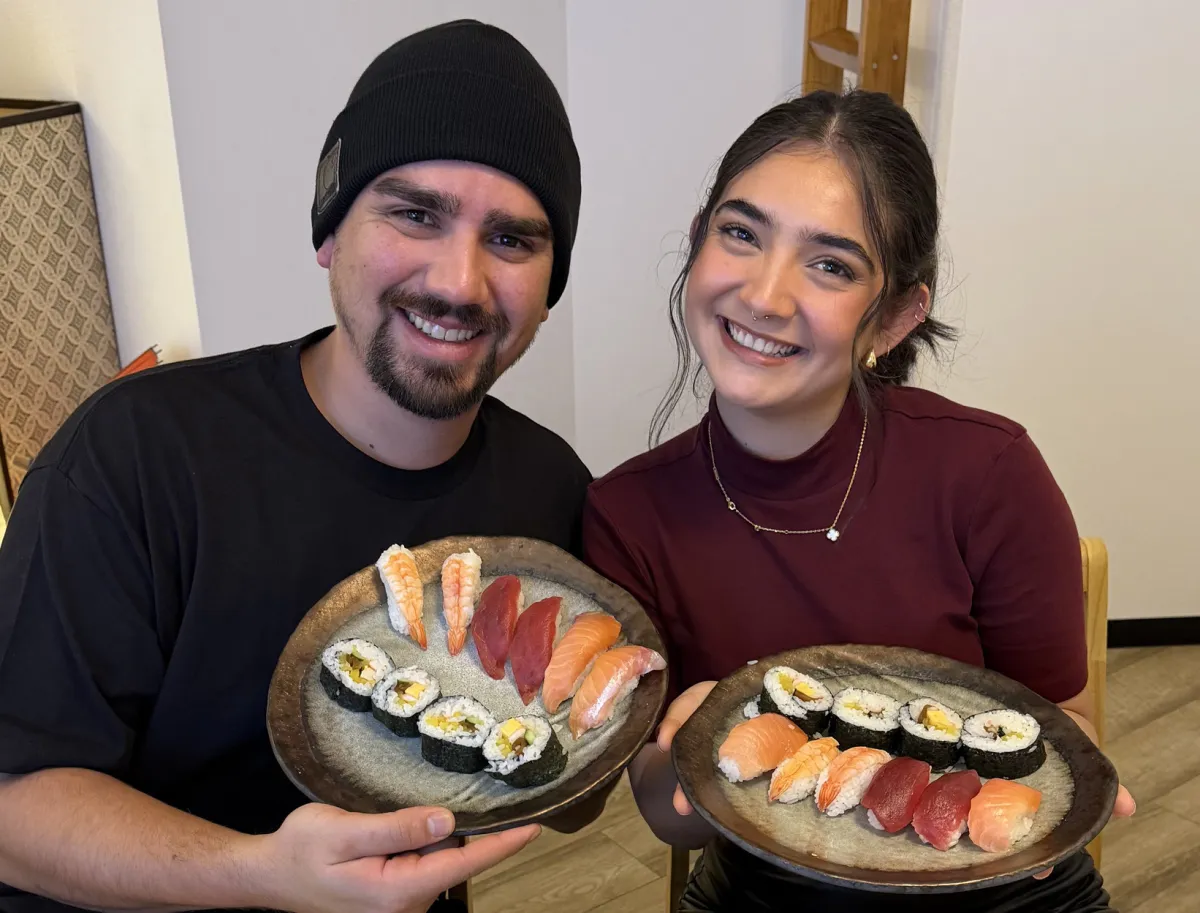
Tokyo Sushi Making Class : Sake Ceremony & Matcha Experience in Asakusa
Hands or Chopsticks? The Great Debate Settled
Here's a secret that surprises most visitors: most Japanese people eat sushi with their hands. That's right—nigiri sushi, those beautiful morsels of fish atop seasoned rice, are traditionally finger food.
The reasoning is practical. Nigiri rice is intentionally packed loosely so it melts apart in your mouth. Grip it too firmly with chopsticks, and you risk crushing this delicate construction. Your fingers provide the gentle touch needed to lift the piece without destroying its architecture.
That said, chopsticks are perfectly acceptable, especially in more formal settings. The key is confidence—whichever method you choose, commit to it. What matters most is enjoying the sushi, not performing a ritual.
The one exception: sashimi (sliced fish without rice) should always be eaten with chopsticks. Using your hands for raw fish without the rice base crosses into genuinely unusual territory.
The Soy Sauce Situation
Watch any sushi chef's face when a customer dunks their nigiri rice-first into soy sauce, and you'll understand why this rule exists. The rice acts like a sponge, absorbing far too much sodium and completely overpowering the subtle flavors the chef worked to balance.
The proper technique: flip the nigiri upside down and dip only the fish lightly into the soy sauce. This takes practice—the piece can feel unstable—but it preserves the intended flavor profile. Some regulars use a piece of pickled ginger as a brush to apply soy sauce to the fish, though this technique is more regional than universal.
For sushi rolls, where dipping can get messy, a light touch on one edge is sufficient. The chef has already seasoned everything; the soy sauce is meant to accent, not dominate.
Wasabi: The Misunderstood Condiment
In the West, mixing wasabi into soy sauce to create a green slurry is common. In Japan? It's considered a breach of etiquette—and for good reason.
Authentic wasabi (freshly grated from the rhizome, not the horseradish-based paste most restaurants serve) has volatile compounds that dissipate quickly. Mixing it into liquid destroys its delicate heat and subtle sweetness. The chef has likely already placed wasabi between the fish and rice in your nigiri, calibrated to complement that specific piece.
If you want more heat—and some people genuinely do—place a small amount directly on the fish with your chopsticks. This preserves the wasabi's character while letting you customize the intensity.
Ginger: The Palate Cleanser, Not the Topping
That pink pile of pickled ginger (gari) isn't a topping. It's a palate cleanser, meant to be eaten between different types of fish to reset your taste buds for the next flavor experience.
Laying ginger on top of your sushi or eating it simultaneously with each piece is like drinking coffee between wine tastings—it defeats the purpose of appreciating distinct flavors.
The One-Bite Rule
Proper sushi is designed to be eaten in one bite. Biting a piece of nigiri in half often results in it falling apart, leaving you awkwardly trying to manage a deconstructed mess.
This isn't about being greedy—it's about the chef's intention. Each piece is portioned so all the components—rice, fish, wasabi, any sauce—hit your palate together in balanced harmony.
Larger rolls can be an exception, but even then, two bites maximum is the general guideline.
Counter Etiquette: The Unspoken Agreement
If you're fortunate enough to sit at the sushi counter (highly recommended for the full experience), you're entering a special social contract with the chef.
Trust the chef. If they recommend something, try it. If they serve pieces in a particular order, there's usually a reason—often progressing from lighter to richer flavors.
Don't ask for substitutions on traditional pieces. This isn't customization culture; it's craftsmanship. Asking a sushi master to hold the wasabi or add extra sauce is like asking a painter to use different colors.
Acknowledge the chef. A simple "itadakimasu" (I humbly receive) before eating and "gochisousama deshita" (thank you for the meal) when finished shows appreciation. A nod of thanks when each piece is served isn't required but is always welcomed.
When Rules Bend
Here's the thing about etiquette: it exists to enhance enjoyment, not create anxiety. Japanese hospitality (omotenashi) prioritizes guest comfort above rigid rule enforcement.
In casual settings—conveyor belt sushi, neighborhood spots, or cooking classes where you're learning—most of these guidelines relax considerably. No chef will scold you for using too much soy sauce at a family restaurant.
The etiquette matters most at high-end omakase counters, where you're paying premium prices precisely for the chef's expertise in balancing every element. There, following tradition shows respect for the craft.
Practice Makes Perfect
The best way to internalize sushi etiquette? Practice. Take a sushi-making class in Asakusa, where you'll not only learn to make your own nigiri but understand why the rice is packed a certain way, why fish is cut at specific angles, and why presentation matters.
When you understand the intention behind each element, the etiquette stops feeling like arbitrary rules and starts making intuitive sense. You'll find yourself naturally flipping the nigiri fish-side down, not because someone told you to, but because you know what happens to the rice if you don't.
The Real Secret
After all these rules, here's what actually matters: presence. The Japanese concept of "ichigo ichie" (one time, one meeting) applies beautifully to sushi. Each piece is unique—this fish, this rice, this moment will never exist again in exactly this combination.
Whether you're at a Michelin-starred counter in Ginza or enjoying kaiten-zushi (conveyor belt sushi) in Asakusa, the real etiquette is simply this: be present, be grateful, and enjoy the extraordinary craft that transforms simple ingredients into something memorable.
Ready to experience sushi the authentic way? Book a class and learn not just how to make sushi, but how to truly appreciate it.
Related Articles
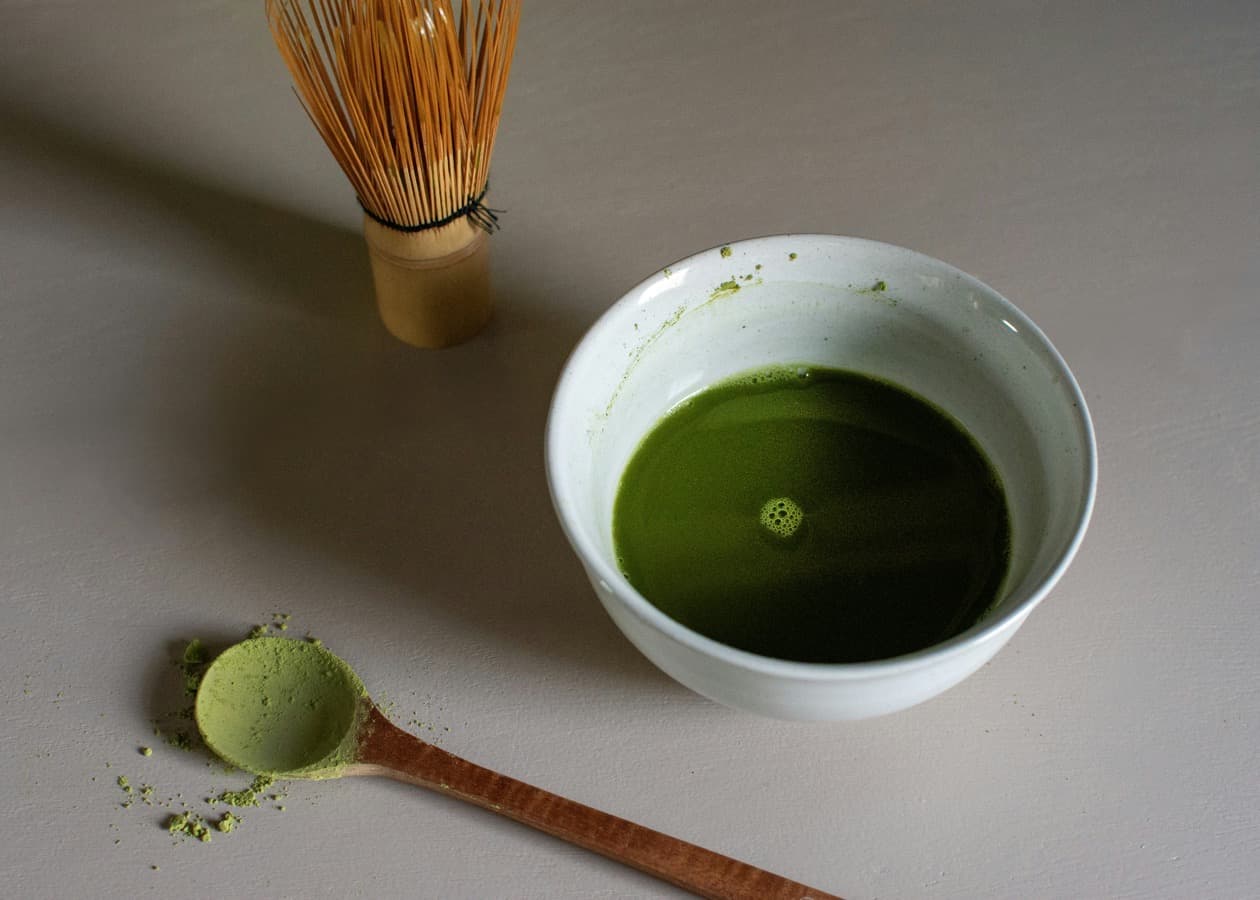
The Art of Matcha: A First-Timer's Guide to Japan's Iconic Green Tea
Discover the rich history, health benefits, and cultural significance of matcha. Learn how to enjoy this vibrant green tea the traditional way during your visit to Asakusa.
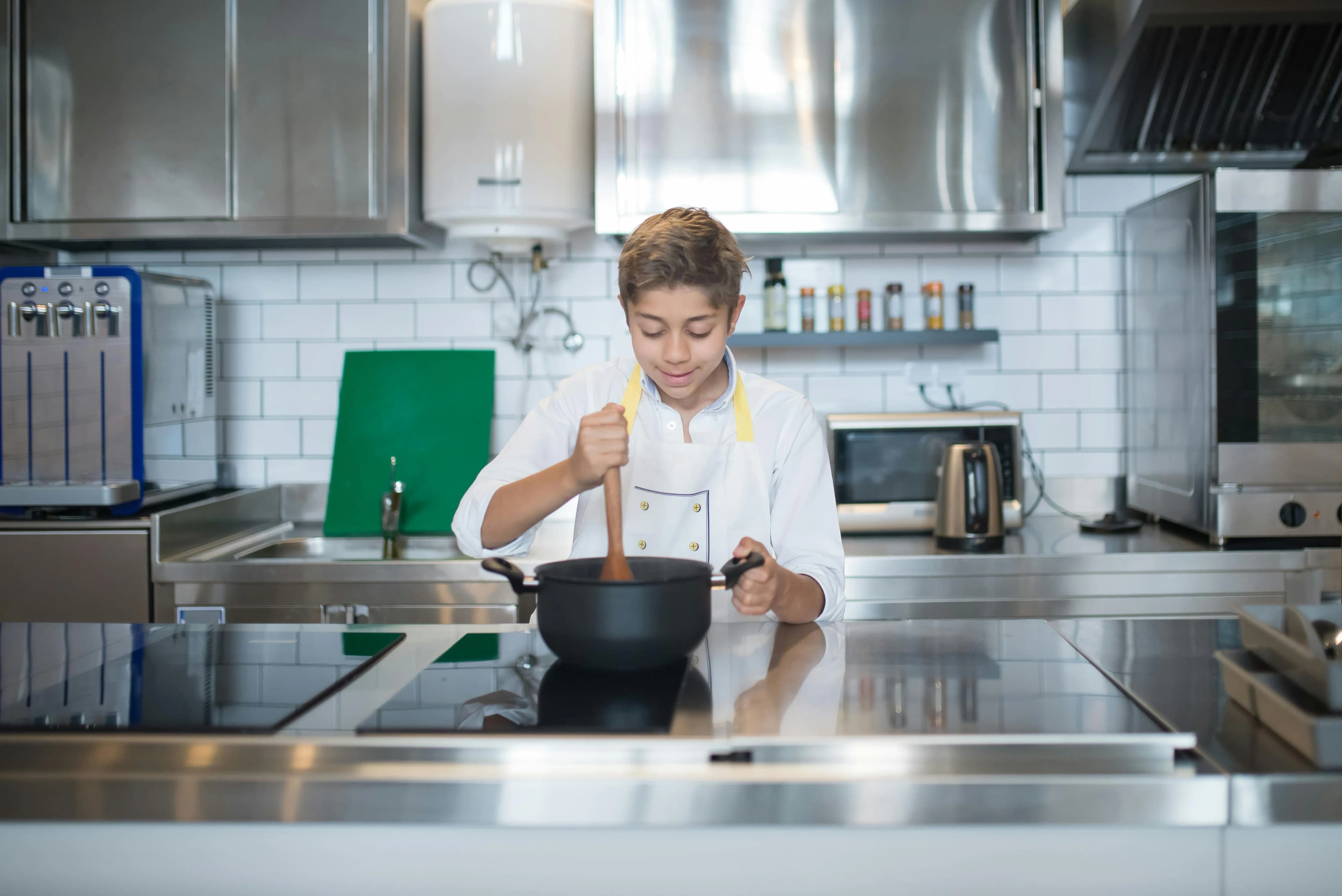
First-Timer's Guide to Japanese Cooking Classes in Tokyo: Why Asakusa Should Be Your Starting Point
Planning your first sushi class in Tokyo? From rolling perfect maki to whisking ceremonial matcha, here's everything you need to know about choosing the right Japanese cooking class—and why Asakusa offers the most authentic experience.
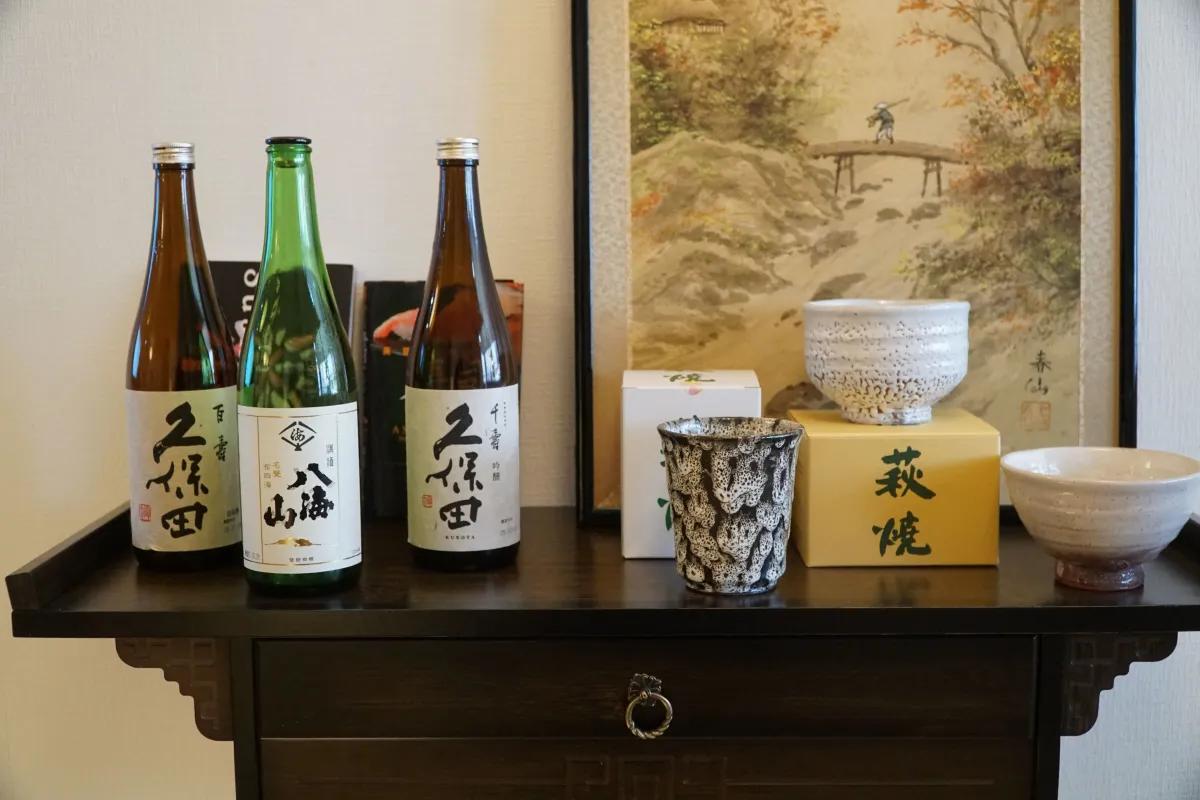
Sake and Sushi: A Beginner's Guide to the Art of Perfect Pairing
Discover the elegant art of pairing Japanese sake with sushi. From light junmai to rich daiginjo, learn how to elevate your sushi experience with the perfect drink.