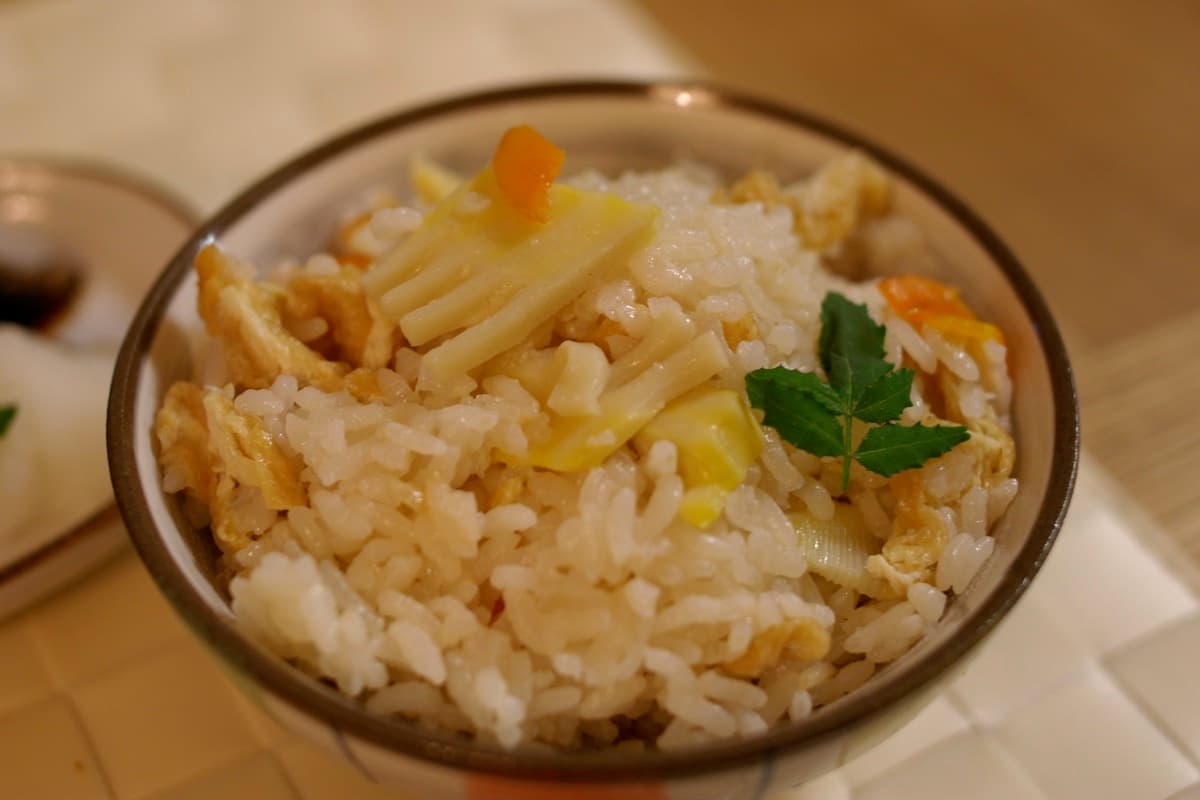
The Art of Takenoko: Why April is the Best Time to Experience Japan's Spring Cuisine
When cherry blossoms begin to fall and spring settles into Tokyo, another seasonal treasure emerges from the earth: takenoko, the young bamboo shoot that has captivated Japanese palates for centuries. If you're visiting Japan in April, you're arriving at the perfect moment to experience one of the country's most celebrated spring ingredients.
Popular in Tokyo right now — our most recommended experience
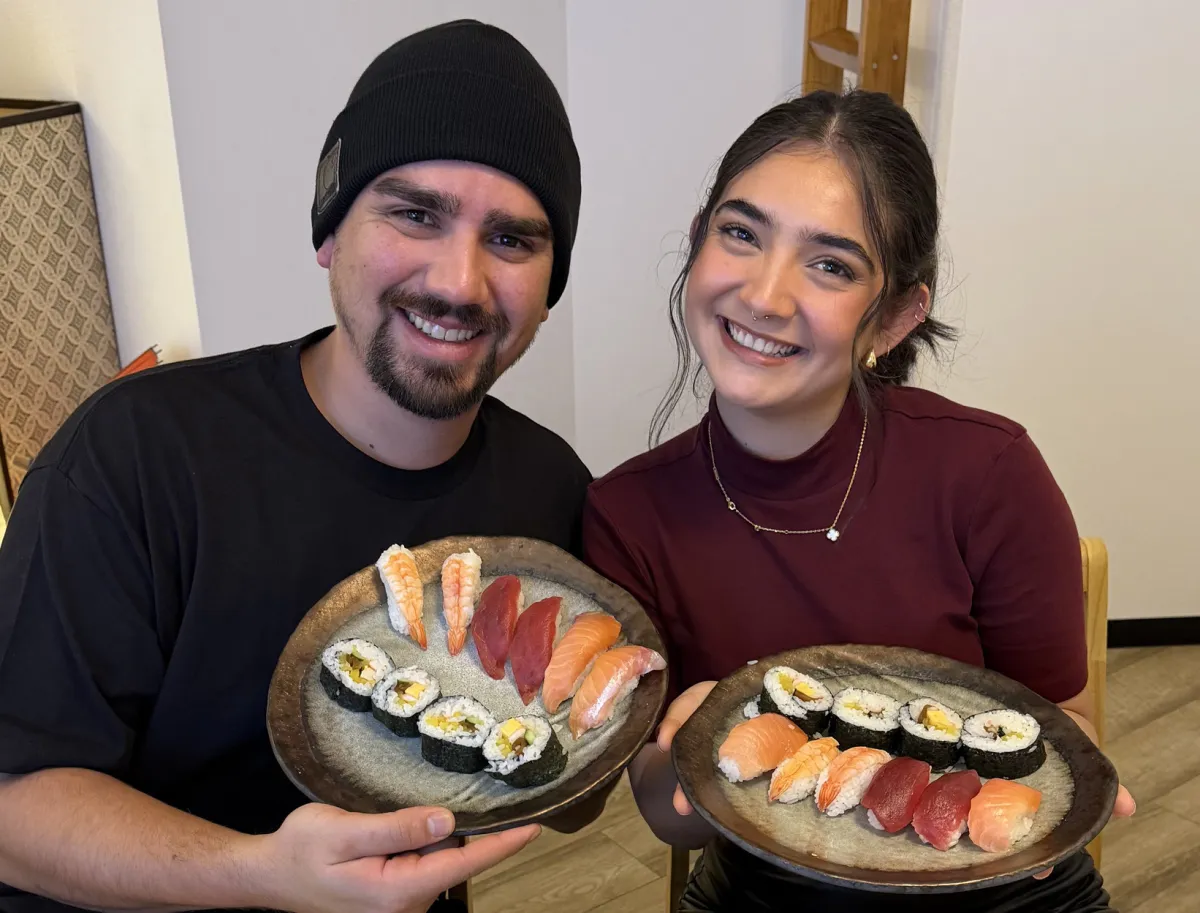
Tokyo Sushi Making Class : Sake Ceremony & Matcha Experience in Asakusa
What Makes Takenoko Special
The word "takenoko" carries a tender meaning—literally "bamboo's child" (竹の子). These young shoots must be harvested within days of breaking through the soil, before they become tough and bitter. This fleeting window, typically from late March through early May, makes takenoko the ultimate expression of shun—the Japanese concept of eating ingredients at their peak seasonal moment.
Fresh takenoko offers a unique texture that falls somewhere between crisp and creamy, with a subtle sweetness that processed bamboo shoots simply cannot replicate. When properly prepared, the shoot absorbs surrounding flavors while maintaining its distinctive character—a quality that has made it indispensable in Japanese cuisine for over a thousand years.
April: The Golden Window for Takenoko
While takenoko appears in markets from March through May, April represents the sweet spot. The shoots harvested in early April, known as "hashiri" (the first of the season), command premium prices at Tokyo's famous Tsukiji Outer Market. By mid-April, quality remains excellent while prices become more accessible, making it the ideal time for both connoisseurs and curious travelers.
In Asakusa and throughout Tokyo, restaurants update their menus to showcase this seasonal prize. You'll find takenoko featured in:
- Takenoko gohan (竹の子ご飯): Fragrant rice cooked with bamboo shoots, a springtime staple in Japanese homes
- Wakatake-ni (若竹煮): Bamboo shoots simmered with wakame seaweed, embodying the harmony of mountain and sea
- Tempura: Lightly battered and fried to highlight the shoot's natural sweetness
- Nimono (煮物): Slow-simmered in dashi with soy sauce and mirin until tender and flavorful
The Philosophy Behind Seasonal Eating
Japan's dedication to seasonal ingredients isn't merely about taste—it reflects a deeper cultural philosophy. Eating takenoko in April connects you to the same tradition that inspired haiku poets and kaiseki chefs for generations. Each bite acknowledges the changing seasons and expresses gratitude for nature's offerings.
This philosophy, called "shun" (旬), suggests that ingredients consumed at their peak not only taste better but also provide optimal nutrition. Modern science increasingly supports this traditional wisdom, showing that freshly harvested produce contains higher levels of vitamins and minerals than their off-season counterparts.
Preparing Takenoko: A Labor of Love
Unlike most vegetables, fresh takenoko requires careful preparation. The shoots contain oxalic acid, which creates an unpleasant astringency if not properly removed. Traditional preparation involves:
- Peeling the outer layers to reveal the tender heart
- Simmering for 1-2 hours with rice bran (nuka) and dried chili peppers
- Allowing the shoots to cool in the cooking liquid overnight
- Rinsing and storing in fresh water
This process transforms the raw shoot into a versatile ingredient ready for any dish. While time-consuming, many Japanese families consider this annual ritual an essential springtime tradition—much like cherry blossom viewing or spring cleaning.
Experience Spring Cuisine in Asakusa
For visitors to Tokyo, April offers an exceptional opportunity to immerse yourself in seasonal Japanese cooking. Rather than simply ordering takenoko at a restaurant, consider learning to prepare spring dishes yourself.
At Sushi & Matcha, our cooking classes incorporate seasonal ingredients throughout the year. Spring sessions often feature takenoko alongside other April specialties, giving participants hands-on experience with ingredients that define Japanese culinary tradition.
Making sushi with seasonal awareness—understanding which fish are at their peak, which vegetables complement specific flavors—transforms a cooking class into a deeper cultural education. You'll leave not just with new recipes, but with an appreciation for the philosophy that shapes every aspect of Japanese cuisine.
Beyond Takenoko: April's Seasonal Bounty
While takenoko takes center stage, April brings numerous other seasonal delights to Tokyo tables:
- Sakura ebi (桜海老): Tiny pink shrimp from Suruga Bay, available only in spring and fall
- Nanohana (菜の花): Rapeseed blossoms with a pleasant bitterness, often blanched and dressed with mustard
- Tai (鯛): Sea bream reaches peak flavor in spring, when it's called "sakura-dai" after the cherry blossoms
- Shincha (新茶): The year's first harvest of green tea, prized for its fresh, grassy sweetness
Together, these ingredients create the palette of spring in Japanese cooking—a harmony of colors, textures, and flavors that exists only for these few precious weeks.
Taking the Season Home
One of the beautiful aspects of learning Japanese cooking is discovering how to apply its principles wherever you live. While fresh takenoko may be difficult to find outside Japan, the philosophy of cooking seasonally translates universally.
Ask yourself: What's growing locally right now? What ingredients are at their peak this week? This mindful approach to cooking—central to Japanese cuisine—can transform ordinary meals into celebrations of the season.
For those who do find fresh bamboo shoots at Asian markets abroad, the traditional preparation method works just as well in a New York kitchen as in Tokyo. The ritual of preparing takenoko connects you to a centuries-old tradition, regardless of where you're cooking.
A Season Worth Savoring
April in Japan offers more than cherry blossoms and crowded tourist sites. It presents an opportunity to experience a cuisine deeply attuned to nature's rhythms, where every ingredient tells a story of season and place.
Whether you're wandering through Asakusa's morning markets, joining a cooking class, or simply ordering takenoko gohan at a local restaurant, take a moment to appreciate what this humble bamboo shoot represents: a culture that has refined the art of seasonal eating into something approaching poetry.
The cherry blossoms may be fleeting, but the memory of your first taste of fresh spring takenoko—earthy, sweet, impossibly tender—will last far longer.
Planning a trip to Tokyo this spring? Explore our sushi and Japanese cooking classes to experience seasonal cuisine firsthand in the heart of Asakusa.
Related Articles
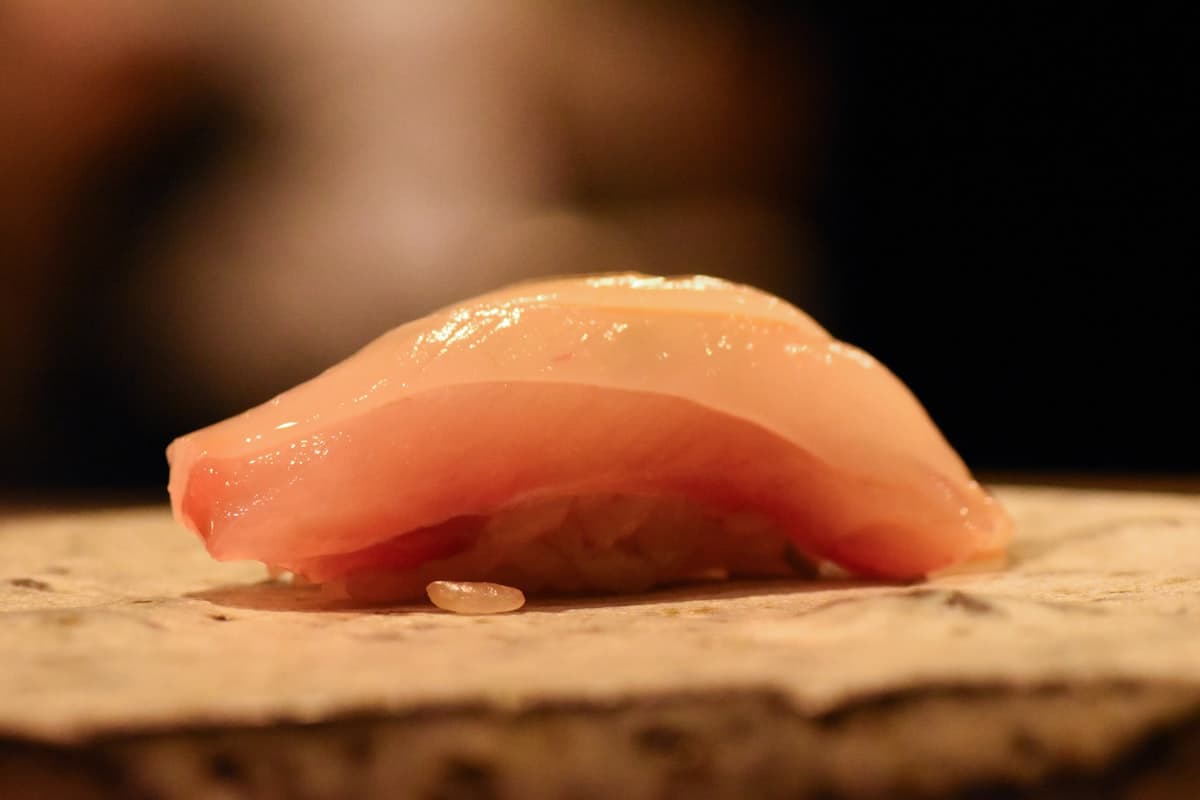
Shun: The Japanese Philosophy of Eating at the Perfect Moment
Discover shun (旬), the ancient Japanese concept that transforms every meal into a celebration of nature's peak moments—and why understanding it will change how you experience sushi forever.
Hatsu-Gatsuo: Why May Is the Month to Experience Japan's Most Celebrated Seasonal Fish
Discover hatsu-gatsuo, the first bonito of the season that Edo-era Tokyoites would 'pawn their wives' to taste. Learn why May is the perfect month to experience this iconic seasonal delicacy in Asakusa.
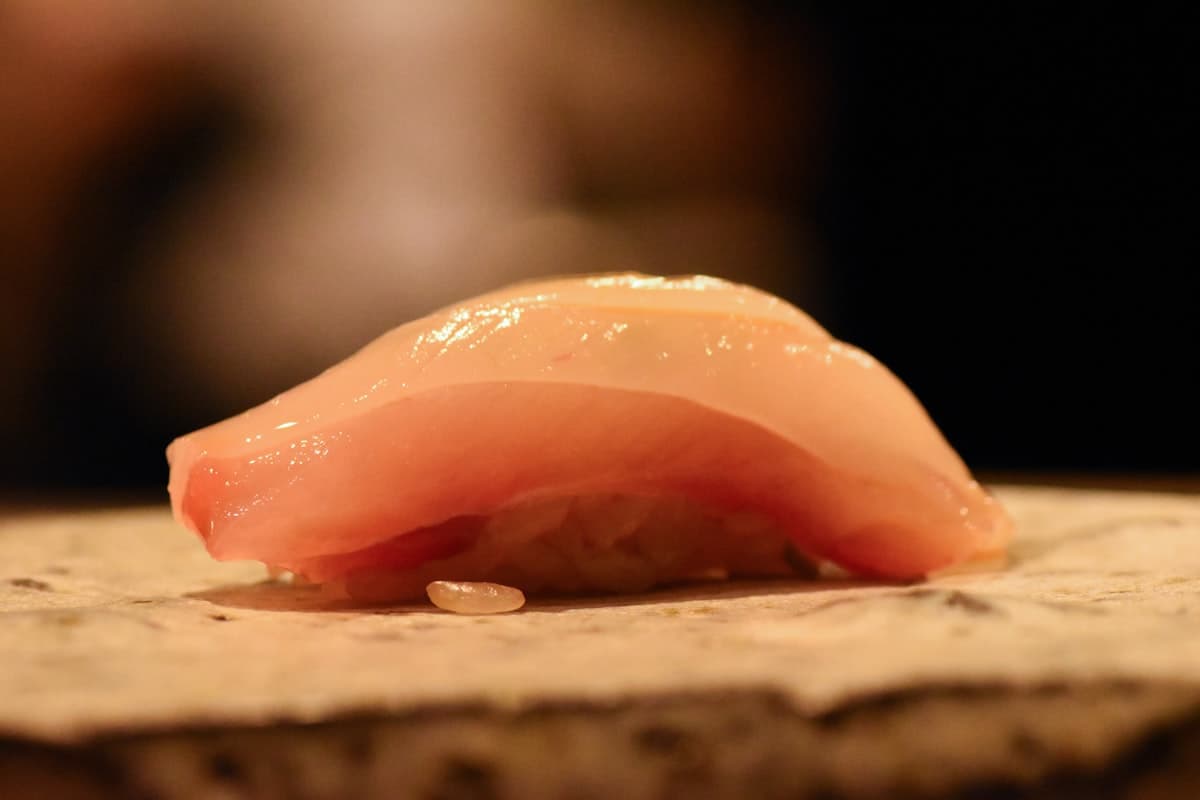
Sakura Dai: The Cherry Blossom Sea Bream That Defines Spring Sushi
Discover sakura dai, Japan's most poetic spring delicacy—a sea bream that turns the color of cherry blossoms and represents the pinnacle of seasonal sushi.