Tango no Sekku and Celebratory Sushi: The Culinary Traditions of Japan's Children's Day
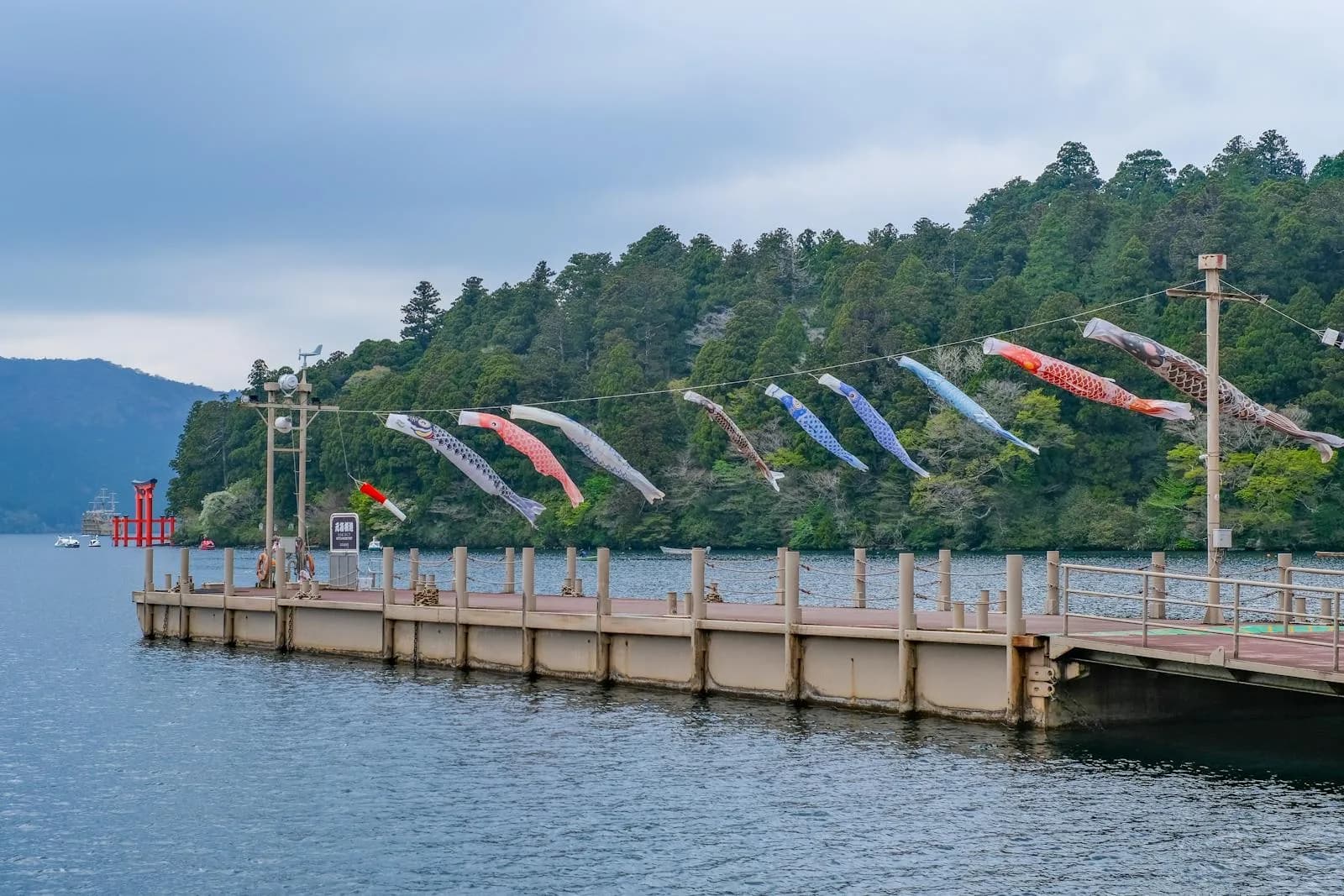
Every May 5th, Japan transforms into a sea of colorful carp streamers fluttering in the spring breeze. This is Tango no Sekku (端午の節句), also known as Children's Day—one of the most beloved holidays in the Japanese calendar. While the iconic koinobori (carp flags) and samurai decorations capture most visitors' attention, the culinary traditions of this ancient festival reveal an equally fascinating story of symbolism, seasonal ingredients, and wishes for children's health and success.
Popular in Tokyo right now — our most recommended experience
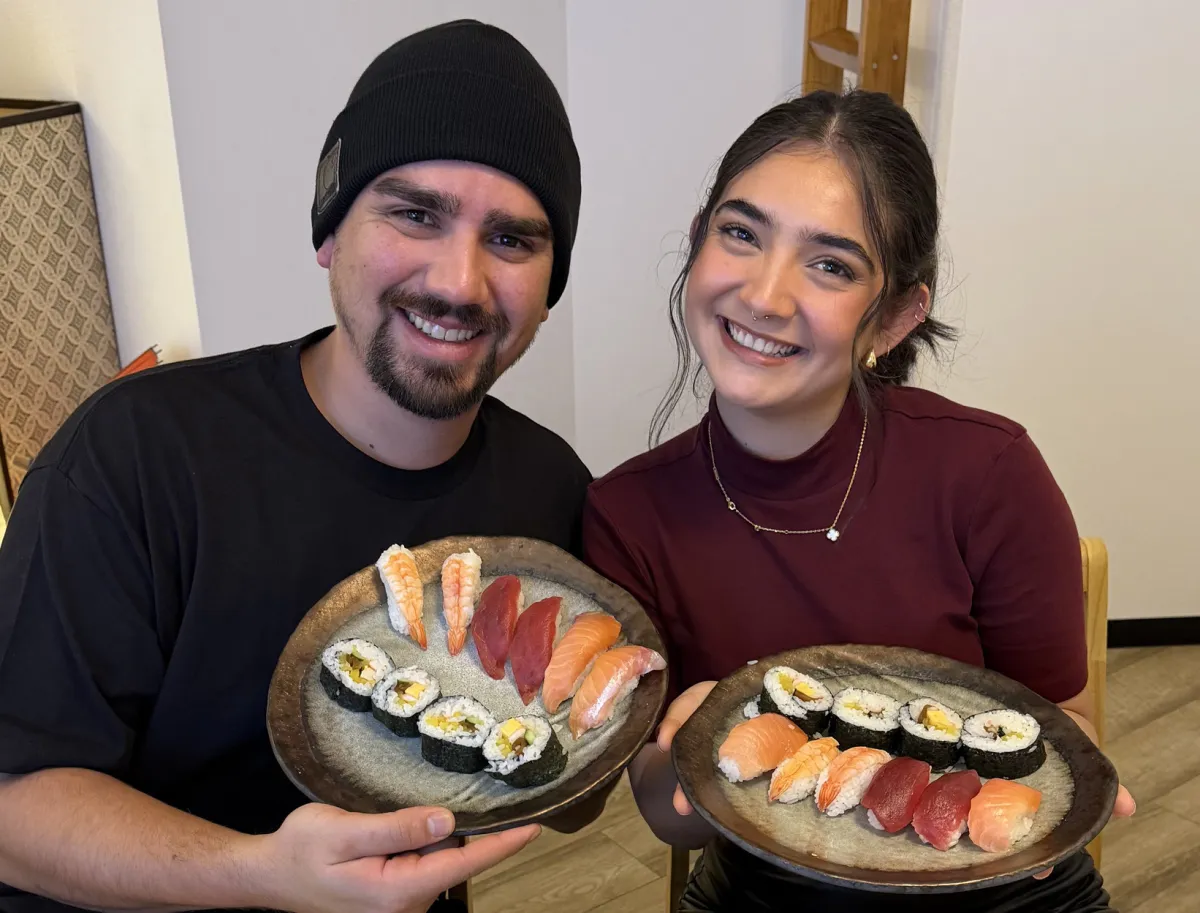
Tokyo Sushi Making Class : Sake Ceremony & Matcha Experience in Asakusa
From Ancient Rituals to Modern Celebrations
Tango no Sekku has roots stretching back to the Nara period (710-794), originally influenced by Chinese philosophy that marked the fifth day of the fifth month as a time to ward off evil spirits. Japanese families would hang bunches of iris stalks (shōbu) and dried mugwort at their entrances for protection—traditions that continue today.
The festival evolved significantly during the Kamakura period (1185-1333) when samurai families adopted it as a celebration of male heirs. This martial connection arose partly from a clever wordplay: the Japanese word for iris (菖蒲, shōbu) sounds identical to words meaning "battle" (勝負) and "martial spirit" (尚武). Today, families display miniature armor sets, decorative helmets (kabuto), and ornamental swords alongside the beloved koinobori—all symbols of strength and courage meant to protect children from misfortune.
The Lucky Fish of Children's Day
Just as the decorations carry deep meaning, so does the food served during Tango no Sekku. The fish traditionally eaten during this celebration aren't chosen randomly—each carries powerful symbolism:
Katsuo (Bonito): The "Victorious Man"
Perhaps no fish better embodies the spirit of Children's Day than katsuo (鰹). The name sounds exactly like 勝男 (katsuo), meaning "victorious man." Serving katsuo during Tango no Sekku expresses parents' wishes for their children to become strong, successful individuals who overcome life's challenges. Whether enjoyed as sashimi, tataki (lightly seared), or in sushi form, katsuo is a must-have on the Children's Day table.
Buri and Suzuki: The Success Fish
Buri (yellowtail) and suzuki (sea bass) are known as shusse-uo (出世魚)—literally "promotion fish" or "success fish." These species are given different names at each stage of their growth, symbolizing advancement through life's stages. For buri, the names progress from wakashi to inada to warasa, and finally to buri as an adult. This progression mirrors a hoped-for career trajectory: steady advancement leading to prosperity and success.
Tai (Sea Bream): The Celebration Standard
No Japanese celebration is complete without tai (鯛), whose name forms part of the word "medetai" (めでたい), meaning "auspicious" or "celebratory." While tai features in celebrations year-round, during Tango no Sekku it's often prepared as tai no kabuto-ni—simmered sea bream head—playing on the helmet (kabuto) imagery central to the festival.
Beyond Fish: Seasonal Delights
The food symbolism extends beyond seafood. Takenoko (bamboo shoots), which reach peak season in late April and early May, appear frequently on Children's Day menus. Their rapid, straight growth represents the hope that children will grow healthy and strong—shooting up like bamboo toward the sky.
The festival's most iconic foods remain kashiwamochi (rice cakes wrapped in oak leaves) and chimaki (glutinous rice in bamboo leaves). The oak leaf wrapping of kashiwamochi carries special meaning: oak trees don't drop their old leaves until new ones sprout, symbolizing family continuity and the hope that children will carry on the family line.
Experiencing Children's Day Cuisine in Asakusa
Visiting Tokyo during Golden Week? Asakusa becomes particularly magical around Children's Day, with koinobori decorating the streets around Sensoji Temple and traditional sweets appearing in shop windows throughout Nakamise-dori.
For those wanting a deeper connection to Japanese culinary traditions, participating in a hands-on cooking class during this season offers unique insights. Learning to prepare auspicious ingredients like katsuo or seasonal bamboo shoots connects you to centuries of tradition while creating lasting memories.
Many families in Japan use Golden Week to gather and celebrate together, making it an excellent time to witness authentic cultural practices firsthand. The combination of festive atmosphere, seasonal ingredients at their peak, and warm spring weather makes late April through early May ideal for culinary exploration.
A Living Tradition
What makes Tango no Sekku particularly meaningful is how it bridges ancient symbolism with contemporary family life. Modern Japanese families may display compact, apartment-friendly versions of traditional decorations, but the core wishes remain unchanged: health, strength, and success for their children.
The culinary traditions serve as edible expressions of these hopes. Every piece of katsuo sushi, every bite of tai, carries centuries of parental love and aspiration. Understanding these connections transforms a simple meal into a meaningful cultural experience.
Whether you're visiting Japan during Children's Day or simply want to incorporate these traditions into your own celebration, remember that the true essence lies not in perfect execution but in the intentions behind each dish—wishes for the young ones in your life to grow strong, succeed in their endeavors, and find happiness in their journey.
Planning a visit to Tokyo during Golden Week? Book a sushi-making class to experience seasonal ingredients and learn the art behind Japan's celebratory cuisine.
Related Articles
Ghibli Museum and a Sushi Class in One Day
Fit the Ghibli Museum in Mitaka and a sushi class in Asakusa into one day. How tickets work, the train route, timing and two plans that leave enough margin.
Ryogoku and a Sushi Class in One Day
Pair Ryogoku's sumo hall, Edo-Tokyo Museum and Hokusai Museum with a sushi class in Asakusa. Train routes, closing days and two simple plans for one day.
Yokohama and a Sushi Class in One Day
Pair Yokohama's harbour, Chinatown and museums with a sushi class in Asakusa. Train routes, realistic timing and two simple plans for one day.