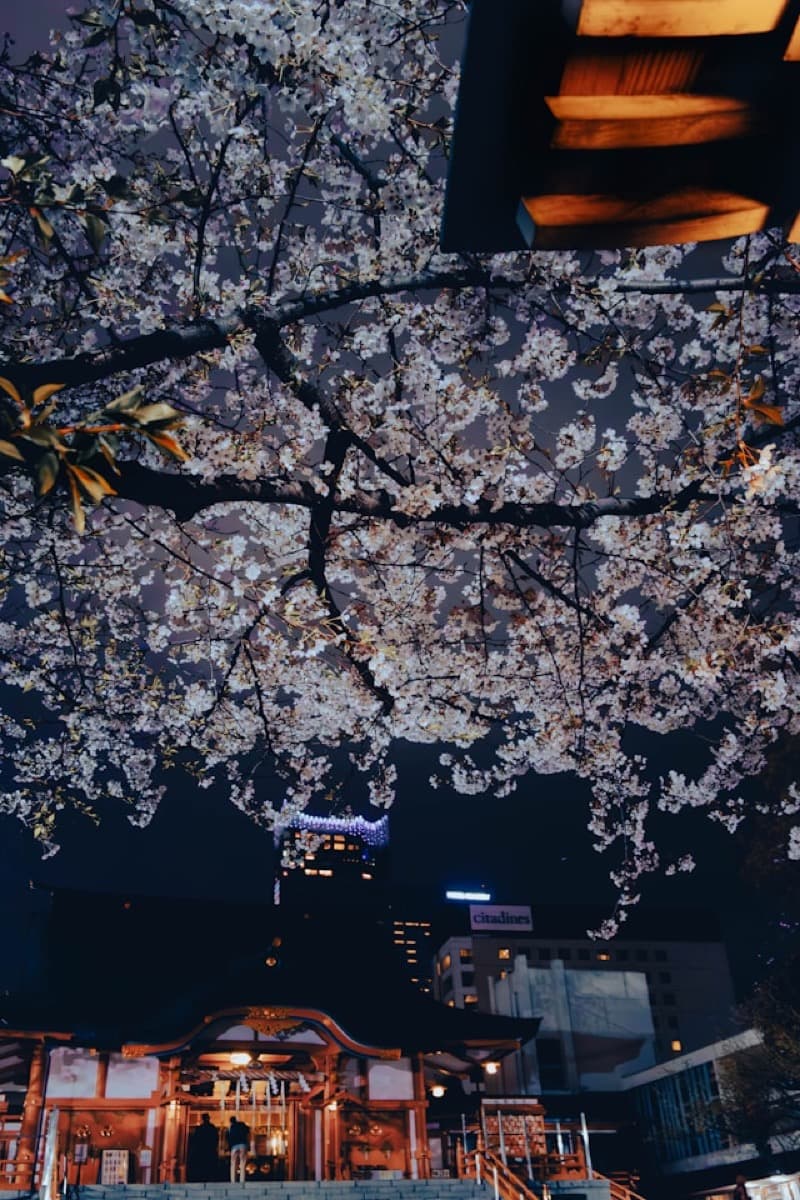
Yozakura: The Magical Art of Night Cherry Blossom Viewing in Asakusa
When the sun sets over Tokyo and the last rays of daylight fade behind the Sumida River, something magical happens along the streets of Asakusa. The cherry trees that lined the riverbank in soft pink during the day transform into ethereal canopies of glowing blossoms, their petals illuminated against the night sky. This is yozakura (夜桜)—the centuries-old Japanese tradition of nighttime cherry blossom viewing—and there's no better place to experience it than in the historic heart of Tokyo.
Popular in Tokyo right now — our most recommended experience

Tokyo Sushi Making Class : Sake Ceremony & Matcha Experience in Asakusa
What Makes Yozakura Special
While daytime hanami (flower viewing) parties are famous worldwide, yozakura offers an entirely different emotional experience. The word itself combines "yoru" (night) and "sakura" (cherry blossoms), but the meaning runs deeper than simple translation.
Under the cover of darkness, the blossoms seem to float in mid-air, disconnected from their branches. The carefully positioned lights create shadows and highlights that emphasize each petal's delicate texture. There's an intimacy to yozakura that daytime viewing can't replicate—the crowds thin, conversations become hushed, and the modern world fades away.
The Japanese have practiced yozakura since the Edo period, when samurai and merchants alike would gather beneath lantern-lit trees with sake and seasonal delicacies. Today, this tradition continues with modern illumination technology creating even more spectacular displays.
Asakusa's Premier Yozakura Spots
Sumida Park: Where Tradition Meets Tokyo Skytree
The undisputed crown jewel of Asakusa's cherry blossom viewing is Sumida Park, stretching along both banks of the Sumida River. With over 510 cherry trees forming a kilometer-long canopy, the park offers one of Tokyo's most photogenic yozakura experiences.
What makes this location truly unique is the view: the illuminated pink blossoms frame Tokyo Skytree in the distance, creating a perfect marriage of old and new Japan. During the Bokutei Sumida Park Cherry Blossom Festival (running from March 20 to April 5, 2026), the trees are lit from 6:30 PM to 9:00 PM nightly, with weekend festivals featuring food stalls and live entertainment.
For the most memorable experience, consider booking a yakatabune (traditional roofed boat) cruise along the river. Floating beneath the illuminated branches while enjoying seasonal cuisine offers a perspective that walking simply cannot match.
Sensoji Temple Approach
After viewing the riverside blossoms, take a stroll down Nakamise-dori toward Sensoji Temple. While not a dedicated cherry blossom spot, the temple's ancient grounds feature several beautiful trees that glow under the evening lantern light. The contrast between the illuminated Kaminarimon gate and the delicate pink petals creates an unforgettable scene.
The Food of Yozakura
No Japanese flower viewing is complete without hanami cuisine. Traditionally, yozakura gatherings feature foods that are beautiful, portable, and meant to be enjoyed at room temperature:
- Hanami dango: Tri-colored rice dumplings (pink, white, and green) representing the cherry blossom, the snow it replaces, and the green leaves that follow
- Sakura mochi: Sweet rice cakes wrapped in pickled cherry leaves, offering a subtle floral flavor
- Makizushi and inarizushi: Sushi rolls and tofu-wrapped sushi rice—perfect finger food for picnics
- Tamagoyaki: Sweet Japanese omelet, often included in bento boxes
The connection between cherry blossoms and food runs deep in Japanese culture. If you want to truly understand this relationship, consider taking a sushi-making class earlier in the day. Learning to prepare your own makizushi means you can create a personalized hanami bento to enjoy beneath the illuminated blossoms that evening.
Planning Your Perfect Yozakura Evening
Timing
Cherry blossoms in Tokyo typically bloom in late March and reach full bloom (mankai) around March 27th. The flowers remain at peak beauty for about one week before the poetic "cherry blossom snow" (花吹雪, hanafubuki) begins—petals floating down like pink snowflakes.
For 2026, the illuminations at Sumida Park run from 6:30 PM to 9:00 PM. Arriving around 6:00 PM allows you to experience the magical transition from daylight to illumination.
What to Bring
- A light jacket (spring evenings can be cool)
- A small blanket or portable seat for riverside viewing
- Your hanami bento or snacks
- A thermos of warm tea or sake
- Your camera (but remember to experience the moment, not just photograph it)
Etiquette
Even in the relaxed atmosphere of yozakura, Japanese etiquette applies:
- Keep voices at a respectful level
- Take all trash with you
- Don't touch or shake the branches
- Respect photography requests from others enjoying the blossoms
Beyond the Blossoms: Making a Day of It
The perfect Asakusa spring day might look like this: Begin with a morning sushi and matcha class in Asakusa, where you'll learn the art of making traditional Japanese cuisine. Spend the afternoon exploring Sensoji Temple and the surrounding streets. As evening approaches, pick up some seasonal treats from Nakamise-dori and head to Sumida Park for yozakura.
By the time the illuminations begin, you'll have spent a full day immersing yourself in Japanese culture—from food to tradition to the simple, profound beauty of cherry blossoms under the night sky.
The Deeper Meaning
There's a Japanese concept called mono no aware (物の哀れ)—an awareness of the impermanence of things and a gentle sadness at their passing. Cherry blossoms embody this philosophy perfectly: they bloom brilliantly but briefly, their beauty all the more precious because it cannot last.
Yozakura intensifies this feeling. In the darkness, surrounded by glowing petals, time seems to stop. You become aware that this exact moment—this particular arrangement of light, blossom, and breeze—will never occur again. It's a meditation on beauty and impermanence that requires no temple, no teacher, only presence.
This is why the Japanese have gathered beneath cherry trees for centuries, and why travelers from around the world continue to make the pilgrimage. Yozakura isn't just about seeing pretty flowers at night. It's about participating in a tradition that connects you to generations past and reminds you that the most beautiful things in life are often the most fleeting.
Come to Asakusa this spring. Stand beneath the illuminated blossoms. Let the petals fall around you. And understand, perhaps for the first time, why Japan has been obsessed with these ephemeral flowers for over a thousand years.
Related Articles
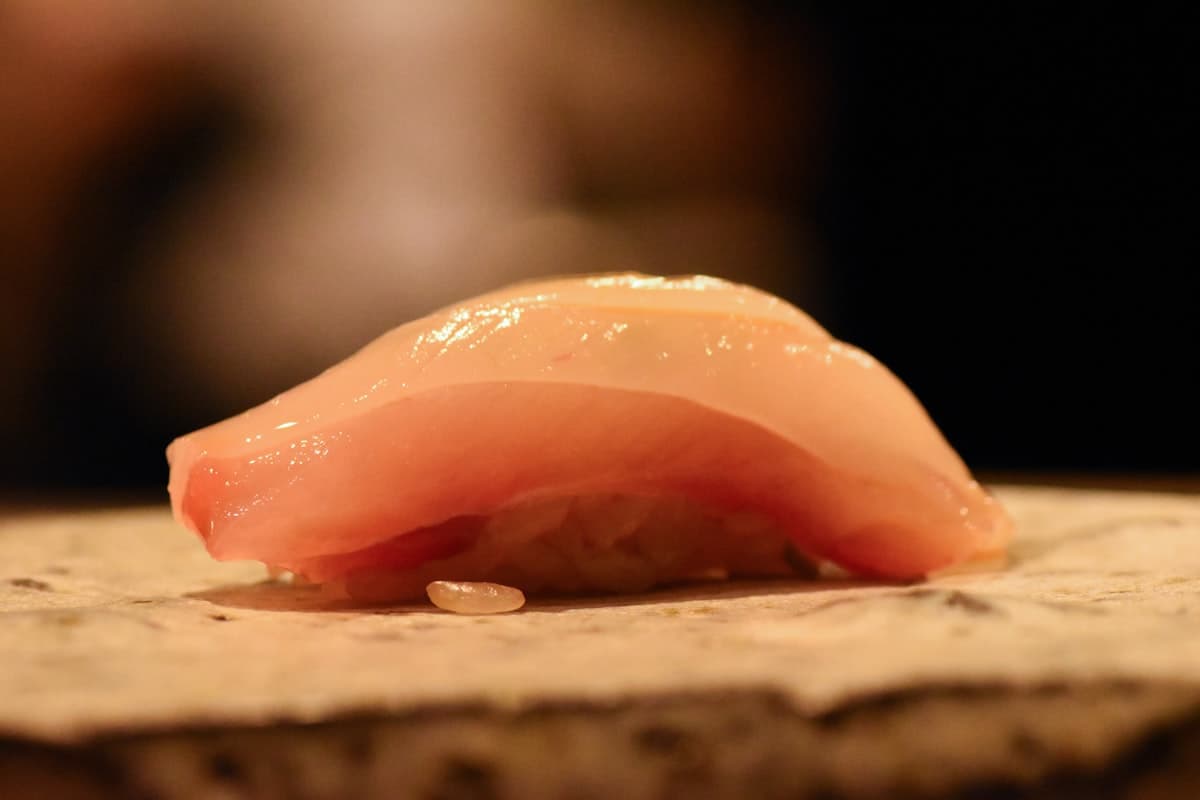
Sakura Dai: The Cherry Blossom Sea Bream That Defines Spring Sushi
Discover sakura dai, Japan's most poetic spring delicacy—a sea bream that turns the color of cherry blossoms and represents the pinnacle of seasonal sushi.
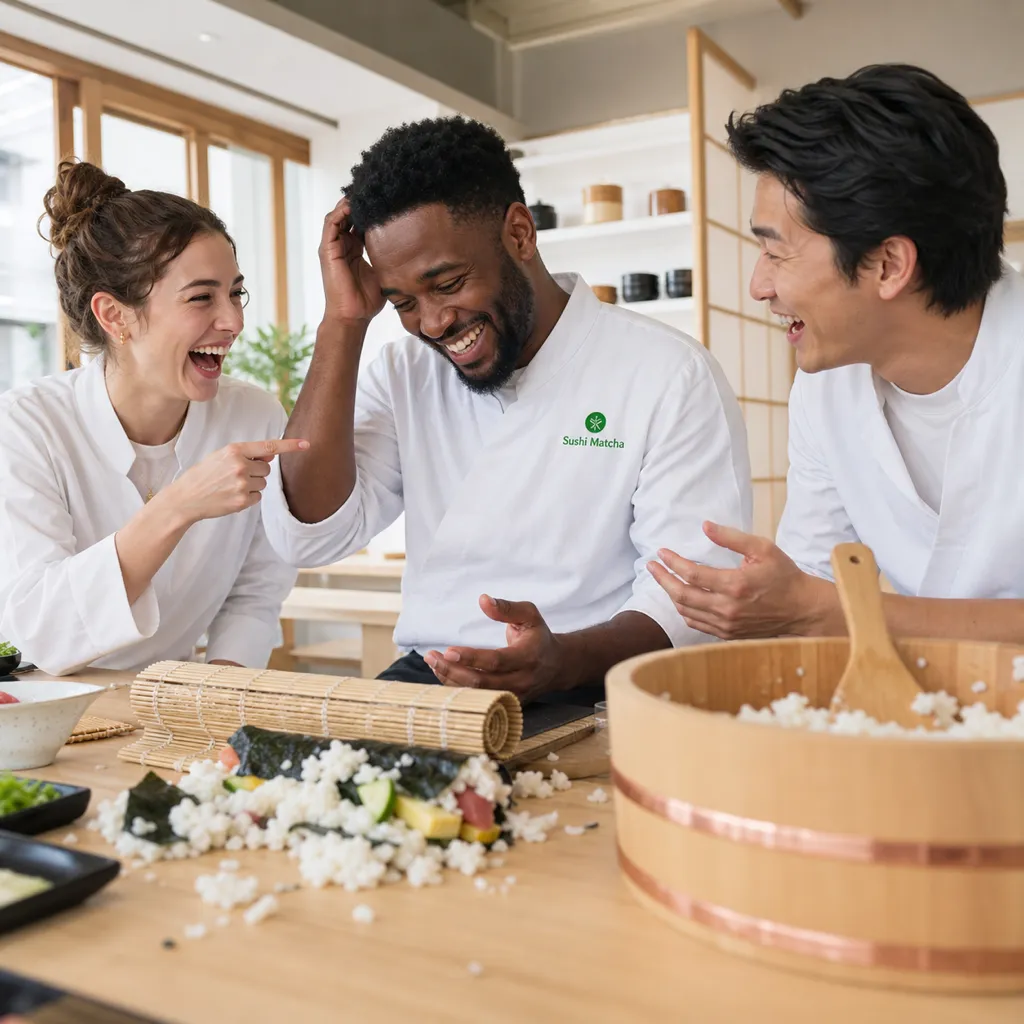
Booking a Tokyo Sushi Class for a Group
Organising a sushi class in Asakusa for friends? Here is the information to collect from everyone first, and how to keep the whole party in one session.
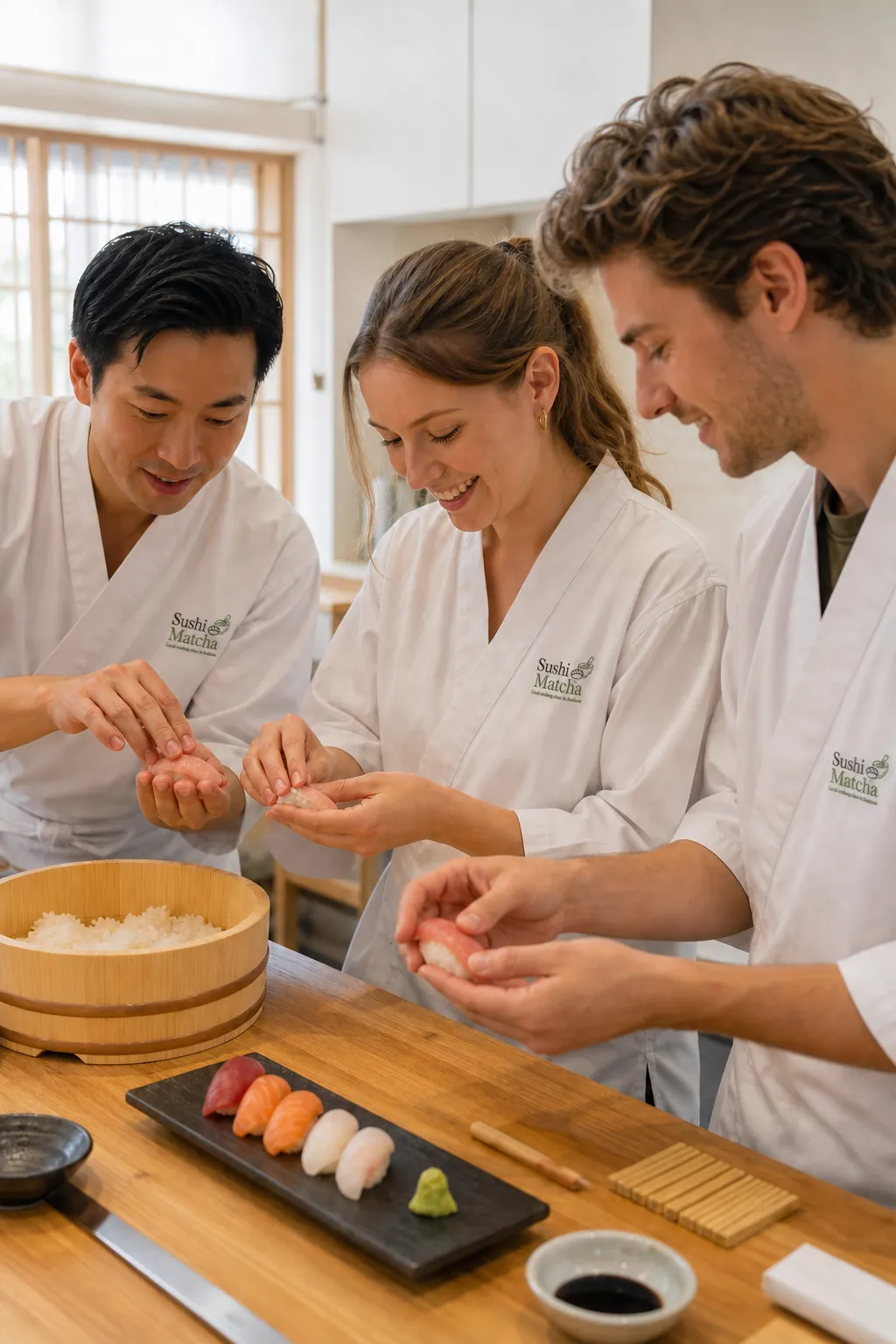
Practising Before a Tokyo Sushi Class
Should a beginner practise sushi at home first? Here is what a 90-minute Asakusa class actually asks of you, and what is worth sorting out instead.