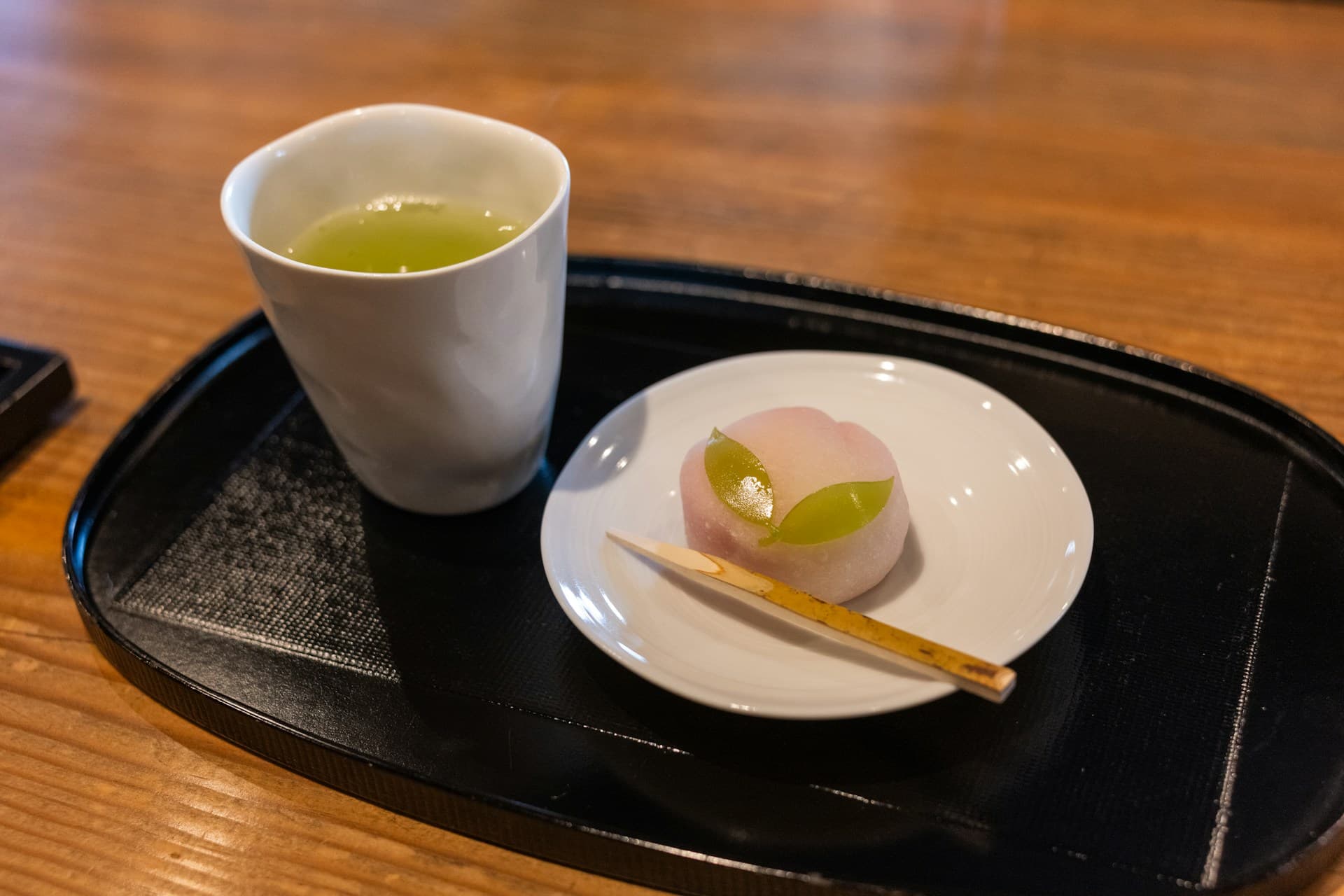
Spring Wagashi and Matcha: A Perfect Pairing for Cherry Blossom Season
As cherry blossoms paint Tokyo in shades of pink, there's no better time to explore one of Japan's most refined culinary traditions: the art of pairing wagashi (traditional Japanese sweets) with matcha. This centuries-old practice transforms a simple tea break into a sensory celebration of the season.
Popular in Tokyo right now — our most recommended experience

Tokyo Sushi Making Class : Sake Ceremony & Matcha Experience in Asakusa
The Philosophy Behind the Pairing
In Japanese tea culture, wagashi isn't merely a sweet treat—it's a carefully orchestrated complement to the bitter depth of matcha. The concept follows the principle of oishii wa oishii wo yobu (delicious calls to delicious), where contrasting flavors create unexpected harmony.
During a traditional tea ceremony, wagashi is always served before the matcha. This intentional sequence prepares your palate: the sweetness of the confection makes the tea's vegetal bitterness more approachable while highlighting its umami undertones. It's a dance of opposites that has captivated tea practitioners for over 500 years.
Spring's Most Beloved Wagashi
Sakura Mochi: Two Styles, One Spirit
Perhaps no sweet captures spring more perfectly than sakura mochi—pink rice cakes wrapped in pickled cherry blossom leaves. But here's something many visitors don't know: there are two distinct regional styles.
Kanto-style (Chōmeiji) originated in Tokyo in 1717 when a temple guardian at Chōmeiji Temple began selling crepe-like rice cakes made with wheat flour. The thin, smooth wrapper has an elegant simplicity that Tokyo residents have cherished for three centuries.
Kansai-style (Dōmyōji) uses coarsely ground glutinous rice, creating a distinctly textured, bumpy surface. Named after Dōmyōji Temple in Osaka where the technique was developed, this version offers a chewier, more rustic experience.
Both styles share the same soul: the subtle salinity of the pickled cherry leaf playing against the sweet red bean paste inside. With matcha, this creates a three-way conversation between salt, sweet, and bitter—a harmonious complexity unique to Japanese cuisine.
Kusa Mochi: The Taste of Spring Fields
Another springtime treasure is kusa mochi, bright green rice cakes infused with yomogi (Japanese mugwort). The herb's slightly bitter, grassy aroma pairs remarkably well with matcha, as both share similar flavor compounds. When you bite into kusa mochi alongside a sip of whisked green tea, it's like tasting the essence of a spring meadow.
Nerikiri: Edible Art
For those visiting Asakusa's traditional sweet shops, spring nerikiri are a visual feast. These sculpted confections, made from sweetened white bean paste and mochi flour, are molded into cherry blossoms, butterflies, and other seasonal motifs. Master artisans spend years perfecting the subtle color gradations that make each piece look like a miniature painting.
How to Experience This Pairing in Asakusa
Asakusa offers the perfect setting to discover wagashi and matcha together. The neighborhood's historic confectioneries have been crafting seasonal sweets for generations, and many tea houses serve them alongside properly whisked matcha.
For a hands-on experience, consider joining a cooking class that includes matcha preparation. Learning to whisk your own bowl of tea—achieving that perfect frothy surface—transforms your appreciation of the pairing. When you understand the technique behind both the sweet and the tea, each element becomes more meaningful.
The key is mindful tasting: take a small bite of wagashi, let the sweetness linger, then sip your matcha. Notice how the flavors interact. The Japanese call this ajiwau—to truly taste with full attention.
Beyond Cherry Blossom Season
While spring wagashi are particularly enchanting, this pairing tradition continues year-round. Summer brings refreshing yokan (jellied sweets), autumn features chestnut-based confections, and winter offers warming treats with citrus notes. Each season's wagashi reflects what nature provides, keeping you connected to Japan's agricultural rhythms.
For visitors experiencing their first Japanese spring, the combination of sakura mochi and matcha offers something profound: a taste of how Japanese culture celebrates impermanence. The cherry blossoms will fall within weeks, and these seasonal sweets will disappear from shop windows. But in that fleeting moment of pairing—the pink of spring against the green of the tea—you're participating in a tradition that honors the beautiful brevity of the season.
Whether you enjoy this pairing during a formal tea ceremony or simply at a quiet corner of an Asakusa café, the experience offers a moment of stillness in Tokyo's perpetual motion. And isn't that, ultimately, what spring in Japan is all about?
Before reserving an activity to explore the pairing, compare matcha workshops and tea ceremony experiences by what you will actually do and what is included.
Related Articles
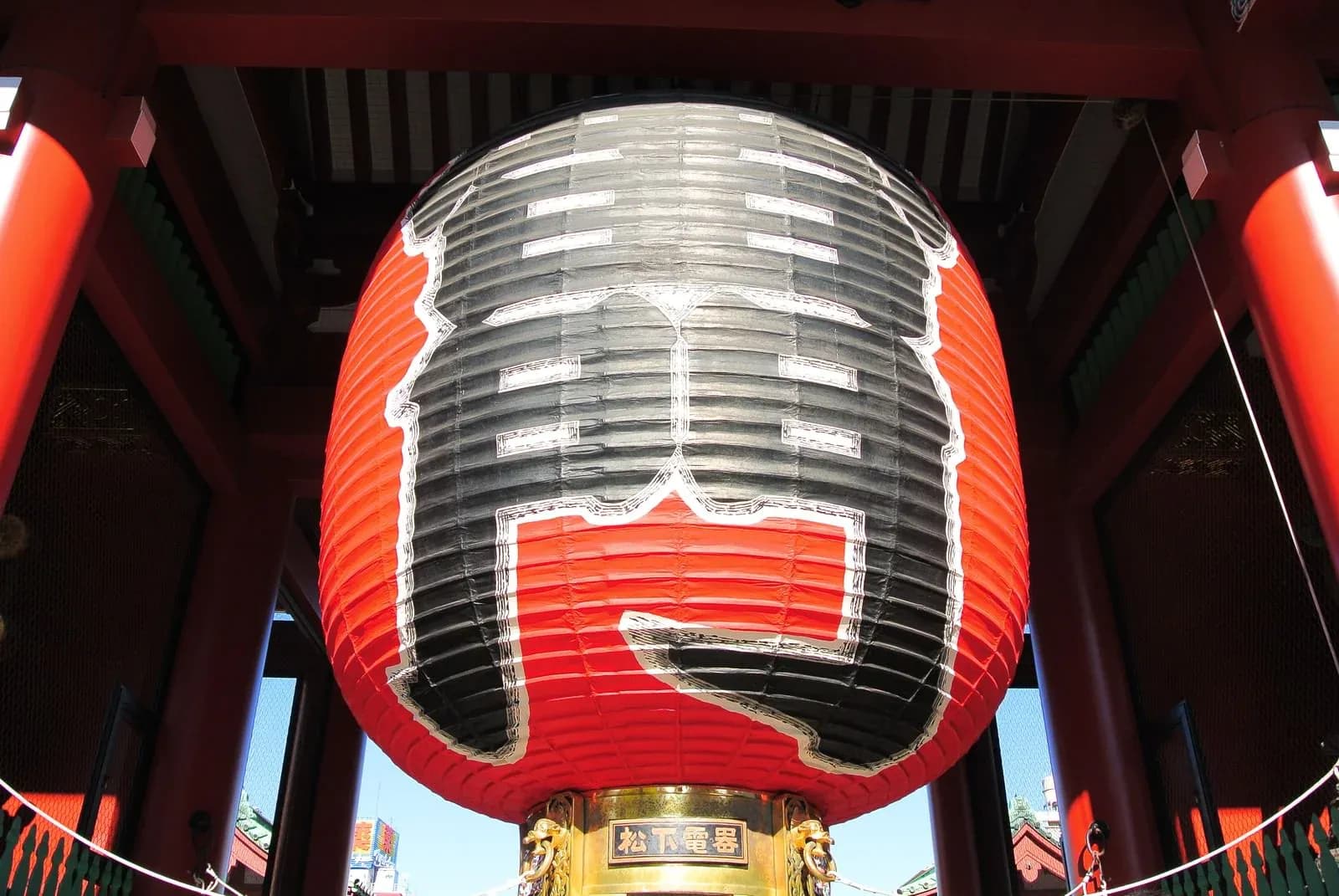
The Perfect Asakusa Morning: How to Combine a Sushi Class with an Authentic Matcha Experience
Looking for the ultimate Tokyo food experience? Here's your insider guide to pairing a hands-on sushi class with a traditional matcha experience in Asakusa—the perfect half-day itinerary for food-loving travelers.
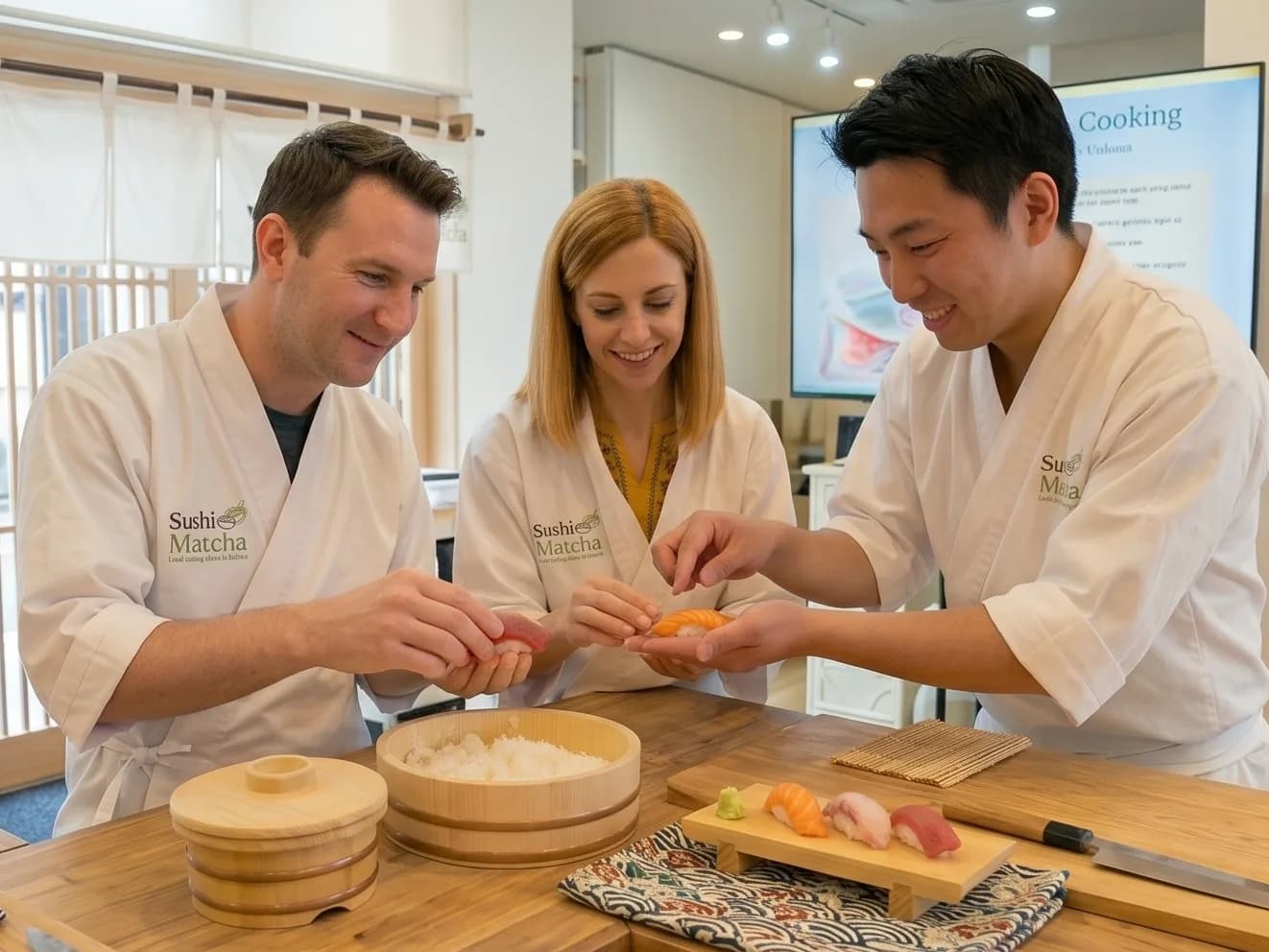
What Do You Make in a Sushi & Matcha Class?
What happens in our 90-minute Asakusa class: a sake toast, hand-shaped nigiri and rolled maki, eating what you made, then whisking your own matcha.
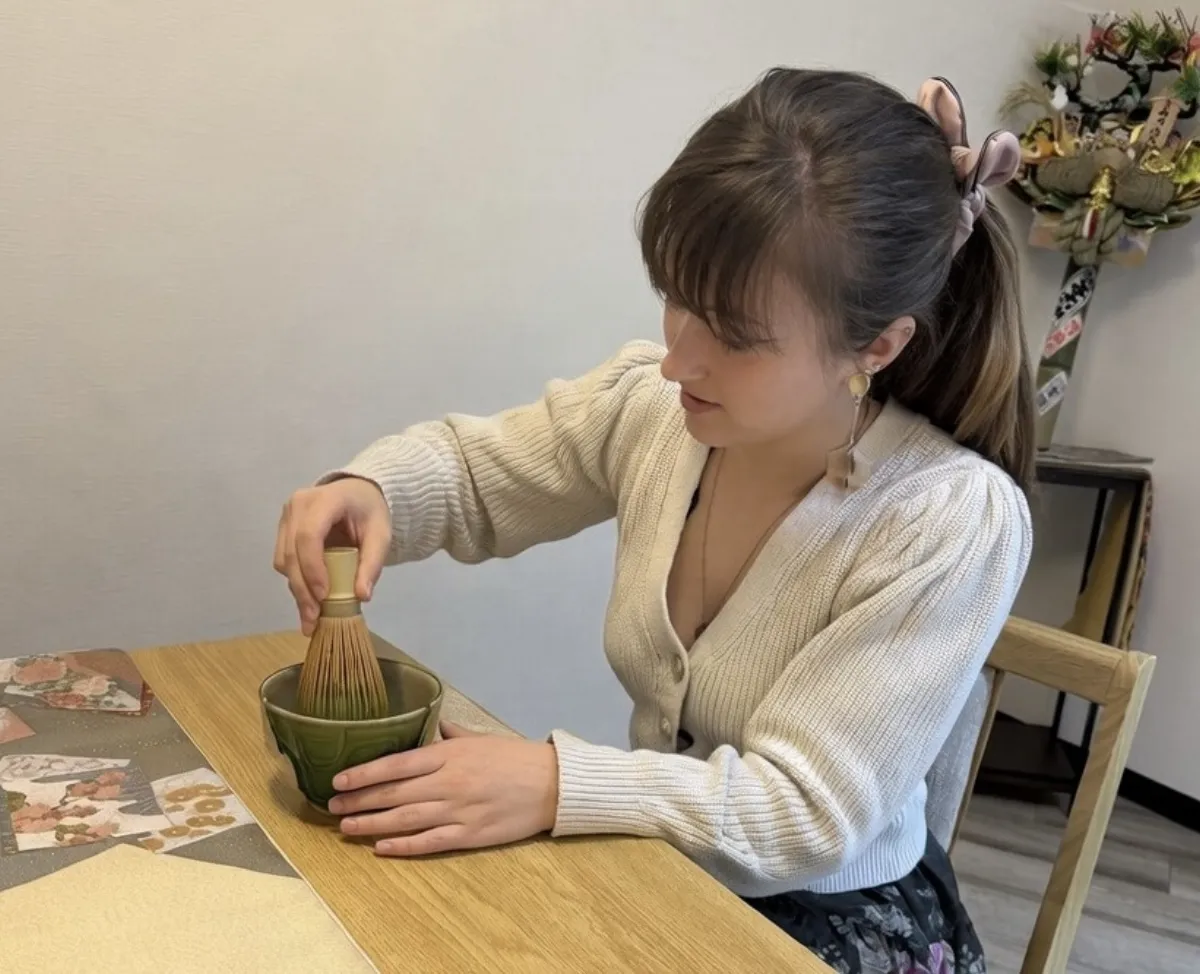
Matcha Workshop or Tea Ceremony?
Choose a matcha experience in Tokyo by what you want to do: whisk tea, explore tea ceremony, or combine matcha with a sushi class in Asakusa.