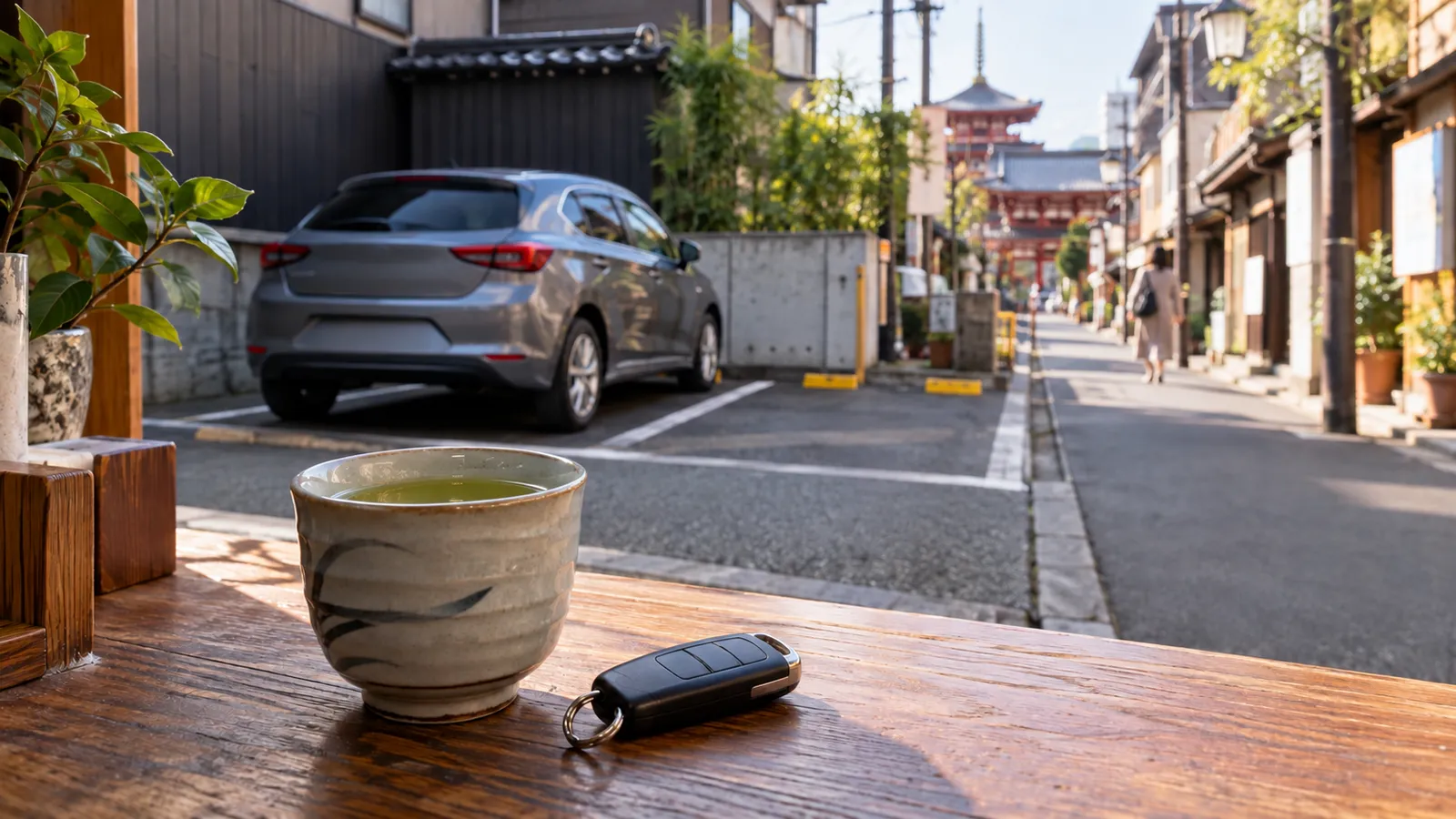
Driving to a Sushi Class in Asakusa
Most guests reach our Asakusa studio by train, but some arrive by car. Families on a road trip, travellers heading on to Nikko or the mountains, and people carrying a lot of luggage sometimes find a rental car easier than the subway. Driving can work, but two things deserve a plan before you book: where the car will wait during the class, and who will drink during the sake toast.
This guide covers both, along with the simpler alternatives.
Popular in Tokyo right now — our most recommended experience
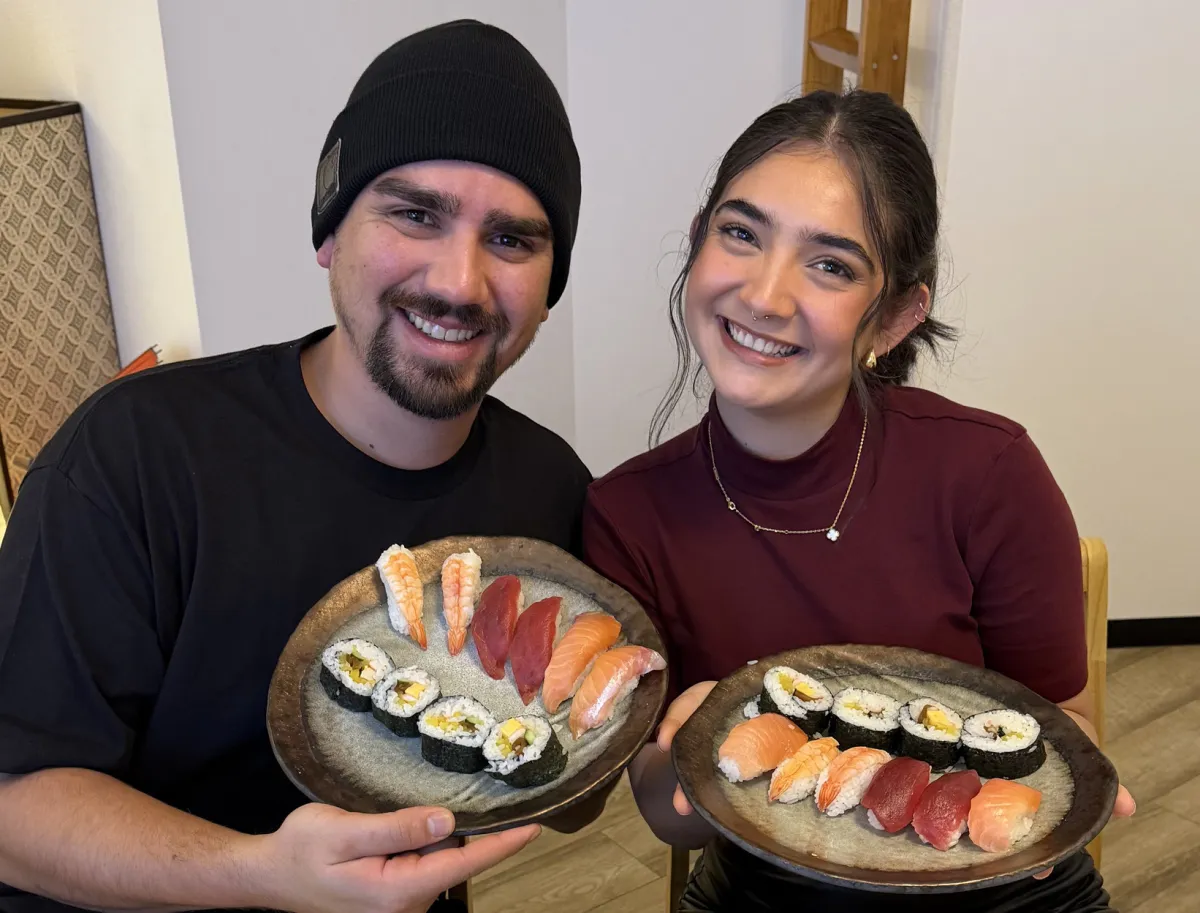
Tokyo Sushi Making Class : Sake Ceremony & Matcha Experience in Asakusa
There is no dedicated parking at the studio
Sushi Matcha does not have its own parking space. There are several coin parking lots within about a three-minute walk of the studio, and if you tell us you are driving when you book, we can suggest nearby options.
Coin parking lots in Tokyo are usually small, unattended lots where you pay by time at a machine before leaving. Rates, maximum daily charges and vehicle size limits vary from lot to lot and are posted on signs at the entrance, so check them before you park. Asakusa is a busy sightseeing area, especially at weekends and on holidays, so a space close to the studio is not guaranteed at any particular time.
Japan's official travel site reminds visitors that parking outside a designated space can lead to penalties. Do not stop on the street outside the studio to unload and leave the car there "for a moment."
Allow enough parking time
The class lasts about 90 minutes, and we ask guests to arrive 10 minutes before the start to store belongings, wash hands and settle in. Add the walk from the car park and a little time to finish eating and chat afterwards. In practice, plan to pay for around two and a half hours rather than exactly 90 minutes.
If you want to visit Senso-ji or Nakamise Street before or after the class, include that time too. Our guide to Senso-ji and a sushi class on the same day can help you decide the order.
The sake toast and the driver
The signature class includes a traditional sake toast, with free refills during the class. That is a highlight for many guests, but it changes the plan if somebody in your group is driving.
Japan's rules on drinking and driving are strict. The Tokyo Metropolitan Police Department explains that penalties apply not only to the driver, but also to a person who provided the vehicle, a person who provided alcohol to the driver and passengers riding with a driver who has been drinking. In other words, "just one small cup" for the driver can create legal risk for the whole car.
The practical answer is simple: the driver does not drink at all. Water or Japanese green tea is available during the class, and the driver still takes part in everything else, including making the sushi and whisking matcha. Tell us at booking or on arrival who will not be drinking. Our guide to joining a sushi class without drinking alcohol explains how the toast works for non-drinkers.
Check your licence before the trip, not at the counter
If you plan to rent a car in Japan, confirm well before travelling that your licence and any international driving permit are accepted for driving in Japan. Requirements depend on the country that issued your licence. Japan's official travel site has an overview of things to know when renting a car, and your rental company can tell you exactly what documents they need.
This has nothing to do with the class itself, but a problem at the rental counter can delay your day and affect whether you reach Asakusa on time.
Simpler alternatives to driving into Asakusa
For many itineraries, leaving the car elsewhere is easier:
- Train to Asakusa. The studio is about 30 seconds from the North Exit of Tobu Asakusa Station and about 2 minutes from Exit 7 of the Tokyo Metro Ginza Line station. Our station-by-station directions show the final approach.
- Taxi for the last stretch. The access page has a Japanese address card you can show a driver. A taxi is not included with the class, and road time can vary.
- Return the car first. If your road trip ends in Tokyo, consider returning the car before the class day, or booking the class for a day without driving.
If you arrive with luggage
Road-trippers often have suitcases in the car. We have luggage storage space at the studio, so if you are between hotels or heading to the airport you can bring bags inside instead of leaving valuables visible in a parked car. Let us know in advance if you will have large bags. Our guide to taking the class with luggage before check-in has more detail.
Driving in from a day trip
If you are combining the class with a trip out of Tokyo, traffic on the way back can be harder to predict than a train timetable. Our Nikko day trip guide explains why we suggest a generous margin when a class follows a day away from the city. Remember that cancellation is free up to 24 hours before the class, but after that, and for no-shows, the full price is charged, even if you are stuck in traffic.
Before you book
- Decide who is driving, and agree that the driver will not drink.
- Pick a session with enough margin for traffic and finding a parking space.
- Mention in your booking that you are coming by car, so we can suggest parking options.
- Save the address card from the access page in case you switch to a taxi.
When your plan is clear, choose a session on the signature sushi and matcha class page.
Related Articles
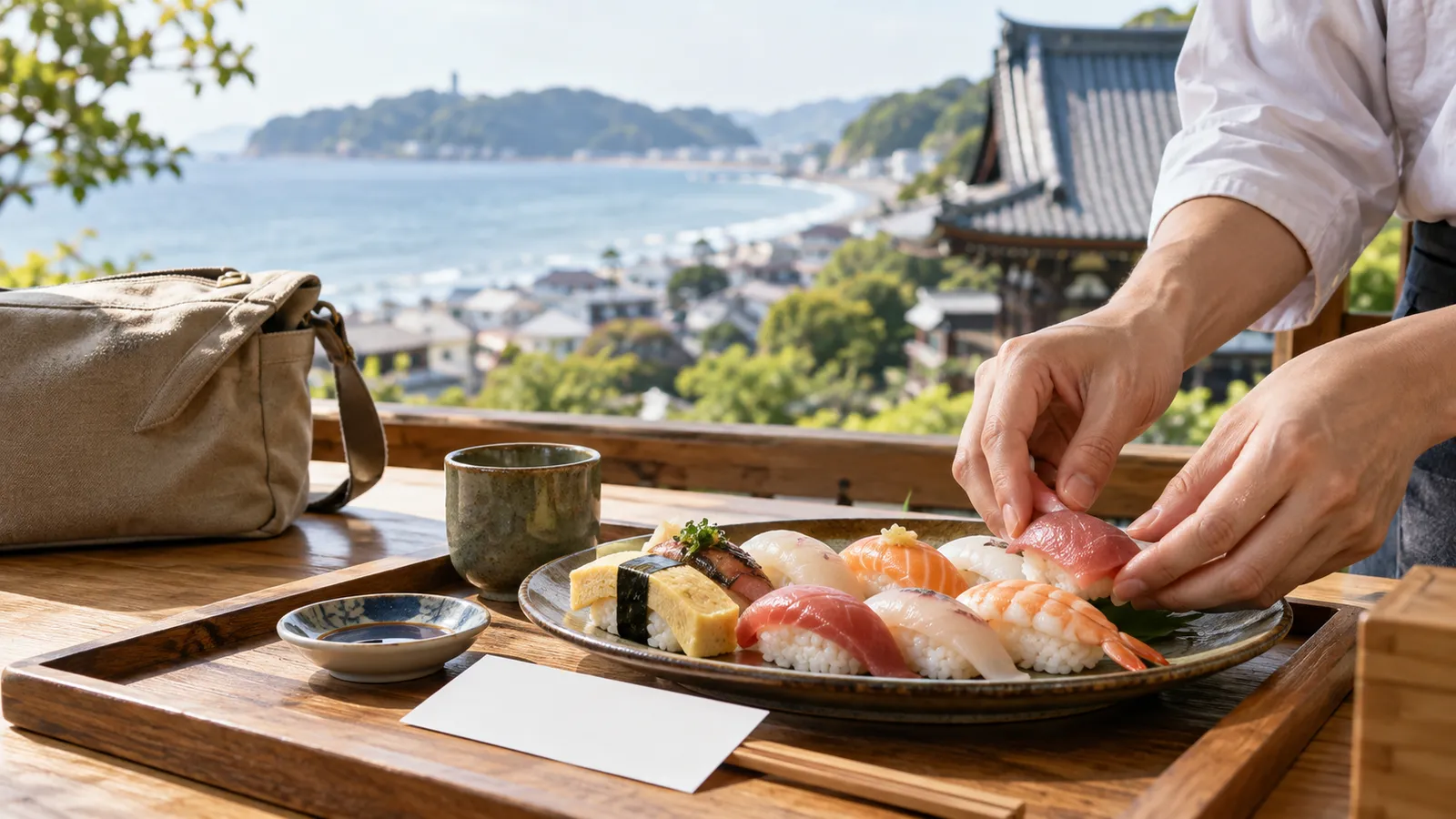
Kamakura Day Trip and an Asakusa Sushi Class
Planning Kamakura and a sushi class in Asakusa? Compare three realistic plans, from separate days to a same-day combo, with travel times and margins.
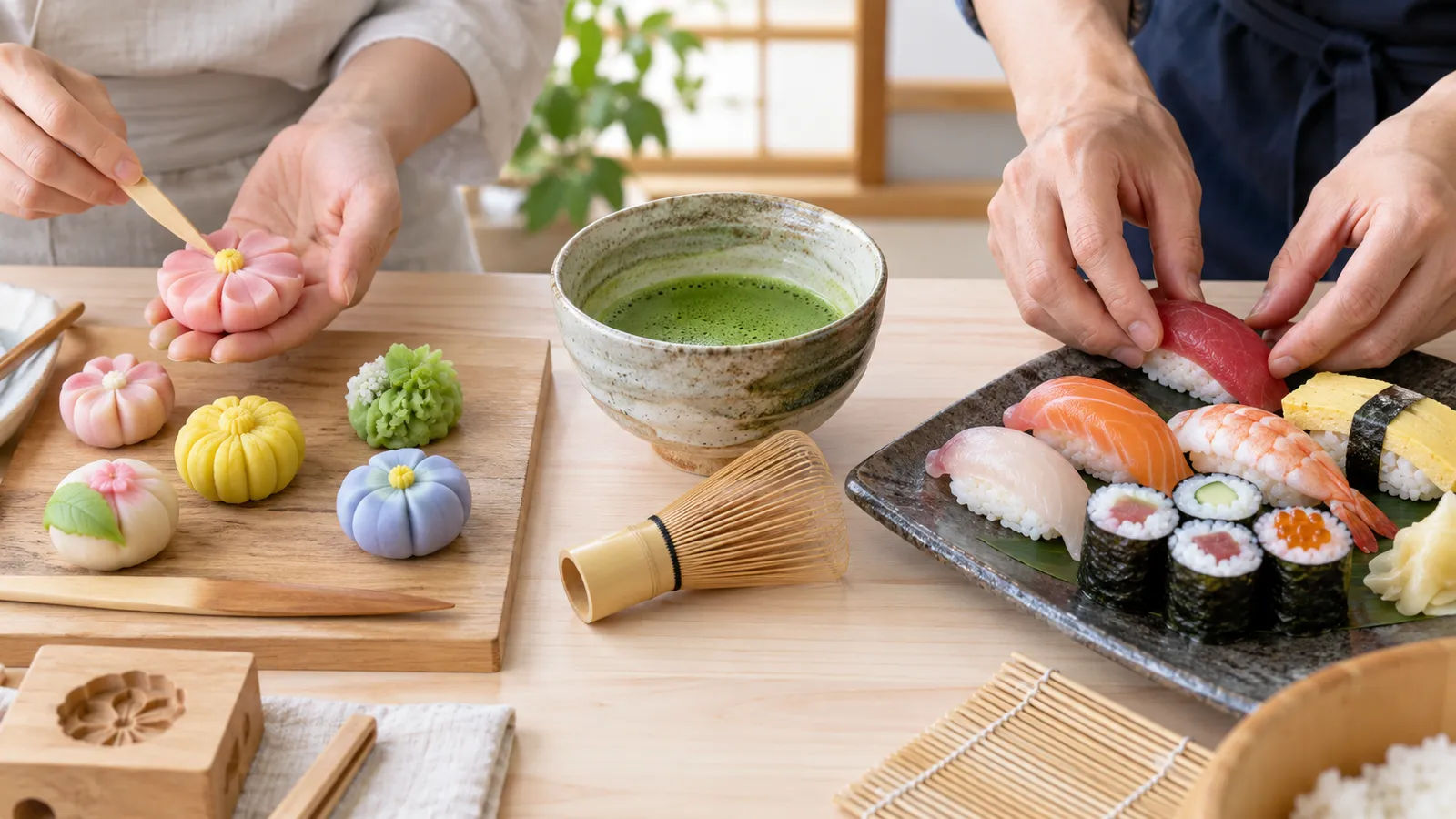
Wagashi Class or Sushi Class in Tokyo?
Deciding between making Japanese sweets and making sushi in Tokyo? Compare what you make, how filling it is, and where matcha fits before you book.
A Sushi Class on a Tokyo Layover
Changing planes in Tokyo? How to judge whether a layover leaves time for a sushi class in Asakusa: entry, trains, bags and a safe return margin.