Tokyo Sushi Class: Instant or Request?
You have found a class you like, you have a date in mind, and then the booking page says something you were not expecting: we will confirm after checking availability. Is that a reservation or not? Can you book the train ticket around it?
Not every experience in Tokyo is booked the same way. Some are confirmed the moment you pay; others are a request that a human reviews first. Both are normal, and neither is a warning sign, but they do change how you should plan the rest of the day. Here is how it works at our Asakusa studio.
Popular in Tokyo right now — our most recommended experience
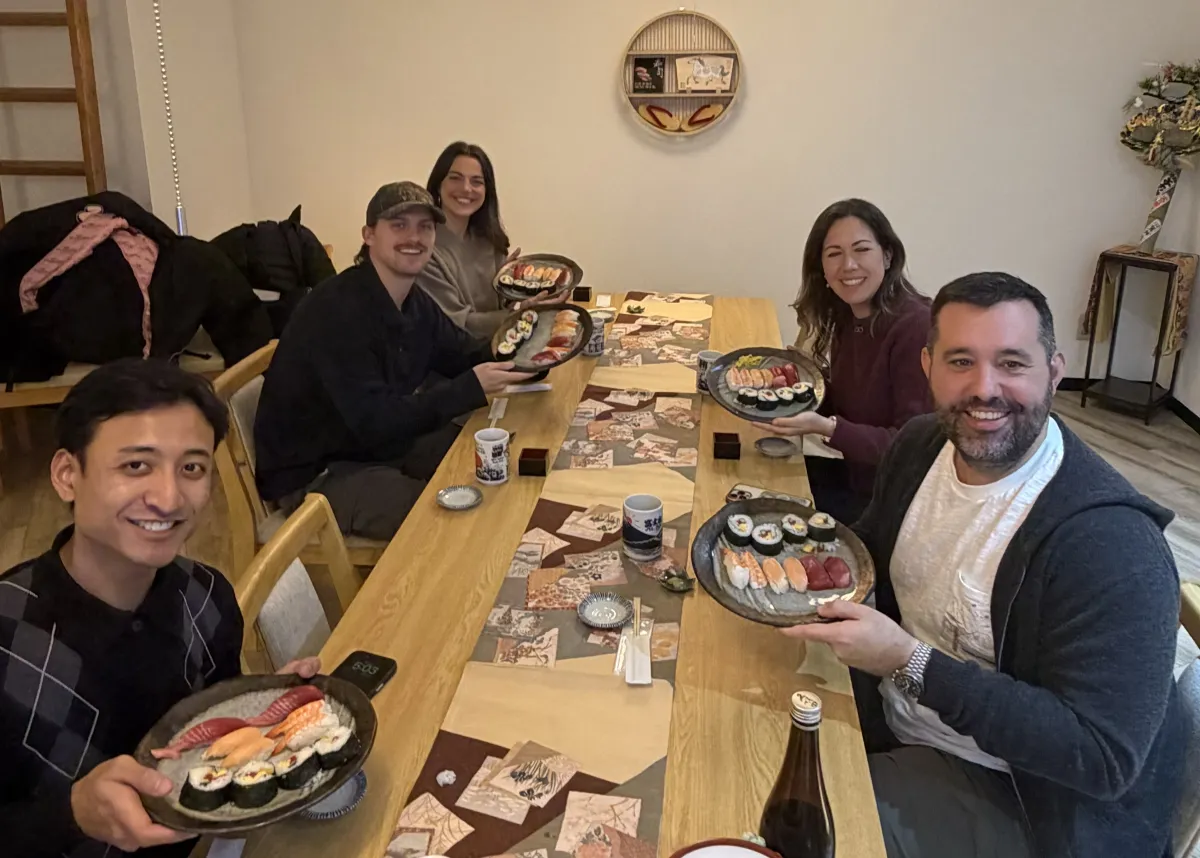
Tokyo Sushi Making Class : Sake Ceremony & Matcha Experience in Asakusa
What the two words actually mean
Instant confirmation means the booking system holds a real seat for you as you pay. Your confirmation email arrives right away, and it includes detailed directions with a map. There is no waiting period and nothing left to agree.
Request booking means you submit your preferred date, time and party size, and we confirm it after checking availability. Nothing about your request is wrong; it simply needs a person to check that the studio, the chef and the ingredients can all be set aside for a private group on that date. The booking screen shows a notice when a class works this way, so you are told before you commit rather than after.
Which of our classes confirm instantly
Our signature sushi and matcha class is the shared 90-minute session for up to 20 guests at ¥12,000 per person. You pick a date and start time, enter your party size and details, pay by card, and the confirmation lands in your inbox immediately.
The vegan menu runs inside that same shared session with a fully plant-based selection, so it books through the same instant flow rather than a separate request.
This is the option to choose if you want the date locked before you build the rest of your itinerary around it. Same-day bookings are possible when seats are still open, so a class can be added to a day that is already underway.
Which are request or inquiry bookings
The private formats work differently, because a private booking takes the whole studio out of the shared schedule.
- The family private class (90–120 minutes, ¥25,000 per person, 4 to 8 guests) is a request booking. You choose your date and party size as usual, and we confirm after checking availability. It is designed for families with children, with child-safe utensils, kid-friendly toppings and a no-raw-fish option. If your party is all adults, contact us before requesting it.
- The premium private omakase for up to 8 guests is arranged through our contact page rather than a self-service calendar, because the menu and timing are set around your group.
- The onigiri morning class is also handled through contact at the moment rather than online checkout.
Class pages are the authoritative source here. Which classes are bookable online, and which are by request, can change, so the button on the live class page tells you what applies on the day you are reading it.
What happens after you send a request
A request is not a reservation, and it is worth treating it that way for a day or two.
Send your preferred date, a realistic party size and any dietary requirements in the same message. Allergies, vegan guests and no-raw-fish requests all affect what we need to prepare, so including them up front avoids a second round of messages. Requests do need individual confirmation; we are not halal-certified and cannot guarantee an allergen-free kitchen, so severe allergies are best discussed before anything is booked.
While you wait, avoid making the rest of that day non-refundable. If a private slot turns out to be unavailable, the shared signature class is often open on the same date, and shifting to it is much easier when nothing else has been locked in.
How this changes your trip planning
If your trip is short, instant confirmation is doing something valuable: it removes a dependency. You know the class is happening, so you can book the train, the temple visit and dinner around it.
Request bookings suit the opposite situation — a group celebration, a company outing, a family visit where the exact shape of the day matters more than speed. There, the wait buys you something concrete: a studio to yourselves and a session built around your group.
If you are still deciding how far ahead to commit at all, our guide to booking a sushi class in advance or on the same day covers the trade-off between locking in a date and staying flexible. And if you have not yet chosen between joining a shared class and taking the studio privately, the comparison of shared and private sushi class formats is the better place to start.
Cancellation and changes
Both routes share the same cancellation terms once a booking is confirmed. Cancellation is free up to 24 hours before your class. Inside 24 hours a 100% fee applies, and no-shows are non-refundable. You can also reschedule free of charge as long as you tell us at least 24 hours before your original start time.
Payment for online bookings is taken by card at the time of booking. For private classes and special arrangements, a bank transfer can be arranged instead. We do not take cash for advance bookings.
Choosing between them
Pick the instantly confirmed shared class when your date matters more than exclusivity, when you are travelling on a tight schedule, or when you want the booking settled in the next two minutes.
Pick a request or inquiry booking when the group is the point — a private table, a specific celebration, a menu shaped around your guests — and you have enough time before the date for a reply.
When you are ready, open the signature class page to see the dates and start times currently offered for your party size. The booking panel on that page shows exactly which of the two routes applies before you enter any details.
Related Articles
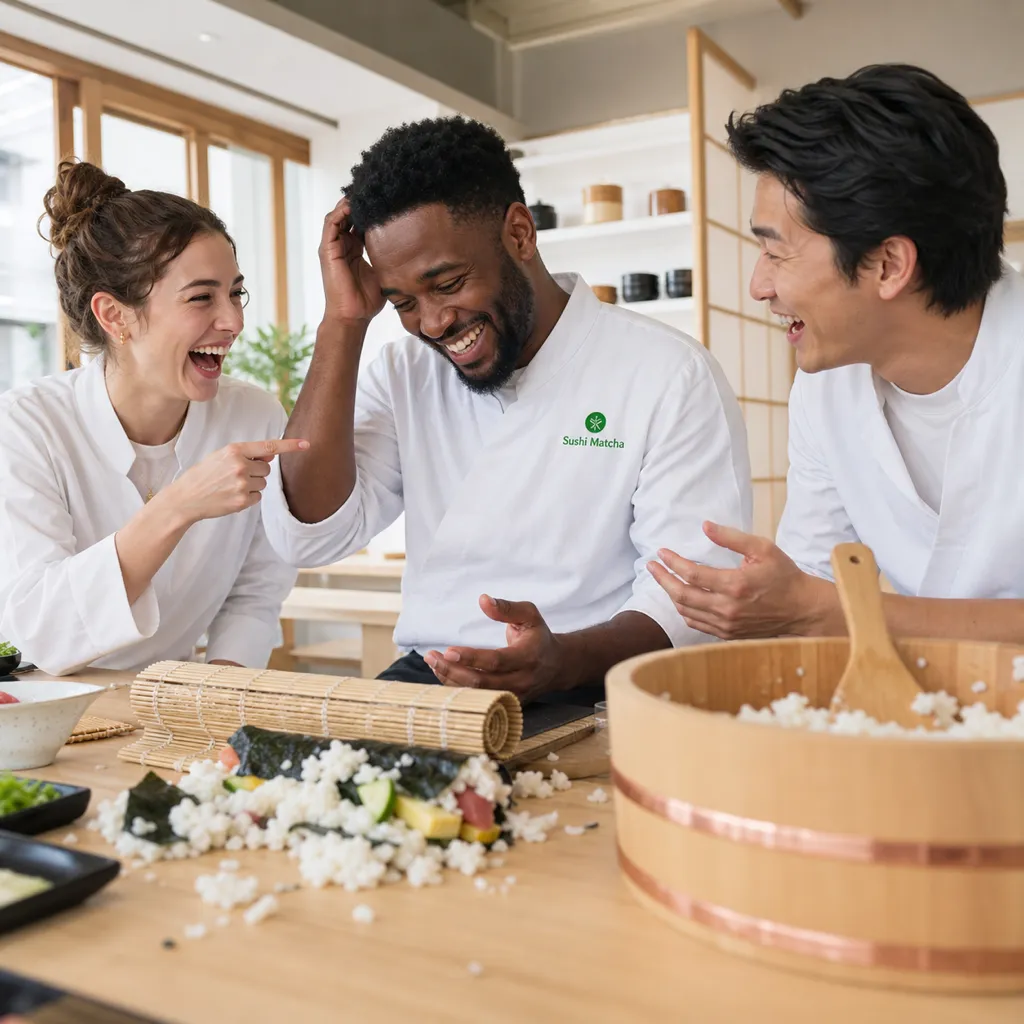
Booking a Tokyo Sushi Class for a Group
Organising a sushi class in Asakusa for friends? Here is the information to collect from everyone first, and how to keep the whole party in one session.

Book a Sushi Class Early or on the Day?
Reserve a Tokyo sushi class in advance or try on the day? Weigh certainty against flexibility and know what to check before counting on a same-day place.
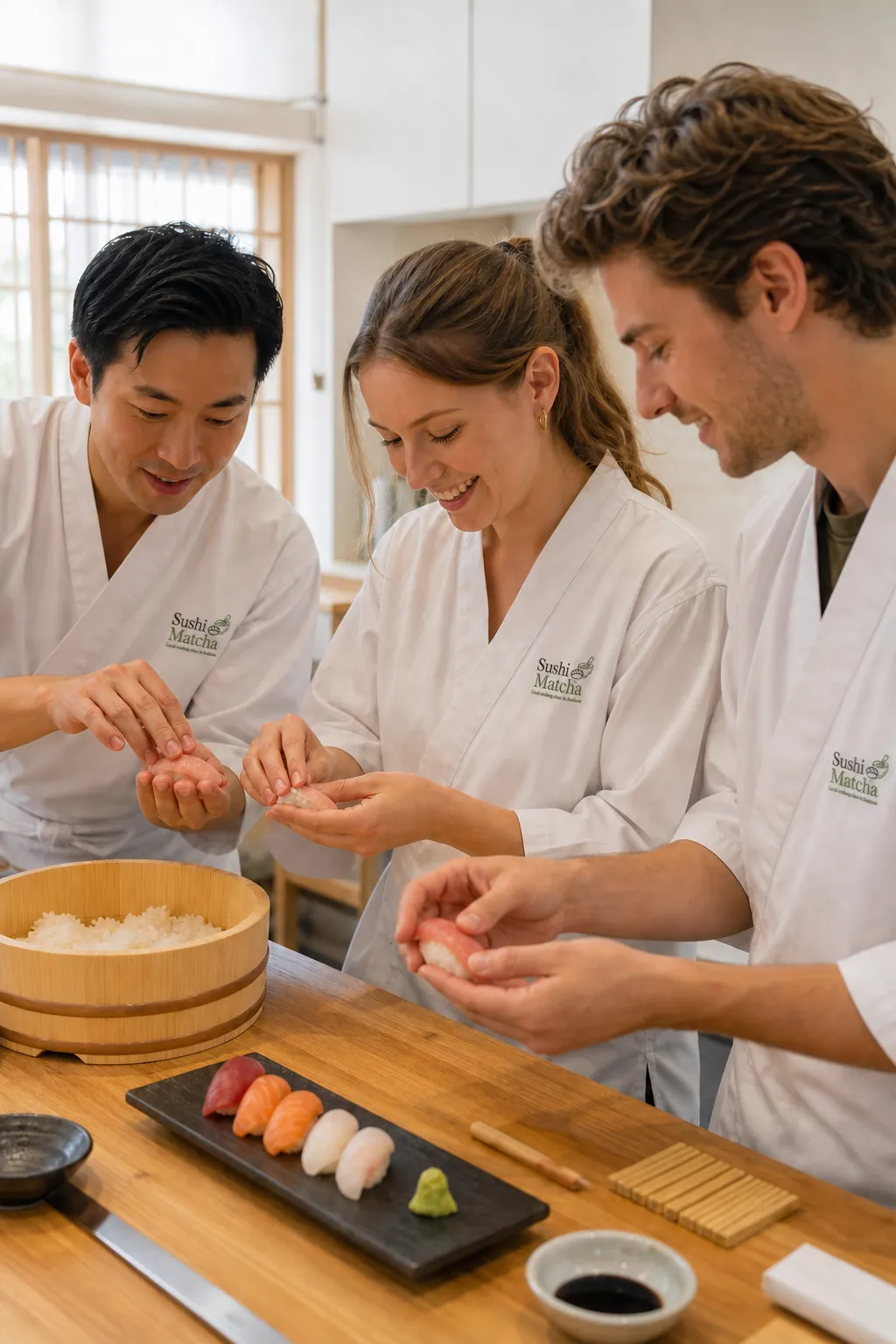
Practising Before a Tokyo Sushi Class
Should a beginner practise sushi at home first? Here is what a 90-minute Asakusa class actually asks of you, and what is worth sorting out instead.