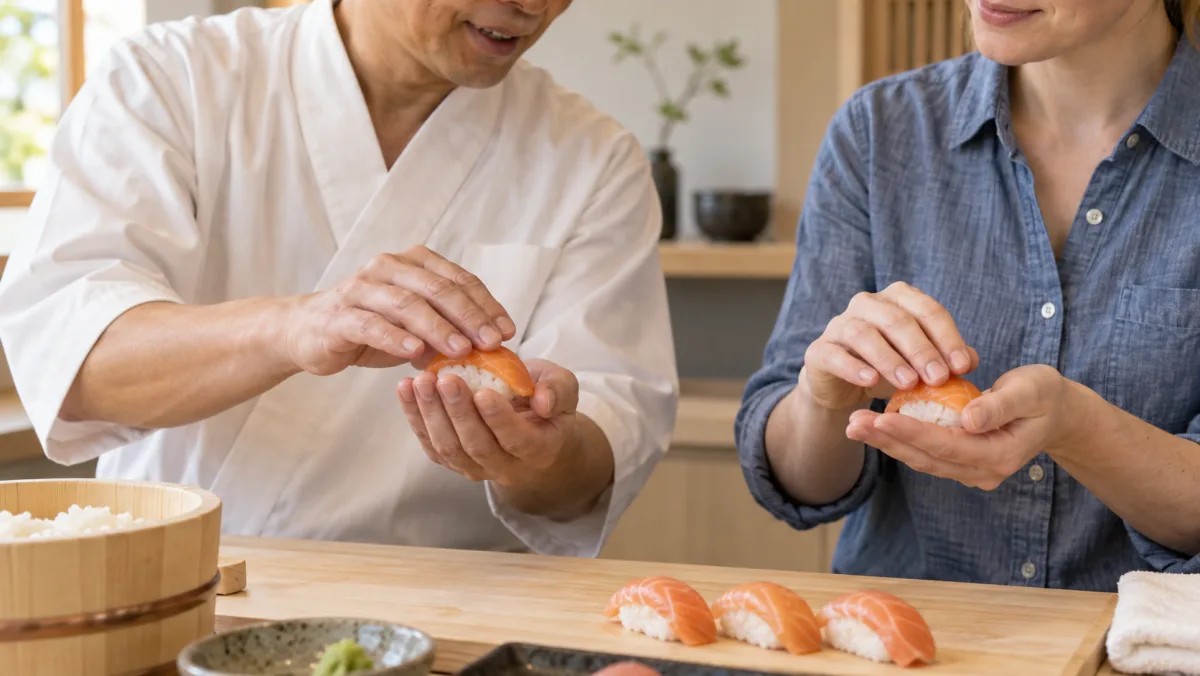
Sushi Class Without Speaking Japanese
You do not need to speak Japanese to join Sushi Matcha's signature class in Asakusa: the class is taught in English. You also do not need previous sushi-making experience. Those two facts remove different concerns, however. Being a beginner cook and being uncertain about the teaching language are not the same thing, so it helps to think about the support you actually need.
The 90-minute sushi and matcha experience includes making nigiri and maki, eating your creations and whisking matcha. This guide explains how to prepare if you do not speak Japanese, if English is an additional language, or if someone in your party needs an interpreter. It also explains which details to confirm before you reserve.
Popular in Tokyo right now — our most recommended experience
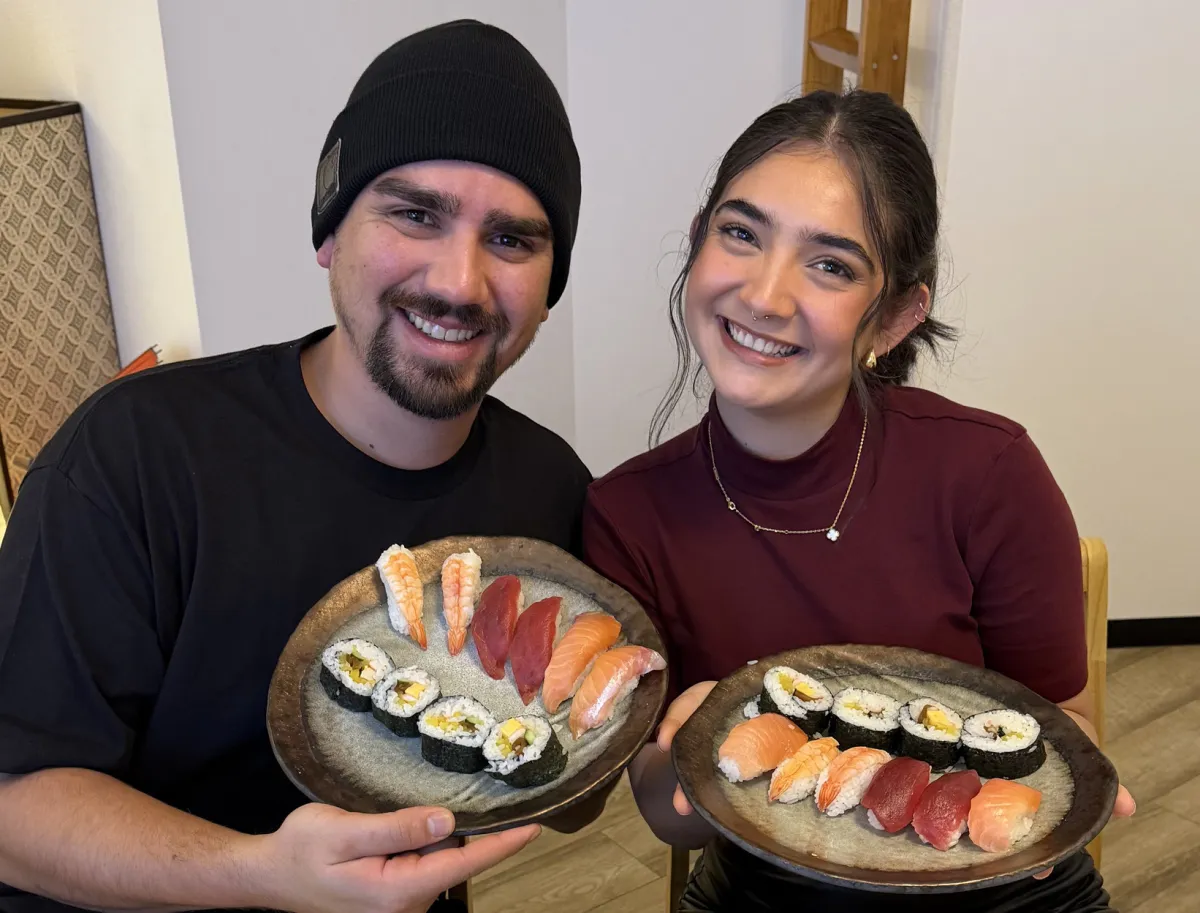
Tokyo Sushi Making Class : Sake Ceremony & Matcha Experience in Asakusa
Separate website language from class language
Sushi Matcha's website has information in multiple languages, while the signature class is delivered in English. Choosing a language in the website menu changes the page you read. It does not reserve an instructor who teaches in that language or convert the group session into a translated class.
Read the language information on the actual product page as part of choosing the experience. An instructor's personal biography may mention other languages, but a particular instructor or language is not guaranteed for your date. If the language of instruction is essential to your decision, explain what you need and wait for a specific answer from the team.
If you understand English but rarely speak it
You do not need a prepared speech about Japanese food. For many travellers, the useful questions are short and concrete: what to do next, how much pressure to use, or whether the instructor can demonstrate again. Watching the example can help you connect an unfamiliar word to the action, although demonstrations do not replace understanding important instructions.
It can be useful to tell the instructor at the beginning that English is not your first language. Ask for a slower explanation when necessary rather than nodding through something you have not understood. You are coming to learn, and knowing where you need clarification is more useful than trying to sound fluent.
Keep a few practical questions ready
These English phrases can help you request the information you need:
- “Could you show me that again, please?”
- “Could you speak a little more slowly?”
- “Is this the right amount of rice?”
- “What should I do next?”
- “Could you tell me which ingredients are in this?”
Save the questions that suit you in a note before arriving. A short written question can also help when pronunciation feels difficult. You do not need to memorise Japanese culinary vocabulary as an entry requirement. Words such as nigiri, maki and matcha become easier to remember when you can connect them to the activity in front of you.
If English instruction is not enough
The published FAQ welcomes guests who need another language to bring a private guide or interpreter. Before you book, contact the team with the language needed, the number of participants and whether the interpreter will join the activity or only assist. Ask how that person should be included in the booking and whether there are any space or fee arrangements to confirm.
Do not assume an accompanying interpreter can attend without notice or without being counted. Equally, a request for language support is not automatically a request for exclusive use of the studio. If privacy is part of your requirement, the shared versus private class guide explains that separate choice.
Write food requirements down before the visit
Dietary requirements deserve their own clear message, even when you are comfortable with everyday English. State the actual ingredients or restrictions concerned instead of relying on a broad label that might be understood differently. Use the appropriate menu option and wait for the team's answer if a particular arrangement is essential.
A translation app can help draft a question, but it should not be treated as confirmation that a menu meets your needs. Our vegan class booking guide explains questions about that menu option. A vegan label is not an assurance that all allergy requirements are covered; obtain specific confirmation rather than making that inference.
Make arrival easy to explain
Save the studio's map, address and your booking confirmation where you can open them without searching through messages. The address is 1-10-16 Hanakawado, Taito City, Tokyo. The access page helps you choose the correct approach for your transport line. Several services use the name Asakusa, so the station name alone does not identify every exit.
Arrive ten minutes before your class. That gives you time to put away belongings and raise any language questions before the activity starts. If you are delayed, contact the team with the reservation details and your situation. A message is clearer when it identifies the booking; it does not automatically change the start time or the cancellation conditions.
A useful inquiry before booking
For example, you might write: “We would like to book the signature class for two people. We do not speak Japanese. One person understands English, and the other would need help from a private interpreter. How should we arrange the interpreter's attendance?” Add your intended date and any separate food requirements.
This gives the team enough information to address a real arrangement instead of a general question about whether tourists are welcome. Keep the reply with your booking details. If everyone can follow the English instruction and the format suits your party, check the signature class's available dates. If more support is needed, settle that first so you can arrive knowing how you will participate.
Related Articles
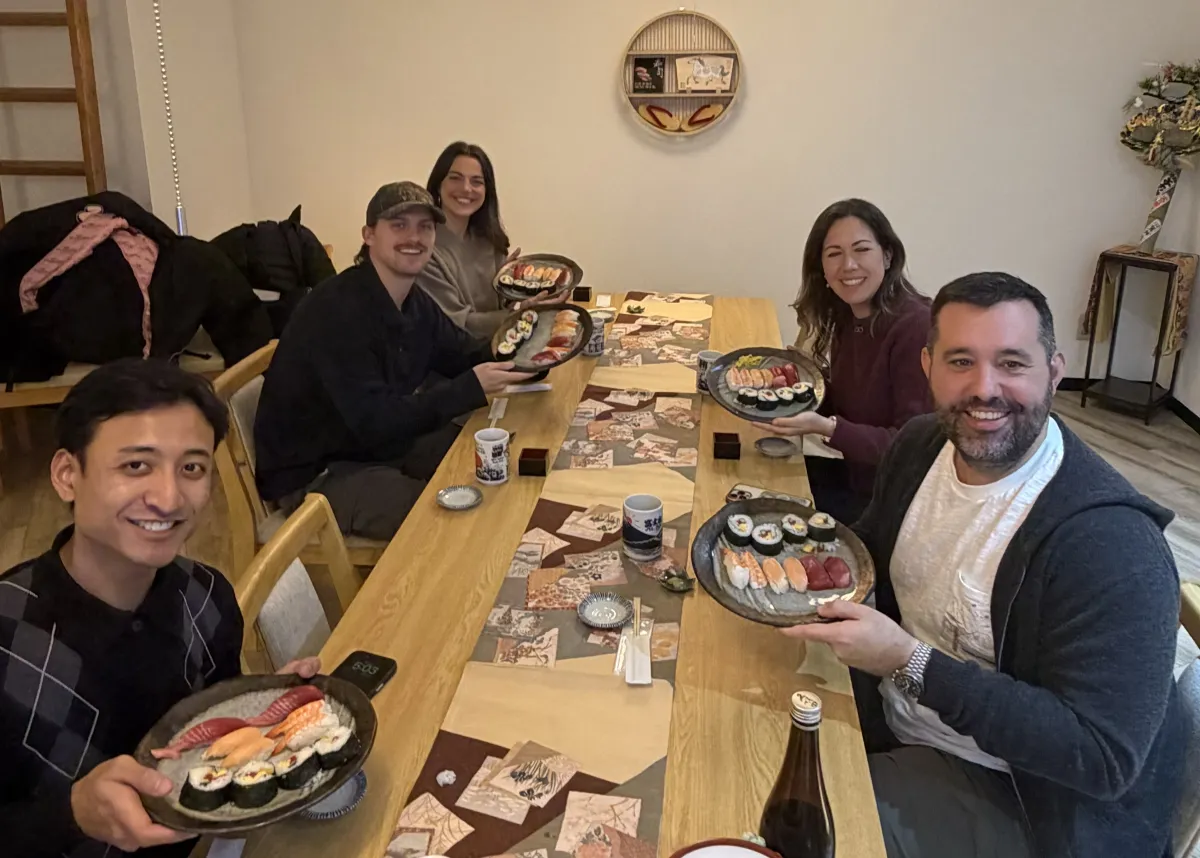
A Sushi Class Without Drinking Alcohol
You can join our Asakusa sushi class without drinking sake. Learn about water and tea options, the shared setting and what to ask before booking.
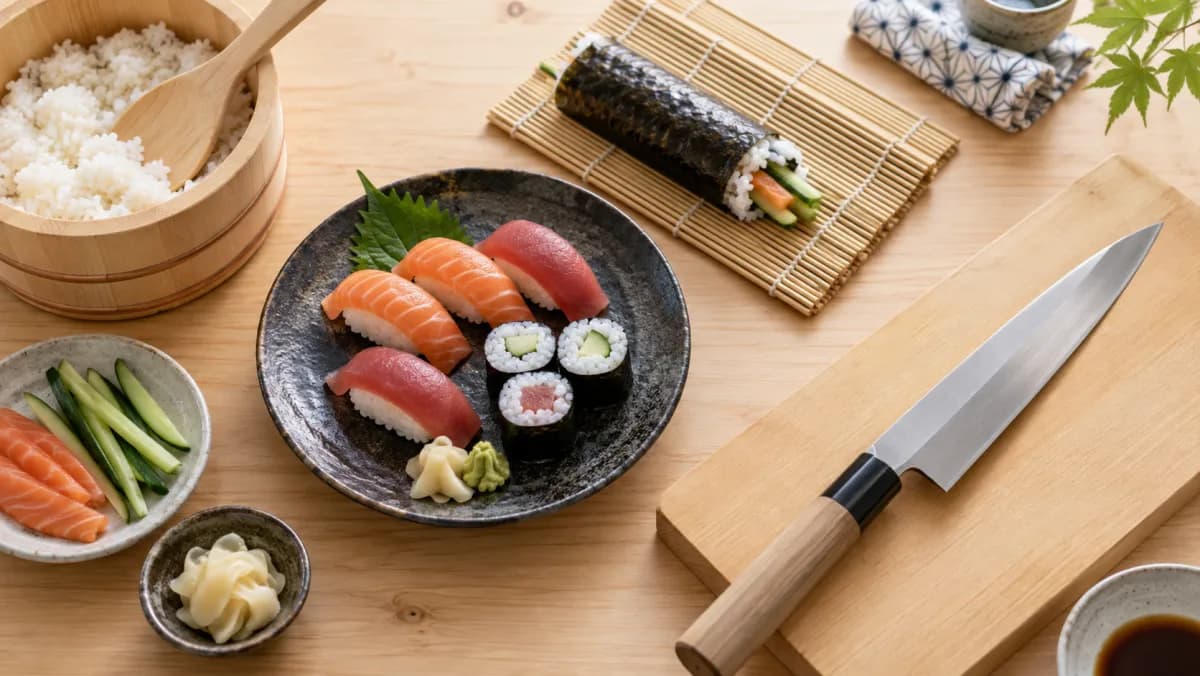
Sushi Class or Chef Training in Tokyo?
Choose a Tokyo sushi course for your actual goal: a hands-on holiday experience or structured professional study. Know what to check before booking.
Shared or Private Sushi Class in Tokyo?
Compare shared and private sushi classes in Asakusa: group size, pace, family needs, pricing units and how your booking is confirmed.