Atami Day Trip & Asakusa Sushi Class
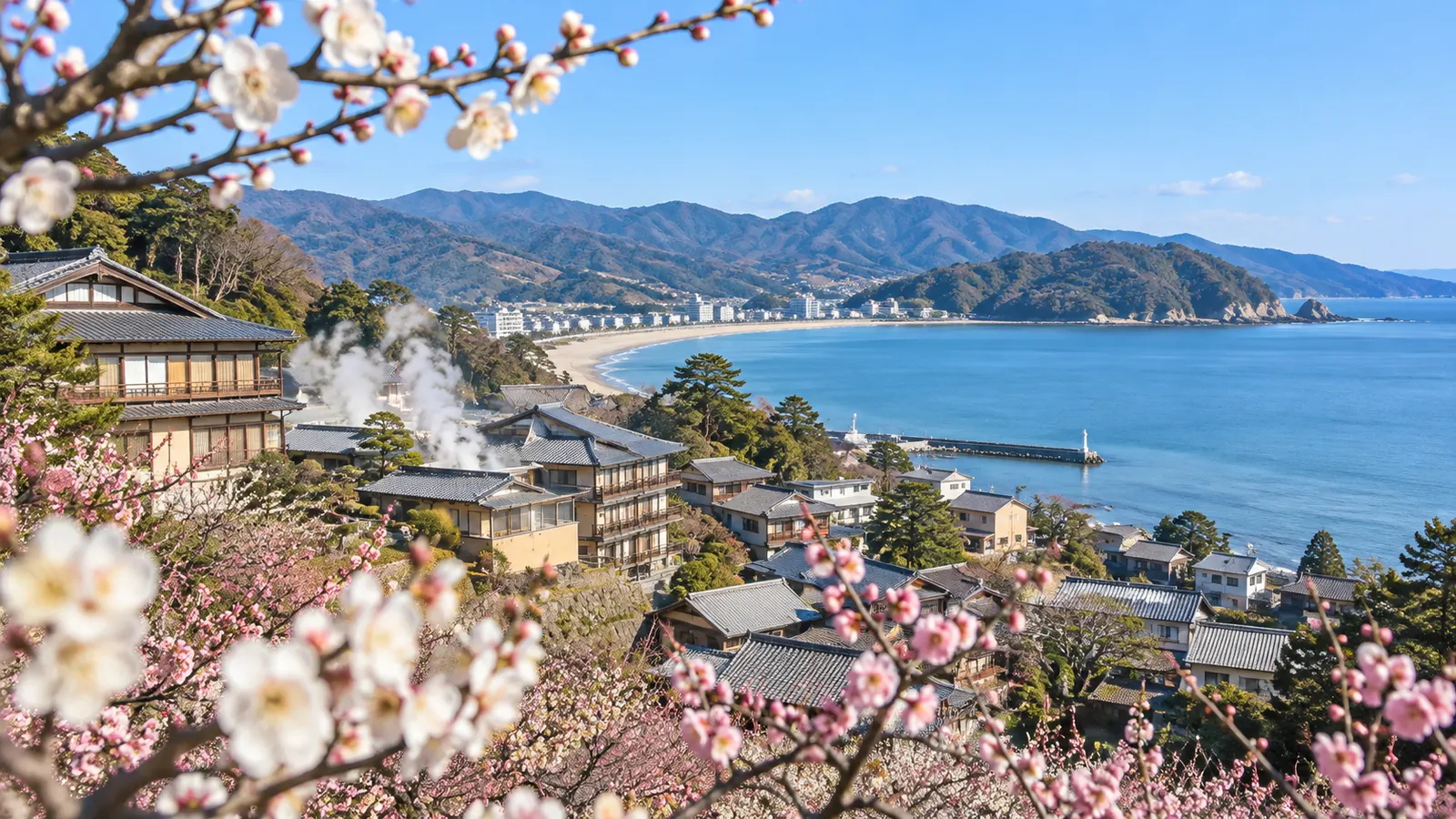
Atami is a seaside hot-spring town on the edge of the Izu Peninsula, built on hills that drop straight into Sagami Bay. It is one of the quickest escapes from Tokyo to the sea: the bullet train from Tokyo Station takes well under an hour. In late autumn and winter it has three things worth timing a trip around: one of Japan's earliest plum gardens, fireworks over the bay, and mild weather compared with central Tokyo.
This guide covers getting to Atami from Asakusa, what to see, the winter calendar and how to combine a day there with our sushi class. Dates and fares were checked on 18 November 2026.
Popular in Tokyo right now — our most recommended experience

Tokyo Sushi Making Class : Sake Ceremony & Matcha Experience in Asakusa
Getting there from Asakusa
There are two practical ways to reach Atami Station.
By bullet train. From Asakusa, take the Tokyo Metro Ginza Line towards Ueno or Kanda and change to the JR lines for Tokyo Station. From Tokyo, the Tokaido Shinkansen reaches Atami in about 35 to 40 minutes on a Hikari that stops there, or 45 to 50 minutes on a Kodama. A fare site we checked listed about ¥3,800 for an unreserved seat between Tokyo and Atami. Allow roughly an hour and a half from Asakusa in total, including the transfer.
By conventional train. The JR Tokaido Line runs from Tokyo to Atami in about 1 hour 30 minutes to 1 hour 40 minutes, and some trains start at Ueno, close to Asakusa. It costs less than the bullet train and needs no seat reservation, but it takes longer, so it suits a relaxed day rather than a tight one.
Check a route planner on the day, because connections change by time. IC cards such as Suica or PASMO work on the conventional route. For the Shinkansen, buy a ticket at the station or online.
What to see in Atami
Kinomiya Shrine and its giant camphor
Kinomiya Shrine is one stop from Atami on the JR Ito Line, then a short walk. Its great camphor tree is more than 2,000 years old and a nationally designated natural monument; the shrine says a national survey in 1992 recognised it as the second-largest tree in Japan, with a trunk about 24 metres around. A local tradition holds that walking once around the tree adds a year to your life. Part of the grounds has been under construction, so follow the signs for the current entrance.
MOA Museum of Art
High on the hillside above the station, the MOA Museum of Art is reached by a bus of about seven minutes from Atami Station. It is known for its collection of Japanese art, including Ogata Korin's Red and White Plum Blossoms screen, a National Treasure that is usually shown for a limited period around plum season. The museum opens from 9:30 to 16:30, with last entry at 16:00. The view over Sagami Bay from its terraces is worth the trip on its own. Check the museum's calendar for closing days and current exhibitions.
Atami Baien plum garden
Atami Baien opened in 1886 and is known for some of the earliest plum blossoms in Japan. According to Atami's official tourism site, the first flowers usually open between late November and early December, and about 469 trees of around 60 varieties bloom in turn through the winter. The 83rd Atami Baien Plum Festival runs from 9 January to 7 March 2027, from 8:30 to 16:00. A visit in late November or December will show only the first few blossoms, so come for the walk and the garden rather than full bloom.
The waterfront and a hot-spring soak
Below the station, the town runs down to Atami Sun Beach and the harbour. The shopping streets near the station are lively at lunchtime and known for seafood and dried fish. Atami is above all a hot-spring town, and several baths and inns offer day-use bathing, which is the best way to finish a winter day before the train home.
Atami fireworks in winter
Atami holds its Marine Fireworks Festival over the bay several times a year, not only in summer. The remaining dates for 2026–27 listed by the city's tourism site are 23 November, 6 December and 25 December 2026, and 21 February 2027. Outside July and August each display is scheduled for 20:20 to 20:40. The event is planned to go ahead in rain, but dates and times can change, so check the official listing before you travel. The tourism site recommends the sand of Sun Beach as a less crowded place to watch.
Seeing the fireworks means a late return. After the show, allow extra time to walk back to the station and expect crowds. Whether you are back in Asakusa before midnight depends on the last connections, so check the timetable before you go.
Fitting the sushi class into an Atami day
Our signature sushi and matcha class lasts 90 minutes. You make nigiri and a futomaki roll with an English-speaking instructor, toast with sake, eat what you made and whisk your own matcha. It costs ¥12,000 per person. Session times vary by date, so check the booking calendar first and arrive about 10 minutes before the start.
Option 1: class in the morning, Atami in the afternoon
Take a morning class in Asakusa, then head to Tokyo Station for the bullet train. You will be in Atami by early afternoon, with time for the MOA Museum or Kinomiya Shrine and an onsen before dinner. On a fireworks date, stay on for the show and take a late train home. The class is a full meal, so you will not need a big lunch.
Option 2: Atami in the morning, class in the afternoon
Leave early, visit Kinomiya Shrine and the plum garden while it is quiet, and take a bullet train back around midday. Allow at least an hour and a half from Atami to the studio. This works best on a day without fireworks.
Option 3: Atami with an overnight stay
Atami has many ryokan. If you stay overnight, you can do the class on your way out or on your way back, and enjoy the fireworks without watching the clock. Many ryokan serve a course dinner; our comparison of a kaiseki dinner and a sushi class explains how the two experiences differ.
If you prefer hot springs in the mountains, our Hakone day trip guide covers a similar plan, and our Kamakura guide is a nearer seaside option.
Practical tips
- Atami is hilly. Many sights are up steep streets, so use buses or taxis between them and wear comfortable shoes.
- Bring a small towel if you plan a day-use onsen.
- Free cancellation. Our class can be cancelled free of charge up to 24 hours before the start, which helps if weather changes your plans.
FAQ
Is Atami worth a day trip in winter? Yes. Winter brings the earliest plum blossoms, fireworks dates and quiet hot-spring streets, and the town is easy to reach from Tokyo.
Can I see Atami in half a day? Yes, if you pick two sights, such as Kinomiya Shrine and the MOA Museum, and use the bullet train.
Plan your Atami day
Choose the class time first, then plan Atami around it. Book the signature class and combine Asakusa sushi with a day by the sea.
Related Articles
Narita-san Day Trip & Asakusa Sushi Class
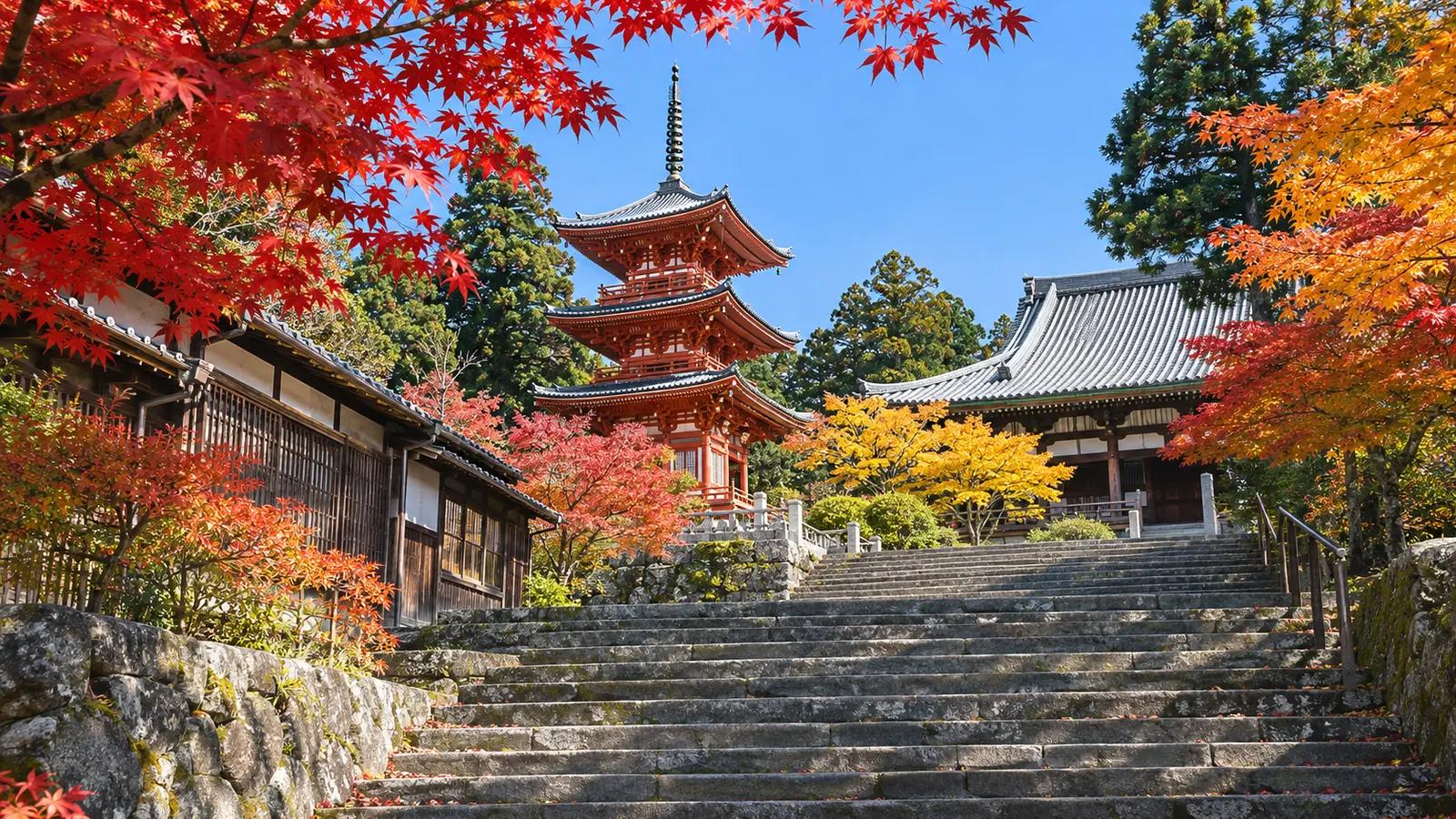
Narita-san Shinshoji from Asakusa by train: the route, the goma fire ritual, the eel street, autumn leaves and how to fit a sushi class into the day.
Mount Tsukuba Day Trip & Asakusa Sushi Class
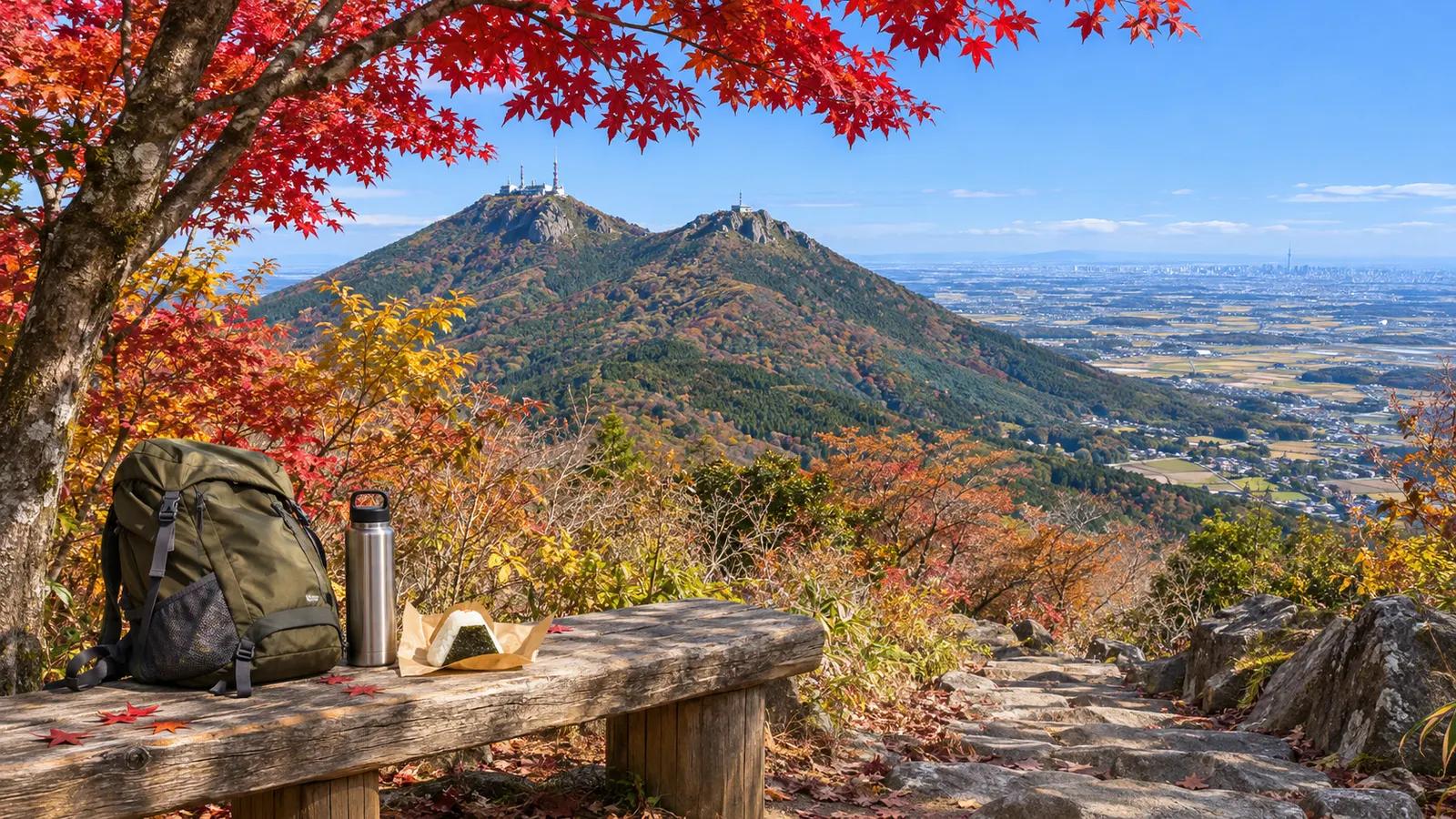
Mount Tsukuba from Asakusa on the Tsukuba Express: the pass, shuttle bus, cable car, trails, autumn and winter events and how to fit in a sushi class.
Chichibu Day Trip & Sushi Class in Asakusa
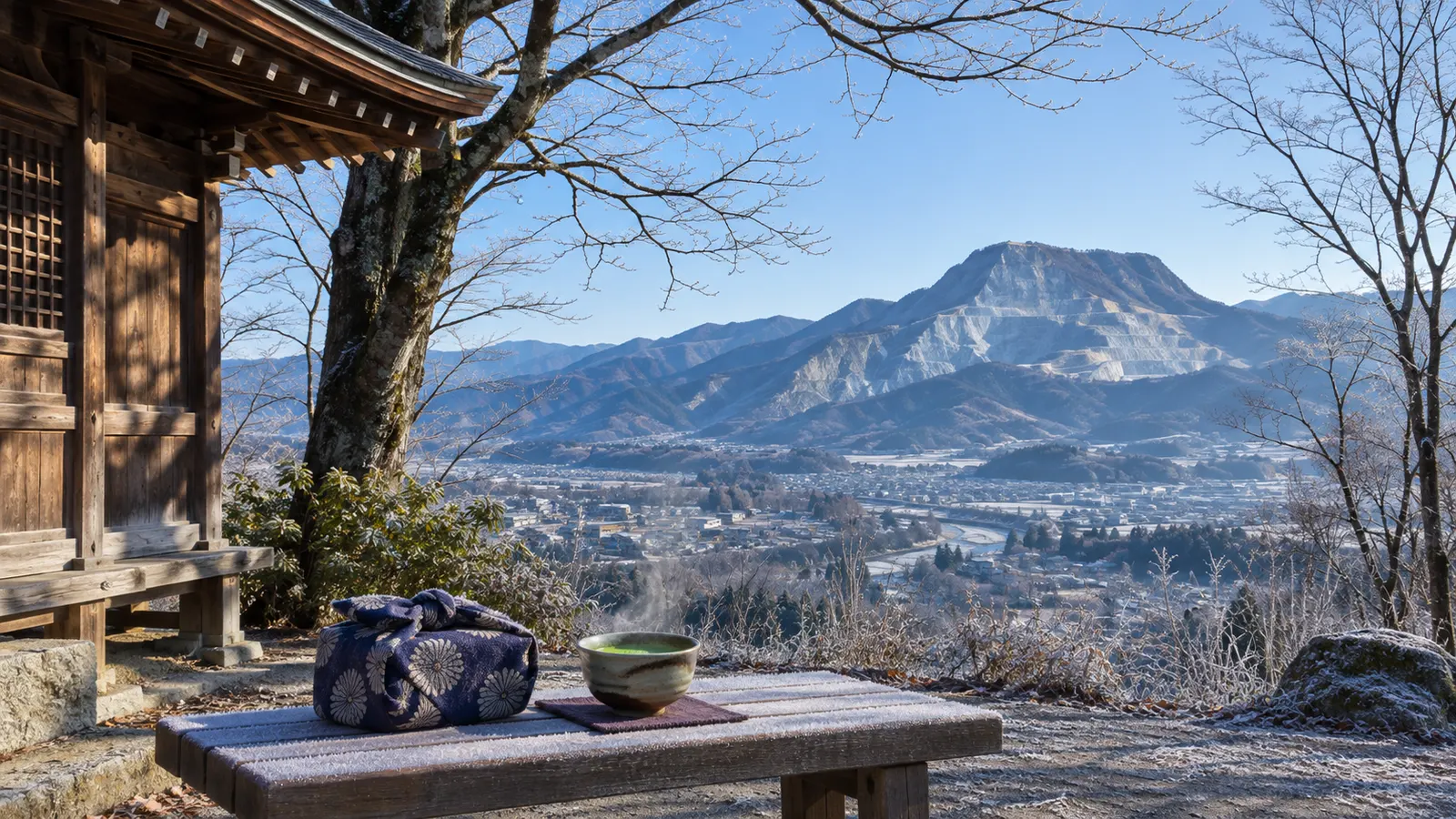
A Chichibu day trip from Tokyo: the Laview from Ikebukuro, sights by season, the December night festival and fitting in a sushi class.