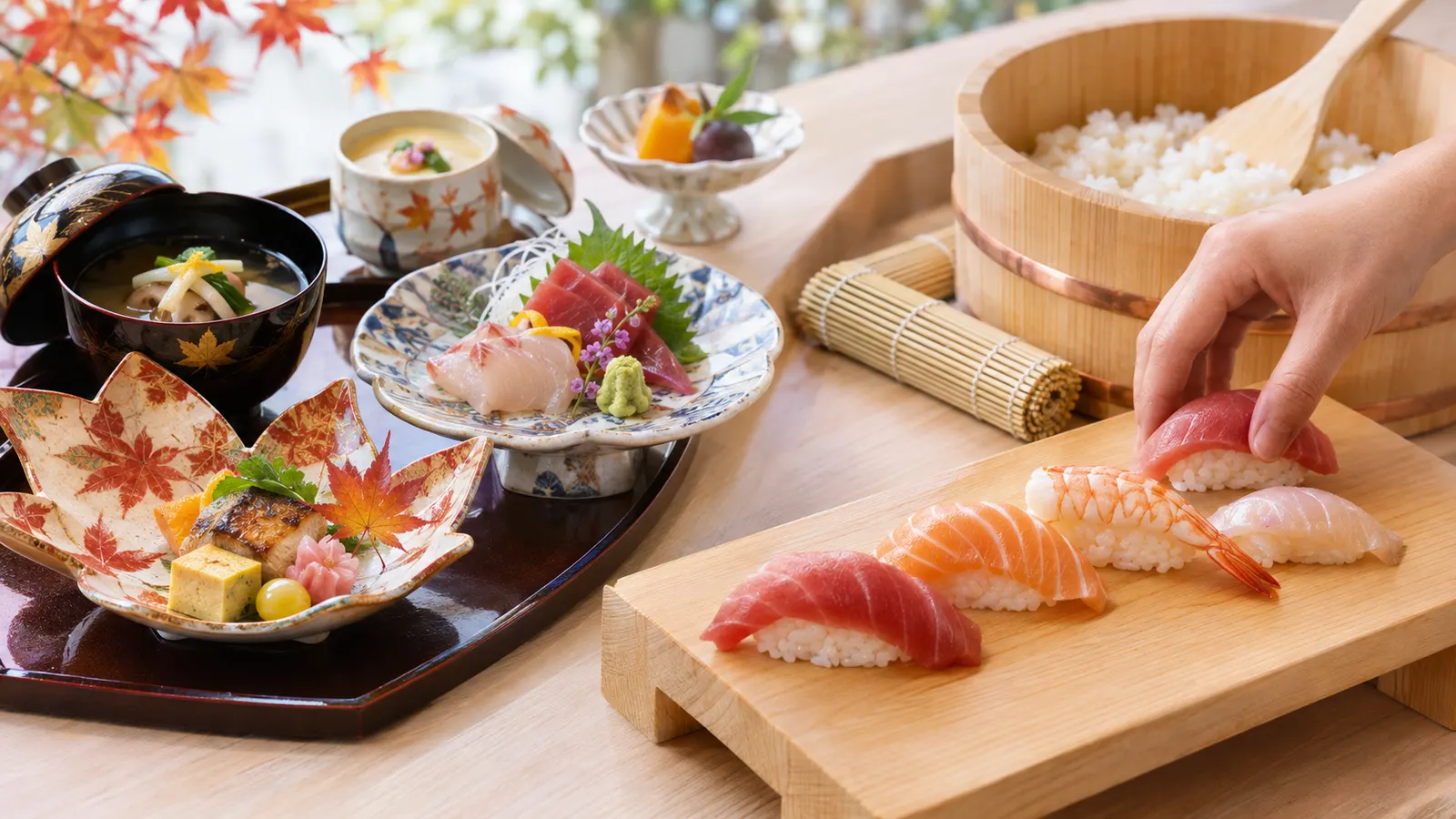
Kaiseki Dinner or Sushi Class in Tokyo?
Many travellers arrive in Tokyo with two food experiences on their list: a kaiseki dinner, Japan's formal seasonal course meal, and something hands-on, such as a sushi class. Both are about Japanese cuisine, both take a few hours of your trip, and both can be the meal you remember most. They are very different experiences, though, and on a short trip you may only have room for one.
This guide explains what kaiseki actually is, how it compares with a sushi-making class, and which one suits which kind of traveller.
Popular in Tokyo right now — our most recommended experience
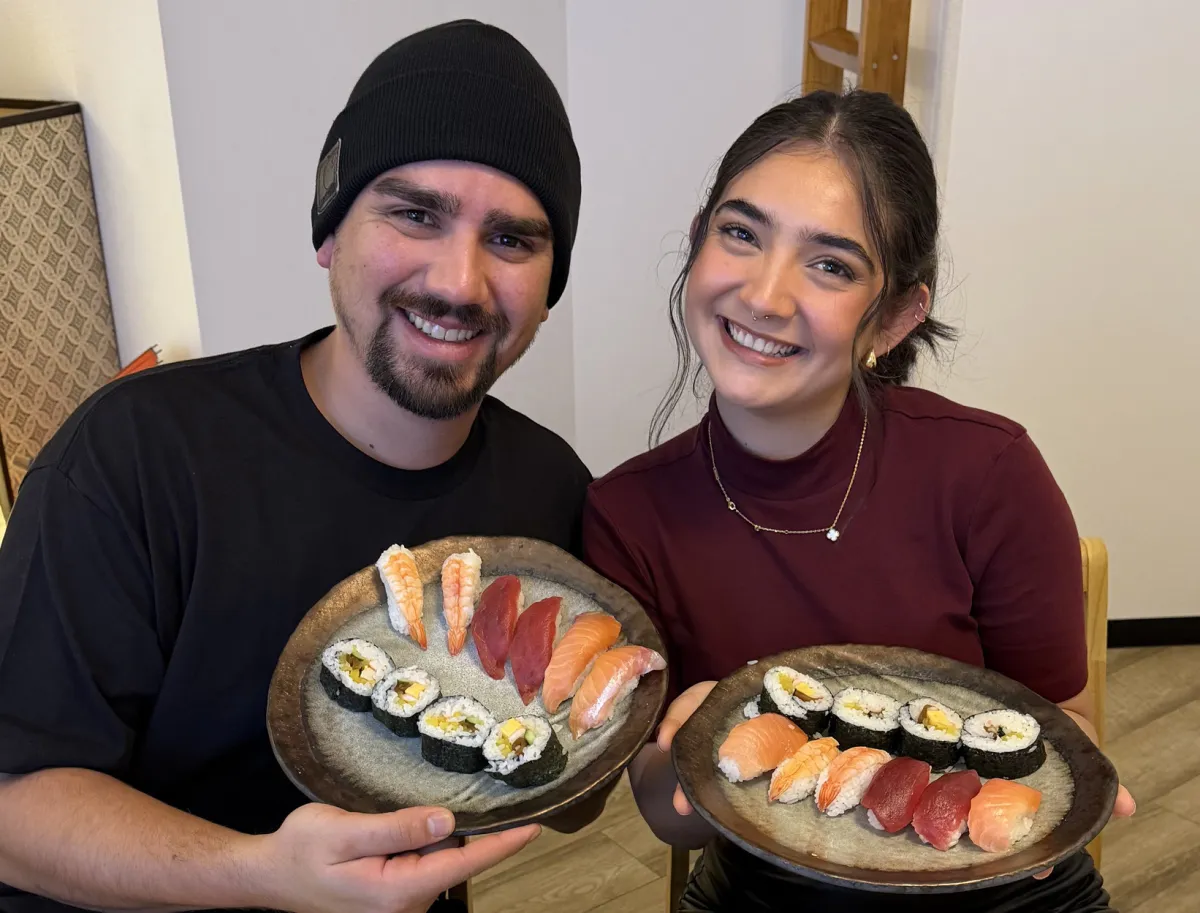
Tokyo Sushi Making Class : Sake Ceremony & Matcha Experience in Asakusa
What kaiseki is
There are two Japanese words pronounced kaiseki, and it helps to know both.
- 懐石 (cha-kaiseki) is the meal served at a formal tea gathering. It grew out of the tea ceremony in the 16th century and is meant to prepare guests for the tea that follows. It is modest by design: rice and soup come first, followed by a small number of dishes.
- 会席 (kaiseki) is the banquet-style course meal served at restaurants, ryotei and ryokan inns. It is built around enjoying sake, so it is more elaborate, and rice and miso soup usually arrive near the end, after the drinking dishes.
When a Tokyo restaurant or a ryokan advertises a "kaiseki dinner" to visitors, it is almost always the second style. A typical sequence moves through a small appetiser, a clear soup, sashimi, a grilled dish, a simmered dish, then rice with pickles and miso soup, and finally fruit or a sweet. The number of courses varies a great deal between restaurants.
What makes kaiseki special is not any one dish but the whole meal: ingredients chosen for the season, small portions arranged on carefully matched tableware, and a pace set by the kitchen. It is a meal you watch unfold. The idea behind it is the same seasonal thinking we describe in our guide to shun, eating at the perfect moment.
What a sushi class is
A sushi class turns the meal around: instead of being served, you make it. In our signature sushi and matcha class in Asakusa, an English-speaking instructor shows you how to shape nigiri with the kotegaeshi hand technique and roll a futomaki with a bamboo mat. You toast with sake from a barrel opened in the traditional kagami-biraki style, eat what you made, and finish by whisking your own matcha. The class lasts 90 minutes and costs ¥12,000 per person.
The nigiri toppings are lean tuna (akami), medium-fatty tuna (chutoro), salmon and shrimp, and the futomaki is filled with tuna, cucumber, tamagoyaki and takuan. It is a full meal, but a casual one: you sit with other guests, ask questions and laugh at your first uneven pieces.
The main differences
| Kaiseki dinner | Sushi class | |
|---|---|---|
| Your role | Guest, served course by course | Cook, then guest |
| Food | Many small seasonal dishes, chosen by the kitchen | Sushi you make yourself, plus matcha |
| Time | Often two hours or more at the table | 90 minutes |
| Atmosphere | Quiet, formal, paced by the kitchen | Relaxed, social, hands-on |
| Language | Depends on the restaurant | Taught in English |
| What you take home | A memory of the meal | A memory, a skill and the recipe |
Neither is "more authentic". Kaiseki shows you Japanese cuisine at its most refined. A sushi class shows you what it takes to make one of its best-known dishes, which can make your next sushi restaurant meal more interesting.
Diet, children and practicalities
The practical questions often decide the choice more than the food itself.
Vegan and vegetarian travellers. Kaiseki cooking often relies on dashi, which is usually made with bonito flakes, and many restaurants cannot change a fixed course. Some can prepare a vegetarian version with notice, so ask well before your visit. If you want a plant-based meal, our vegan sushi workshop offers a 100% plant-based menu in the same 90-minute format. Choose the vegan menu when you book; the exact ingredients vary by season and availability. Our comparison of shojin ryori and a vegan sushi class covers the Buddhist temple-food alternative.
Children. A long, quiet kaiseki meal can be hard for young children, and some restaurants set their own age policies. A sushi class gives children something to do with their hands. Families with small children can also book our family private sushi class, where the studio is reserved for one family.
Raw fish. Kaiseki usually includes a sashimi course, and so does sushi. If someone in your group does not eat raw fish, tell either venue in advance.
Etiquette. Kaiseki comes with more table manners to think about, especially at a traditional ryotei. Our guide to tea ceremony etiquette for guests is a useful primer, because kaiseki manners come from the same tradition.
Budget. Kaiseki prices vary enormously between restaurants and between lunch and dinner, so compare the exact course you would book. Lunch kaiseki is often the more affordable way to try it.
Which one should you choose?
Choose kaiseki if you want to be looked after, enjoy long dinners, are curious about seasonal Japanese ingredients beyond sushi, or are celebrating with someone who would rather not cook. A kaiseki dinner at a ryokan is also a natural part of a night at a hot-spring town.
Choose a sushi class if you learn best by doing, want an activity that is also a meal, are travelling with children or a mixed group, or want something you can repeat at home. It also fits into a busy sightseeing day more easily, because it takes 90 minutes and Asakusa is a sightseeing area in its own right.
Choose the premium option if you want both a hands-on experience and kaiseki-level ingredients. Our private premium omakase reserves the studio for your group and works with ingredients such as otoro, uni, seasonal fish and A5 wagyu, with a tasting of three sakes and matcha with wagashi. It is priced at ¥200,000 per group. Our comparison of a premium omakase and a sushi-making class explains the difference in detail.
Doing both in one trip
You do not have to choose if you have a few days. Because both are full meals, it is easier to put them on different days. If you want them on the same day, take a morning class and book kaiseki for dinner, leaving several hours in between. Our guide to planning meals around a sushi class explains how much you will eat at the class and how to time the rest of the day.
FAQ
Is kaiseki the same as omakase? No. Omakase means leaving the choice to the chef, and in Tokyo it usually refers to a sushi counter meal. Kaiseki is a structured sequence of many kinds of dishes, of which sashimi is only one.
Do I need to speak Japanese for kaiseki? Not always, but explanations of each course may be limited. Some restaurants offer English menus; check when you book. Our sushi class is taught in English.
Plan your Tokyo food day
If you have room for one hands-on food experience, make it the one you will remember using. Check live dates and book the signature sushi and matcha class, and save kaiseki for an evening when you would rather be served.
Related Articles
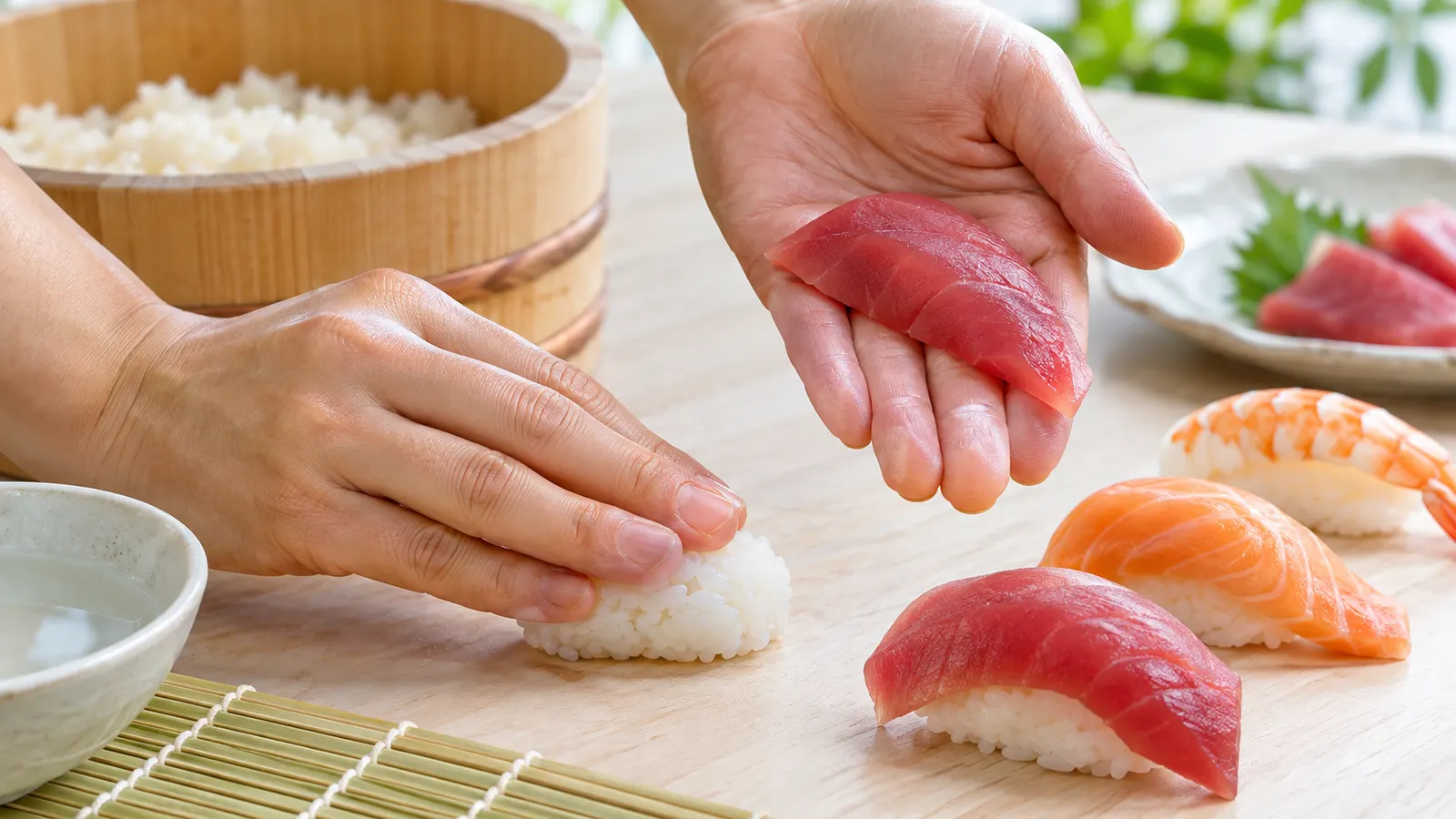
Left-Handed at a Sushi Class in Tokyo?
Sushi and matcha are usually taught right-handed. What changes for left-handed guests when shaping nigiri, rolling maki and whisking tea, and what to tell us.
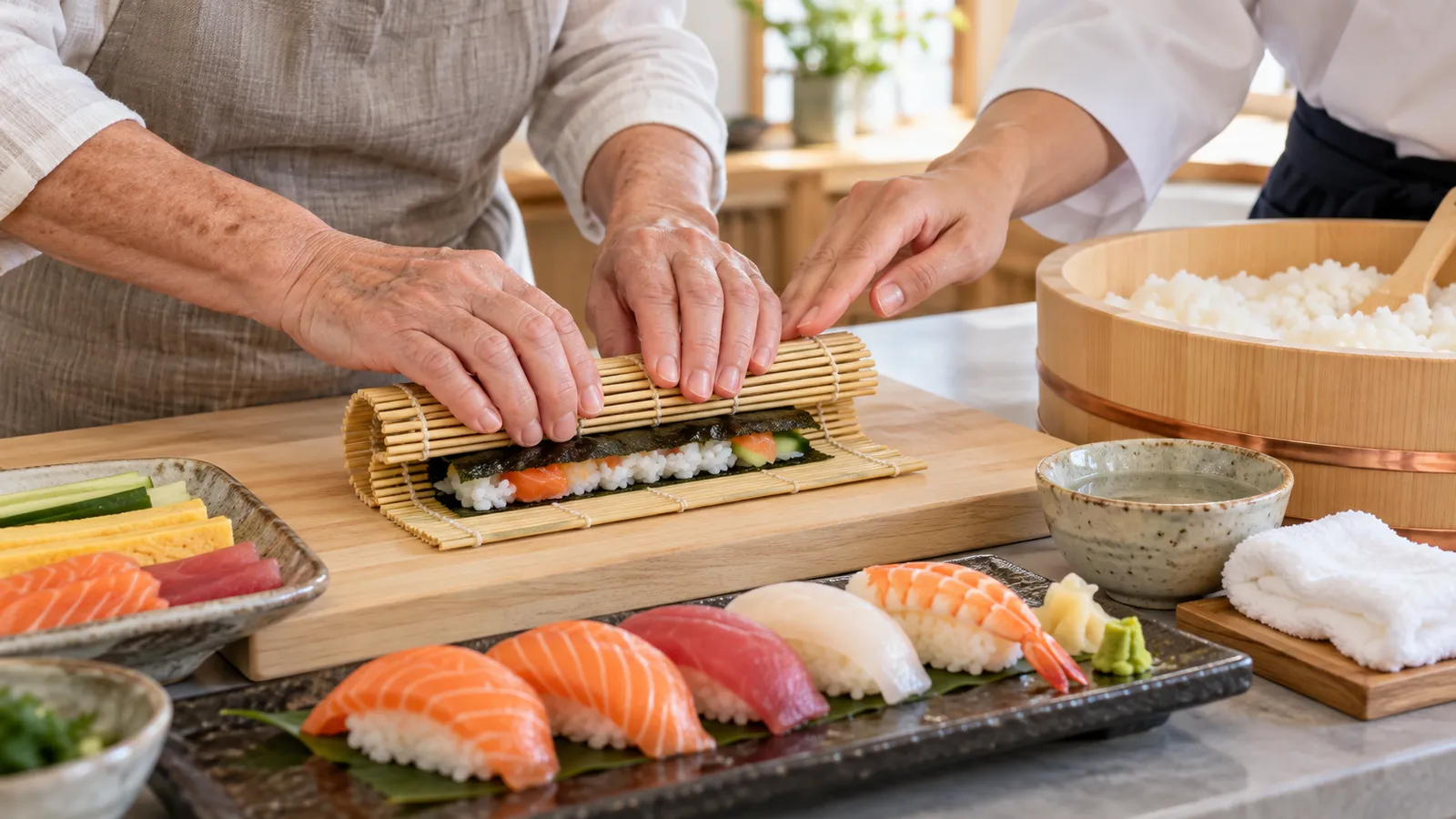
Sushi Class With Weak or Sore Hands
Arthritis, a weak grip, a recent hand injury or a tremor? What each step of a Tokyo sushi class asks of your hands, and what to tell us before you book.
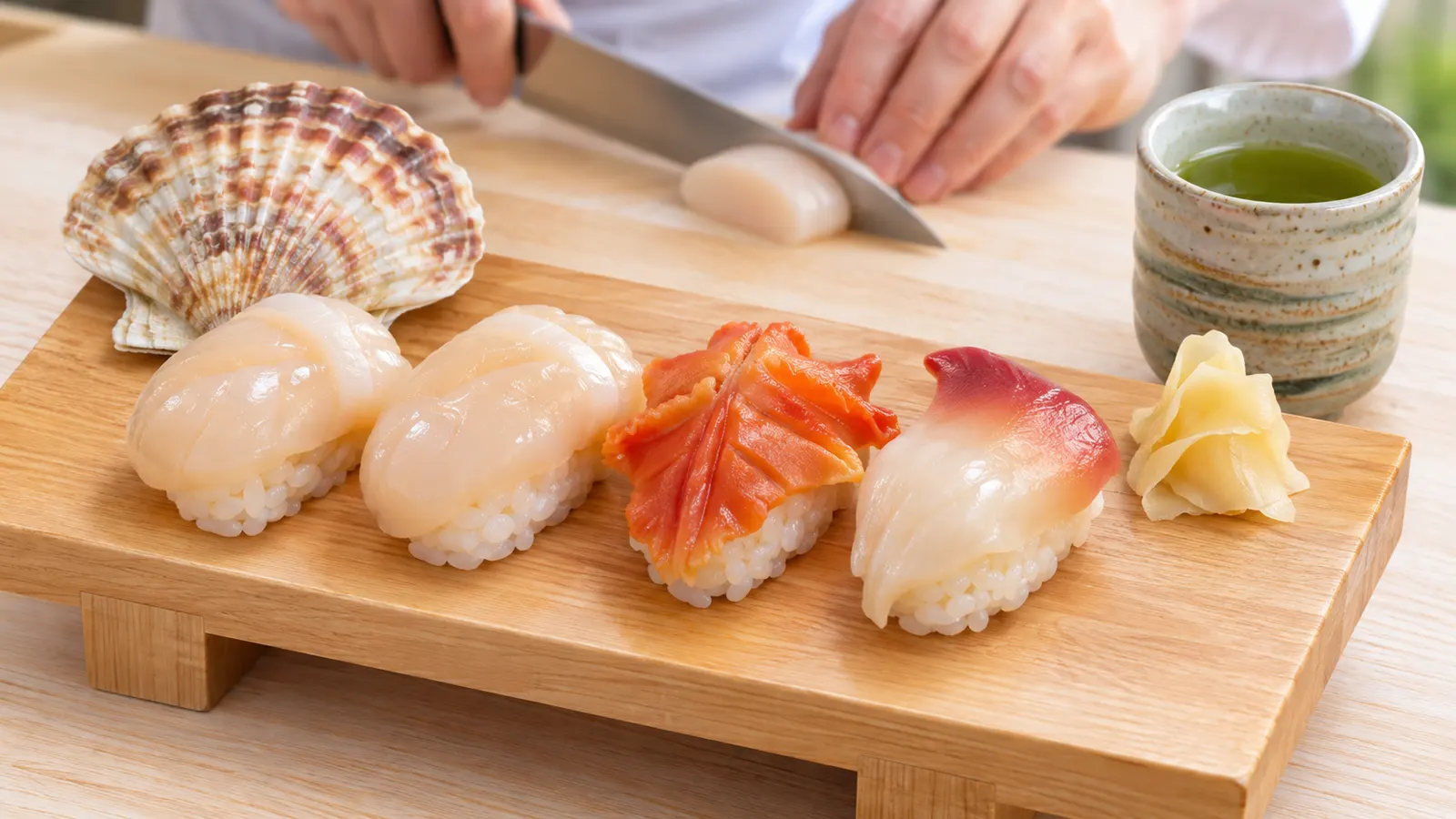
Hotate, Akagai, Hokkigai: Shellfish Sushi
Scallop, ark shell and surf clam are the shellfish you meet most at sushi counters in Japan. How they differ, when they are best and what to say on allergies.