Shojin Ryori or a Vegan Sushi Class?
If you eat a vegetarian or vegan diet, two Japanese food experiences tend to come up when you plan a trip to Tokyo. One is shojin ryori, the plant-based cuisine that developed in Buddhist temples. The other is making plant-based sushi yourself in a cooking class. They are often mentioned in the same breath, but they answer different questions: one is a meal you are served, the other is a skill you practise with your own hands.
This guide compares the two honestly, so you can decide which suits your diet, your time and the people you are travelling with. Many visitors end up doing both on different days.
Popular in Tokyo right now — our most recommended experience
Tokyo Sushi Making Class : Sake Ceremony & Matcha Experience in Asakusa
What shojin ryori is
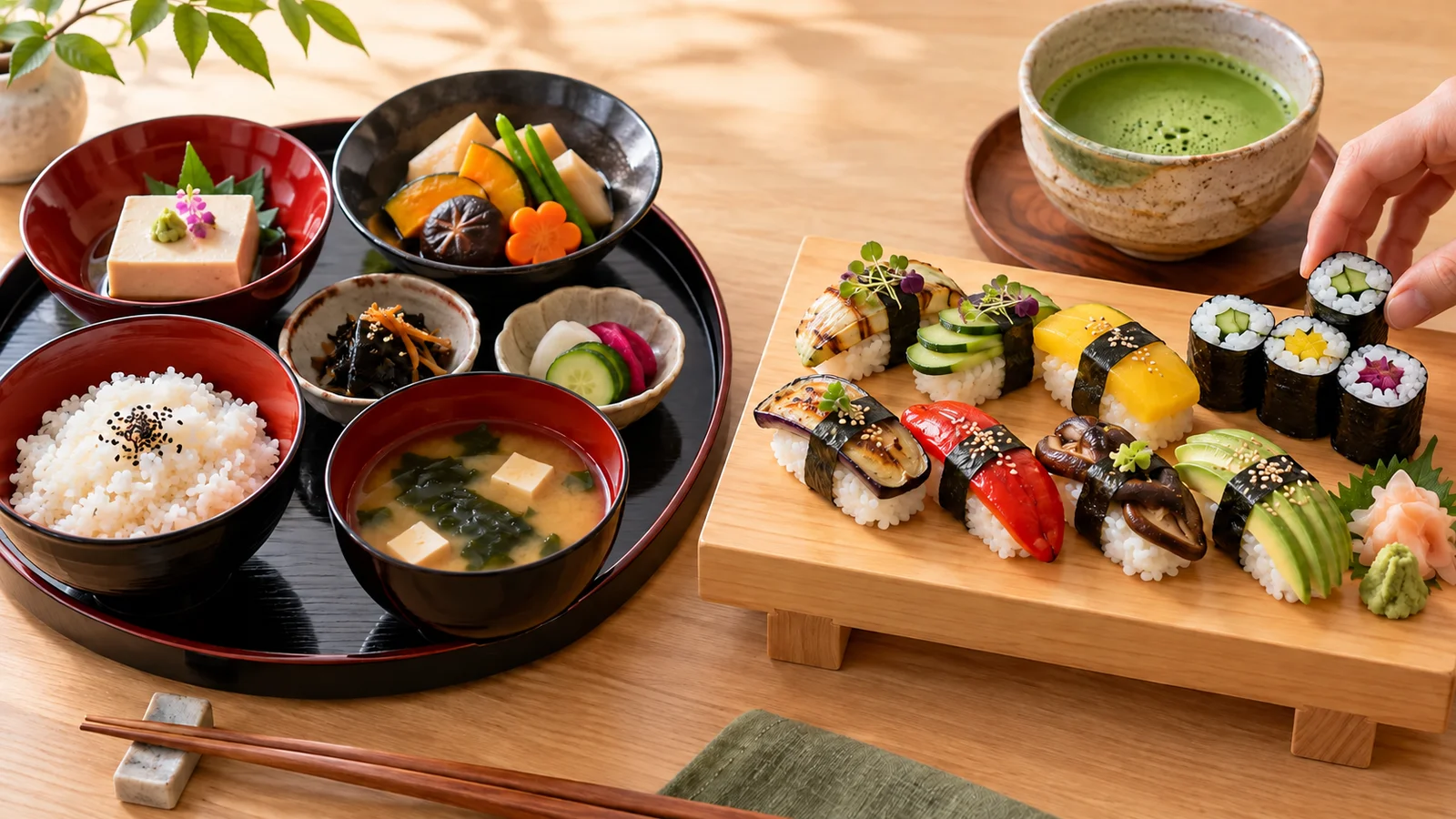
Shojin ryori is the traditional food of Buddhist monastic practice in Japan. A typical meal is served in courses: rice, soup and several small dishes built around seasonal vegetables, tofu and other soy foods, presented with close attention to colour, texture and balance.
The traditional rules go further than "no meat". Meat and seafood are excluded, and so is alcohol. Strong-smelling vegetables such as garlic and leeks, known as gokun, are traditionally left out too. Soup stock is typically made from kombu kelp rather than the bonito flakes used in much everyday Japanese cooking.
There is an important caveat for vegans. Travel guides to shojin ryori note that these rules have relaxed over time, and that some establishments now use bonito broth. Traditional shojin ryori excludes eggs and dairy, but the advice is to confirm how a particular restaurant or temple prepares its meal before you go. The label alone is not a guarantee.
Shojin ryori is served at Buddhist temples and at specialised restaurants, and reservations are generally required, especially for temple meals and higher-end places. Prices and formats vary widely, so check each venue directly.
What a vegan sushi class is
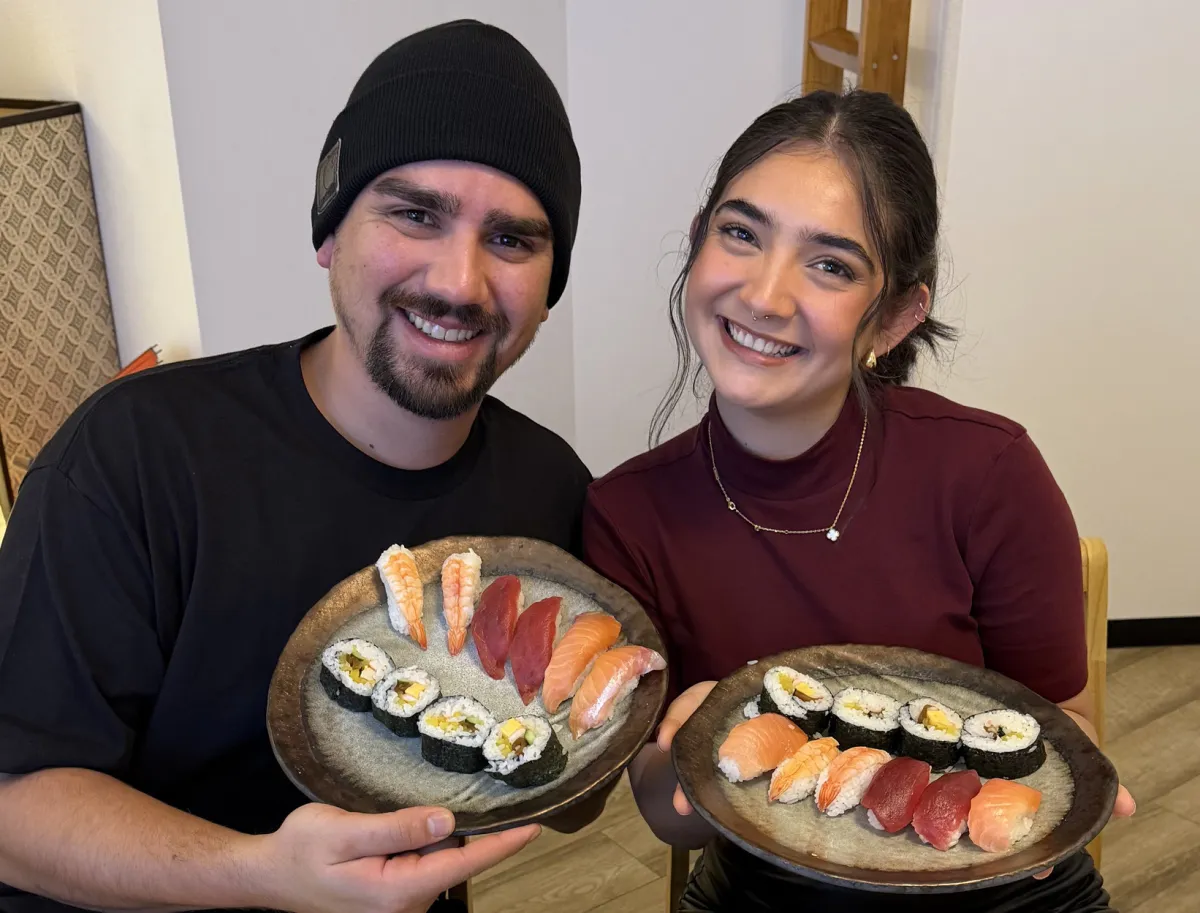
Our vegan sushi making class is the plant-based version of our signature class in Asakusa. In about 90 minutes you shape nigiri and roll maki using plant-based ingredients only, eat what you make, join the sake toast (a non-alcoholic option is available) and finish by whisking your own matcha, which is naturally plant-based. You also receive a vegan sushi recipe card. The exact ingredients vary with the season and availability.
It is a shared class. You book into the same session and join the same instructors as guests taking the regular menu, so you may be seated at a table where others are making sushi with fish. Only your ingredients change. Our guide on what to check before a vegan sushi class explains this setting and how to state your menu choice when booking.
The key differences
You eat, or you make. Shojin ryori is a meal prepared for you, often in a quiet setting that encourages slow, attentive eating. A sushi class is active: you learn to handle sushi rice, shape nigiri and roll maki, and the food you eat is the food you made.
The rules behind the food. Shojin ryori follows a religious tradition with its own exclusions, including pungent vegetables and alcohol. Our vegan menu is defined by plant-based ingredients, not by Buddhist rules. If you avoid garlic, onion or leeks for religious or personal reasons, or if you follow a Jain diet, ask us about the ingredients for your date before booking rather than assuming the vegan label covers it.
Alcohol. A traditional shojin meal excludes alcohol. Our class includes a sake toast, but you can choose a non-alcoholic option, and water or green tea is available. Not drinking does not affect your place in the class.
The setting. A temple meal may offer a calm, contemplative atmosphere. Our class is a sociable, English-guided session with other travellers, in a studio a short walk from Senso-ji.
Planning. Shojin venues set their own reservation rules, which you need to check one by one. Our class runs on a fixed schedule: choose a session on the class page, and you can cancel free of charge up to 24 hours before it starts.
Which suits you
Choose shojin ryori if you want to understand a centuries-old Japanese food culture through a refined meal, you prefer to be served, or you follow rules that a vegan menu does not address, such as avoiding gokun. Ask the venue directly about dashi, eggs and dairy.
Choose a vegan sushi class if you want something hands-on, you would like to learn a technique you can repeat at home, or you are travelling with people who eat fish. That last point matters: in a shared class, companions can take the regular menu while you take the vegan one. Our guide to mixed-diet groups explains how to book a party like that.
If one of you has a food allergy, neither label answers that on its own. Our guide on booking a sushi class with food allergies lists the questions to ask about ingredients and shared equipment.
Doing both in one trip
The two experiences sit well on separate days. A shojin meal is usually a long, unhurried lunch or dinner, and the sushi class is a full meal too, so we would not schedule both on the same day.
If you are only in Tokyo briefly, the class is easier to fit around sightseeing in Asakusa. Arrive 10 minutes before the start, and plan lighter meals on either side.
Before you book
Write down exactly what you avoid: meat, fish, eggs, dairy, honey, alcohol, garlic or onion. That list will tell you which experience fits, and what to ask.
For the vegan sushi class, select the vegan menu during booking and tell us about any further requirements. Then check live sessions and the current price on the vegan sushi class page. For a shojin meal, contact the temple or restaurant you have chosen and confirm the stock, ingredients and reservation rules for your date.
Related Articles

Vegan Sushi Class: What to Check
Planning a vegan sushi class in Tokyo? Check the plant-based menu, shared setting, dietary requests and the right booking option in Asakusa.
Ikebukuro and a Sushi Class in Asakusa
Staying in Ikebukuro? How to reach a sushi class in Asakusa, how long it takes, and two ways to fit Sunshine City, Myonichikan and Zoshigaya into one day.
Shinjuku Gyoen & a Sushi Class in Asakusa
Plan a day with Shinjuku Gyoen's autumn maples and a sushi class in Asakusa: opening hours, the train between them and three timings that work.