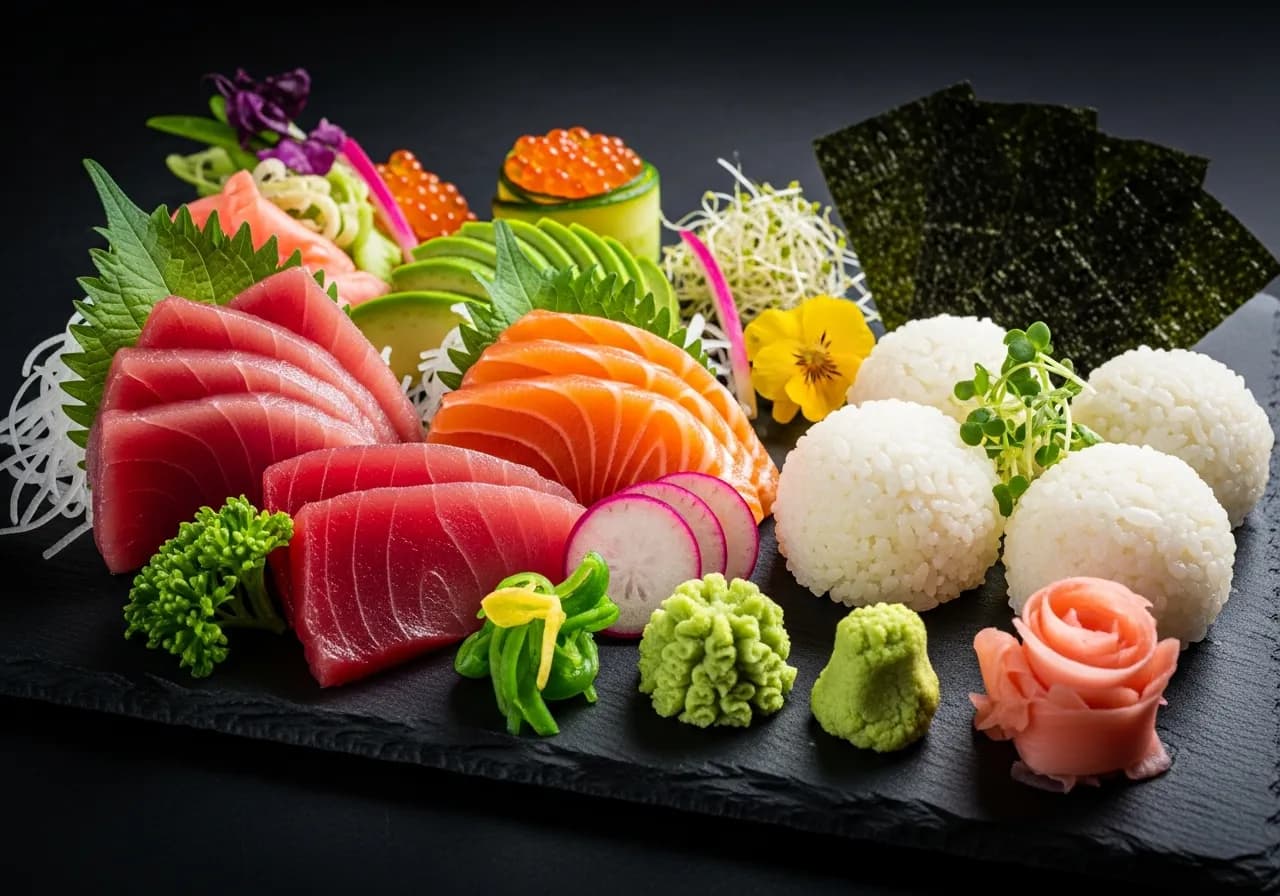
Sushi Class with Food Allergies: What to Ask
A hands-on sushi class involves many ingredients, shared tools and people working close together. If you or someone in your group has a food allergy, the useful question is not simply "Is this class allergy-friendly?" It is "Can the team tell me, for this date, how the ingredients and preparation relate to my specific allergy?"
This guide explains how to ask that question clearly before booking our sushi making class with sake and matcha in Asakusa. It does not replace medical advice, and nothing here is a promise that a particular allergy can be accommodated. Every dietary request requires individual confirmation, and we cannot guarantee an allergen-free kitchen. Only a direct reply from the team about your situation can tell you that.
Popular in Tokyo right now — our most recommended experience
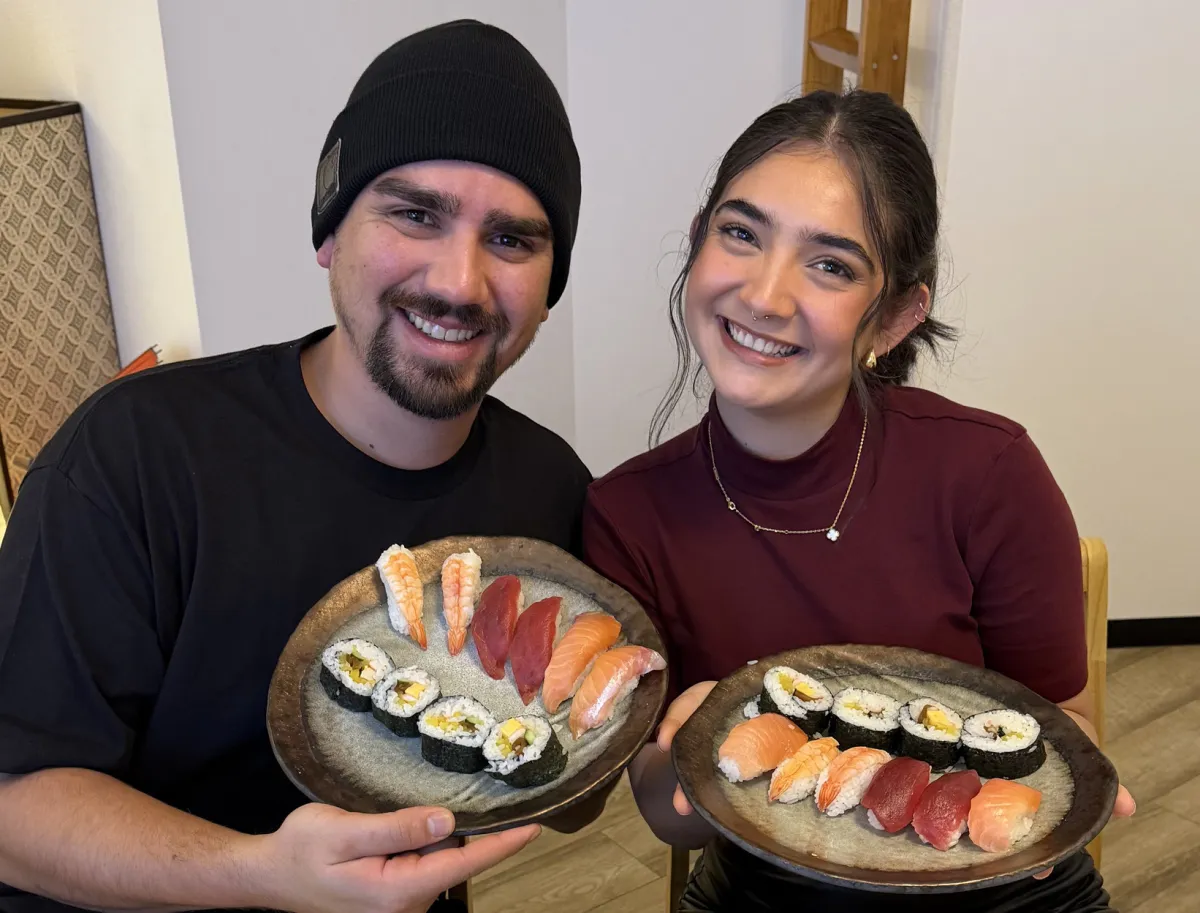
Tokyo Sushi Making Class : Sake Ceremony & Matcha Experience in Asakusa
Allergy, preference or vegan: say which one you mean
These three words are often used as if they meant the same thing. For a cooking class, they do not.
- A food allergy is a medical reaction to a specific substance. It can require information about ingredients, sauces, seasonings, tools and surfaces, not just about what ends up on your plate.
- A dietary preference is a choice, such as avoiding raw fish or a particular flavour. It usually concerns what you eat rather than what is nearby.
- A vegan diet means choosing plant-based food. It is a menu choice. It does not tell anyone whether a particular allergen is present in the room or on shared equipment.
If you write "vegetarian" or "no fish" when you actually mean a shellfish or sesame allergy, the team may answer a different question from the one that matters to you. If you are mainly looking for a plant-based menu, read our separate guide on what to check before a vegan sushi class.
Why a general label is not enough
A class description tells you what the experience includes: 90 minutes of hands-on nigiri and maki making, a sake toast and whisking your own matcha, with ingredients and tools provided. It cannot tell you how each ingredient on your date relates to your allergy.
Sushi making touches several ingredients that are easy to overlook, such as seasoning in the rice, sauces and condiments, fillings for rolls and anything used alongside drinks. Tools and work surfaces may also be handled by several people during a session.
For that reason, do not assume that any ingredient, surface or tool is kept separate unless the team has confirmed it for your booking. Equally, do not assume the class is unsuitable without asking. Ask precisely and let the answer guide your decision.
Contact the team before you book
The best time to ask is before you pay. Contact the team with:
- The date you are considering and the number of participants
- Which participant has the allergy, and their age if they are a child
- Each allergen by name, such as sesame, shellfish, egg, wheat or soy
- Whether the concern is eating the ingredient, touching it or being near its preparation
Then ask specific questions, for example:
- Are any of these allergens used in the ingredients for this class?
- Are they present in the rice seasoning, sauces or condiments?
- Are tools and work surfaces shared between participants?
- If a substitute is possible, what is it, and is it prepared with the same tools?
- Is there anything in the sake toast or matcha I should know about?
- If you cannot accommodate this, can you tell me so I can decide not to book?
Clear questions get clearer answers. A message that simply says "allergies" leaves the team guessing about what you need.
Use the booking form as well
When you book online, the "Dietary requests" section includes a "Food allergies" option. Once you select a dietary request, the "Special Requests" field becomes required, and you are asked to describe the dietary needs, allergies and number of guests affected. Use it to record the same information you sent to the team: who has the allergy and exactly which allergens.
Treat the option and your note as a record attached to your reservation, not as confirmation. Selecting it or writing a request there does not mean it has been read, accepted or arranged. If your allergy matters to your safety, contact the team first rather than relying on the booking form alone.
Wait for confirmation before relying on it
Do not treat an unanswered message, an automatic receipt or a general statement on a web page as a yes. Wait for a reply that addresses your specific allergy and your date.
Keep that reply with your booking details. If anything about your party changes later, such as a new participant or a different date, send an update and ask again. An answer given for one session may not apply to another.
This matters especially if you are thinking about booking at the last minute. A same-day booking may leave no time for a proper answer. Our guide to booking a sushi class in advance or on the same day explains why allowing time can help when you have questions to resolve.
If the answer is no, or still unclear
Sometimes the honest answer will be that a particular allergy cannot be managed in a hands-on group setting. That is useful information. It lets you make a safe decision before paying rather than discovering a problem on arrival.
If the reply is unclear, ask a follow-up question. If you still cannot get the certainty you need, it is reasonable not to book. Your health matters more than any activity.
A short message you can adapt
"We are considering the sushi and matcha class on [date] for [number] people. One adult has a severe sesame allergy, including contact. Could you tell us whether sesame is used in the ingredients, sauces or seasonings for this session, and whether tools and surfaces are shared? We will wait for your reply before booking."
Adjust it to your own situation and allergens. Once you have a clear answer that works for your group, you can check available dates and book the sushi making and matcha class in Asakusa, selecting "Food allergies" and adding the same details in the "Special Requests" field.
Related Articles

Sushi Class or Food Tour in Tokyo?
Choosing between a sushi class and a food tour in Tokyo? Compare what you want to do, how the time is used and who you travel with before booking.
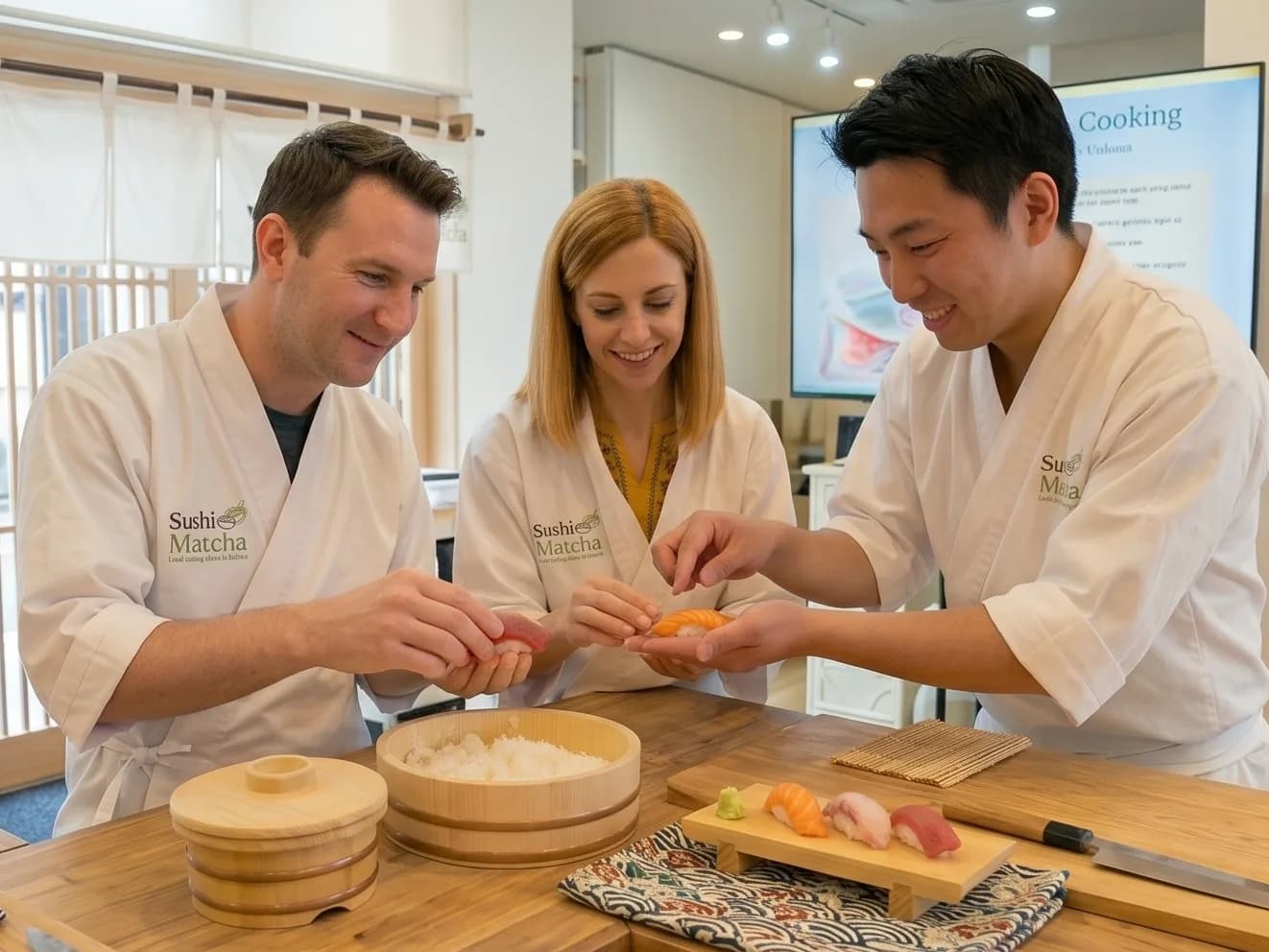
What Do You Make in a Sushi & Matcha Class?
What happens in our 90-minute Asakusa class: a sake toast, hand-shaped nigiri and rolled maki, eating what you made, then whisking your own matcha.
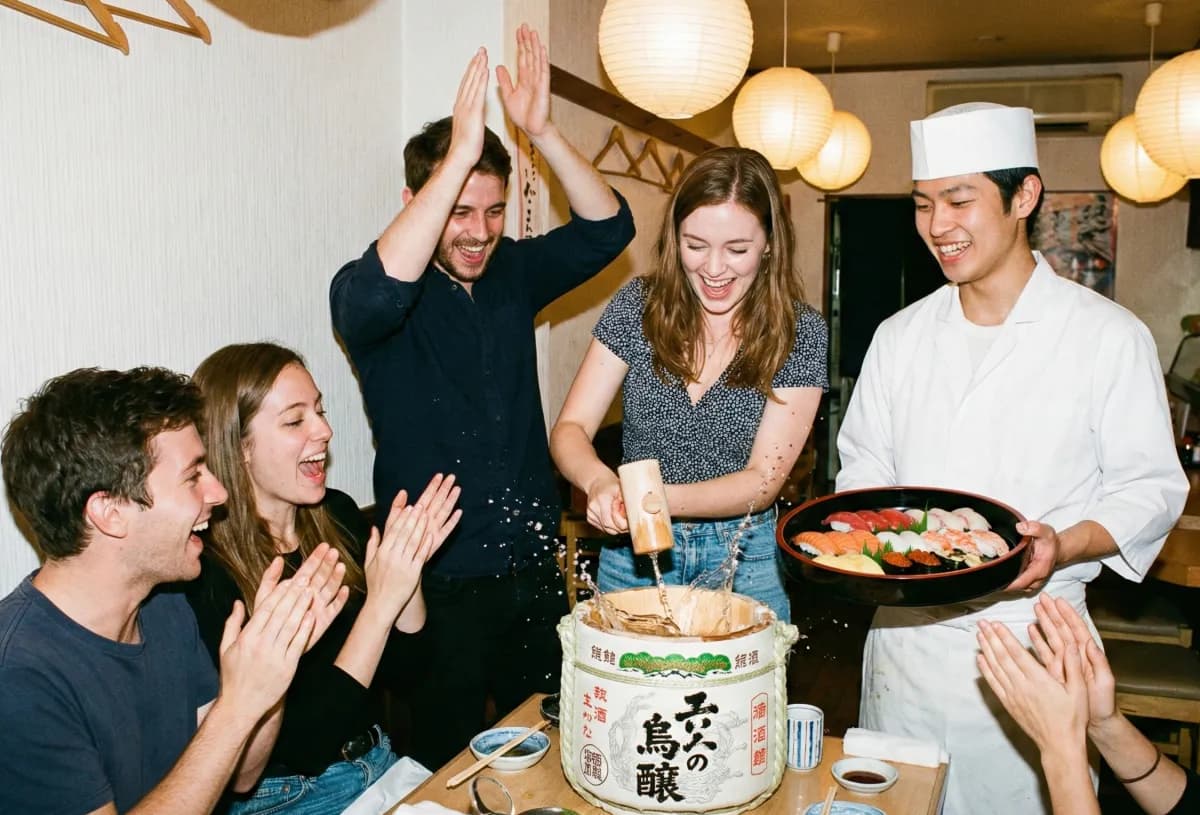
Sushi Class or Sushi Restaurant in Tokyo?
Take a sushi class or eat at a sushi restaurant in Tokyo? Compare making versus eating, fixed times versus flexibility, and how to do both in one day.