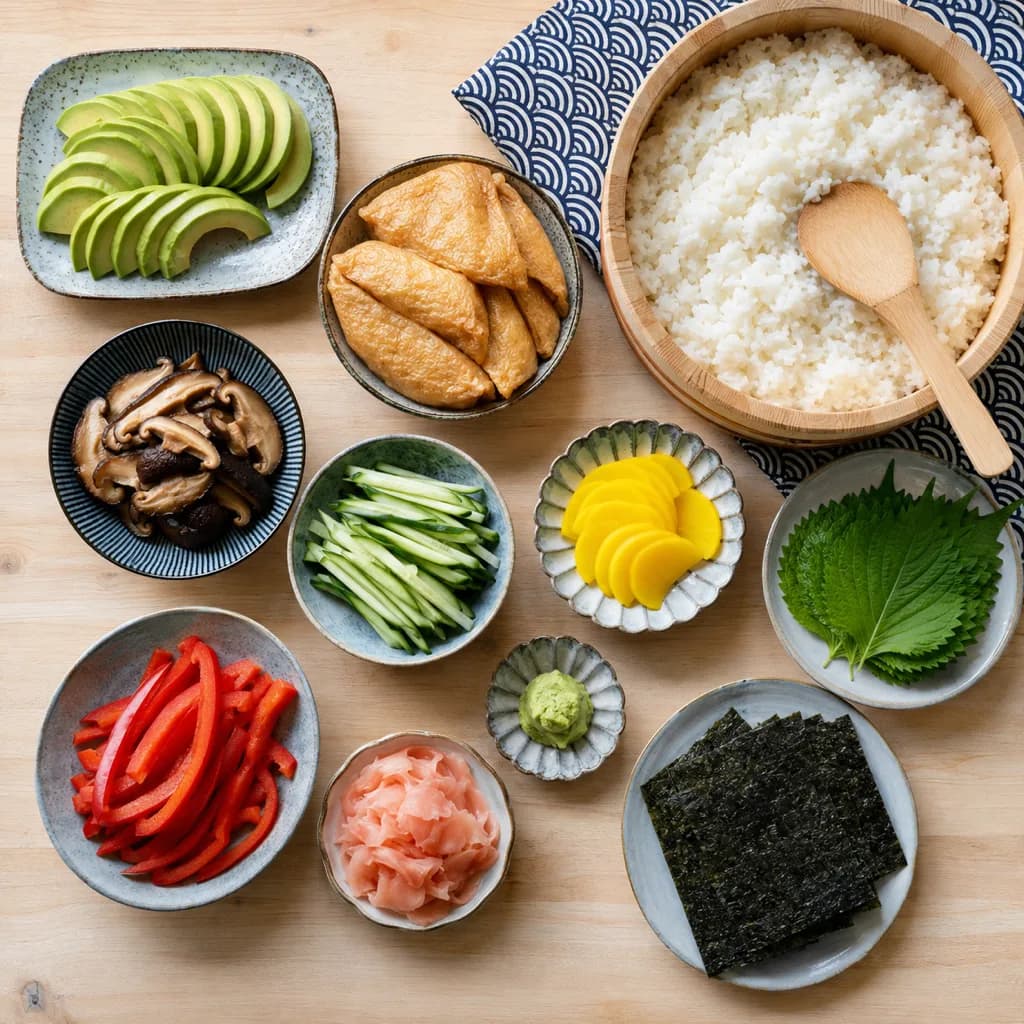
Halal Sushi Class in Tokyo: What to Confirm
Finding a “halal sushi class” in Tokyo can mean several different things. One traveller may only need a meal without pork or alcohol. Another may require halal-certified ingredients, separate utensils and a preparation area with no cross-contact. Those are different requests, so a general halal label is not enough to make a booking decision.
Sushi Matcha accepts dietary requests, including halal requests, for its 90-minute sushi and matcha class in Asakusa. Each request needs individual confirmation. The studio is not halal-certified and cannot guarantee an allergen-free kitchen. This guide explains what to ask before paying, what to record at checkout and when to wait for a direct answer.
Popular in Tokyo right now — our most recommended experience
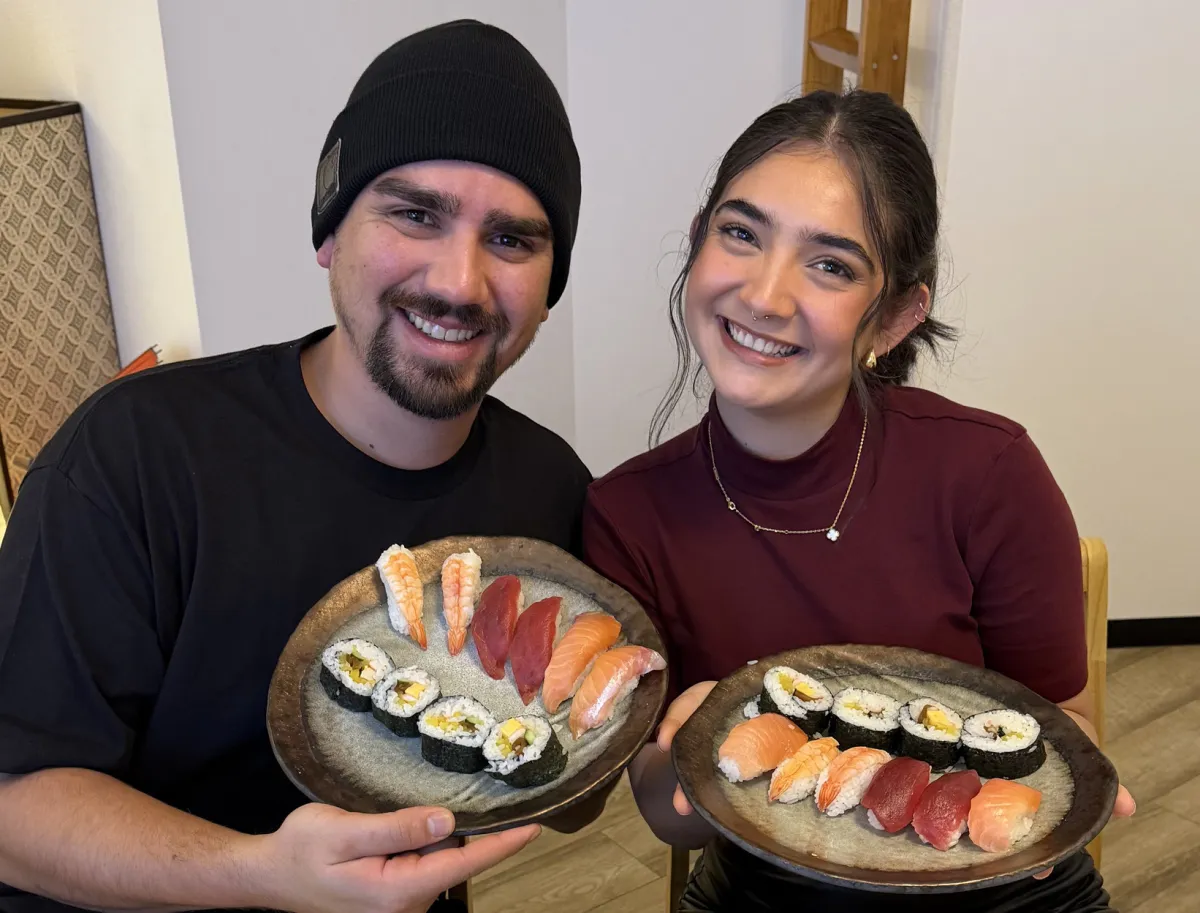
Tokyo Sushi Making Class : Sake Ceremony & Matcha Experience in Asakusa
Start with your own requirements
Before contacting any cooking class, decide what “halal” needs to mean for you and your group. Write down whether you need certified meat or seasonings, whether alcohol may be present in sauces, whether you can use shared tools, and whether another participant may prepare non-halal ingredients nearby.
Do not assume every member of a group follows the same standard. A useful message identifies how many guests are affected and lists the conditions that matter. If a requirement concerns a medical allergy as well as halal practice, name the allergen separately. Our food allergy guide for sushi classes explains the extra questions to ask about surfaces, tools and ingredients.
Certification and accommodation are different
A venue may be able to change some ingredients without being halal-certified. Conversely, a menu description may avoid pork while leaving questions about seasonings, alcohol or shared preparation unanswered. Ask two separate questions: “Is the venue or menu halal-certified?” and “Which parts of my request can you accommodate for this session?”
For Sushi Matcha, the published checkout policy is clear: halal requests require individual confirmation, and the venue is not halal-certified. That information helps you decide whether the class can meet your standard. It should not be rewritten as a guarantee that every halal request is possible.
Ask about the whole class, not only the fish
Raw fish itself is only one part of sushi. Rice seasoning, soy sauce, other condiments and roll fillings can matter. The signature session also includes a sake toast and matcha. Water or Japanese green tea is available for guests who do not drink alcohol, but choosing a non-alcoholic drink does not answer questions about every ingredient used elsewhere.
Ask whether alcohol is used in any seasoning or sauce for your date, which substitutes are proposed, and whether tools or work surfaces are shared. If your concern is specifically taking part in the toast without drinking, our guide to joining a sushi class without alcohol explains that part of the experience.
Send a precise message before booking
Contact the team before paying when your participation depends on the answer. Include the date, party size, number of guests affected and each requirement. A short, useful message could say:
We are considering the class on [date] for [number] guests. [Number] guests require halal food. We need [list your requirements, such as no alcohol in ingredients and no pork]. Do you use any relevant seasonings, and are utensils or work surfaces shared? We understand the studio is not halal-certified and will wait for confirmation before booking.
Avoid sending only “Is it halal?” That invites a broad answer to a question that may not match your practice. If the reply does not address one of your conditions, ask again before relying on it.
Record the request at checkout too
The booking flow has a dietary request option for halal requests and a field for details. Select the option and repeat the agreed requirements, including how many people are affected. This keeps the information attached to the reservation.
The form is a record, not an automatic approval. Selecting a checkbox does not mean that a request has been reviewed or accepted. Keep the team’s direct reply with your confirmation, and contact them again if the date, participant count or requirements change.
Compare other menu needs separately
Halal, vegan, vegetarian, no raw fish and food allergy are not interchangeable labels. A plant-based menu may solve one ingredient concern without meeting a certification or cross-contact requirement. Likewise, a halal request does not tell the team whether somebody has a soy, wheat, sesame or shellfish allergy.
If members of your group need plant-based food, read what to check for a vegan sushi class and state both needs. One clear list is easier to assess than several vague labels.
Decide from the answer you receive
A useful reply should tell you what can be changed, what remains shared and what cannot be guaranteed. If the studio cannot meet a condition that matters to you, that is valuable information before payment. If the answer remains unclear, do not treat silence, an automated receipt or a general web page as confirmation.
Once you have a reply that fits your requirements, check the currently offered dates on the signature sushi and matcha class page. Enter the same dietary details during booking so the request, the answer and the reservation stay aligned.
Related Articles
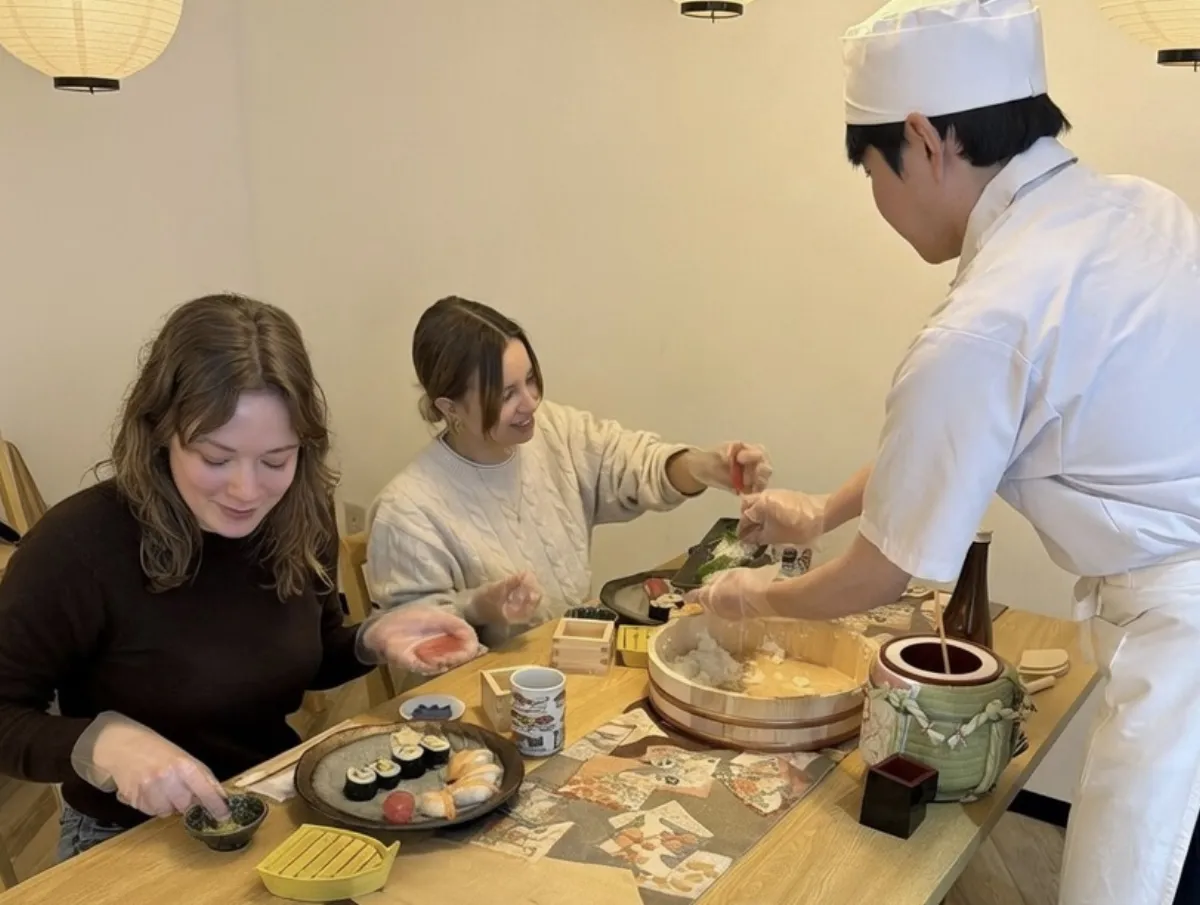
What to Wear to a Tokyo Sushi Class
What to wear and bring to a sushi making class in Asakusa, Tokyo: clothing that works, what is already provided, and what to tell us before you arrive.
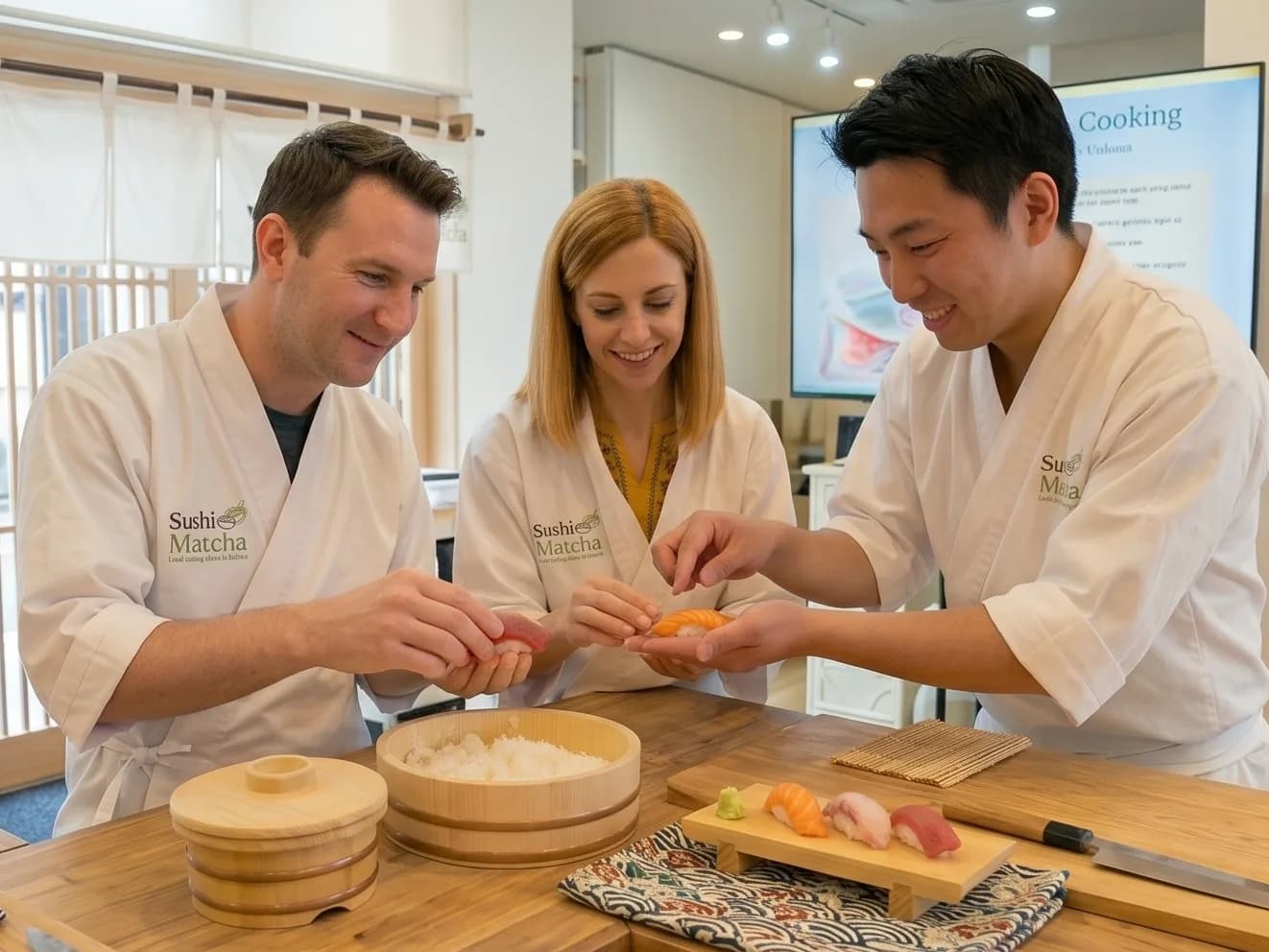
What Do You Make in a Sushi & Matcha Class?
What happens in our 90-minute Asakusa class: a sake toast, hand-shaped nigiri and rolled maki, eating what you made, then whisking your own matcha.

Vegan Sushi Class: What to Check
Planning a vegan sushi class in Tokyo? Check the plant-based menu, shared setting, dietary requests and the right booking option in Asakusa.