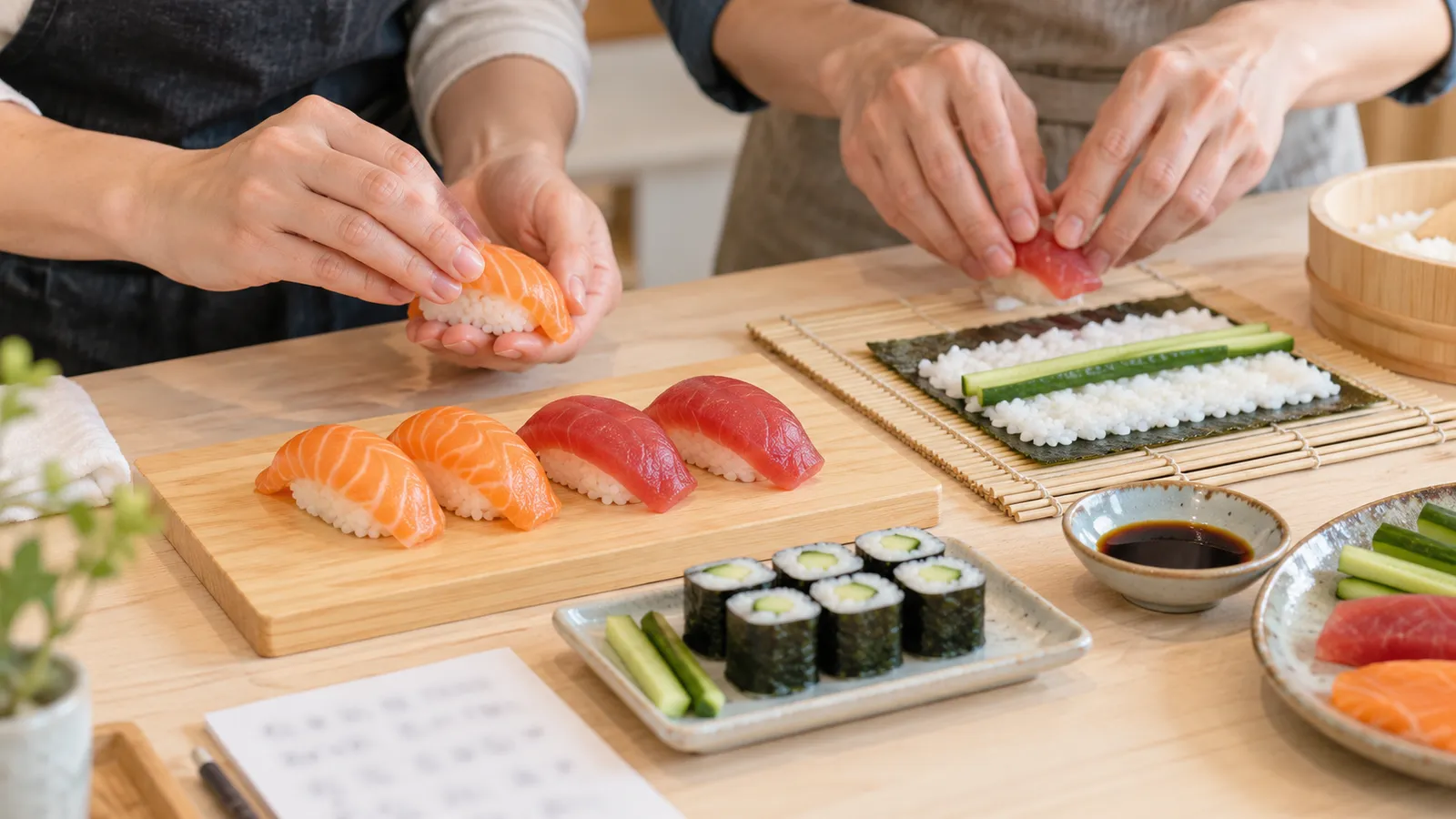
Keeping Kosher at a Tokyo Sushi Class
Sushi looks like an easy fit for many Jewish travellers who keep kosher. Fish, rice, vegetables and seaweed are at its heart, and there is no meat or dairy in a typical class. In practice, whether a sushi class works for you depends on how you keep kosher, and on details that are easy to miss: which toppings are used, what is in the seasonings, how the kitchen is run and what you will be asked to drink.
This guide explains what to check before booking a sushi class in Tokyo, and how to ask the right questions so that you can decide with confidence.
Popular in Tokyo right now — our most recommended experience
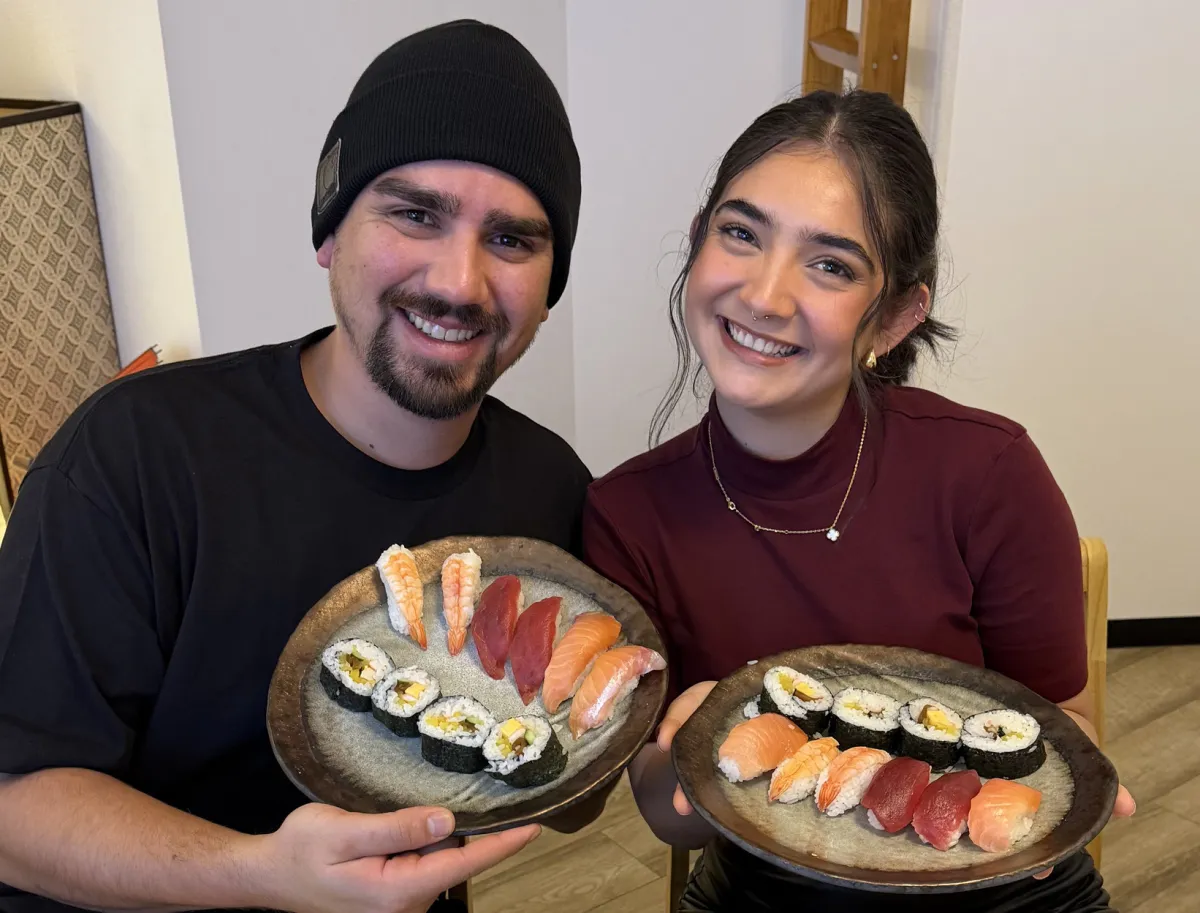
Tokyo Sushi Making Class : Sake Ceremony & Matcha Experience in Asakusa
Start with how you keep kosher
People who keep kosher make different choices when they travel, so be clear with yourself first.
- Strict kosher with supervision: you eat only food prepared under recognised rabbinical supervision, with certified ingredients and a kosher kitchen.
- Kosher-style: you avoid non-kosher species and do not mix meat and dairy, but you are comfortable eating permitted fish and vegetables in a kitchen that is not supervised.
- Somewhere in between: for example, you eat cold fish and vegetables outside the home but avoid cooked food or certain ingredients.
Your answer decides which questions matter. There is no single right answer, and only you can judge what fits your practice.
Be honest about certification
Our studio is not kosher-certified, and our classes are not run under rabbinical supervision. The same studio, kitchen and equipment are used for all of our menus.
If you keep strict kosher with supervision, that means our class is unlikely to meet your standard, and it is better to know this before you pay than on arrival. Chabad of Japan publishes information on kosher food in Tokyo, including supervised meals, on its website.
If you keep kosher-style, a sushi class can work well, provided the menu is checked in advance. The rest of this guide is mainly for you.
Ask about the toppings, not just "fish"
Under kosher rules, permitted fish must have both fins and scales. Many common sushi toppings fall outside that, so "it's fish" is not enough information. When you contact a class, ask specifically about:
- Shellfish and crustaceans, such as prawns, crab, scallops and other shellfish.
- Other seafood without fins and scales, such as octopus, squid and eel.
- Fish roe, and which fish it comes from.
- Processed ingredients, such as imitation crab sticks, which can contain mixed seafood.
We offer shellfish-free ingredients on request, so ask us which toppings are planned for your date. Ask us to replace anything you do not eat, and wait for a written confirmation. Our guide to sushi classes with food allergies shows the same approach for allergy requests, and it works just as well for religious ones.
Look at the seasonings and sauces
Sushi rice is seasoned with vinegar, sugar and salt, and dishes may be served with soy sauce or other sauces. Some Japanese seasonings and stocks use fish such as bonito, and few of these products carry kosher certification. If you only eat certified ingredients, ask which seasonings are used, or plan to eat only the items you are comfortable with. A plainer plate is often easier than a complete substitution.
The sake toast and drinks
Our signature class includes a traditional toast with sake, and sake is offered during the class. Some people who keep kosher are happy to drink sake; others only drink beverages with certification. You can simply skip the toast. Water or Japanese green tea is included, and nobody will press you to drink. Our guide to joining a sushi class without drinking alcohol explains how the toast works if you do not drink.
The class ends with matcha that you whisk yourself from powdered green tea and hot water.
Would the vegan class be simpler?
We also run a vegan sushi class with a fully plant-based menu, using vegetables and other plant ingredients instead of fish. For some kosher-style travellers this removes the questions about species altogether. It does not make the kitchen kosher, and seasonings still need to be checked, but it can be the simplest option for a mixed group. Our guide to what to check before a vegan sushi class explains how that menu works.
Shabbat and Jewish holidays
Our studio is open every day, so classes also take place on Saturdays and on Jewish holidays. If you observe Shabbat, choose a weekday session. Booking and payment are made online in advance, so there is nothing to pay on the day itself.
If your group mixes people who keep different standards, our guide on mixed-diet groups at a sushi class explains how to book one session for everyone.
Send a precise message before you book
A short, specific message gets the most useful answer. For example:
We are a group of three. Two of us keep kosher-style. We do not eat shellfish, octopus, squid, eel or other seafood without fins and scales, and we would like to know which toppings and seasonings you plan to use. We will skip the sake toast. Can you confirm which date and class would work?
Contact us before booking if you have questions, and add the same details to the booking form so the request stays with your reservation. Our guide to halal requests at a sushi class follows the same method for another religious diet, and it is a useful comparison if you travel with Muslim friends.
Decide from the answer you receive
Once we reply, you will know which toppings are planned, what can be replaced and what the setting is. If the answer fits your practice, choose your date and book the sushi and matcha class. If it does not, you have lost nothing. Cancellation and rescheduling are free up to 24 hours before the start, but it is still best to settle dietary questions before you pay.
Related Articles
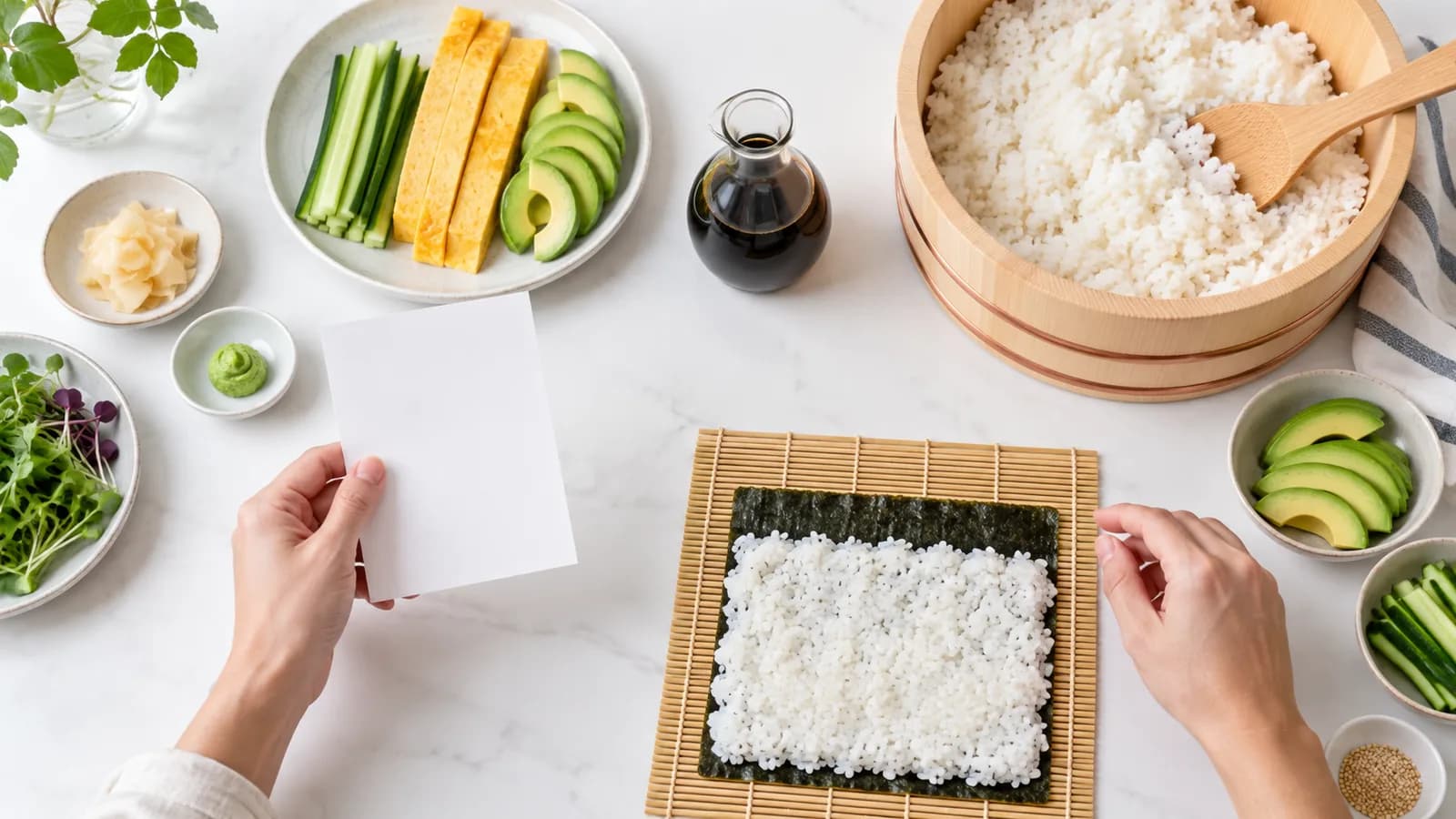
Gluten-Free Sushi Class: What to Ask
Avoiding gluten at a Tokyo sushi class? Learn where wheat hides in sushi, what a shared kitchen can and cannot promise, and what to ask before booking.
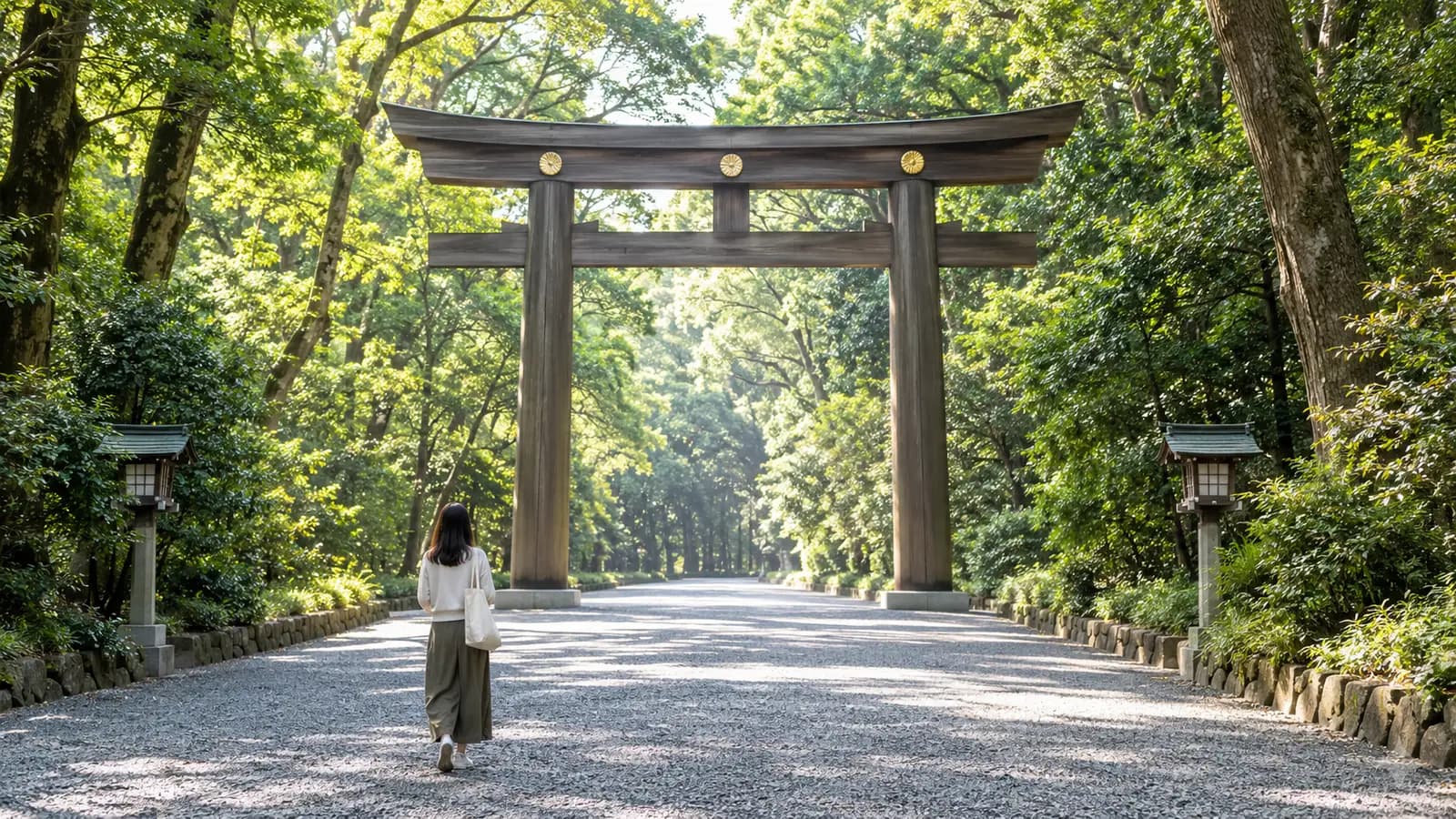
Harajuku and a Sushi Class in One Day
Pair Meiji Jingu, Takeshita Street and Omotesando with a sushi class in Asakusa. The direct Ginza Line route, shrine hours and two easy plans for one day.
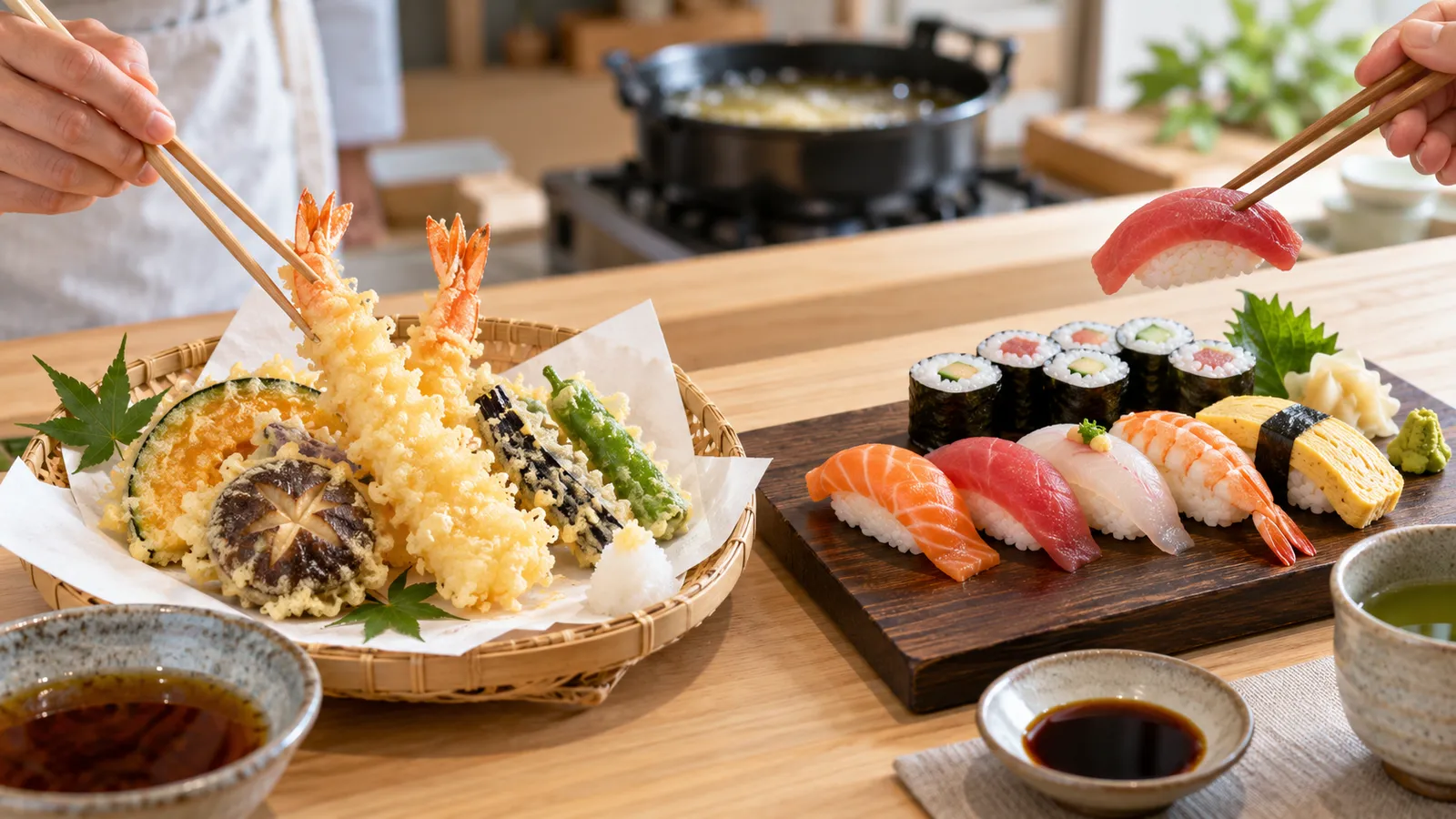
Tempura Class or Sushi Class in Tokyo?
Tempura or sushi for your one Tokyo cooking class? Compare hot oil and age limits, batter and gluten, shellfish, timing and what you eat at the end.