Nokogiriyama Day Trip & Asakusa Sushi Class
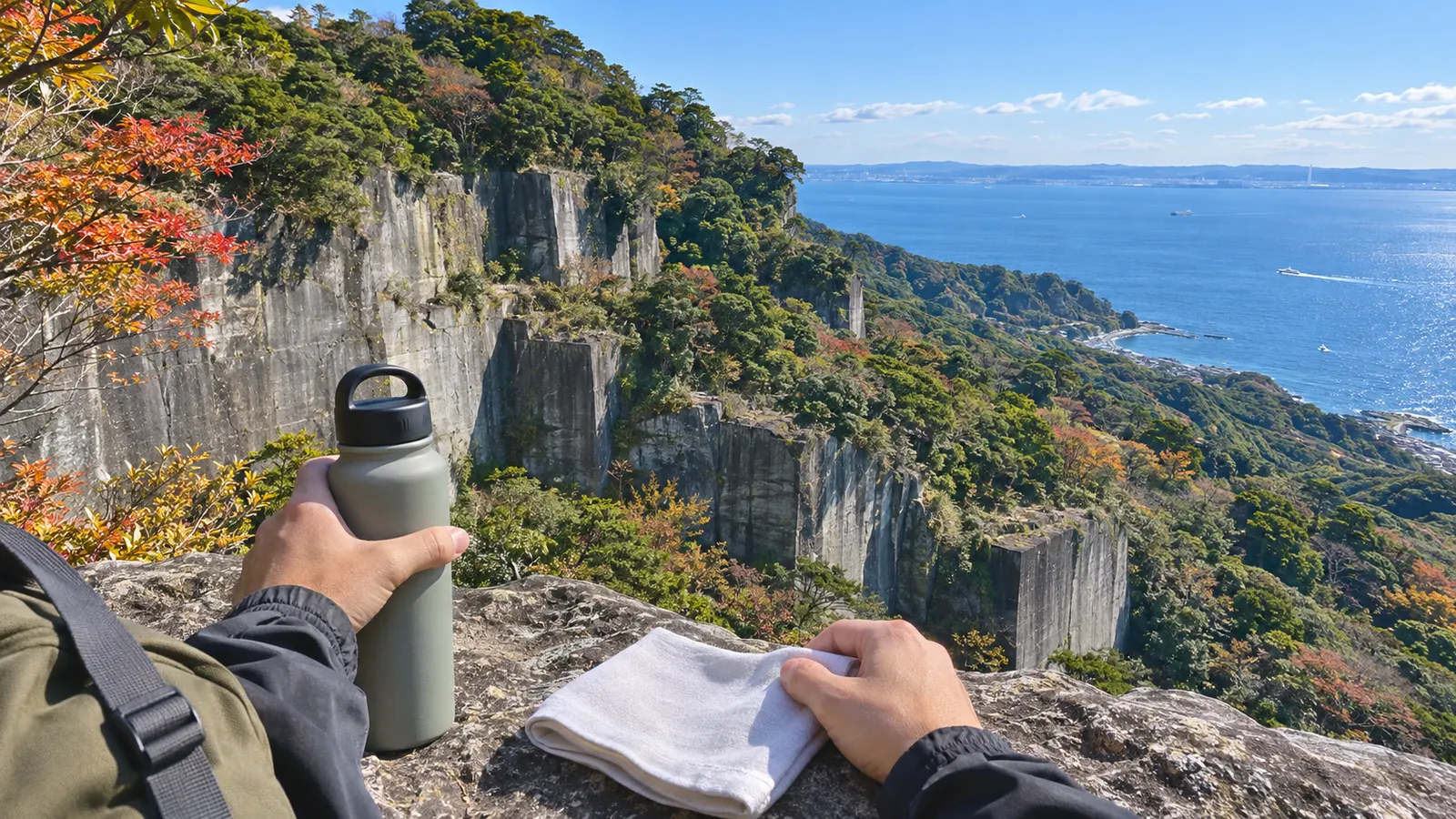
Nokogiriyama, "Saw-Tooth Mountain", rises 329 metres above the coast of Tokyo Bay on the Boso Peninsula in Chiba Prefecture. Its jagged ridge is not entirely natural. For centuries quarry workers cut a soft volcanic stone called Boshu stone from its slopes, leaving sheer, smooth cliffs that now look like the walls of a giant ruin. On the mountain stands Nihon-ji, a temple with a huge Buddha carved into the rock, more than a thousand stone statues and a lookout that hangs over a 100-metre drop.
This guide covers how to get there, what to see, and how to combine the trip with our sushi class in Asakusa. Details were checked on 21 November 2026. Fares, timetables and opening hours change, and parts of the mountain close after storms, so check the official websites before you travel.
Popular in Tokyo right now — our most recommended experience
Tokyo Sushi Making Class : Sake Ceremony & Matcha Experience in Asakusa
Getting there
The gateway is Hamakanaya Station on the JR Uchibo Line, with the ropeway station about eight minutes away on foot, according to the Nokogiriyama Ropeway access page.
By train
From central Tokyo, plan on roughly two hours to Hamakanaya. Route planners usually show the Sobu Line (Rapid) towards Kimitsu and a change at Kimitsu to an Uchibo Line local train. The ropeway company gives about 80 minutes for the local train from Chiba alone. Trains south of Kimitsu are not frequent, so look up the return times before you set off. On some weekends and holidays a limited express from Shinjuku runs through to Hamakanaya; check JR East's timetable for your date.
By ferry from the Miura Peninsula
The more scenic route crosses Tokyo Bay. The Tokyo-Wan Ferry sails between Kurihama in Yokosuka and Kanaya in about 40 minutes. Adult fares are ¥1,100 one way or ¥2,000 return. Kanaya Port is about 12 minutes on foot from the ropeway. This works well if you are combining the trip with Yokosuka or the Miura Peninsula, or if you simply want to see the bay from the water. Going one way by ferry and the other by train makes a good loop.
By highway bus
Kyonan Town lists an Aqua Line express bus from Bus Terminal Tokyo Yaesu to the Hota Elementary School roadside station in about 80 minutes, with a few departures a day. Hota is on the far side of the mountain from the ropeway, so this route suits travellers who are happy to plan the connections themselves.
What to see
The ropeway and the summit views
The Nokogiriyama Ropeway climbs to the top in about four minutes, with cars usually every 15 minutes. A return ticket costs ¥1,200 for adults. From 16 November to 15 February it runs from 9:00 to 16:00, an hour shorter than in summer. It stops in strong wind, and it is scheduled to close for its annual inspection from 12 January to 5 February 2027. Inspection dates can change, so check the official schedule for your travel date.
From the summit station the views take in Tokyo Bay, the Miura Peninsula and, on clear days, Mount Fuji. Chiba Prefecture's tourism site notes that the cold, dry air of winter gives the clearest views.
Nihon-ji temple
Most of the mountain's sights are inside Nihon-ji, a temple whose grounds spread across the slopes. According to the temple's official site, admission is ¥700 for adults, opening hours are 9:00 to 16:00 and the last entry is at 15:00. The paths are paved but there are a great many steps, so wear comfortable shoes.
The highlights:
- The Daibutsu. The great Buddha, carved from the rock face, is 31.05 metres tall in total. Chiba's tourism site points out that it is roughly twice the height of the bronze Buddha in Nara and nearly three times that of Kamakura's.
- Jigoku Nozoki ("Peek into Hell"). A ledge of rock that juts out over a sheer drop of about 100 metres.
- Hyakushaku Kannon. A figure of Kannon about 30 metres high, carved into a quarried cliff face.
- The 1,500 rakan. Hundreds of small stone statues of the Buddha's disciples line the paths and niches of the old quarry.
The temple's own website notes that its front approach path from the Hota side was closed by rockfall at the time of writing. The ropeway is the most straightforward alternative, but check the latest notices before choosing a walking route.
If you would rather walk, the "Tokyo Bay view" section of the Kanto Fureai no Michi trail runs between Hamakanaya and Hota, and there are steep paths up from Kanaya. Allow plenty of time and daylight.
The quarry and Boshu stone
According to Futtsu City, Boshu stone was cut here from the Edo period until 1985. It was used for Yokohama Port and the forts built in Tokyo Bay, and women known as shariki once carried blocks of 200 kilograms or more down the mountain. The vertical cliffs you see today are the walls of the old quarries.
Seafood at Kanaya Port
Near the ferry terminal, The Fish is a large seafood market and restaurant complex about five minutes on foot from Hamakanaya Station. It is a convenient place for lunch before the ferry or train back.
Fitting the sushi class into a Nokogiriyama day
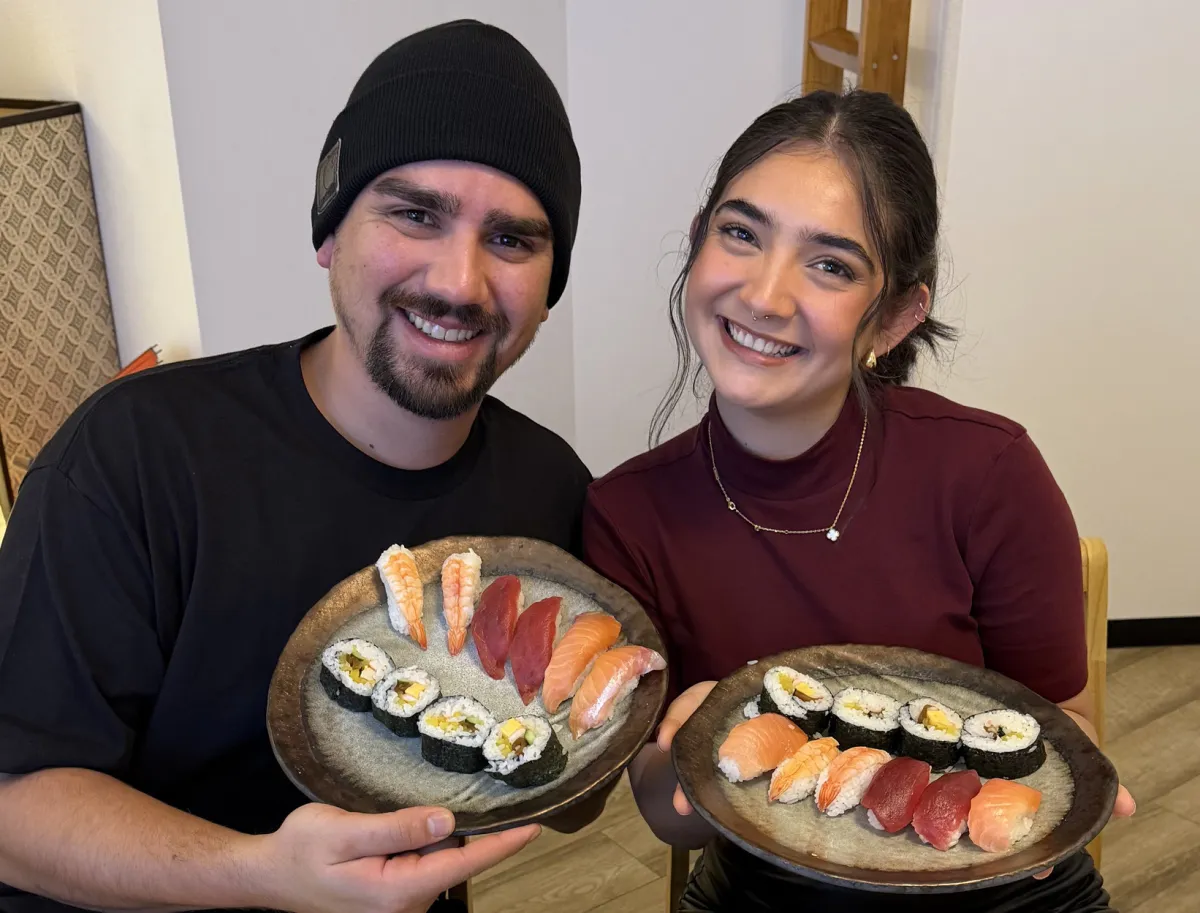
Our signature sushi and matcha class in Asakusa lasts 90 minutes. With an English-speaking instructor, you shape nigiri, roll a futomaki, toast with sake, eat what you made and whisk your own bowl of matcha. It costs ¥12,000 per person. Session times vary by date, so check the booking calendar first and plan to arrive about 10 minutes early.
Option 1: Nokogiriyama on one day, the class on another (recommended)
With about two hours each way and winter closing times of 15:00 to 16:00 at the temple and ropeway, Nokogiriyama fills most of a day. Doing the class on a separate Asakusa day is the most relaxed plan, especially in late autumn and winter, when it gets dark early.
Option 2: early start, class in the evening
Leave Tokyo early, reach the ropeway when it opens, and spend the morning on the mountain. Have lunch at Kanaya, catch an early-afternoon train back and choose a late class time. Leave at least an hour of buffer, because trains on the Uchibo Line are infrequent and the ropeway can stop in wind.
Option 3: class in the morning, mountain in the afternoon
This only works in the longer summer hours, and even then it is tight. In winter, with last entry to the temple at 15:00, we do not recommend it.
FAQ
How fit do I need to be? The ropeway does most of the climbing, but the temple grounds involve many steep steps. Go at an easy pace and leave plenty of time before the 15:00 last entry.
Is it a good trip for winter? Yes, on a clear day. Winter offers the sharpest views of Mount Fuji, but remember the shorter hours and the ropeway's annual inspection closure.
How does it compare with other day trips? It is wilder and more physical than a town walk. For a gentler day, see our Kamakura day trip guide. For another Chiba trip with a canal and old merchant houses, see our Sawara guide.
Plan your Nokogiriyama day
Pick your class date first and build the trip around it. Book the signature class, then save a clear day for the cliffs, the Buddha and the view across Tokyo Bay.
Related Articles
Sawara Day Trip & Asakusa Sushi Class
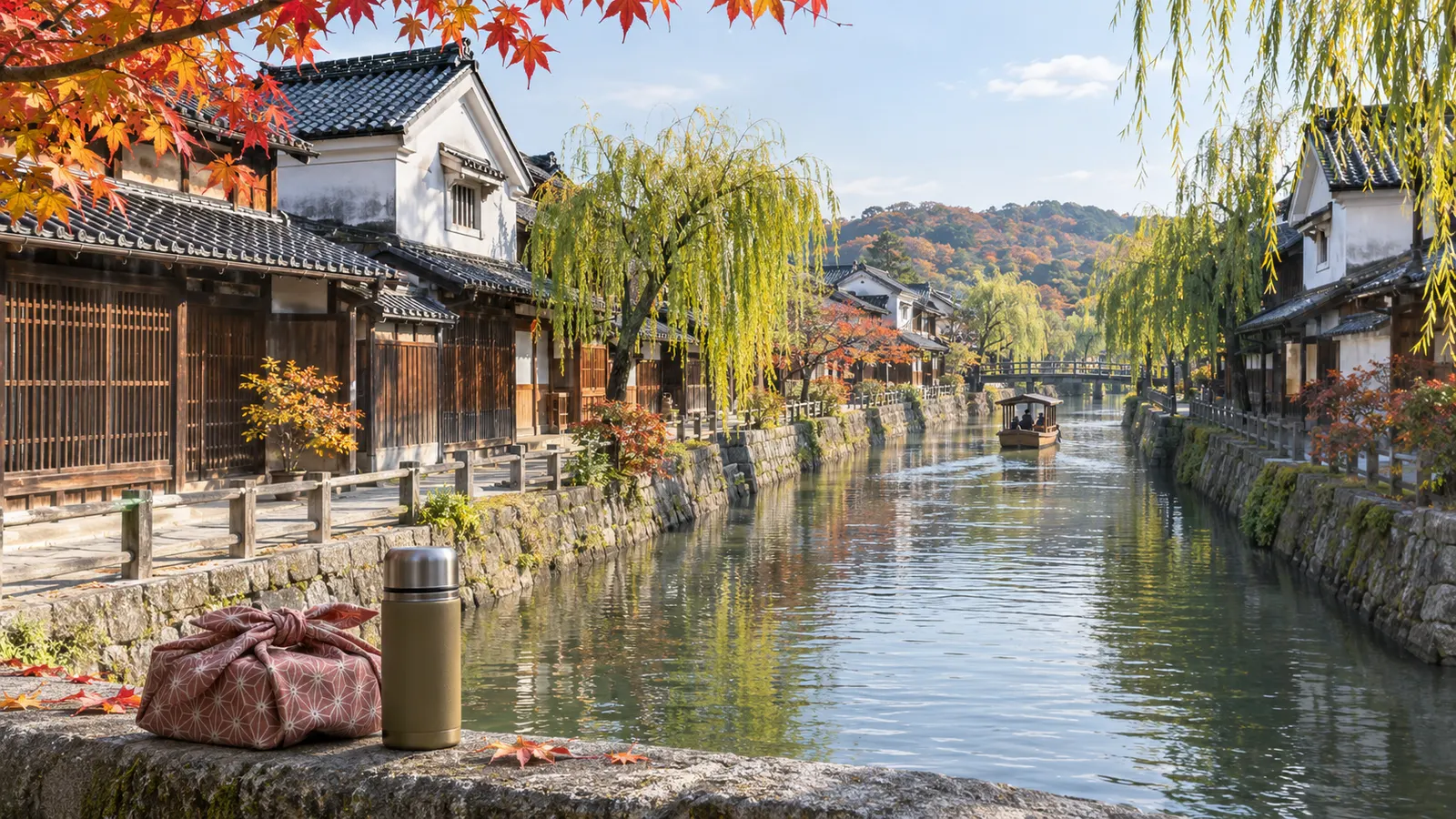
Sawara, Chiba's canal town: train and bus routes, the Ono River boat ride, Ino Tadataka Museum and Katori Jingu, and how to fit a sushi class around the trip.
Okutama Day Trip & Asakusa Sushi Class
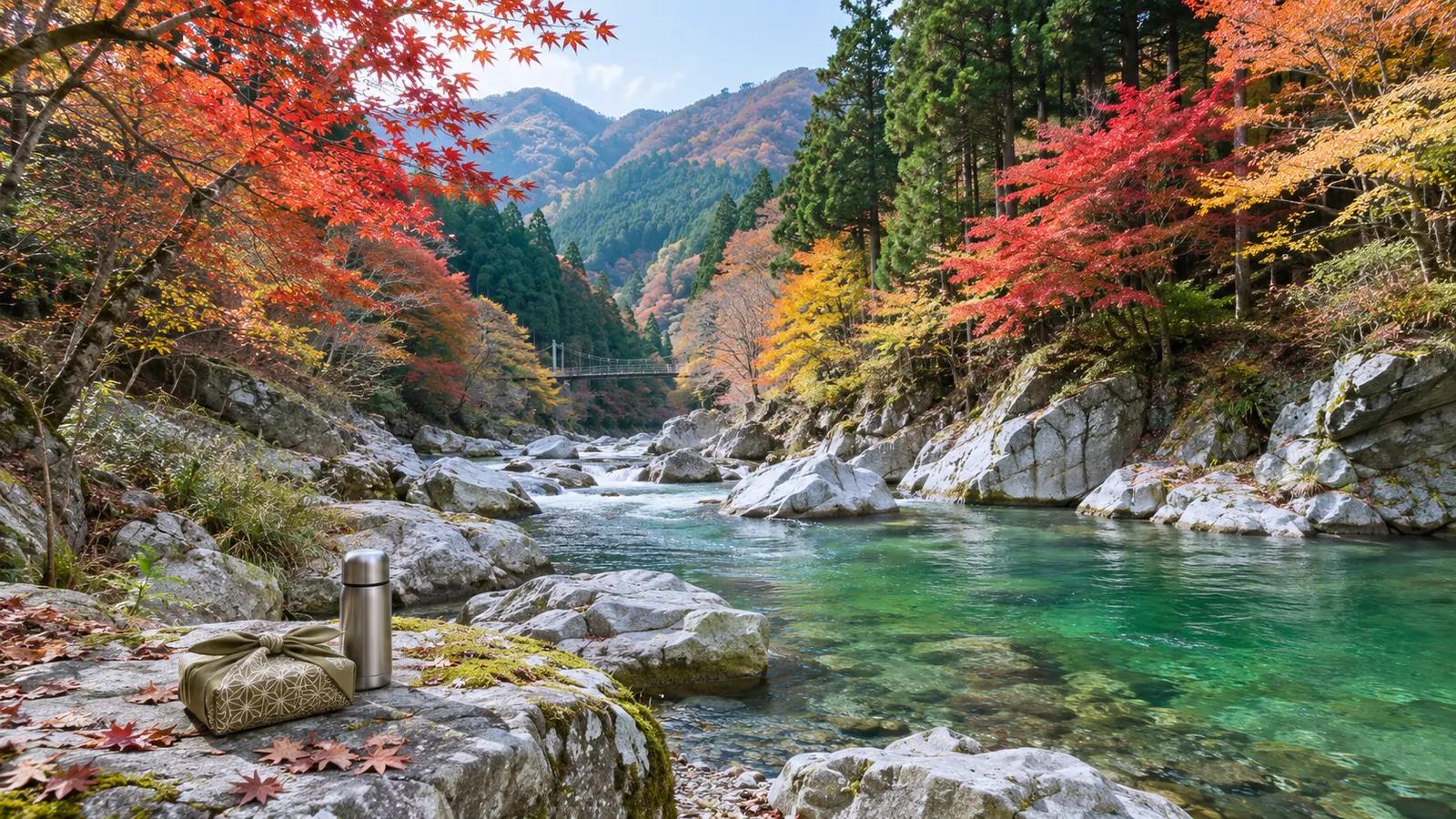
Okutama from Asakusa by JR: Hatonosu Gorge, Okutama Lake, Nippara Cave and Sawanoi sake, with train cautions and how to fit a sushi class around the trip.
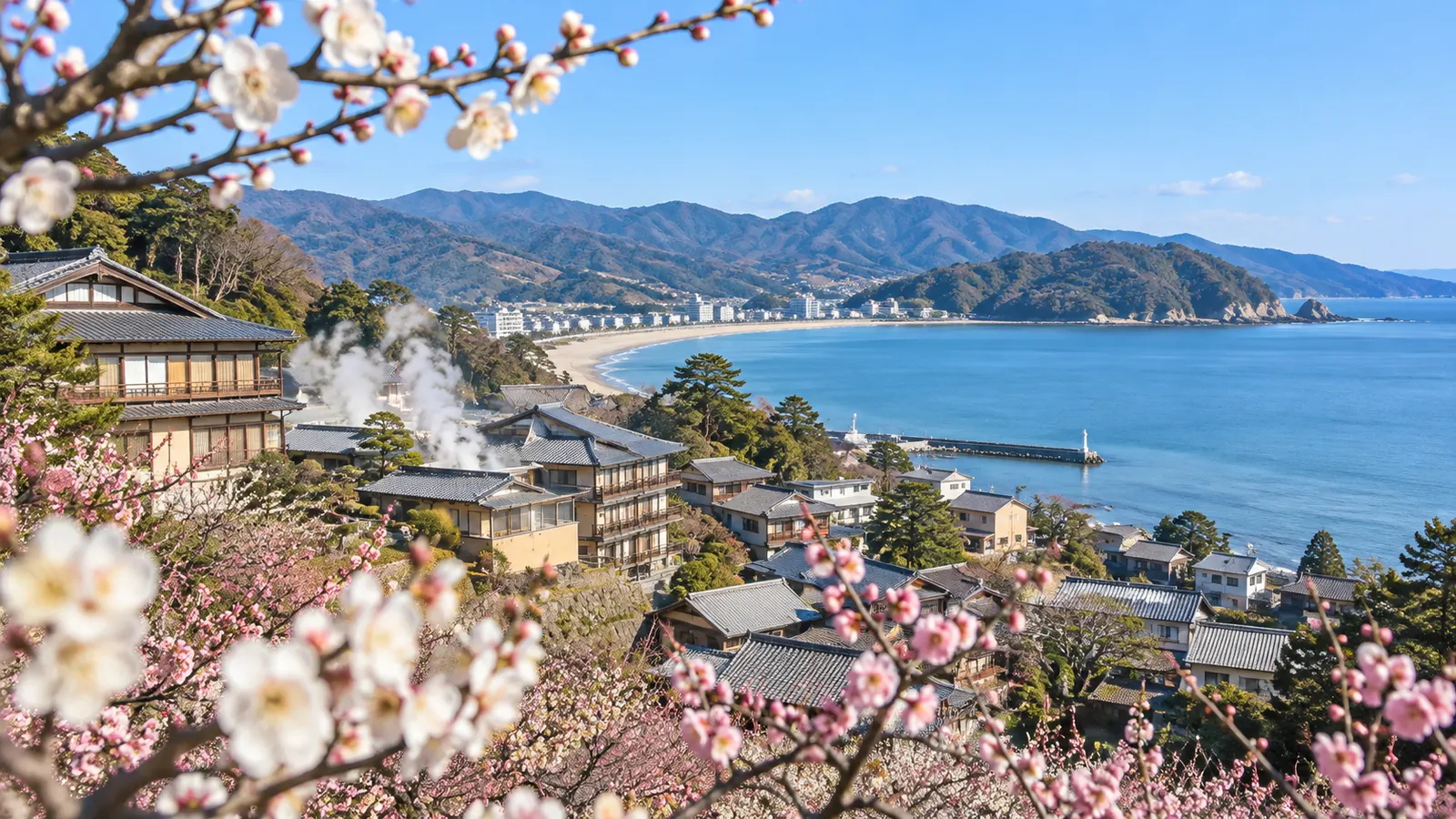
Atami Day Trip & Asakusa Sushi Class
Atami from Asakusa by bullet train or local line: the 2,000-year-old camphor, MOA Museum, early plum blossoms, winter fireworks and fitting in a sushi class.