Sawara Day Trip & Asakusa Sushi Class
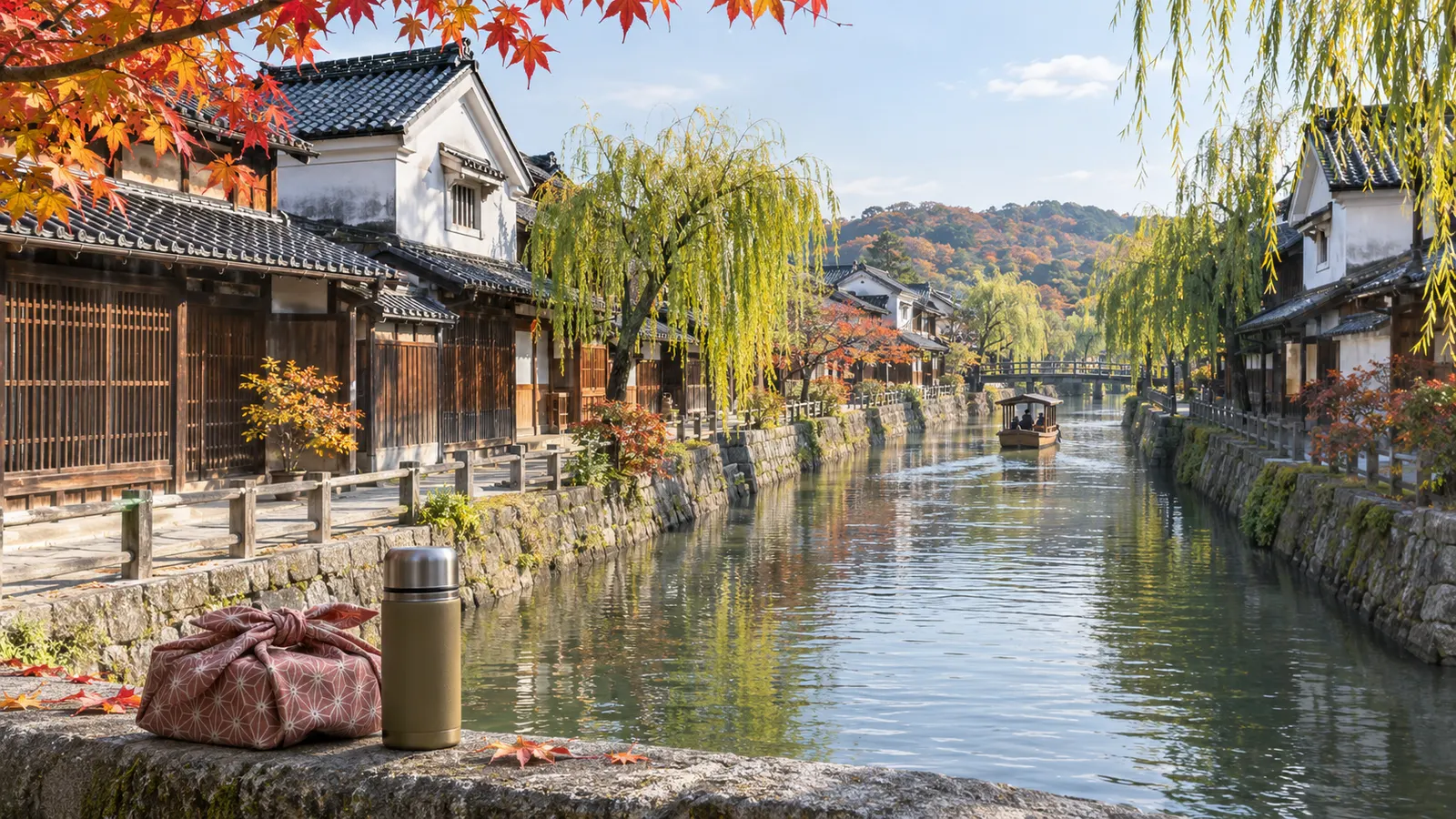
Sawara is an old river-port town in Katori, Chiba Prefecture, about two hours east of central Tokyo. Its canal, the Ono River, is lined with willows and with merchant houses and storehouses from the Edo period to the early 20th century, when boats carried rice, sake and soy sauce down the Tone River to Edo. That trade is why the town is often called "Little Edo", and in 1996 its old streets became the first area in the Kanto region selected as an Important Preservation District for Groups of Traditional Buildings.
This guide covers how to get there, what to see, and how to combine a Sawara day with our sushi class in Asakusa. Details were checked on 20 November 2026; transport times, fares and opening hours can change, so check the official operator and facility websites before you travel.
Popular in Tokyo right now — our most recommended experience

Tokyo Sushi Making Class : Sake Ceremony & Matcha Experience in Asakusa
Getting there
There are two practical ways to reach Sawara: train via Narita, or a direct highway bus from Tokyo Station.
By train
JR Sawara Station is on the JR Narita Line. From central Tokyo, the usual route is the JR Sobu Line (Rapid) from Tokyo Station to Narita, then the JR Narita Line to Sawara. The Narita–Sawara section takes about 30 minutes, with one or two trains an hour. Allow about two hours from Tokyo Station.
From Asakusa you can also take the Toei Asakusa Line and Keisei trains to Keisei Narita, then walk to the neighbouring JR Narita Station for the Narita Line. Our Narita-san day trip guide explains the Asakusa–Narita part of that route. Because trains between Narita and Sawara are infrequent, check the timetable in both directions before setting off.
By highway bus
According to Katori City's highway bus information, two highway bus routes run from the Yaesu side of Tokyo Station:
- a Keisei Bus group route to Sawara Station (North Exit);
- a Kanto Railway route that stops at Katori Jingu and Sawara Station (South Exit).
Katori City's pages list journey times of roughly 80 to 105 minutes to Sawara Station, depending on the route and timetable. Frequencies also vary by route and day, so check the operator's timetable and booking rules before you travel. The bus can be the more comfortable option if you are starting near Tokyo Station, but road traffic can make the return journey slower.
From Sawara Station, the historic canal area is about a 10 to 15 minute walk.
What to see in Sawara
The Ono River canal and the boat ride
The heart of the town is the stretch of the Ono River lined with old shops and storehouses. Many buildings still trade as shops, cafes and family businesses, so the street feels lived in rather than like a museum.
The Koedo Sawara boat ride (funameguri) is a flat-bottomed boat tour along the canal. According to Chiba Prefecture's official tourism site, it takes about 30 minutes and costs ¥1,300 for adults and ¥700 for elementary school children. Boats run from about 10:00 to 16:30, with the last departure changing by season, and the operator has irregular closing days. In winter, the boats are fitted with kotatsu, low heated tables with a blanket, so a late-autumn or winter ride is more comfortable than it sounds.
Ja-Ja Bridge
Toyo Bridge (Toyohashi), in front of Ino Tadataka's former house, is commonly called the "Ja-Ja Bridge" after the sound of the water that pours from it into the canal. It began as a channel that carried irrigation water across the river. Today water is released about every 30 minutes during the daytime, roughly 9:00 to 17:00; the timing can change, so check locally.
Ino Tadataka Museum and former residence
Ino Tadataka was a Sawara merchant who, after retiring, began surveying Japan's coastline in 1800 and spent much of the rest of his life on the project. The maps based on his surveys were remarkably accurate for their time. The Ino Tadataka Museum displays maps and survey instruments, and his former residence stands across the canal.
According to Katori City, the museum opens from 9:00 to 16:30 (enter by about 16:00), closes on Mondays (or the next weekday if Monday is a public holiday) and from 29 December to 1 January. Admission is ¥500 for adults.
Katori Jingu
A short ride from Sawara, Katori Jingu is one of the most important shrines in eastern Japan. Katori City notes that before the Meiji period only three shrines held the title jingu: Ise, Katori and Kashima. The black-lacquered main hall dates from 1700. The shrine is about 10 minutes by taxi from Sawara Station, and there is also a local loop bus; the Kanto Railway highway bus stops at the shrine entrance.
The Sawara Grand Festival
Twice a year, in July and October, Sawara holds its Grand Festival, when tall floats topped with giant figures are pulled through the streets. The festival is part of the "Yama, Hoko, Yatai" float festivals inscribed on UNESCO's Intangible Cultural Heritage list in 2016. Outside the festival dates, you can still see the floats in the town's float museum.
Fitting the sushi class into a Sawara day
Our signature sushi and matcha class lasts 90 minutes. You make nigiri and a futomaki roll with an English-speaking instructor, toast with sake, eat what you made and whisk your own bowl of matcha. It costs ¥12,000 per person. Session times vary by date, so check the booking calendar first and plan to arrive about 10 minutes before the start.
Option 1: class in the morning, Sawara in the afternoon
Take a morning class, then head to Tokyo Station for the bus or to Narita by train. You will reach Sawara in the early afternoon, in time for the boat ride and a walk along the canal before the museum closes. In late autumn it gets dark early, so this plan suits travellers who mainly want the canal and the town.
Option 2: Sawara in the morning, class later
Leave early, spend the morning in Sawara and return in the early afternoon. This leaves more time for Katori Jingu or the museum. With two hours or more of travel back, choose a later class time and leave a buffer of at least half an hour.
Option 3: class on another day
If you want to see Sawara, Katori Jingu and Narita together, give the trip its own day and do the class on a different day. If you would like a "Little Edo" closer to Tokyo, our Kawagoe guide covers another storehouse town that combines more easily with a class on the same day.
FAQ
Is Sawara worth it if I have already been to Kawagoe? They feel different. Kawagoe is centred on a busy street of storehouses, while Sawara is a quieter canal town with a boat ride.
Can I visit Sawara on the way to or from Narita Airport? Sawara is on the same JR line as Narita, so it is possible if you have time and somewhere to keep your luggage. Check coin-locker availability before relying on it.
When is the best time to go? Any season works. Spring and autumn are the most pleasant for walking, and in winter the boat ride uses heated tables.
Plan your Sawara day
Choose the class date and time first, then build the journey around it. Book the signature class and pair an Edo-era canal town with sushi in Asakusa.
Related Articles
Nokogiriyama Day Trip & Asakusa Sushi Class
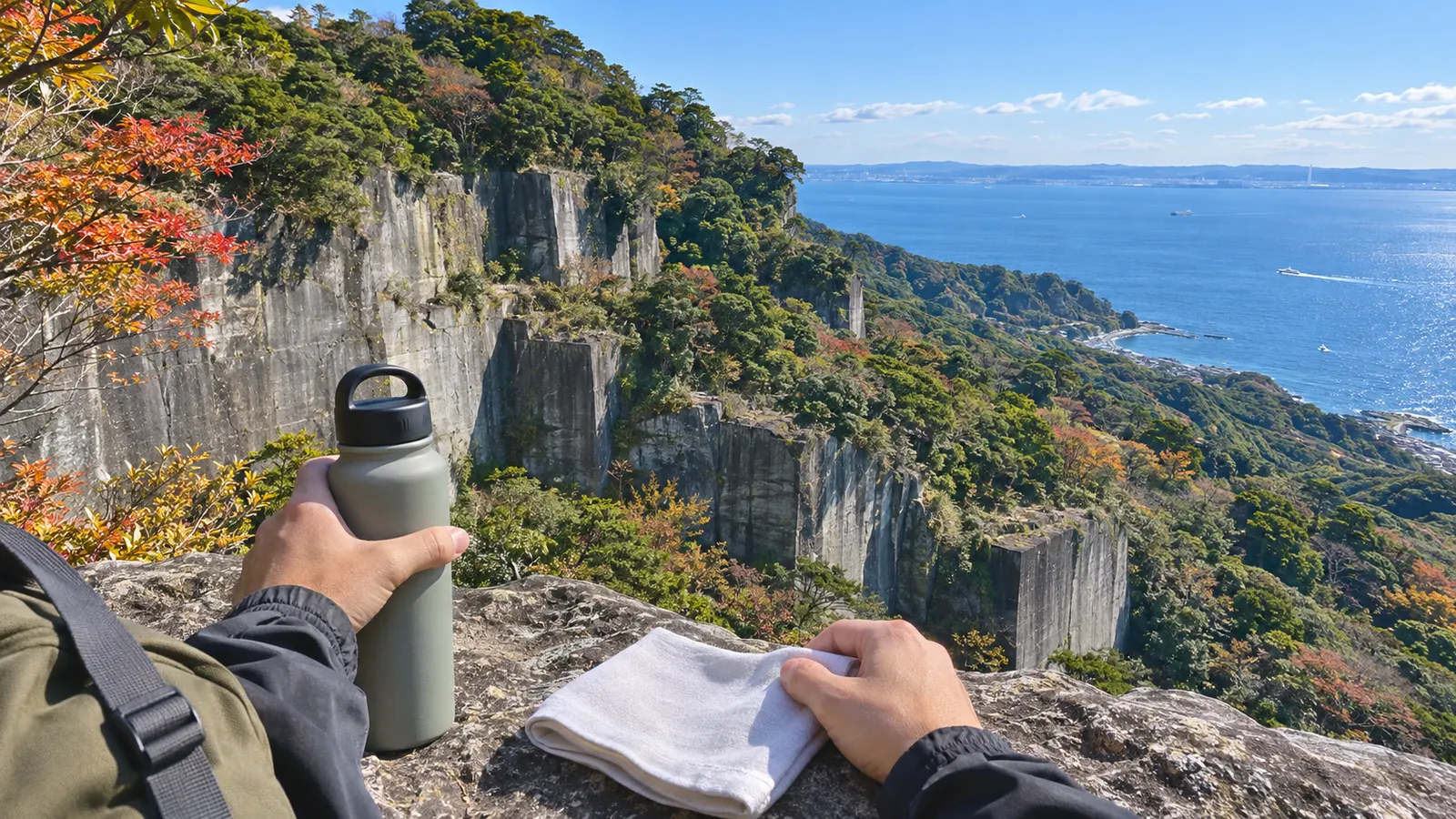
Mount Nokogiri in Chiba: train, ferry and ropeway, Nihon-ji's giant Buddha and Jigoku Nozoki, winter hours, and how to fit a sushi class around the trip.
Okutama Day Trip & Asakusa Sushi Class
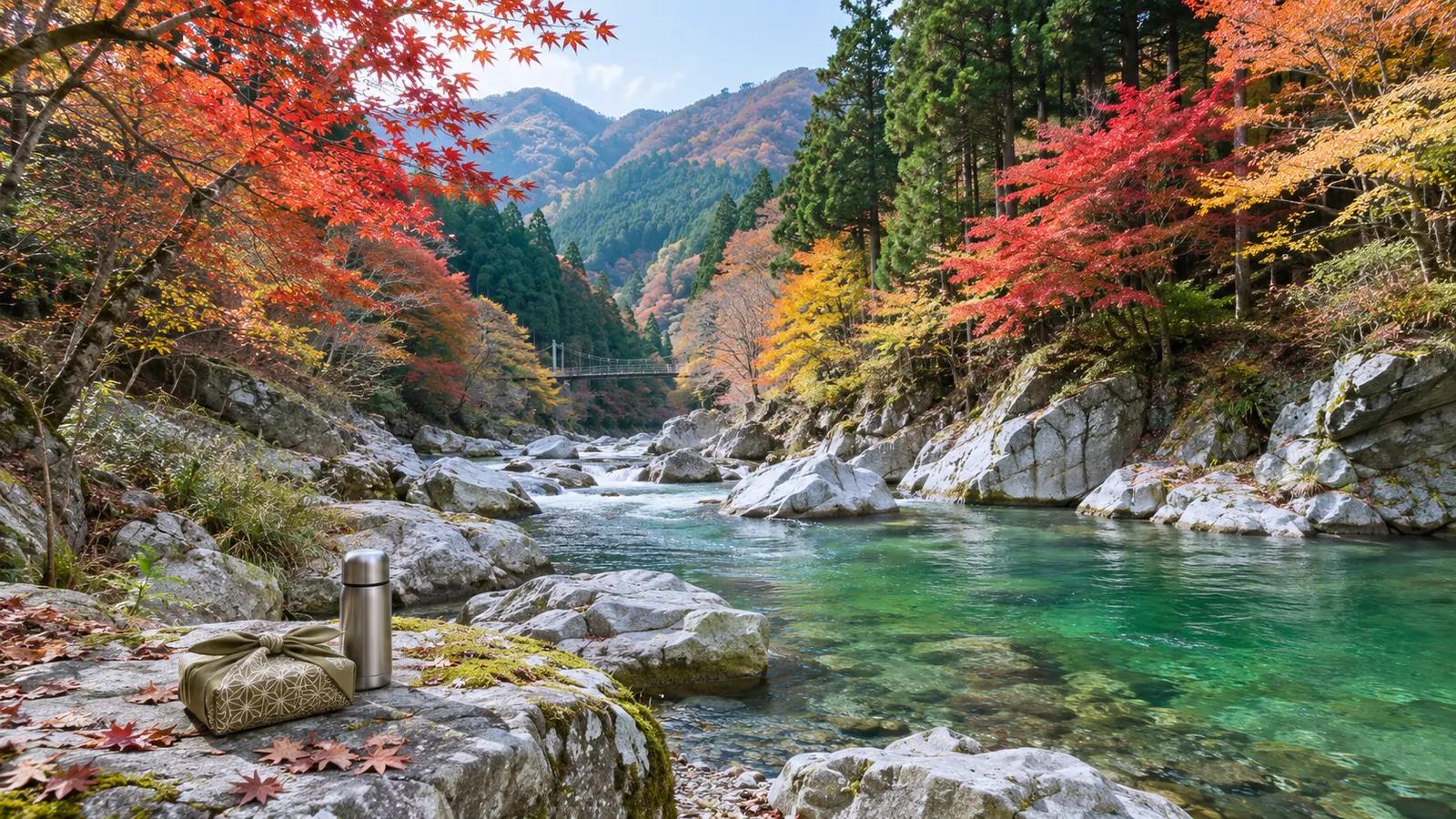
Okutama from Asakusa by JR: Hatonosu Gorge, Okutama Lake, Nippara Cave and Sawanoi sake, with train cautions and how to fit a sushi class around the trip.
Atami Day Trip & Asakusa Sushi Class
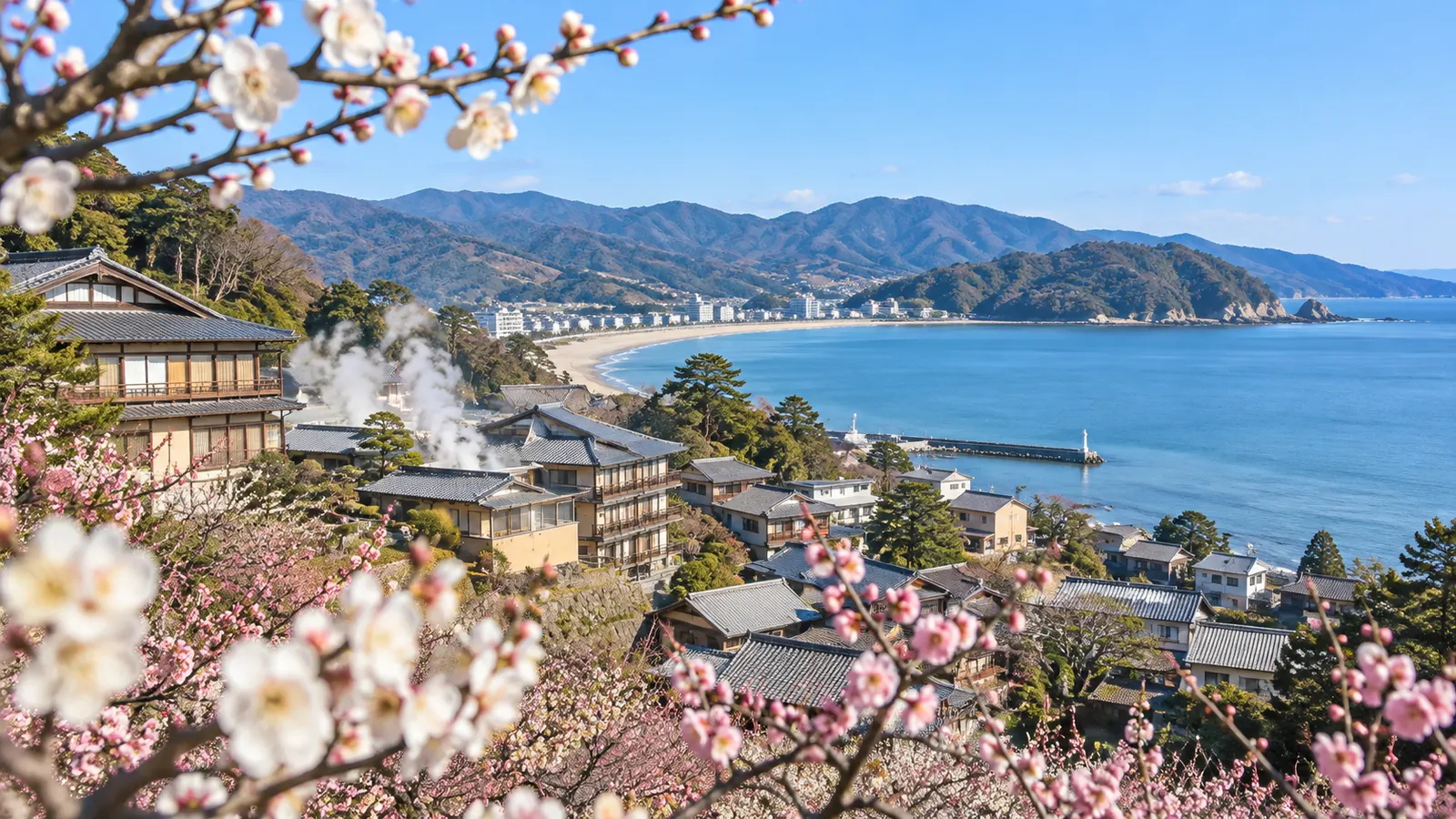
Atami from Asakusa by bullet train or local line: the 2,000-year-old camphor, MOA Museum, early plum blossoms, winter fireworks and fitting in a sushi class.