Kawagoe Day Trip and an Asakusa Sushi Class
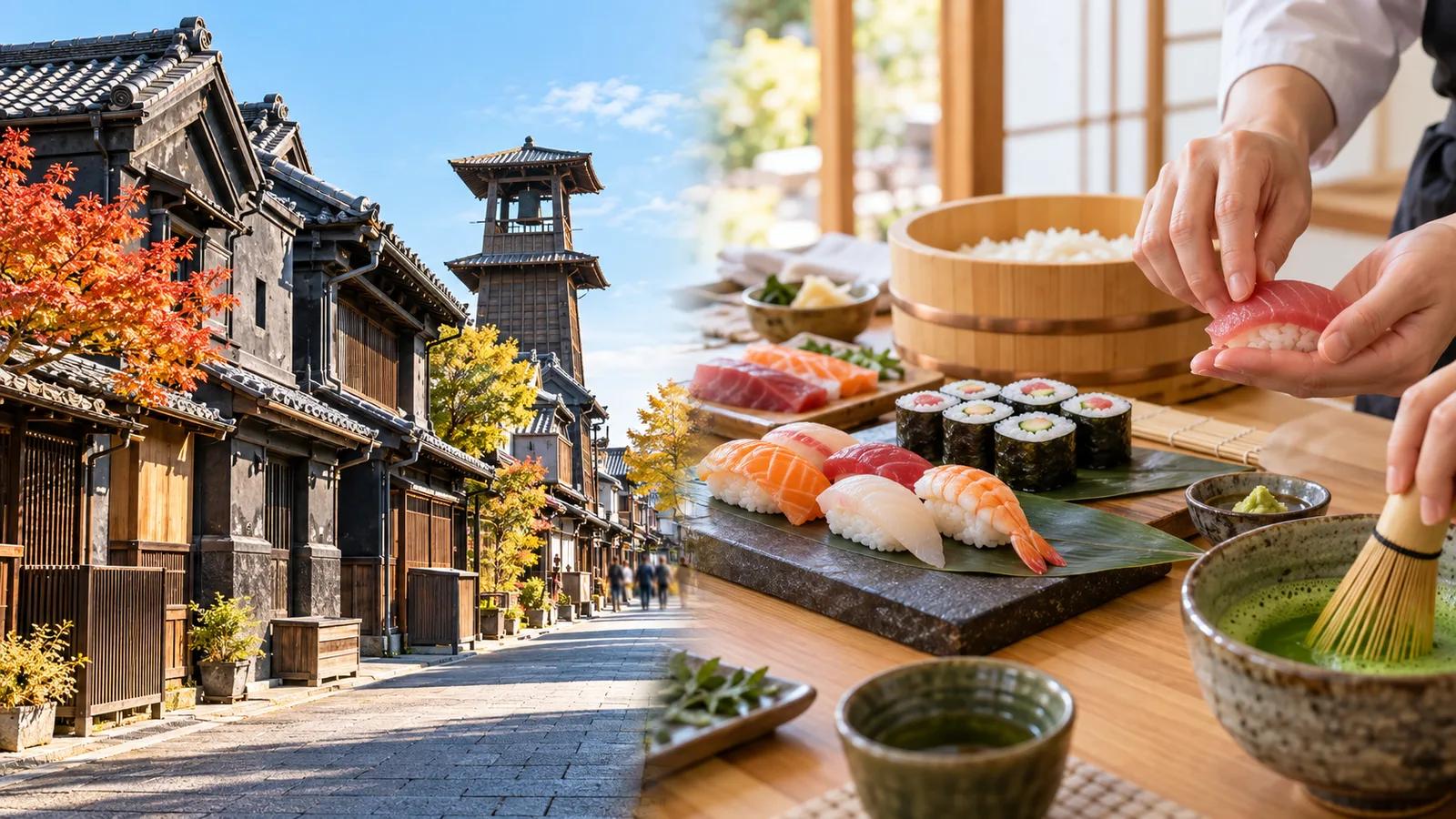
Kawagoe, in Saitama Prefecture, is often called "Little Edo". Its main street is lined with heavy, clay-walled merchant storehouses, a wooden bell tower still marks the hours, and a lane of old-fashioned sweet shops keeps the feel of a market town. It is one of the easiest historic towns to reach from central Tokyo, which makes it a popular half-day or day trip.
If you also want to make sushi in Asakusa, the question is how to fit both together. This guide explains the journey, what to prioritise in Kawagoe and three plans that combine it with our class.
Popular in Tokyo right now — our most recommended experience

Tokyo Sushi Making Class : Sake Ceremony & Matcha Experience in Asakusa
Getting from Asakusa to Kawagoe
There is one detail that confuses many visitors. Our studio is right by Tobu Asakusa Station, and Kawagoe is also served by Tobu Railway, but trains from Tobu Asakusa do not go to Kawagoe. Kawagoe is on the separate Tobu Tojo Line, which starts at Ikebukuro on the other side of the city.
The common routes are:
- Via Ikebukuro (Tobu Tojo Line): Tobu's access page gives about 30 minutes from Ikebukuro to Kawagoe Station. From Asakusa, you first need to reach Ikebukuro by subway and JR, which usually involves a transfer.
- Via Shinjuku: japan-guide.com lists JR trains from Shinjuku to Kawagoe in about 55 minutes, and Seibu trains to Hon-Kawagoe in about 50 to 60 minutes, or about 45 minutes by limited express.
Kawagoe Station is not in the historic district itself. The same guide says the warehouse district is a 10 to 15 minute walk from Hon-Kawagoe Station, which is slightly closer than Kawagoe Station, and that tourist loop buses also run. Door to door from Asakusa, plan on roughly an hour and a half each way, and check a route planner for your date and starting point. Tobu also sells discounted round-trip passes for overseas visitors, so it is worth comparing the current options before you go.
What to see in Kawagoe
You can walk the core of Kawagoe in a few hours. Most visitors focus on these spots:
- Kurazukuri Street (Ichibangai): the main street of old storehouse-style shops, the image most people have of Kawagoe.
- Toki no Kane: the wooden bell tower, about 16 metres high. Tobu's sightseeing guide notes that the bell, now electric, rings four times a day at 6:00, 12:00, 15:00 and 18:00.
- Kashiya Yokocho: a short lane of traditional sweet and snack shops. The same Tobu guide says the lane has operated since the Meiji period.
- Kitain Temple: known for its 538 Rakan statues and buildings moved from Edo Castle. The official visitor guide lists adult admission at ¥400. Opening is at 9:00; closing is 16:30 from March 1 to November 23 and 16:00 from November 24 to the end of February, with 20 minutes longer on Sundays and public holidays. Admission ends 30 minutes before closing. Paid visits are suspended December 25–January 8 and on some other dates; check the official calendar.
- Honmaru Goten: the surviving palace building of Kawagoe Castle. The city visitor guide lists 9:00–17:00, last entry 16:30. It closes Mondays (Tuesday if Monday is a public holiday), the fourth Friday unless it is a public holiday, and December 29–January 3.
Kawagoe is also known for sweet potato snacks, so it is easy to graze as you walk. Weekends and holidays are much busier on the main street, and some museums and shops close on set weekdays, so check opening days before you choose a date.
Plan 1: Kawagoe and the class on separate days
If you have several days in Tokyo, this is the easiest option. Give Kawagoe a relaxed day at its own pace, and book the class on a day you are already spending around Asakusa, Ueno or the Sumida River.
Our signature sushi and matcha class lasts about 90 minutes. You join a sake toast, shape nigiri, roll maki, eat the sushi you made and whisk your own matcha, so it can stand in for lunch or dinner. Our guide to how long the class takes in your itinerary explains the full time block, including arriving 10 minutes early.
Plan 2: Morning class, then Kawagoe in the afternoon
For a single day, a morning class followed by Kawagoe is the most predictable combination. You start at the studio with no train to catch beforehand, and the sushi you make covers lunch.
After a morning class, allow about 1½ hours to reach Kawagoe. Visit Kitain first if it is a priority, and arrive well before its last admission time: on a winter weekday, admission ends at 15:30. Check closure dates before choosing this plan. Then walk towards the warehouse streets and Toki no Kane; if you reach the bell tower by 15:00, you may hear it chime.
Because you will have eaten a full sushi meal, a sweet potato snack or something from Kashiya Yokocho is usually enough until dinner.
Plan 3: Kawagoe in the morning, class later in the day
Kawagoe's sights open from around 9:00, so an early start lets you see the town before the crowds and return to Asakusa for an afternoon or early-evening session. Many dates offer sessions spread through the day, from morning to early evening. Check the booking calendar for your date.
If you choose this plan:
- Leave a generous margin. Plan your return so that you arrive well before the class, not just on time, especially on weekends when trains and the loop buses are busier.
- Eat lightly in Kawagoe. Kawagoe has plenty of restaurants and street snacks, but a big lunch followed by a sushi meal is a lot. Our guide to planning meals around the class shows how to pace the day.
- Know the cancellation terms. Cancellation is free up to 24 hours before the class. After that, and for no-shows, the full price is charged, even if a delay makes you late. Read our guide to cancelling or rescheduling before you commit.
Kawagoe compared with other day trips
Kawagoe is closer and more compact than Nikko or Kamakura, which is why it pairs well with a class on the same day. Kamakura needs more time and involves temples spread around the town; our Kamakura day trip guide explains how that works. If you prefer old streets without leaving central Tokyo, the Yanaka neighbourhood has a similar small-town feel and is much closer to Asakusa.
If you want to go further into Saitama, Chichibu offers mountains, a historic shrine and a famous night festival on 2 and 3 December, about 80 minutes from Ikebukuro by limited express. It fits better with a morning class or a separate day than with a same-day evening class.
Practical tips
- Travel light. If you are changing hotels, the studio has luggage storage for the class, but you will carry your bags in Kawagoe.
- Wear comfortable shoes. You will walk on stone-paved streets and temple grounds.
- Check the weather. Kawagoe is mostly outdoors. On a rainy day, the class makes a good indoor plan and Kawagoe can wait for a dry day.
Choosing your plan
- Several days in Tokyo: Kawagoe on one day, the class on an Asakusa day.
- One day, prefer certainty: a morning class, then an afternoon in Kawagoe.
- One day, early riser: Kawagoe in the morning, then a later session with a generous margin.
When you know which day works, check the sessions and book the sushi and matcha class at a time that fits around your trip to Kawagoe.
Related Articles
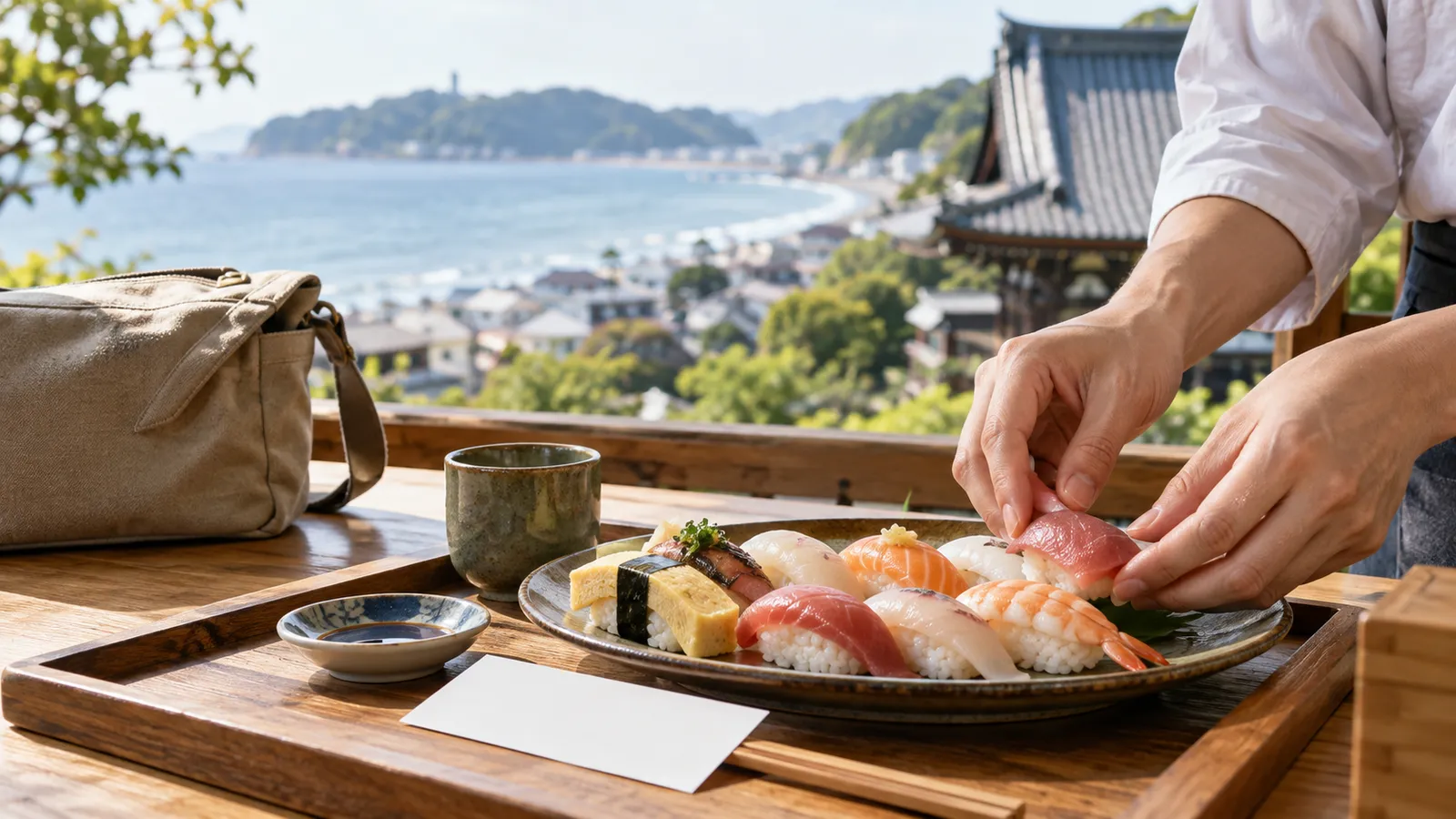
Kamakura Day Trip and an Asakusa Sushi Class
Planning Kamakura and a sushi class in Asakusa? Compare three realistic plans, from separate days to a same-day combo, with travel times and margins.
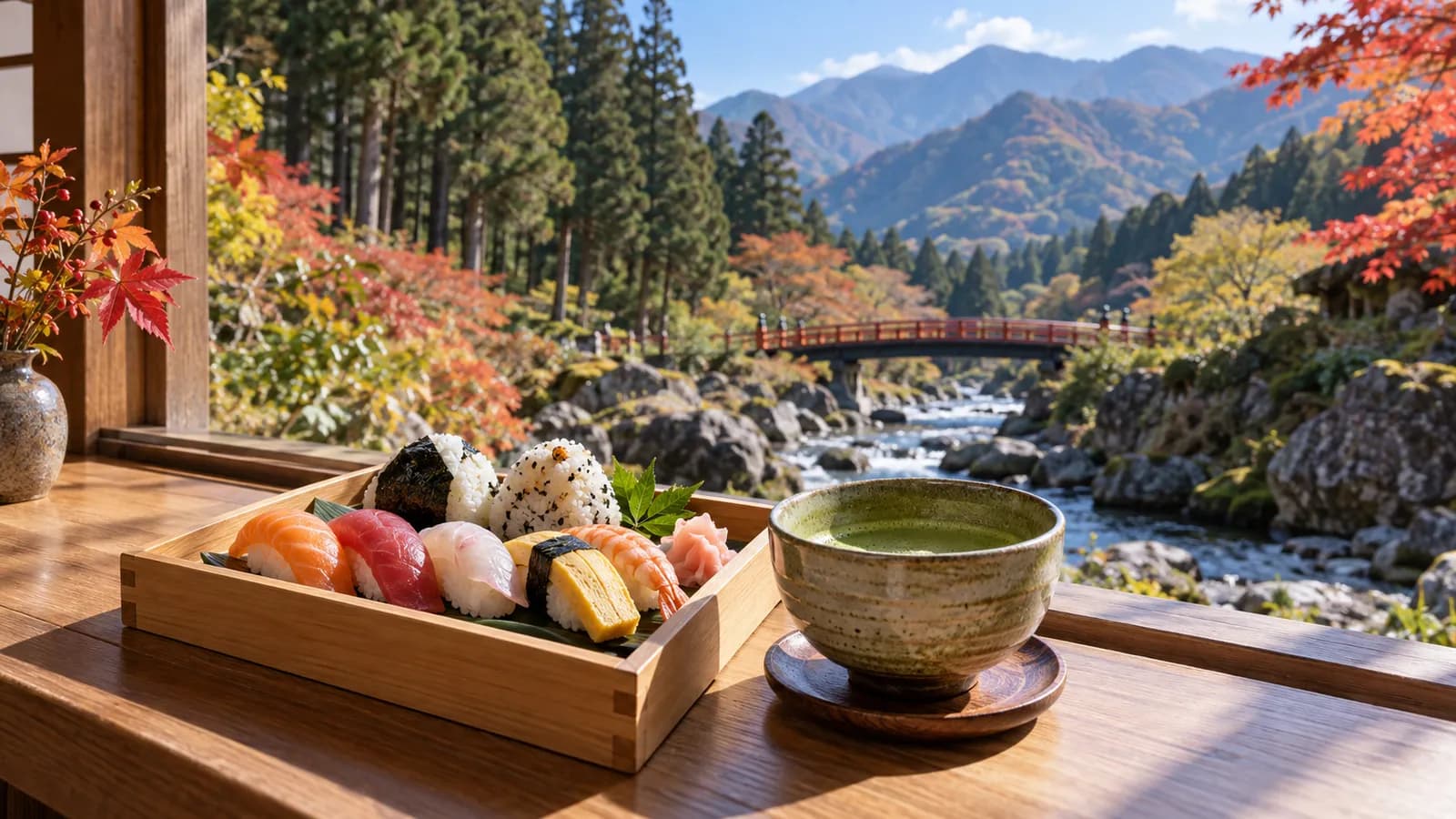
Nikko Day Trip and a Sushi Class in Asakusa
Trains to Nikko leave from Tobu Asakusa, next to our studio. How to fit a Nikko day trip and a sushi or onigiri class into your plans without rushing.
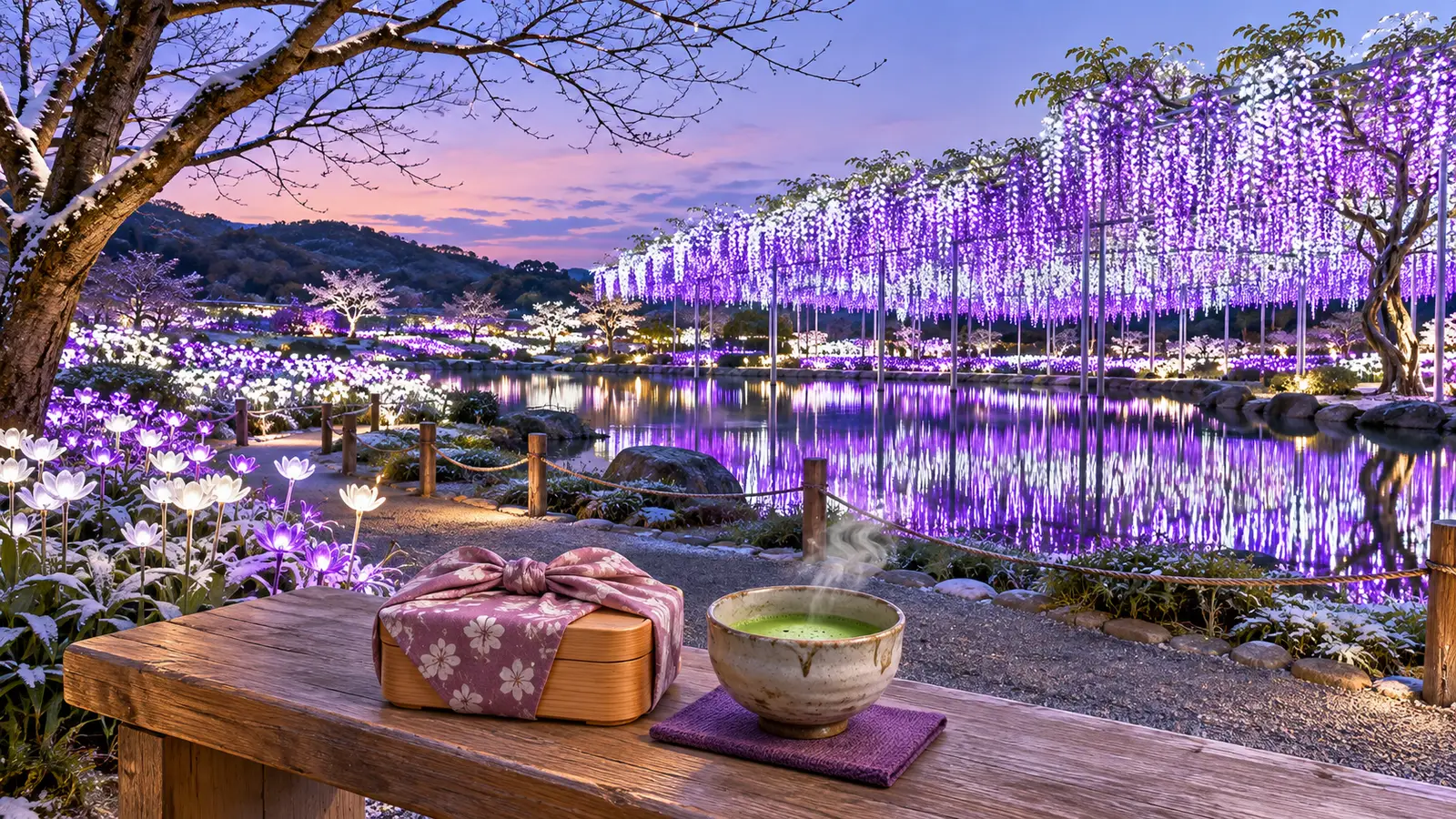
Ashikaga Flower Park Lights & a Sushi Class
See Ashikaga Flower Park's winter illuminations after a morning sushi class in Asakusa. 2026–27 dates, train routes from Asakusa, timing and a sample plan.