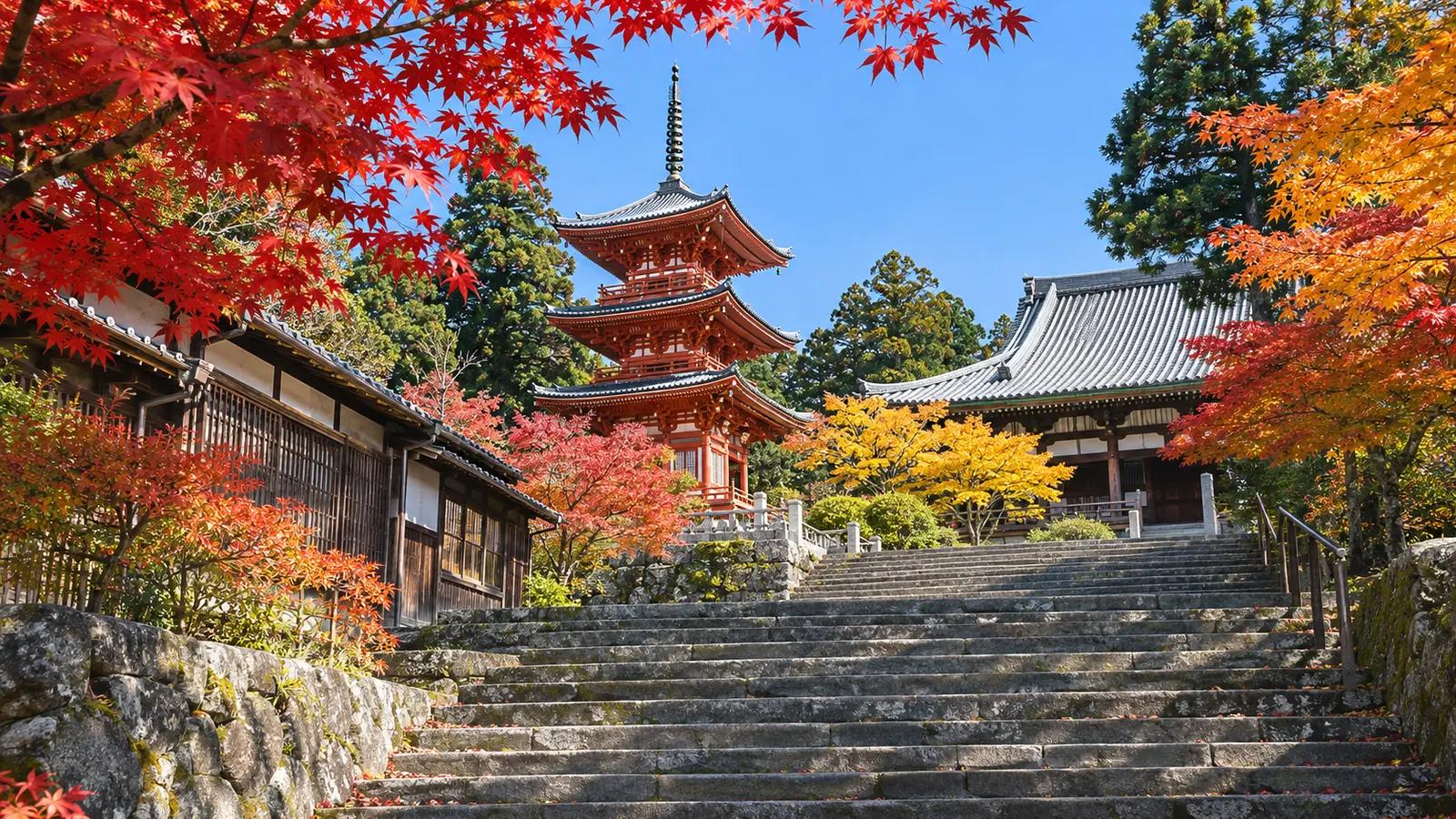
Narita-san Day Trip & Asakusa Sushi Class
Most visitors only know Narita as an airport. A short train ride from the terminals, though, is one of the busiest temples in Japan: Naritasan Shinshoji, reached along an old approach street lined with eel restaurants. From Asakusa you can get there by train in a little over an hour, without going through central Tokyo.
This guide covers the route from Asakusa, what to see at the temple, the eel street, late-autumn leaves and three ways to combine Narita with our sushi class. Fares and dates were checked on 17 November 2026.
Popular in Tokyo right now — our most recommended experience

Tokyo Sushi Making Class : Sake Ceremony & Matcha Experience in Asakusa
Getting there from Asakusa
Narita town has two stations close together: Keisei Narita and JR Narita. From Asakusa, the simplest route is by Keisei.
Take the Toei Asakusa Line from Asakusa Station. Some trains run through onto the Keisei lines towards Narita; on others you change, often at Aoto. A journey planner we checked listed about 1 hour 17 minutes and a fare of ¥980 for the cheapest route to Keisei Narita, with one change, and about one hour on the fastest through trains. Times depend on the train you catch, so check a route planner on the day. The Toei Asakusa Line's Exit A5 at Asakusa is about a five-minute walk from our studio.
From either station, the temple is about a 10-minute walk along the approach street. Narita town is also close to the airport: Keisei Narita to Narita Airport Terminal 2·3 is about six minutes on the fastest trains.
Naritasan Shinshoji
According to Chiba Prefecture's tourism site, the temple was founded in 940. Its principal image is Fudo Myoo, the stern, fire-surrounded guardian deity of Shingon Buddhism, and it is one of Japan's main centres of Fudo worship. It draws about 10 million visitors a year, roughly 3 million of them in the first three days of January.
What to look for:
- Five Edo-period buildings that are nationally designated Important Cultural Properties: the Niomon gate, the three-storied pagoda, the Komyodo, the Shakado and the Gakudo hall.
- The Great Pagoda of Peace at the back of the grounds, a modern addition.
- The Great Main Hall (Daihondo), where the goma fire ritual takes place.
The temple is open every day of the year.
The goma fire ritual
The ritual that defines Narita-san is the goma, a prayer in which monks burn wooden sticks before Fudo Myoo while drums beat and sutras are chanted. The temple holds goma services every day at scheduled times between 9:00 and 15:00, with the exact times varying by month and weekday, plus an early-morning service at 6:00 from October to March. Each service takes about 30 minutes. The temple says anyone may enter the Great Main Hall to take part, and requests for a personal prayer can be made on the day at the goma reception desk without booking. Times can change on festival days, so check the temple's notices.
Sitting through one service is the best way to understand why people travel here. Take your shoes off at the entrance, sit quietly and follow what others do.
Omotesando: the eel street
The approach street from the stations, Omotesando, is about 800 metres long. Narita's tourism association counts more than 150 restaurants and souvenir shops along it, in a streetscape that still recalls its Edo-period temple-town past, and names eel (unagi) as the street's speciality. Grilled eel on rice, glazed with a sweet soy sauce, is the classic meal of a Narita visit.
Eel is a rich, filling dish. If you plan to eat it, have it on the walk back rather than just before a class. If you are curious how freshwater eel differs from the sea eel used in Tokyo sushi, see our guide to anago.
Late autumn at Naritasan Park
Behind the main hall is Naritasan Park, about 165,000 square metres of ponds, waterfalls and walking paths. Chiba Prefecture lists about 250 trees that colour between mid-November and early December. The 27th Naritasan Park Autumn Leaves Festival runs from 14 to 29 November 2026, with concerts and tea gatherings on weekends and holidays.
If you visit in early January, expect very large New Year crowds. A weekday at other times of year is much calmer.
Fitting the sushi class into a Narita day
Our signature sushi and matcha class lasts 90 minutes. You make nigiri and a futomaki roll with an English-speaking instructor, toast with sake, eat what you make and whisk your own matcha. Session times vary by date, so check the booking calendar first. Please arrive about 10 minutes before the start.
Option 1: class in the morning, Narita in the afternoon
Take a morning class in Asakusa, then ride the Toei Asakusa Line towards Narita. You will arrive in the early afternoon, in time for an afternoon goma service and a walk through the park. The class is a full meal, so you may want only a snack on Omotesando. Plan to leave Narita by late afternoon if you want daylight in the park.
Option 2: Narita in the morning, class in the afternoon
Leave Asakusa early and attend a morning goma at the temple. Walk Omotesando, then head back to Asakusa for an afternoon or evening class. Allow at least an hour and a half for the return journey, including walking time and a possible transfer.
Option 3: on your way to or from the airport
If you are flying from Narita, the town makes a convenient stop before your flight, because it is only a short train ride from the terminals. Our guide to taking a sushi class before your flight explains how to handle luggage and timing on your last day. If you would rather combine the class with temples closer to the studio, see our plan for Senso-ji and a sushi class on the same day.
Practical tips
- IC cards such as Suica or PASMO work on the whole route.
- Wear comfortable shoes. The temple grounds have stone steps and slopes.
- Free cancellation. Our class can be cancelled free of charge up to 24 hours before the start, which helps if your Narita plans change.
FAQ
Is Narita worth a day trip if I am not flying? Yes, if you like temples and old streets. It is one of Japan's most visited temples, the goma ritual is unusual to watch, and the route from Asakusa is simple.
Can I see Narita-san in half a day? Yes. Two to three hours covers the temple, a goma service, the park and a walk along Omotesando.
Plan your Narita day
Decide the class time first, then fit Narita around it. Book the signature class and pair Asakusa sushi with one of Japan's great temple towns.
Related Articles
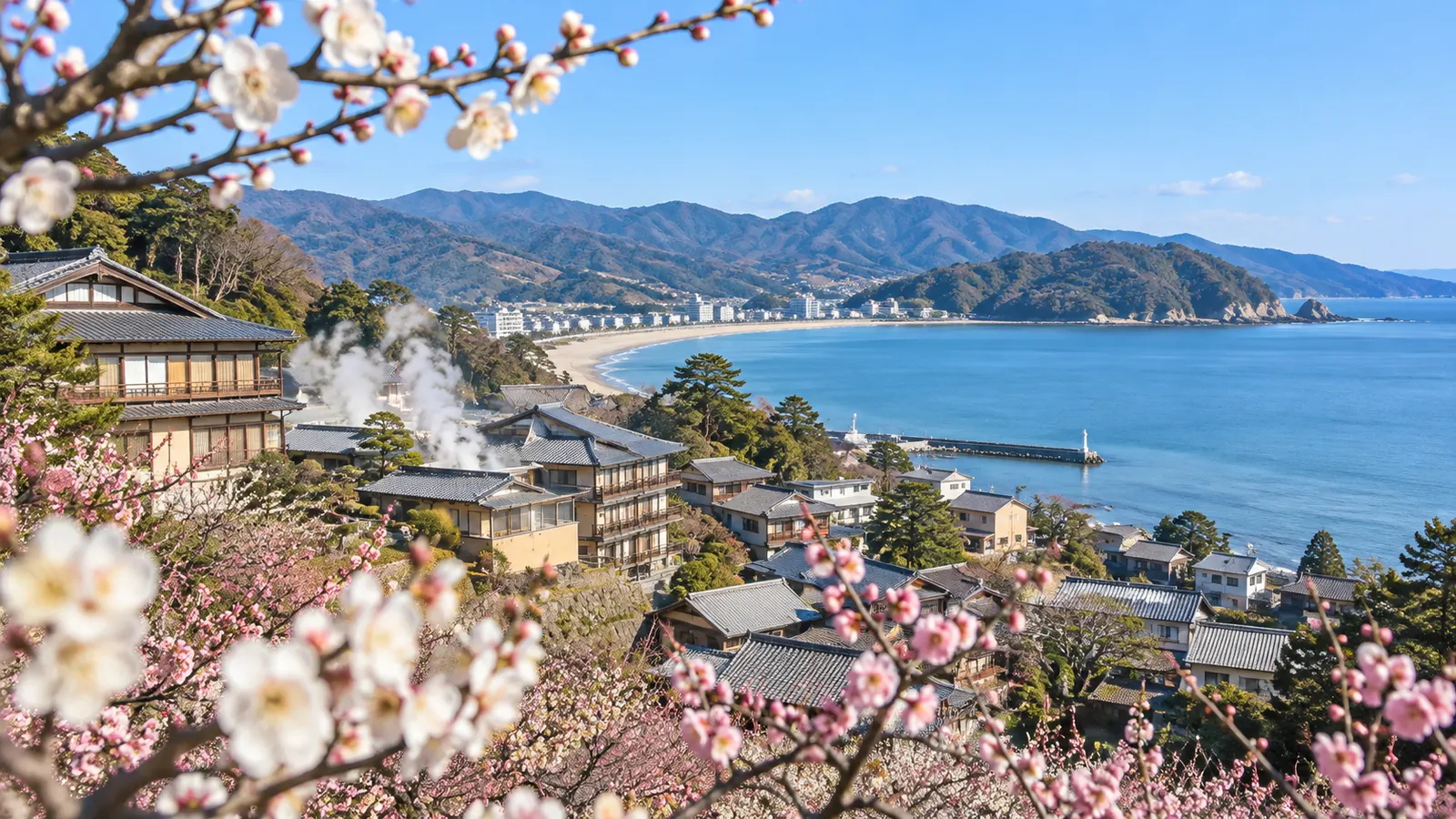
Atami Day Trip & Asakusa Sushi Class
Atami from Asakusa by bullet train or local line: the 2,000-year-old camphor, MOA Museum, early plum blossoms, winter fireworks and fitting in a sushi class.
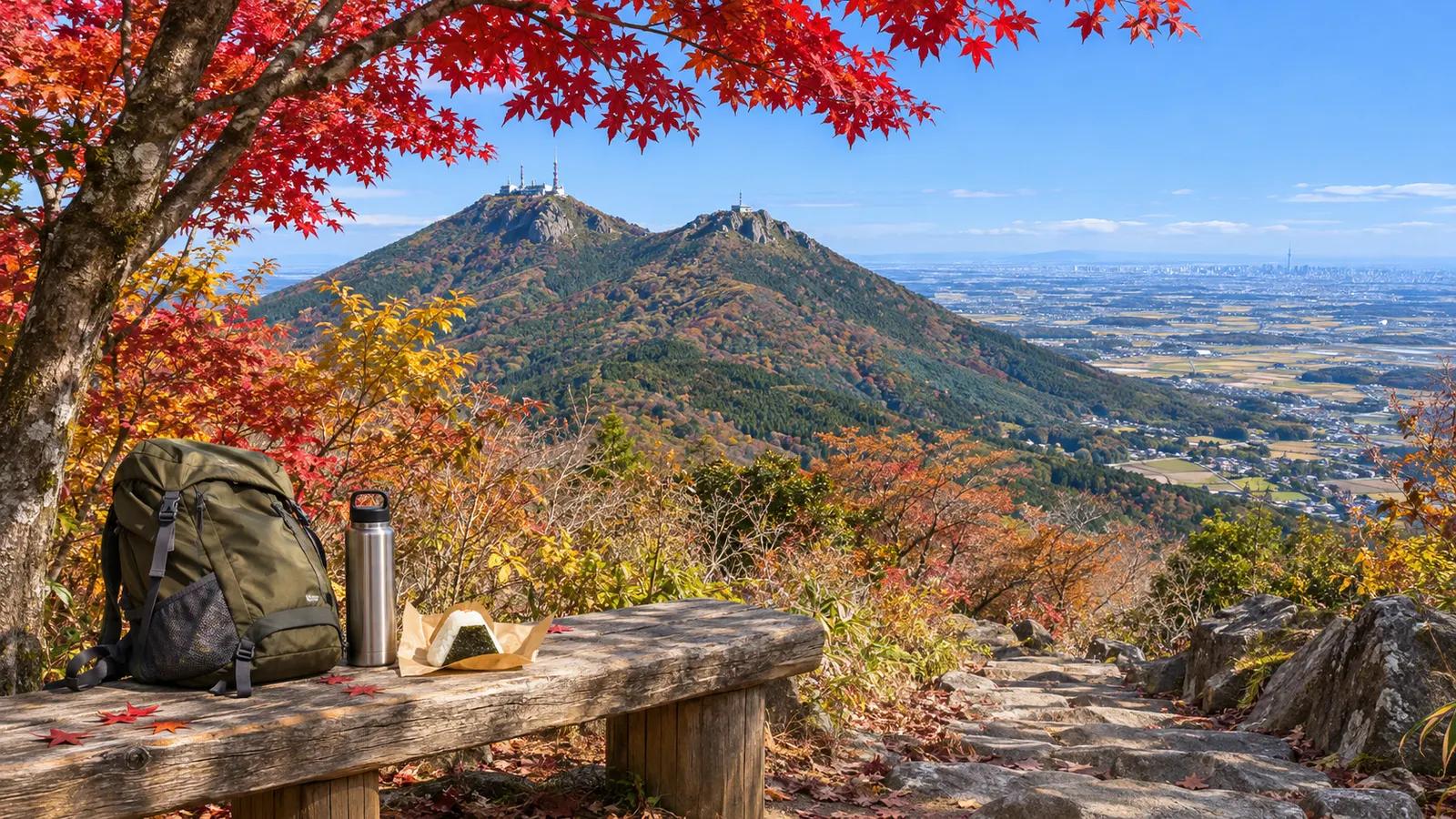
Mount Tsukuba Day Trip & Asakusa Sushi Class
Mount Tsukuba from Asakusa on the Tsukuba Express: the pass, shuttle bus, cable car, trails, autumn and winter events and how to fit in a sushi class.
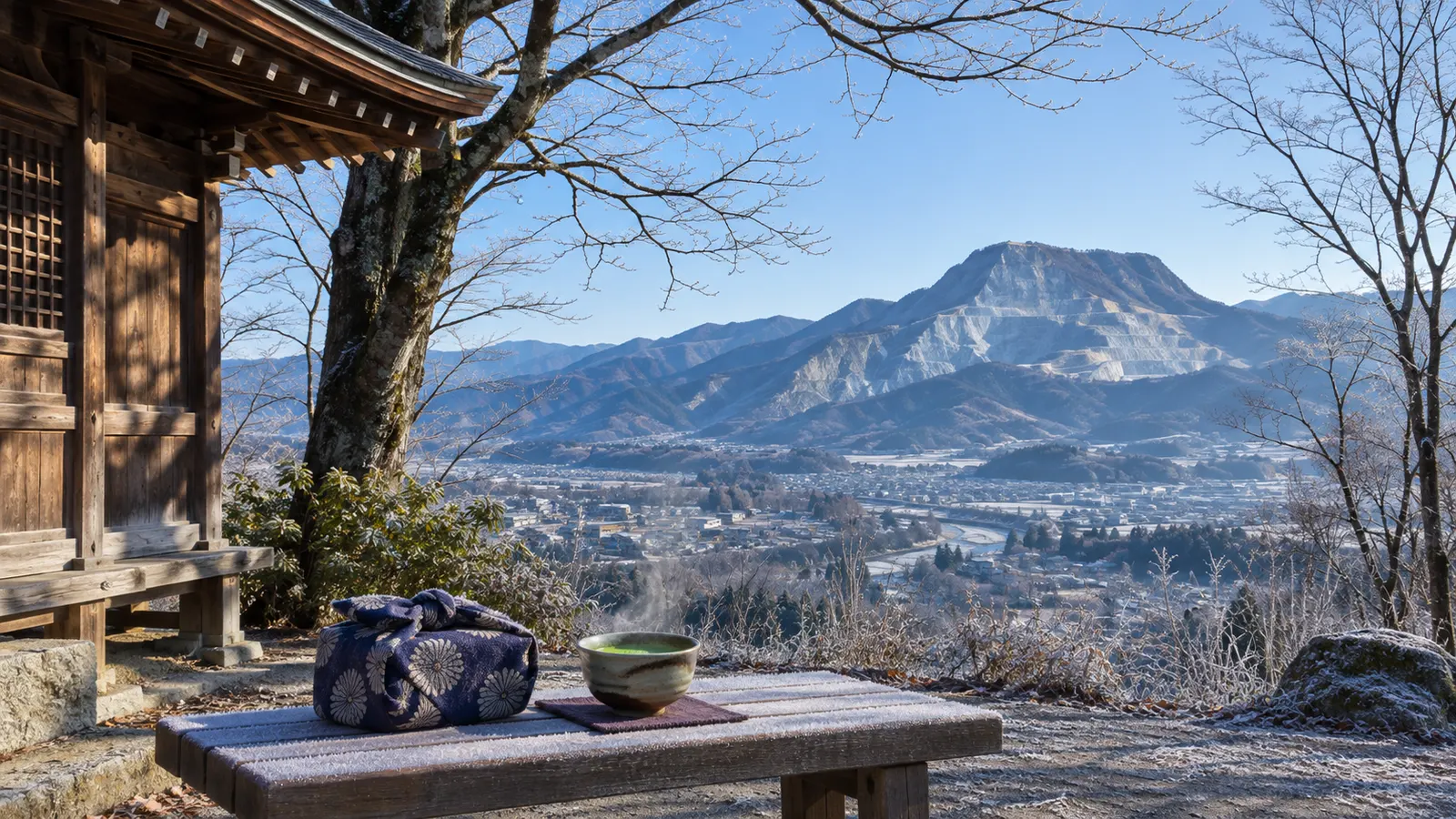
Chichibu Day Trip & Sushi Class in Asakusa
A Chichibu day trip from Tokyo: the Laview from Ikebukuro, sights by season, the December night festival and fitting in a sushi class.