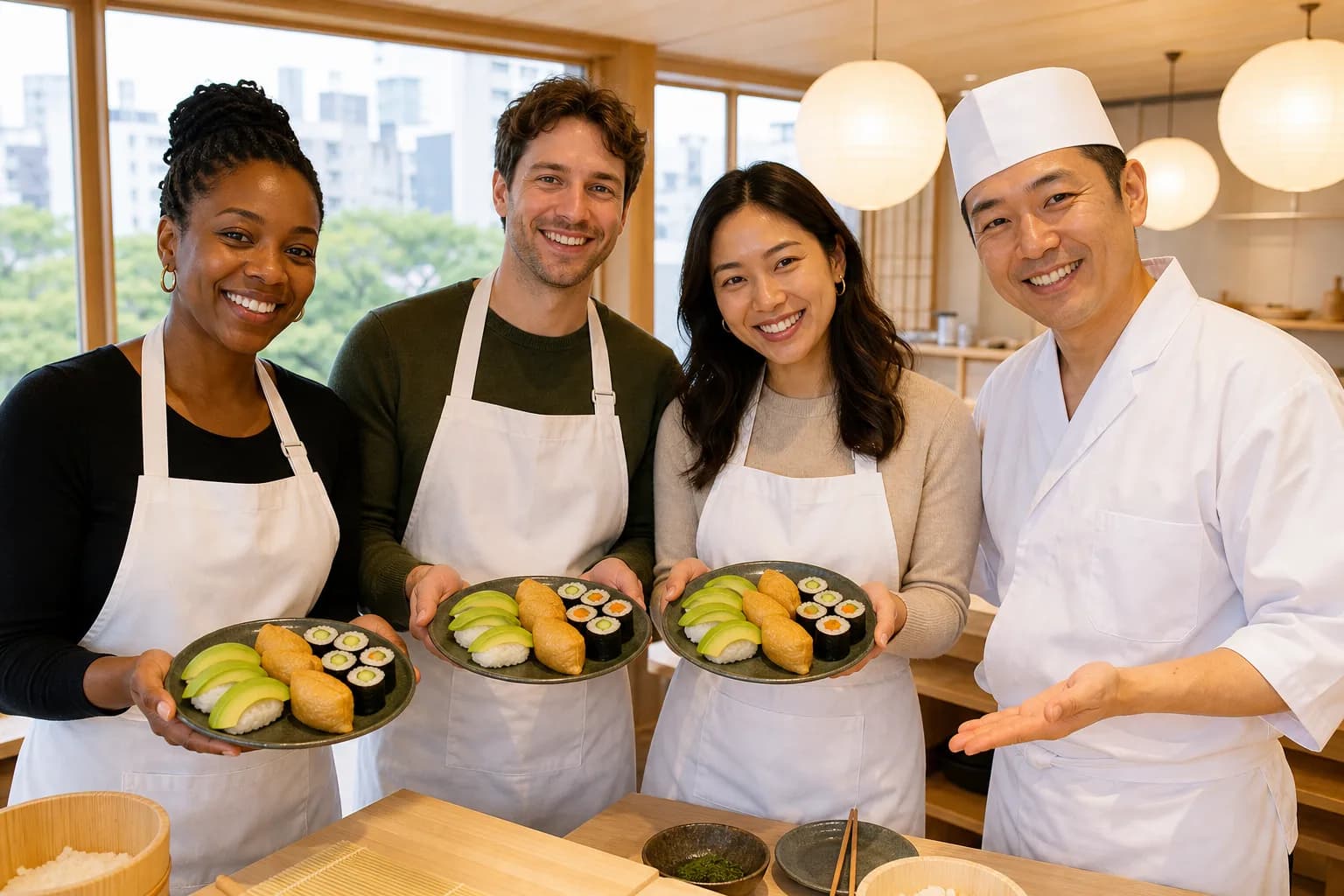
Vegan and Fish Sushi in One Group
A mixed-diet group should not have to split its Tokyo plans simply because some people eat fish and others follow a vegan diet. At Sushi Meets Matcha, the vegan option is a version of the same shared class, not a separate lesson at another venue. That makes one session possible, but it also means everyone should understand how the booking works before paying.
Popular in Tokyo right now — our most recommended experience
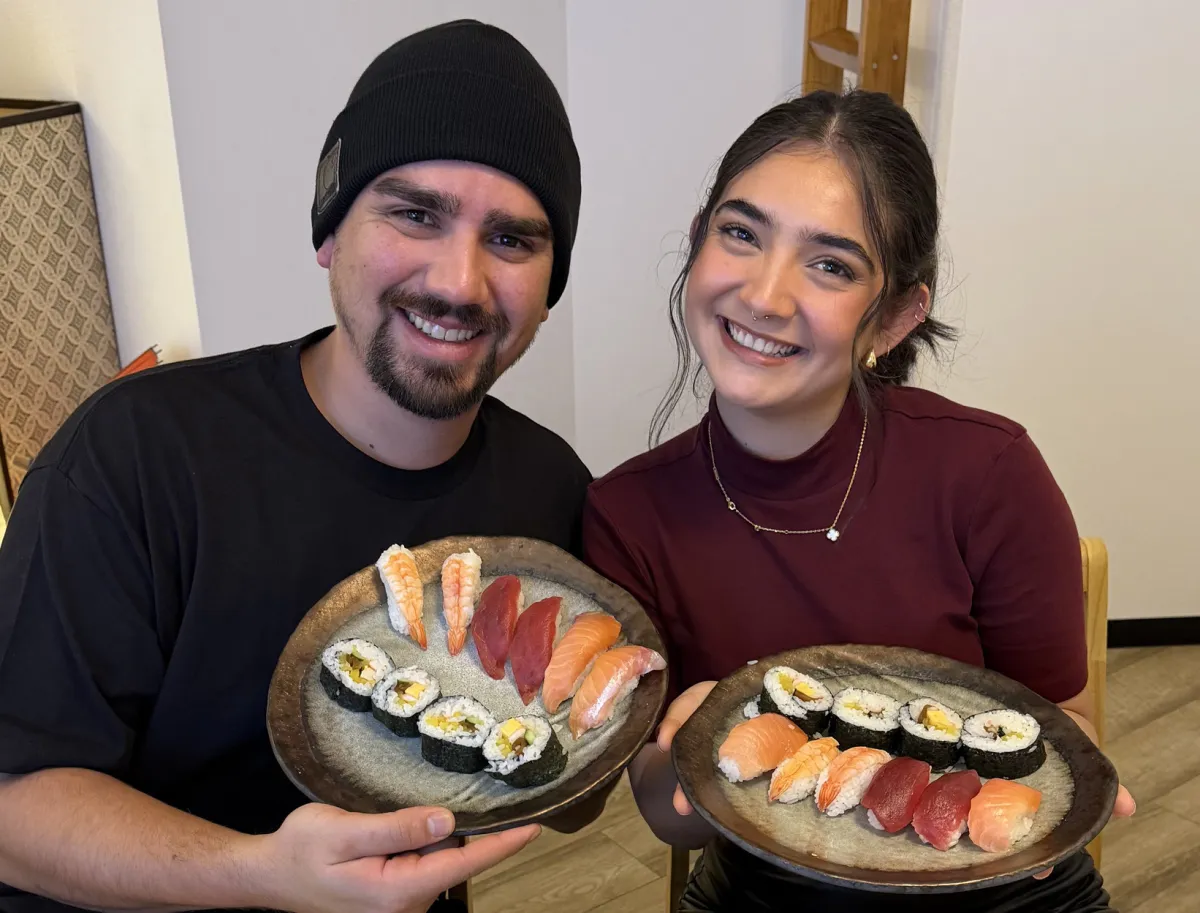
Tokyo Sushi Making Class : Sake Ceremony & Matcha Experience in Asakusa
The short answer
Vegan guests can join the same 90-minute shared session and learn with the same instructors as guests making regular sushi. The vegan guest's ingredients change: they shape plant-based nigiri and roll vegetable maki. The exact plant ingredients can vary with season and availability. The class also includes whisking matcha and a sake toast, with a non-alcoholic option available on request.
The current vegan sushi class is ¥12,000 per person and the listed session capacity is up to 20 people. Check the live booking page for the date and number of places you need; an article cannot confirm future availability.
What “the same shared session” means
Your party may sit in the same class while following different ingredient paths. Vegan participants may share a table or room with people handling fish. The instructors and overall sequence are shared; only the vegan ingredients change. This is useful for friends, couples or families who want one activity rather than parallel plans.
It is not a promise of a separate workstation, utensils, room or instructor. If separation matters for religious, medical or allergy reasons, do not infer it from the word vegan. Read the food-allergy booking guide and contact the team before booking so the exact need can be discussed.
Put each guest's needs in the booking
Before opening checkout, count the total party and note who needs the vegan menu, who wants the regular menu, and who wants the non-alcoholic toast. Submit dietary requirements with the booking instead of waiting until arrival. Use clear, person-by-person wording such as “two regular menus, one vegan menu; the vegan guest also requests the non-alcoholic option.”
Vegetarian, vegan and allergy requirements are not interchangeable labels. A person may avoid fish but eat other animal products; another may have an allergy that requires a different risk discussion. Ask each guest what they actually need. Our broader vegan class checklist explains the questions worth settling before choosing a date.
A practical booking order
First agree on one date and time. Second, confirm the party size and menu count. Third, place the dietary notes in the booking. Fourth, review the confirmation and raise any unanswered question before travel day. For a larger party, use the preparation list in our friends' group booking guide so names, numbers and requests stay together.
Do not book regular seats and assume the menu can always be changed on arrival. Advance notice gives the studio a chance to review the request. It does not guarantee every accommodation, so wait for clarification when a requirement is essential to participation.
One person should keep the final menu count with the reservation details, especially when friends are arriving from different hotels. If the party size changes, recheck both the live availability and the dietary breakdown instead of forwarding an old list. A clear count reduces ambiguity: the studio can see how many places you want and what each person expects, while the group can compare the confirmation with its own plan before travelling.
What everyone still shares
Different ingredients do not remove the social parts of the experience. The group learns the shapes and motions of nigiri and maki, eats what each person has made, joins the toast with an alcoholic or non-alcoholic drink, and whisks matcha. That shared rhythm is the main reason the mixed-menu option works well for travelling companions.
The menu should also be judged on its own terms. Plant-based sushi is not described as an imitation of a particular fish. Seasonal vegetables, rice, shaping and rolling create a different plate, while the hands-on techniques and class setting remain connected.
This also makes the choice easier to explain inside the group. Nobody needs to claim that the two plates are identical. The shared value is learning and eating together; the menu difference is visible and intentional. Guests who are comfortable with that distinction are a better fit for the shared format than guests who require a fish-free room.
Decide whether this format suits your group
Choose the shared vegan option when the group is comfortable learning alongside regular fish-sushi guests and wants one 90-minute activity. Ask before booking if anyone needs separation, has a serious allergy, or requires an arrangement not shown on the product page. If the answers work for everyone, select the live date and seats on the vegan sushi class page, enter the dietary breakdown clearly, and keep the confirmation with your Tokyo itinerary.
Related Articles
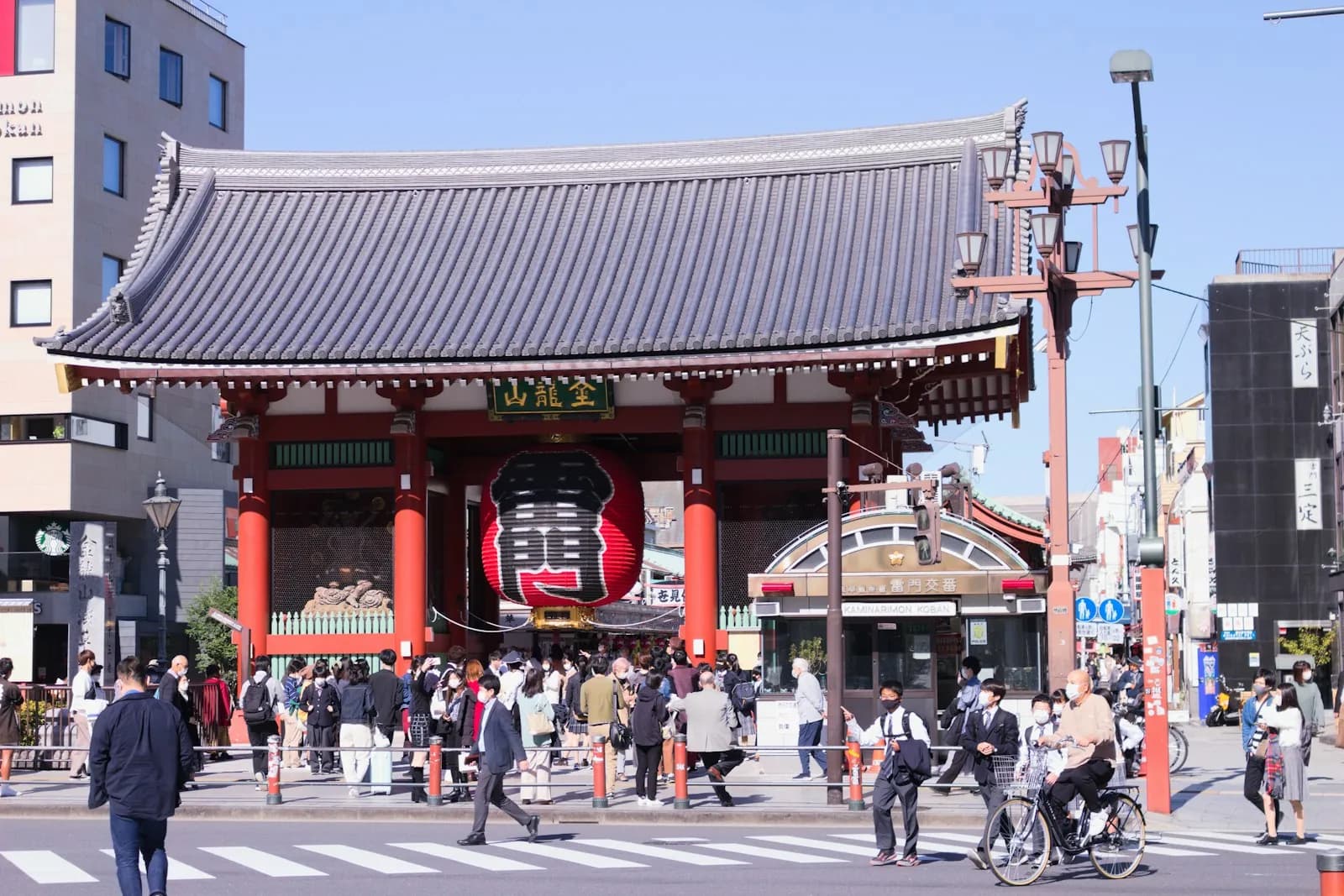
From Asakusa Station to Your Sushi Class
Choose the right Asakusa Station exit, allow a realistic buffer, and arrive at your sushi class ten minutes before it starts.

Wheelchair Access at a Tokyo Sushi Class
Plan a wheelchair-accessible sushi class in Asakusa: what the studio confirms, what to ask, and how much arrival time to allow.
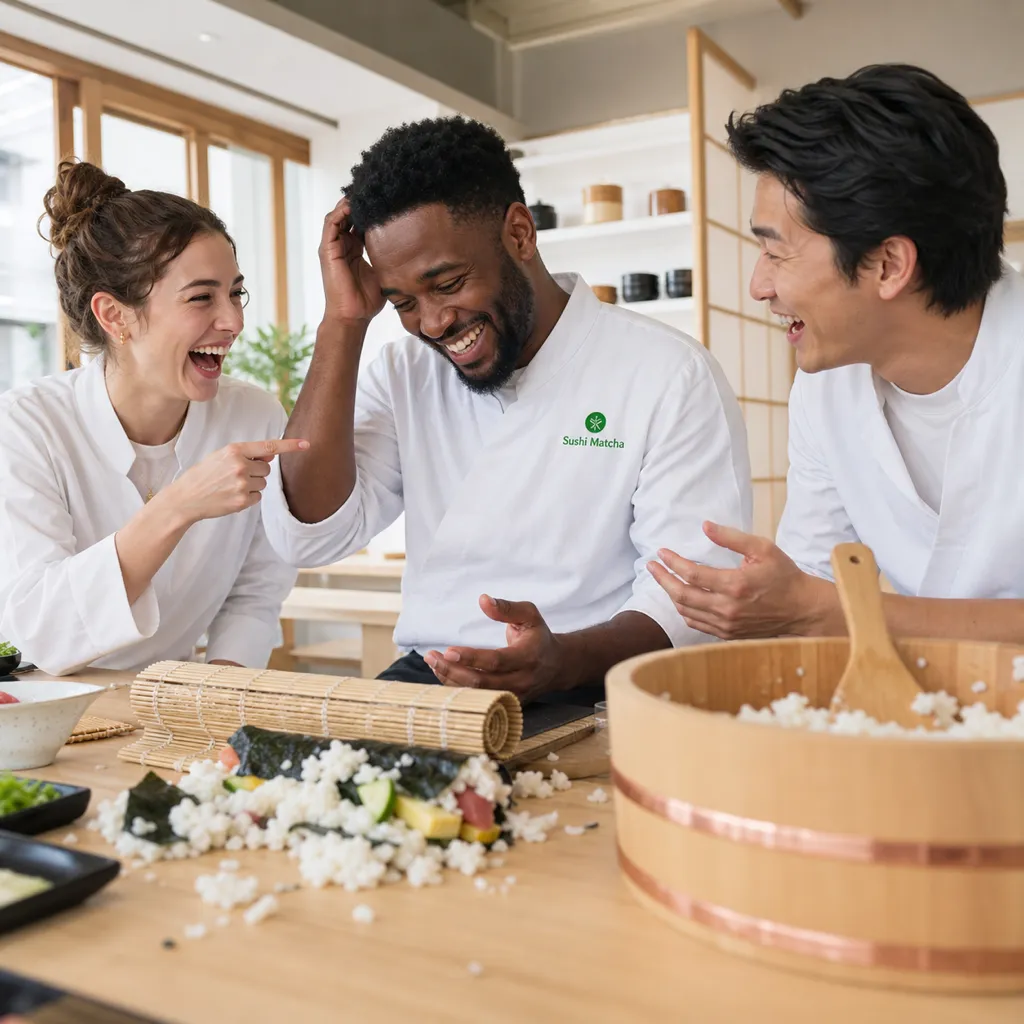
Booking a Tokyo Sushi Class for a Group
Organising a sushi class in Asakusa for friends? Here is the information to collect from everyone first, and how to keep the whole party in one session.