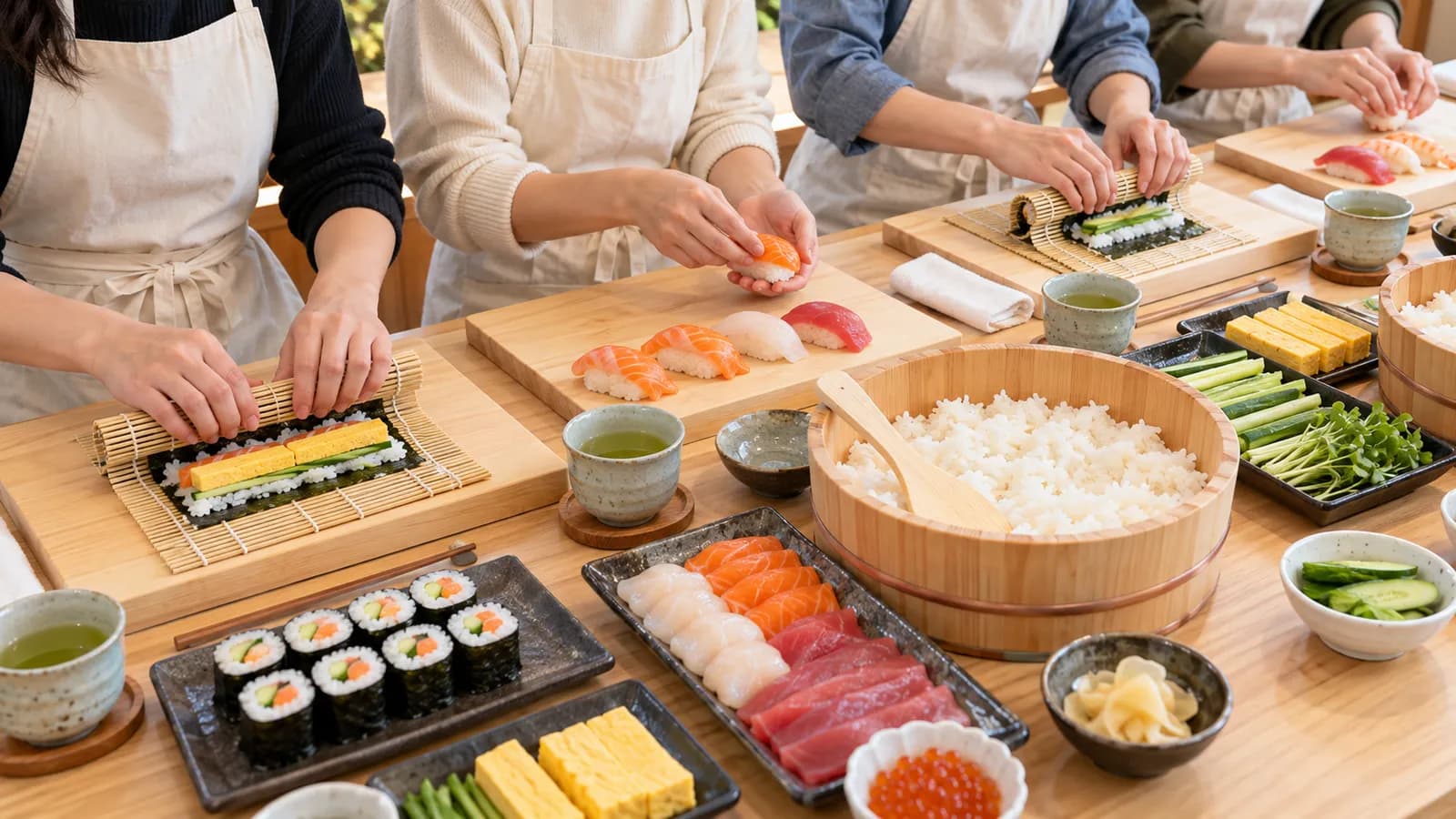
Sushi Class for a Student Group in Tokyo
Teachers, study-abroad coordinators and student tour leaders often look for one hands-on cultural activity in Tokyo that every participant can actually do, not just watch. A sushi class fits that brief well: everyone works at their own station, the skills are learnable in one session, and the result is a meal. Planning it for a student group is different from booking for a few friends or a family, though. You are responsible for minors or young adults, you need numbers and dietary information from many people, and your institution may need paperwork.
This guide is for the person organising the trip. It covers group size, ages and the sake toast, dietary information, payment and paperwork, and timing. Where our published information does not answer a question, we say so, and the right step is to ask before booking.
Popular in Tokyo right now — our most recommended experience
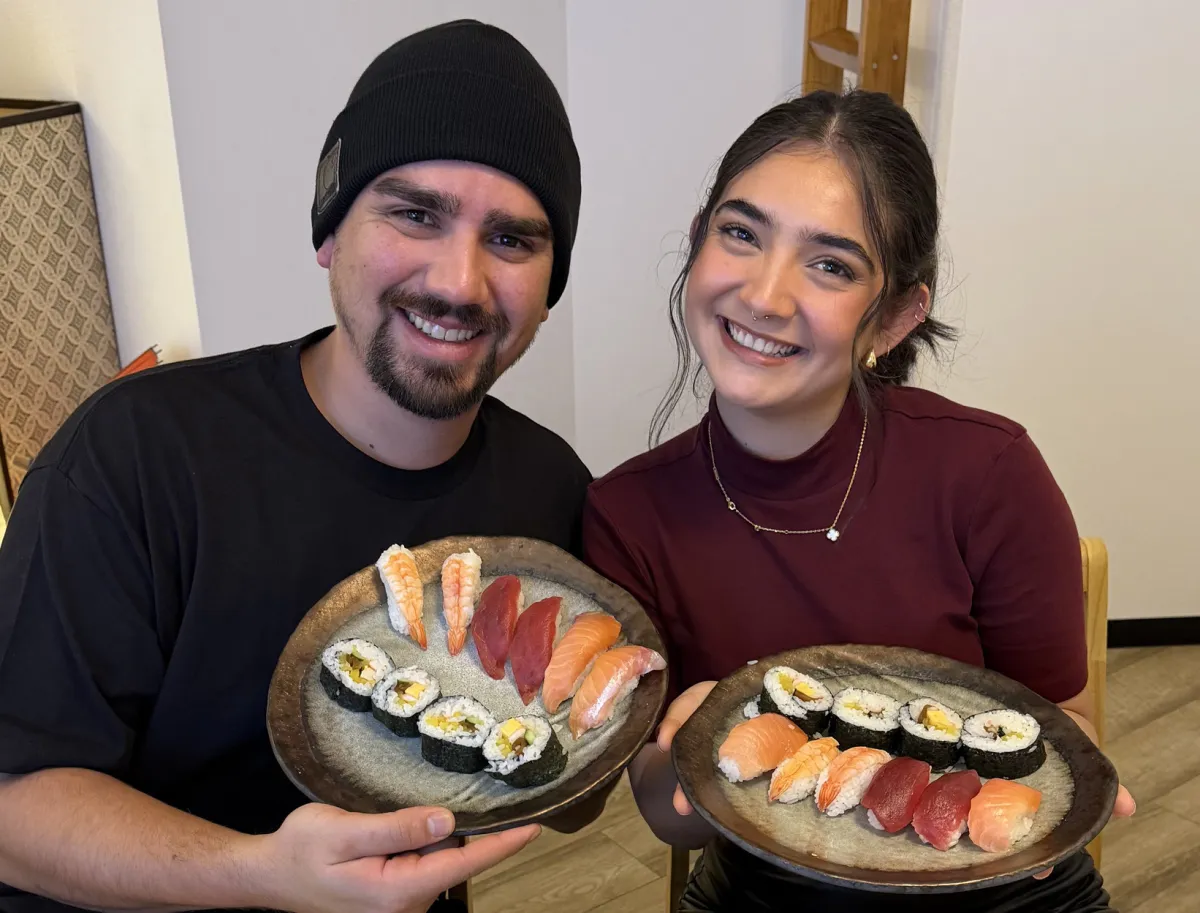
Tokyo Sushi Making Class : Sake Ceremony & Matcha Experience in Asakusa
How many students fit in one session
Our studio holds up to 20 guests per session. That is the true maximum; we do not overbook. For groups of 21 to about 60, the usual approach is to run back-to-back or parallel sessions, and we propose a schedule once we know your headcount.
Remember to count the adults. Teachers and chaperones who take part are participants and take a place each. If you have 20 students and two teachers who want to make sushi, that is 22 people, and you need to plan for more than one session or decide who will take part.
For groups of 8 or more, book 3 to 4 weeks ahead, and earlier in the busiest seasons: late March to April for cherry blossoms and late April to early May for Golden Week. The group class page shows the format and lets you send a request.
Ages, the sake toast and supervision
Children aged 4 and above can take part, so age is rarely a barrier for school groups. On the booking page, ages 4 to 12 have their own ticket category, and guests aged 13 and over are booked as adults.
The signature class includes a sake toast, and adults can have refills. The legal drinking age in Japan is 20, and it applies to visitors too, including university students from countries where 18 is the legal age. Water and Japanese green tea are included, so students under 20 take part in the toast with a non-alcoholic drink. Tell us the ages in your group when you request a booking. If your institution's rules require that no alcohol is served to anyone in the group, including adults, raise that in the request; a private session for your group is the setting where that can be discussed, and you should wait for a written answer rather than assume it. Our guide to a sushi class without drinking alcohol explains how the non-alcoholic option works in a shared session.
Our published information does not set a staff-to-student ratio, and it does not cover students under 18 attending without a responsible adult. Plan for your own chaperones to stay with the group, and confirm any specific requirement from your school in advance.
Collect dietary information before you request
A student group usually includes several dietary needs. We regularly host groups with mixed requirements: vegan, vegetarian, halal-conscious menus, gluten-free soy sauce, no-raw-fish options and allergy alternatives are all possible with advance notice. A fully plant-based menu can be served in the same session as the regular menu.
To make this work, send one consolidated list rather than asking students to contact us individually:
- the number of people with each need (for example, 3 vegetarian, 1 no raw fish);
- every food allergy, with the allergen named;
- any severe allergy, flagged clearly, because the studio cannot guarantee a fully allergen-free kitchen.
Our studio is not halal-certified, so check our halal guide if that matters for your group. For a group where needs vary widely, our guide to a mixed-diet group shows how to present them.
Payment, invoices and paperwork
Online bookings are paid by credit card at the time of booking. For private classes and special arrangements, bank transfer is also available. For organisations, we issue a formal quotation, usually within one business day of a request, and we can issue invoices and receipts in the organisation's name. If your school or university needs a particular format, a purchase order number or a named payee, include it in your request.
For booked organisational events, the terms on your quotation apply. As a reference, our corporate bookings can be cancelled free of charge until 8 days before the event, and headcount can be adjusted until 3 days before. Do not assume the same terms for a school booking; check what your quotation says. Online bookings for the regular class follow the standard rule: free cancellation up to 24 hours before the class.
Photos of students
Photos and videos are welcome in the class, and instructors are happy to take group shots. Many schools have their own rules about photographing minors and sharing images. Brief students on your school's policy before the class, and if any students must not appear in photos, tell the instructors at the start so group shots can be arranged around them.
Building the day around the class
The class takes about 90 minutes and is a full meal, so schedule it in place of lunch or dinner rather than in addition to it. Our studio is about 30 seconds on foot from the North Exit of Tobu Asakusa Station, and two minutes from Exit 7 of the Tokyo Metro Ginza Line. Ask everyone to arrive 10 minutes before the start; with a large group, meet at the station and walk over together. We have space to store bags.
Asakusa makes the rest of the day easy for a group: Senso-ji and Nakamise are a short walk away, and Tokyo Skytree and the Sumida River are close by. If students have free time afterwards, our guide to Senso-ji and a sushi class on the same day suggests a walking route.
A short checklist for organisers
- Confirm the total headcount, including participating adults.
- Note everyone's age, especially anyone under 20.
- Collect one consolidated list of dietary needs and allergies.
- Decide whether your institution needs a private session or alcohol-free conditions.
- Prepare the invoice details your finance office requires.
- Send a request through the group class page or contact us, and wait for written confirmation before finalising your itinerary.
Related Articles
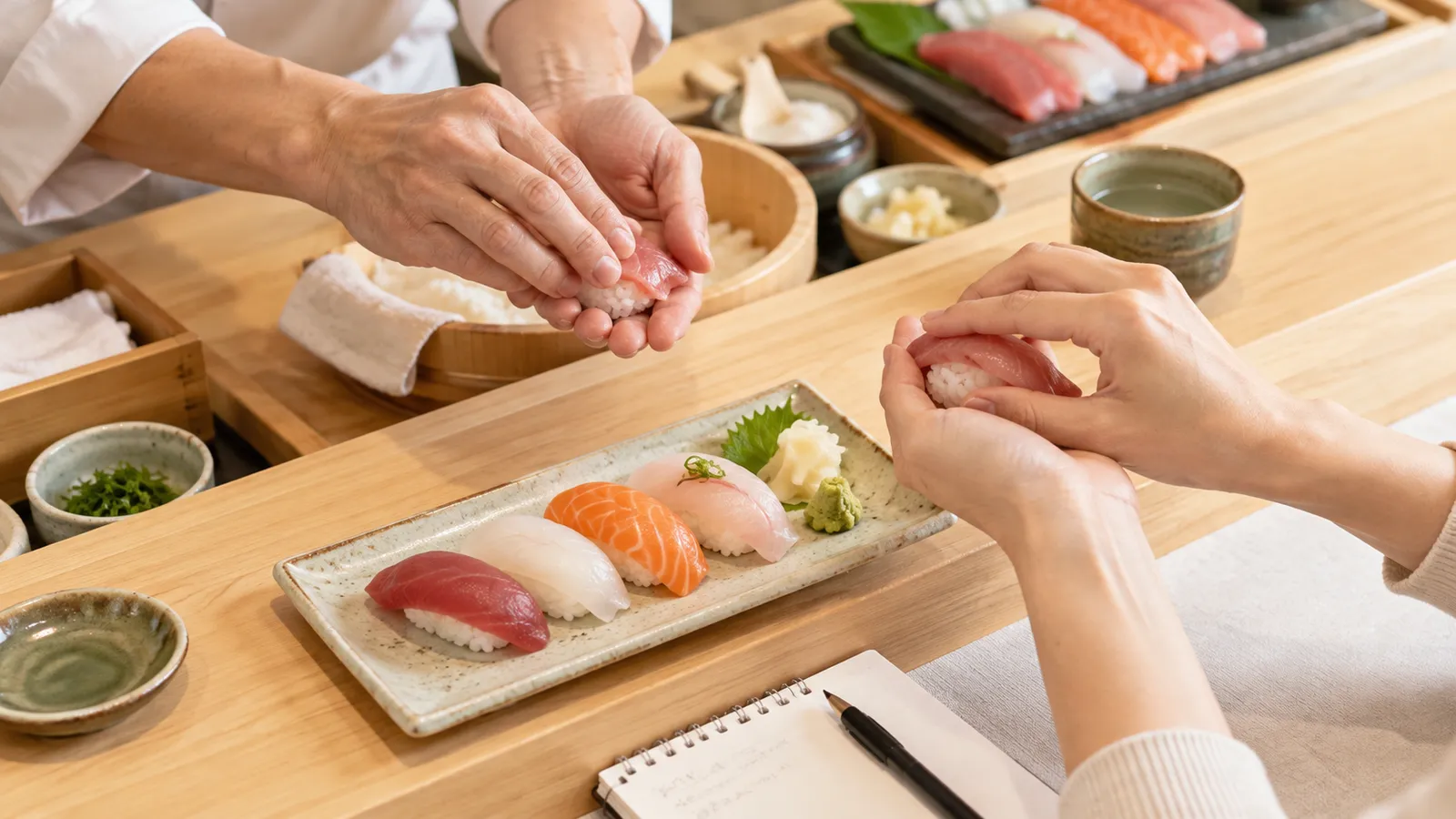
Deaf or Hard of Hearing at a Sushi Class
Deaf or hard of hearing and booking a Tokyo sushi class? What is shown versus spoken, studio sound, interpreters, and what to tell us before you book.
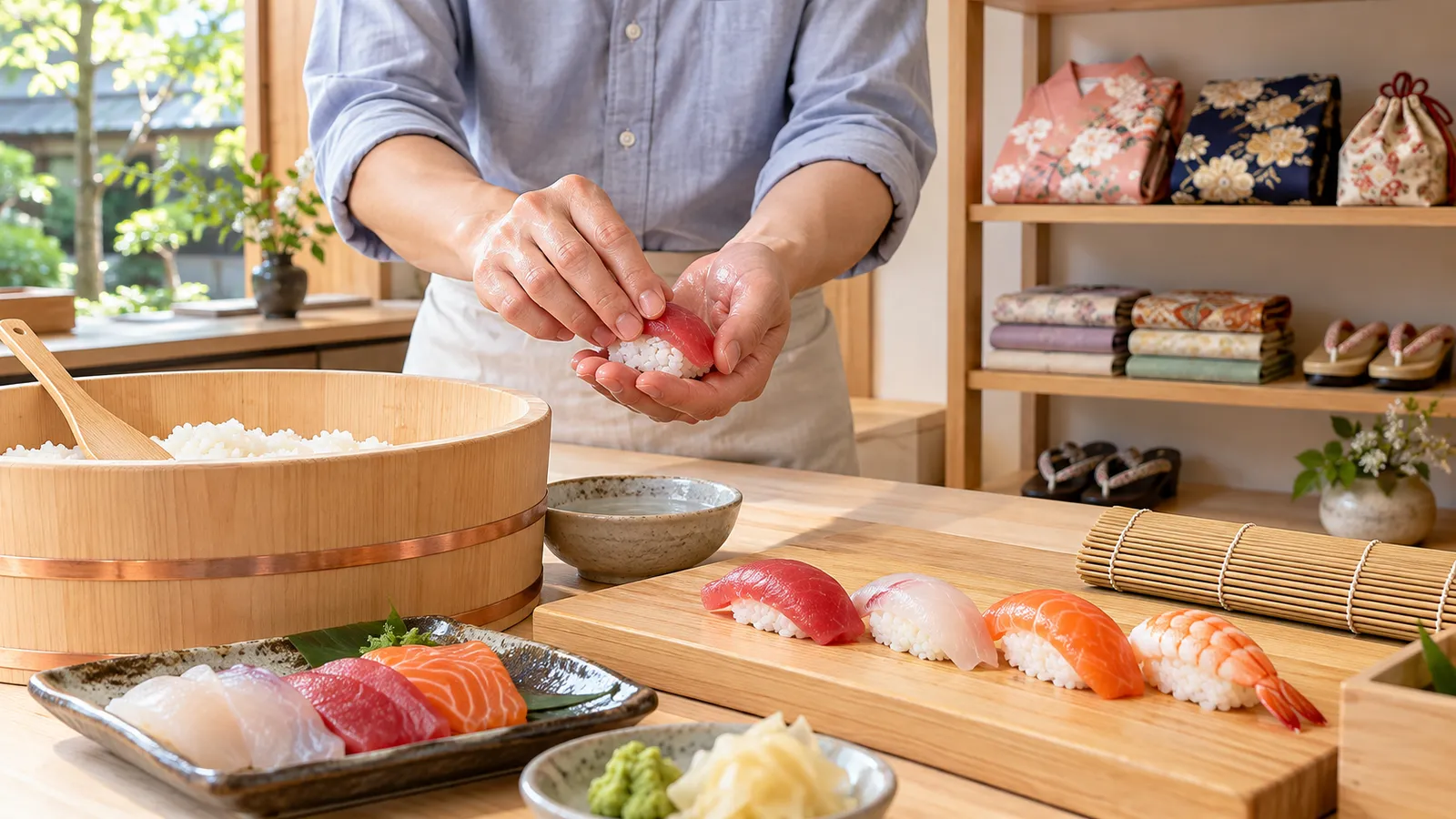
Kimono Rental or a Sushi Class in Asakusa?
Kimono rental or a sushi class in Asakusa? Compare time, cost and what you take home, and see how to fit both into one day without sleeves in the rice.
Sensory-Friendly Sushi Class in Tokyo
Sensitive to noise, crowds or sticky textures? What a Tokyo sushi class involves, how a private session differs, and what to ask us before you book.