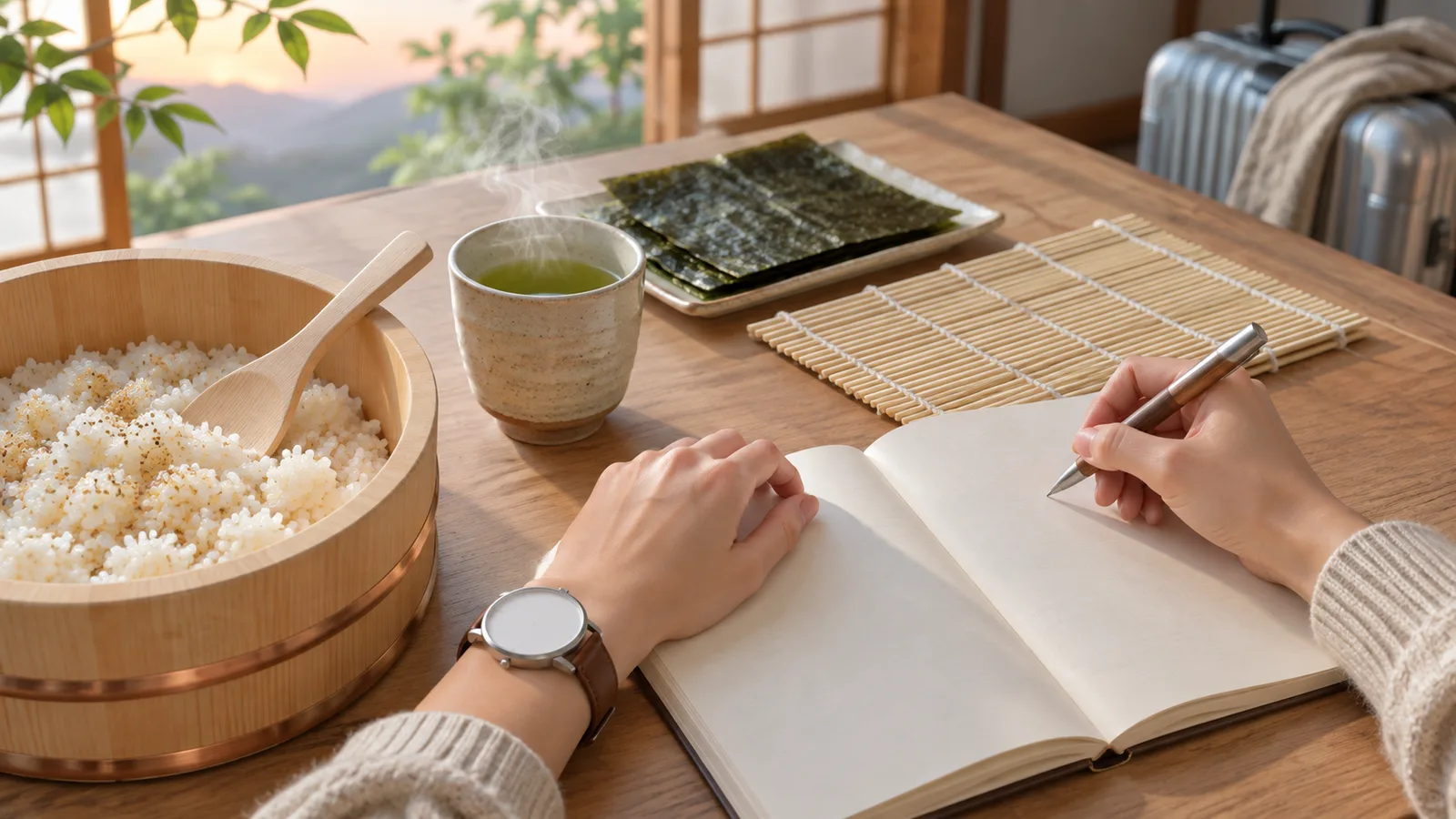
Jet Lag in Tokyo: Which Day to Book a Class
If you fly a long way to Tokyo, your body arrives on a different clock from the city. You may be wide awake at 4 a.m., fading by mid-afternoon, or hungry at odd hours. That matters more for a hands-on cooking class than for a museum visit. You will be standing, following instructions in a group and using your hands for about an hour and a half.
This guide explains how jet lag affects a sushi class, which day of a trip tends to work best, and how to choose between a morning and a later session. It is general travel planning, not medical advice.
Popular in Tokyo right now — our most recommended experience
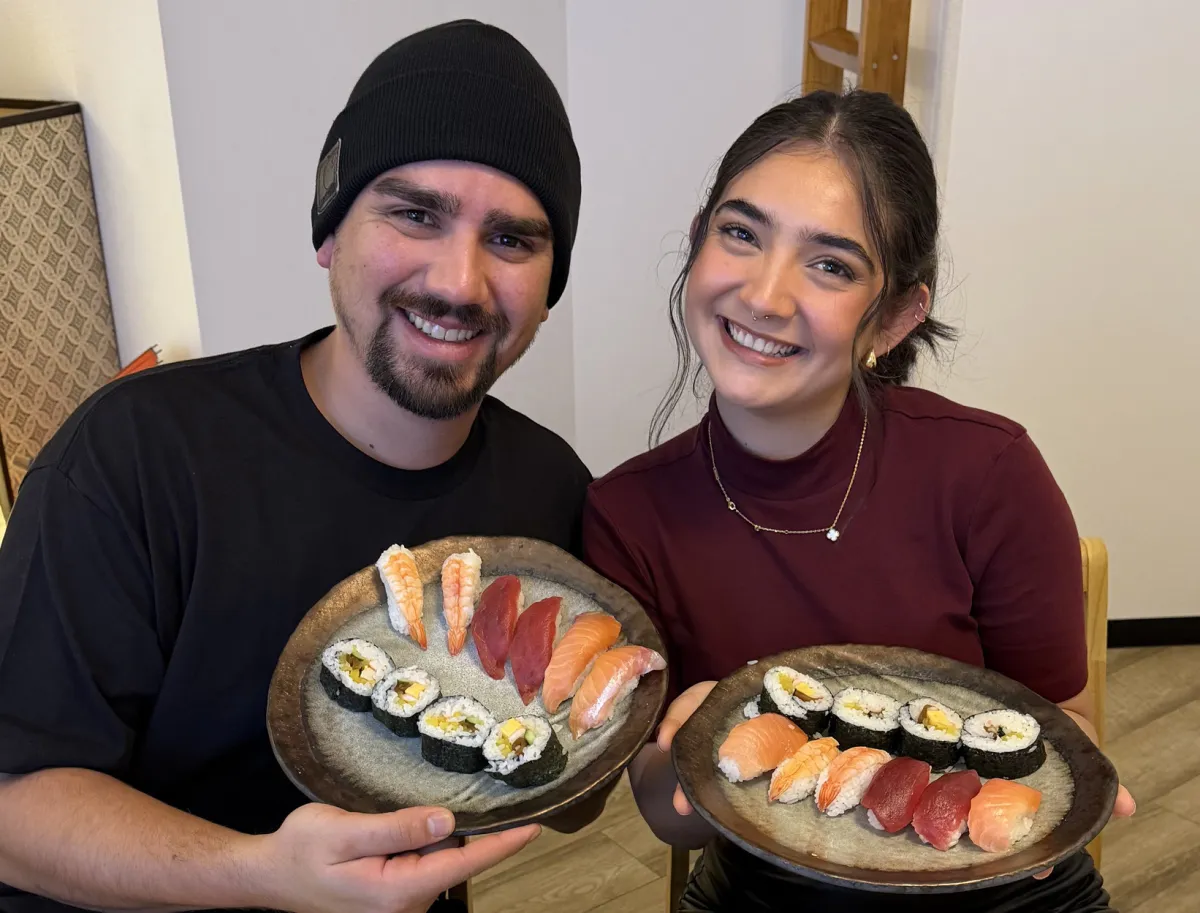
Tokyo Sushi Making Class : Sake Ceremony & Matcha Experience in Asakusa
Why jet lag matters for a cooking class
Most of a sushi class is gentle, but it does ask for attention. You listen to the instructor, watch a demonstration, then repeat the movement yourself: wetting your hands, shaping rice, placing the topping, rolling maki. At the end you sit down and eat what you made.
When you are very tired, three things get harder:
- Concentration. It is easy to miss a step in a demonstration when you are fighting sleep.
- Appetite. The class is a real meal. If your body thinks it is 2 a.m., you may not enjoy it.
- Timing. A late arrival after a slow morning eats into the session, and a 90-minute class does not stretch to fit.
None of this means you must wait days. It means picking a slot when you are likely to be alert and hungry.
Which day of the trip works best
Arrival day: only with a lot of spare time
Booking a class on the day you land is the riskiest option. Flights are delayed, immigration queues vary and the journey from Narita or Haneda takes time. You will also be at your most tired. If arrival day is the only possible day, choose a session late enough to leave several hours between your landing time and the class, and read our guide to visiting with luggage before check-in, since you may still have your bags.
Day two or three: often the sweet spot
For many travellers, the second or third day works best. You have slept at least one night in Tokyo, your bags are at the hotel and you know your way around a little. Your sleep pattern may not be settled yet, but you can usually predict when you will be awake.
There is a second advantage. Learning to make nigiri early in the trip helps you notice more at restaurants and markets for the rest of your stay. Our article on what you learn in a sushi class explains the skills you take with you.
Later in the trip: easy, but less flexible
A class near the end of your stay is the most relaxed choice for jet lag. The trade-off is flexibility. Our standard terms allow free rescheduling if you contact us at least 24 hours before the class, subject to availability, but if the class is on your last full day there may be no later date left to move to. If you book late in the trip, keep at least one spare day after it. For a class on departure day, our guide to a sushi class before your flight covers the timing.
Morning or later session?
Where you flew from often decides this.
If you came from the Americas, you may wake very early for the first days. A morning session can turn that into an advantage. The earliest regular session of the signature sushi and matcha class currently starts at 10:00, and the morning onigiri class starts at 8:00 and lasts about 60 minutes. Our guide to an early onigiri morning in Asakusa shows how to build the rest of the morning around it.
If you came from Europe, you may find the opposite: sleepy in the morning and awake late at night. A midday or afternoon session usually suits this better than the first slot of the day.
Session times vary by day. Check the live calendar for the exact start times on your dates rather than assuming a particular time is available.
Treat the class as a meal
You eat everything you make, so plan the class as a meal rather than a snack. Jet lag often shifts your hunger, so a few simple habits help:
- Have a light breakfast or skip the big hotel buffet before a midday class.
- Bring water, especially after a long flight.
- Do not plan a large meal straight afterwards.
Our guide to planning meals around a sushi class has sample days.
Practical tips for the day
- Arrive 10 minutes early. This gives you time to store belongings and wash your hands. Allow extra time if you are still finding your way around.
- Set two alarms for a morning class, including one set in Tokyo time.
- Wear comfortable clothes with sleeves you can roll up. See what to wear and bring.
- Plan something gentle afterwards. A walk to Senso-ji, about five minutes from the studio, is easier than a full afternoon of sightseeing when you are tired.
When plans change
Long-haul trips change. If a delayed flight or a bad night means you cannot make it, contact us as soon as you know. For confirmed direct bookings, our standard terms allow free cancellation up to 24 hours before the class and free rescheduling if you contact us at least 24 hours before the original time, subject to availability. Within 24 hours, cancellation carries a 100% charge, and no-shows are not refunded. Always check the terms shown with your own reservation. Our guide to cancelling or rescheduling a class explains what to include in your message.
A simple rule of thumb
- Arriving from far away: book day two or three, not the day you land.
- Waking early: choose a morning session.
- Sleepy in the mornings: choose a later session.
- Last days of the trip: fine, but keep a spare day after the class.
When you know your landing date and how you usually handle jet lag, open the Asakusa sushi making class with matcha and pick the session that suits your clock.
Related Articles
Tokyo Disney and a Sushi Class: Plan Both
Planning Tokyo Disneyland or DisneySea and a sushi class in Asakusa? See why separate days work best, how far apart they are and which session suits families.
Ikebukuro and a Sushi Class in Asakusa
Staying in Ikebukuro? How to reach a sushi class in Asakusa, how long it takes, and two ways to fit Sunshine City, Myonichikan and Zoshigaya into one day.
Shinjuku Gyoen & a Sushi Class in Asakusa
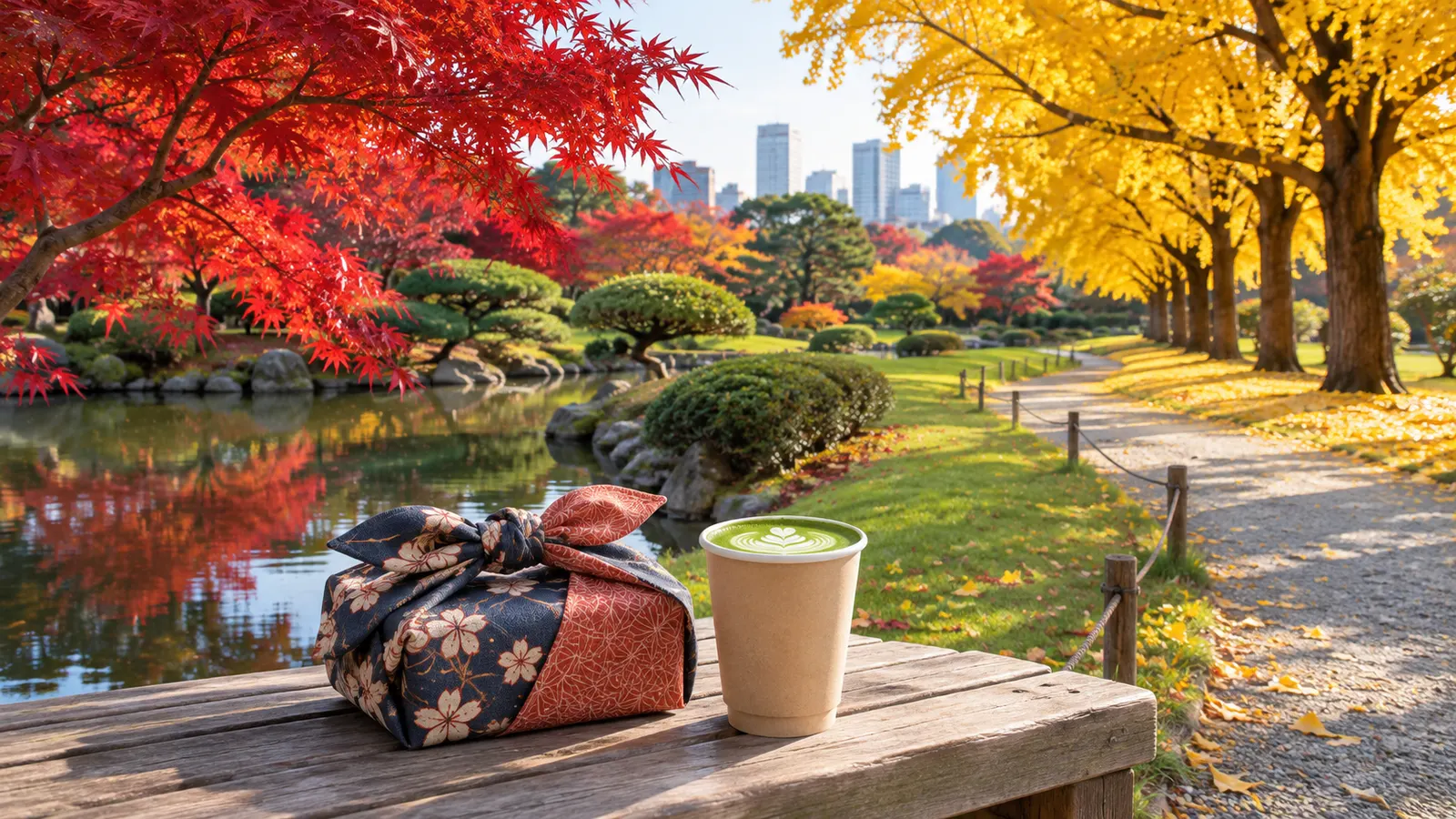
Plan a day with Shinjuku Gyoen's autumn maples and a sushi class in Asakusa: opening hours, the train between them and three timings that work.