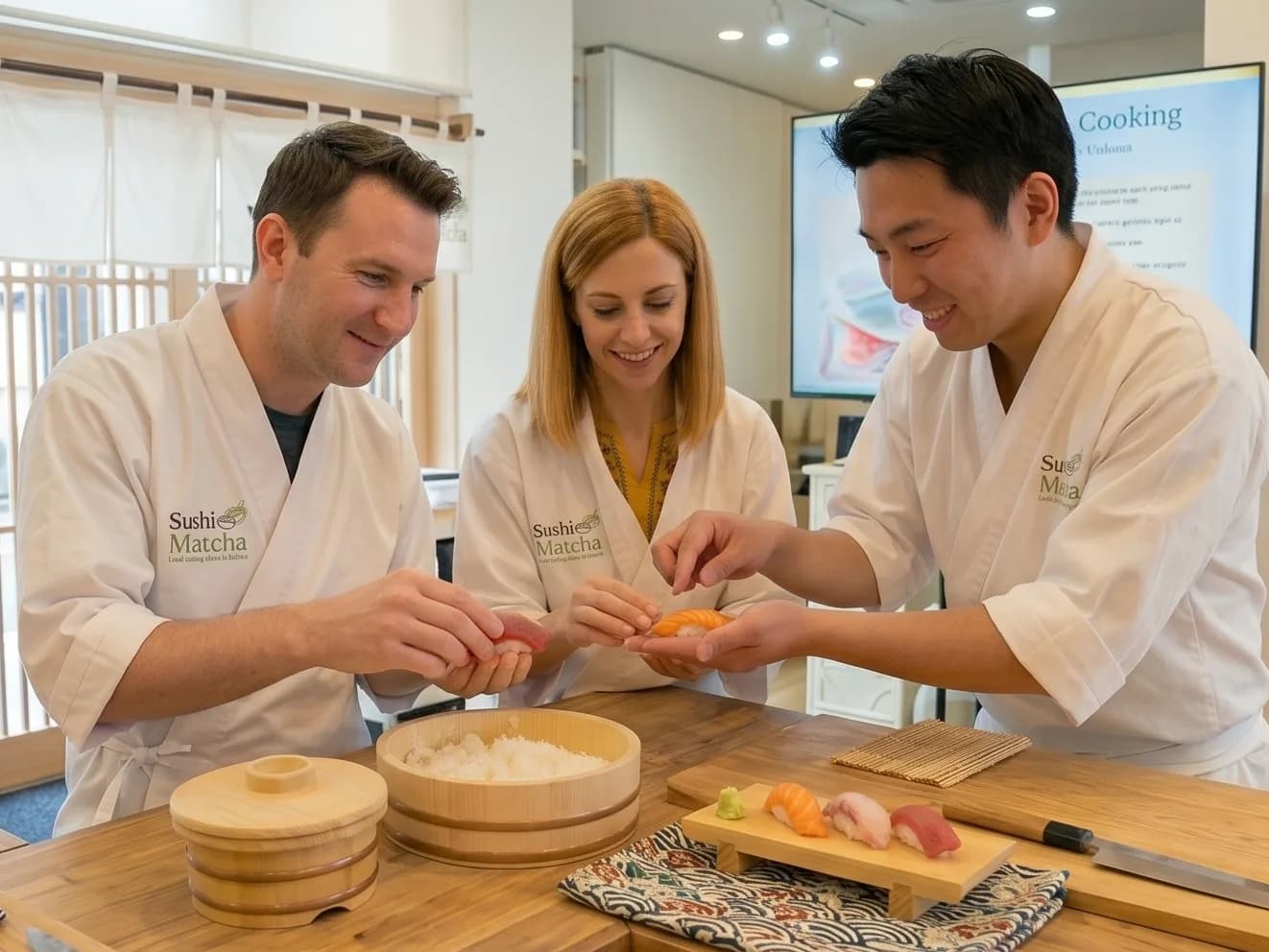
Skills Beginners Learn in Tokyo Sushi Class
What will you actually be able to do after a 90-minute sushi class in Tokyo? That is a more useful question than how many pieces you will make. A short visitor class cannot turn you into a sushi chef, but it can leave you with abilities you did not have before: judging how firmly to press rice, telling the nigiri and maki movements apart, whisking a bowl of matcha and practising one element at a time once you are home.
This guide describes those outcomes for Sushi Matcha’s signature sushi and matcha class in Asakusa. The session is designed for complete beginners, taught with English support and covers nigiri, maki, a sake toast, eating your work and whisking matcha.
Popular in Tokyo right now — our most recommended experience
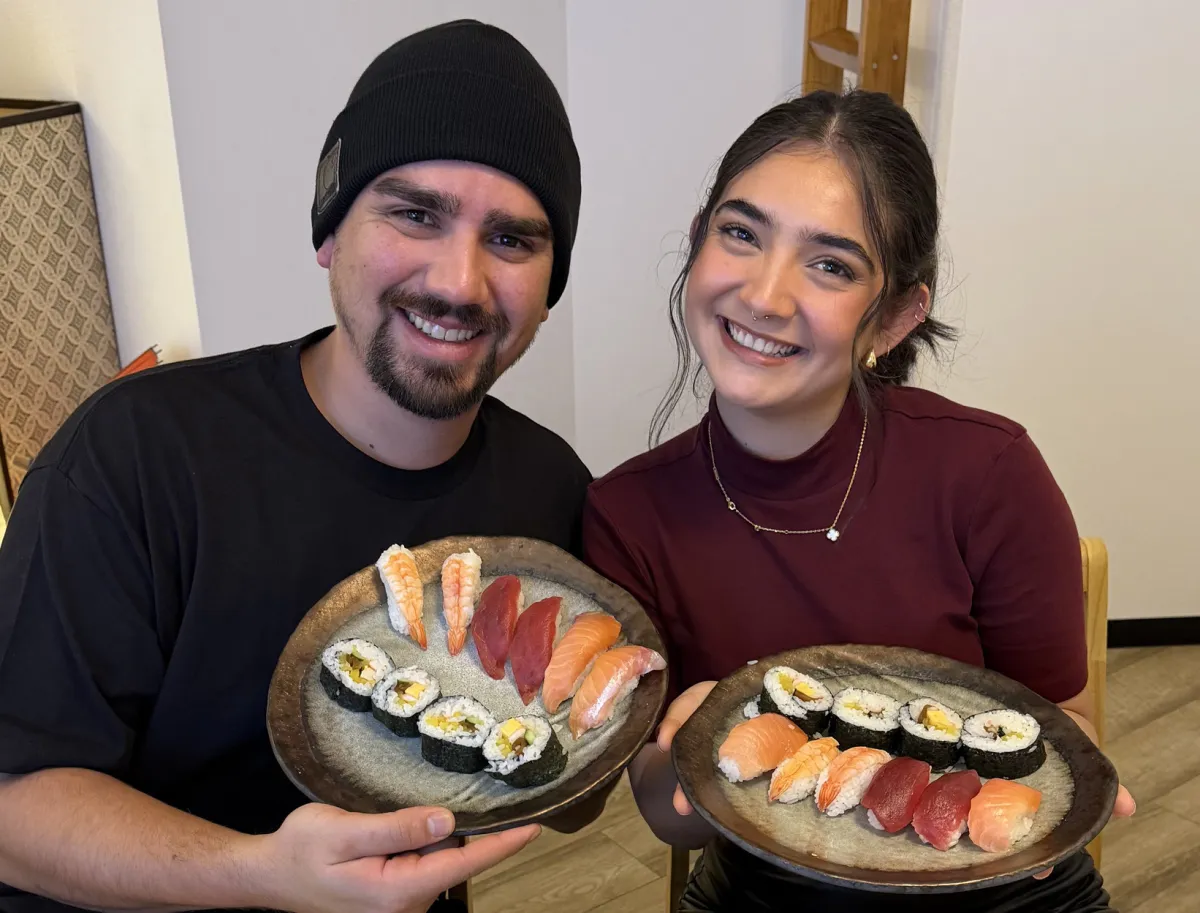
Tokyo Sushi Making Class : Sake Ceremony & Matcha Experience in Asakusa
Learn how to handle sushi rice gently
The first transferable skill is pressure. Sushi rice must hold together without being squeezed into a dense block. During guided practice, beginners learn to portion and shape it with lighter, more deliberate movements than they often expect.
This is an introduction to touch and form, not mastery of rice production. Rice variety, washing, cooking, cooling and seasoning each affect the result at home. The class gives you a reference point for the correct feel; repeating it later requires suitable ingredients and practice.
Understand the difference between nigiri and maki
Nigiri and maki ask for different movements. Nigiri is shaped in the hands and balanced with a topping. Maki uses nori and a rolling sequence to keep rice and fillings together. Learning both in one session helps beginners see why “making sushi” is not one universal technique.
The aim is to follow a demonstrated process and make your own plate. The session does not claim to cover every sushi style, break down whole fish or teach professional knife work. For the exact food-and-drink sequence, see what you make in the sushi and matcha class.
Practise presentation, timing and attention
Making the pieces is only part of the work. Participants arrange the finished sushi before eating it, which introduces the idea that spacing, colour and order affect how food is presented. You also practise moving through steps in sequence while sharing a table with other guests.
Those are modest but useful cooking habits: watch a demonstration, complete one stage, check the result and move on. There is no test or ranking. The value is noticing details that are easy to miss when sushi arrives ready-made at a restaurant.
Whisk matcha as a separate hand skill
The class closes with matcha, so the learning is not limited to sushi. Beginners handle the bowl and bamboo whisk and practise the quick whisking motion used to create an even surface. It is a short guided introduction rather than a formal tea-ceremony qualification.
This contrast is part of the experience: controlled pressure for rice, a rolling action for maki and a light rapid movement for matcha. Each task asks your hands to do something different.
Learn through correction rather than preparation
The class assumes you have never made sushi: an instructor demonstrates each step and corrects you in real time, and ingredients and tools are provided. If worry about your skill level is holding up your booking, our guide to whether beginners need to practise before a sushi class covers it in detail.
Practise at home one element at a time
Participants receive the class recipe afterward. Rather than recreating the whole plate at once, repeat one element per session so you can tell what changed. Your rice, ingredients and equipment will differ from the studio, so treat the first attempts as calibration rather than a test.
- First, the rice. Prepare a batch of sushi rice from the recipe and focus only on texture. You are looking for rice that holds together when shaped without feeling packed or pasty. Compare it with the feel you remember from class.
- Next, the nigiri shape. Once the rice behaves, shape a few pieces with the light pressure you practised. Check that each piece keeps its form when picked up and does not feel hard in the centre.
- Then, one maki roll. Make a single roll and concentrate on an even layer of rice, a filling that sits in the middle and a roll that stays closed when you slice it.
After each session, review by touch and cohesion as well as appearance. A piece that looks neat but is dense, or a roll that falls apart when cut, tells you more than a photograph does. Change one thing at a time, such as the amount of rice, your pressure or how firmly you roll, and note the result before the next attempt.
What to notice next time
The class also changes what you pay attention to. The next time you eat sushi, whether at a restaurant counter, a casual shop or another class, use what you practised as a short checklist:
- how the rice holds when you pick up a piece of nigiri, and whether it feels loose or packed;
- how the topping and rice balance in size;
- whether a maki roll is evenly filled and keeps its shape when cut;
- how spacing, colour and order are used on the plate;
- after matcha, the surface of the tea and the bowl and whisk a tea shop uses.
Noticing these details is a sign the class worked. You are no longer only tasting the result; you recognise some of the decisions behind it.
Know what the class does not certify
A visitor class introduces specific techniques in a supported 90-minute format; it is not a professional credential, advanced knife training or an apprenticeship. If vocational study is your goal, our guide to choosing a sushi class or chef training explains what to compare.
Choose the class for guided participation
Book this format if you want to use your hands, understand the basic differences between nigiri and maki, finish with matcha and leave with a recipe and a clear plan for practising at home. Choose another format if your main goal is professional certification or intensive knife work.
Check the signature class page for the dates currently offered. No previous cooking experience is required; the useful starting point is curiosity and a willingness to follow the demonstration.
Related Articles
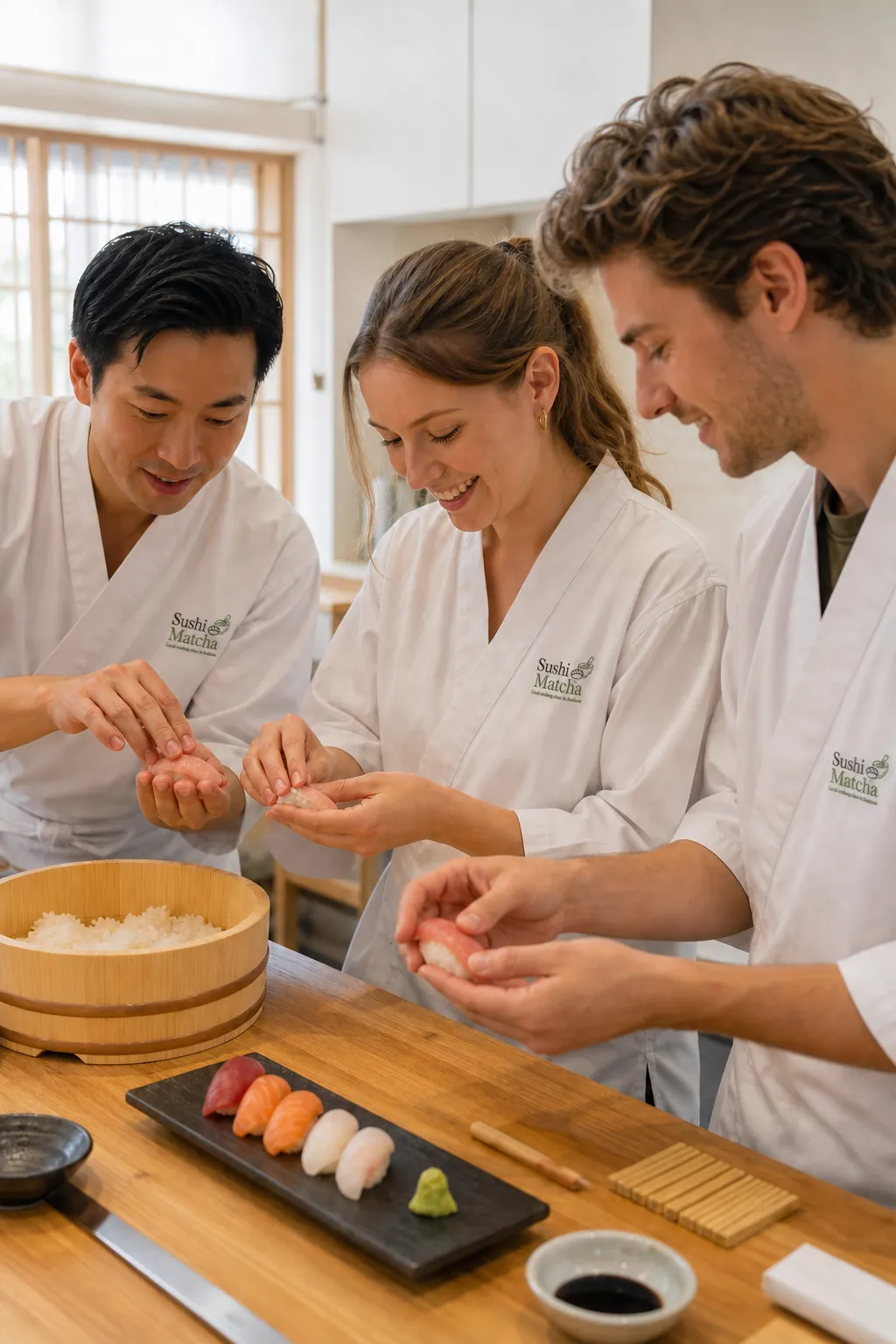
Practising Before a Tokyo Sushi Class
Should a beginner practise sushi at home first? Here is what a 90-minute Asakusa class actually asks of you, and what is worth sorting out instead.
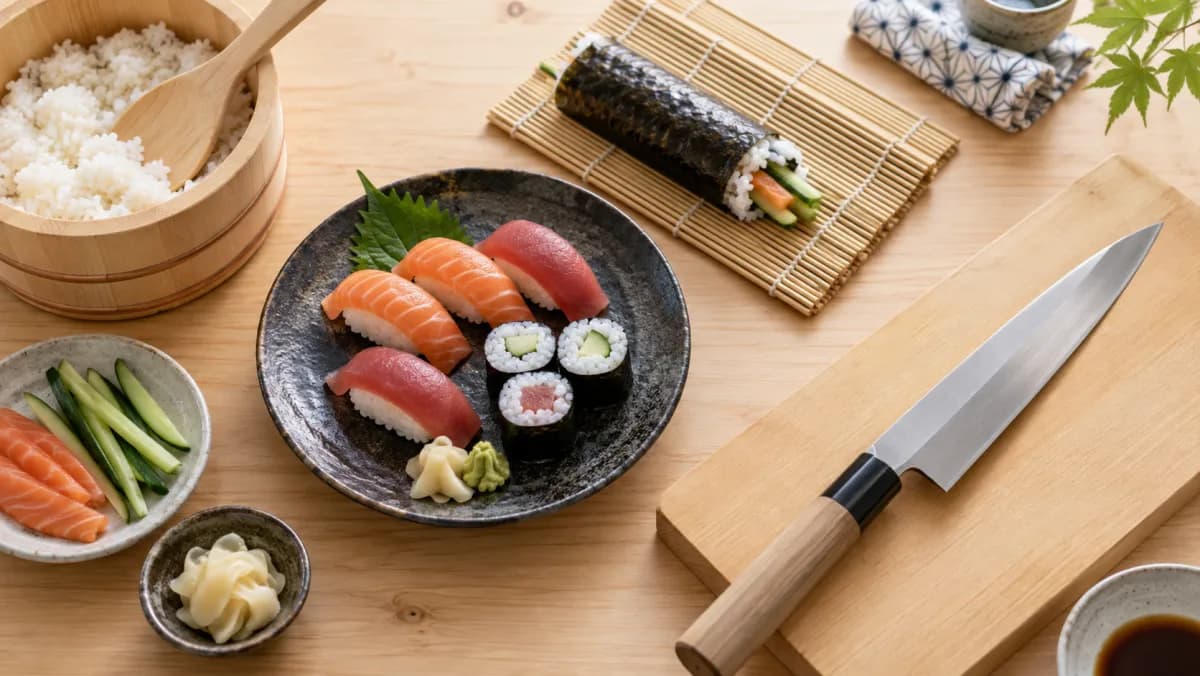
Sushi Class or Chef Training in Tokyo?
Choose a Tokyo sushi course for your actual goal: a hands-on holiday experience or structured professional study. Know what to check before booking.

Sushi Class Without Raw Fish in Tokyo
Avoiding raw fish? Compare cooked toppings, a plant-based menu and the questions to confirm before booking a Tokyo sushi class.