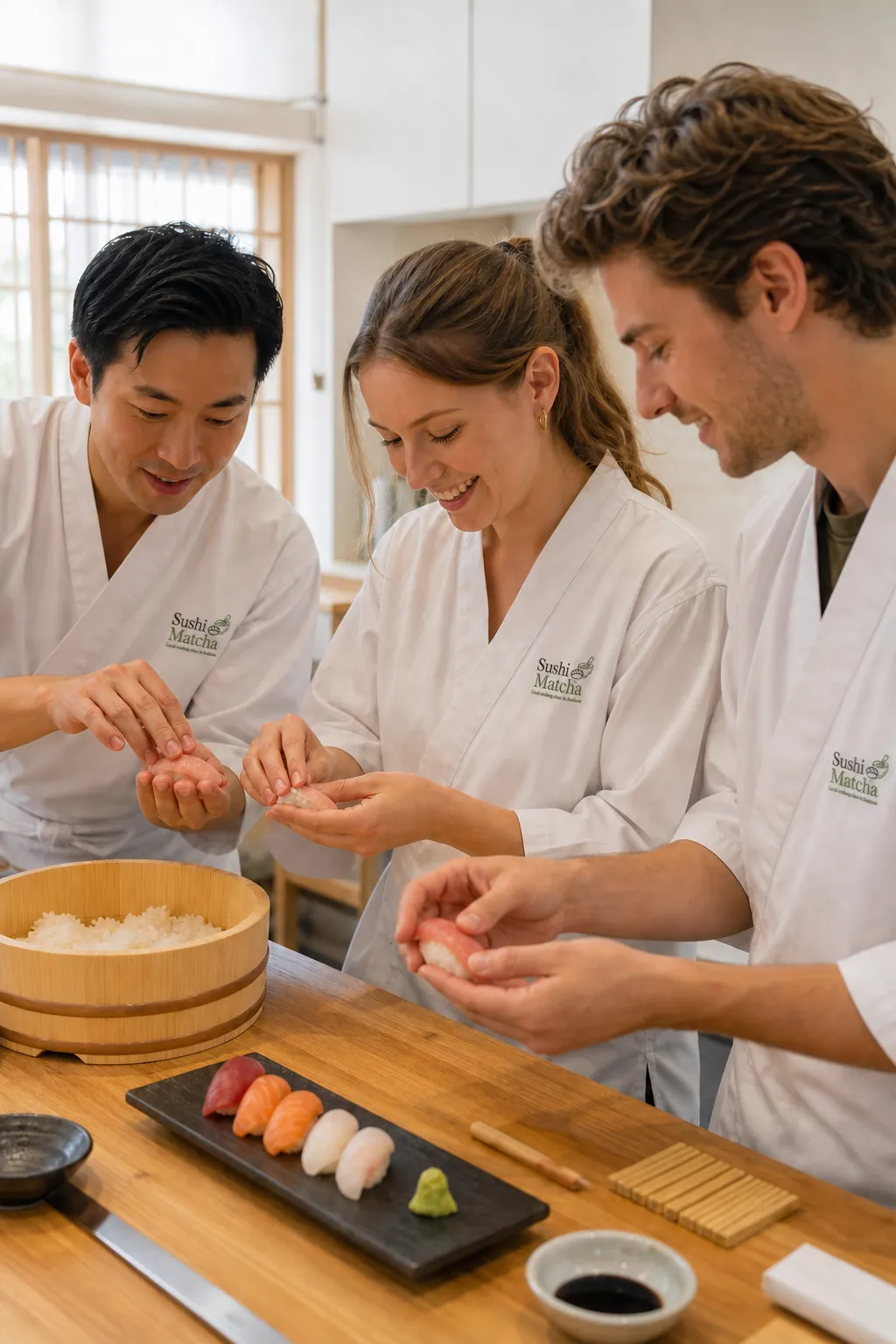
Practising Before a Tokyo Sushi Class
Some travellers book a sushi class months ahead and then start quietly worrying about it. Should I buy a rolling mat and practise at home? Watch knife videos on the flight? Learn to cook Japanese rice properly first, so I am not the person holding everyone else up?
The short answer is no. You do not need to practise before a beginner sushi class, and there is no preparation that would meaningfully change how your morning goes.
This guide is deliberately narrow. It is not an introduction to what a class is like or how to pick one — it is about the specific anxiety of not being good enough yet, and what is genuinely worth doing with the time you might otherwise spend rehearsing. The class we describe is our signature sushi and matcha class in Asakusa: 90 minutes, ¥12,000 per person, taught with full English support.
Popular in Tokyo right now — our most recommended experience
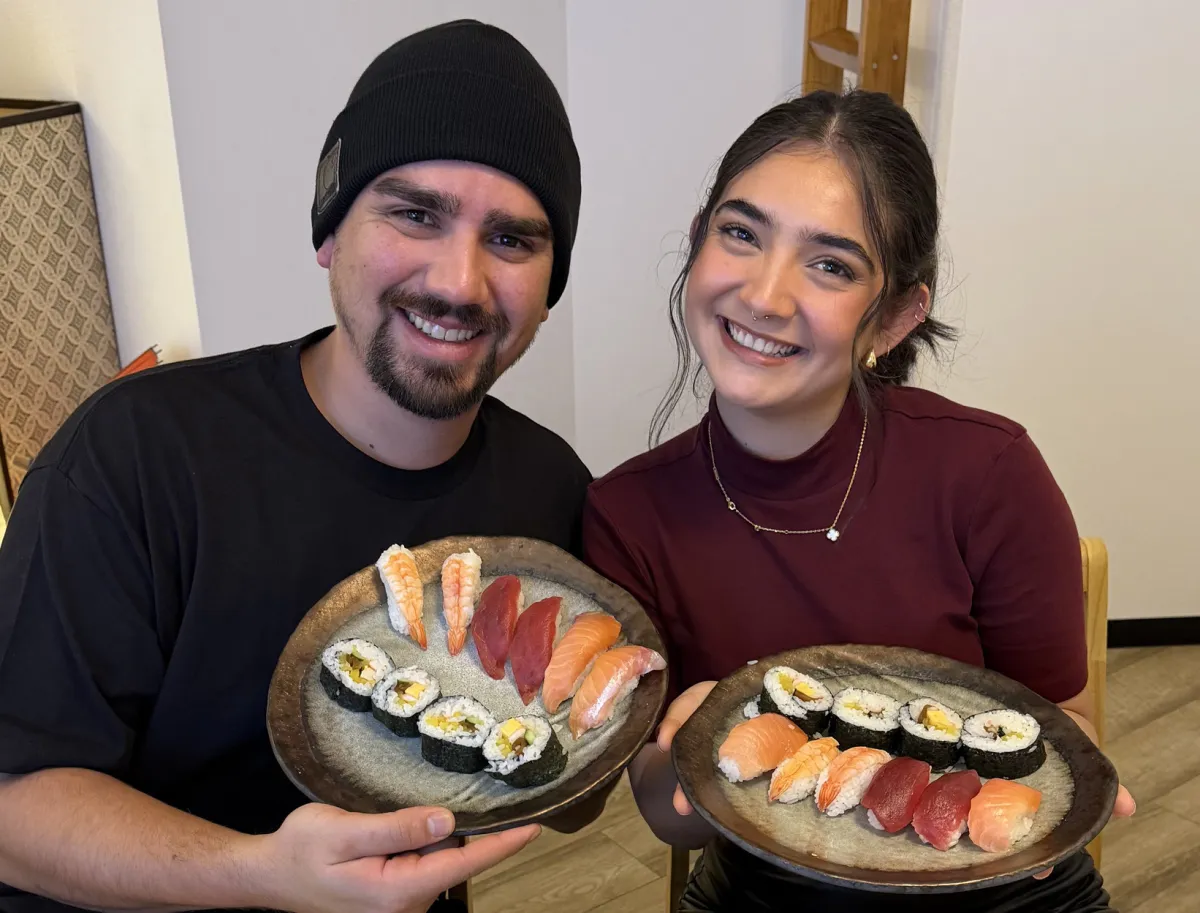
Tokyo Sushi Making Class : Sake Ceremony & Matcha Experience in Asakusa
The class already assumes you have never done this
The published answer to "do I need any cooking experience?" is that no prior experience is needed, because the classes are designed for complete beginners and an instructor guides you through every step.
That is not marketing softness. It describes how the session is built: the sequence, the timing and the amount of explanation all assume a room of people who have never shaped nigiri. So the honest comparison is not "prepared beginner versus unprepared beginner". It is "beginner who arrives relaxed versus beginner who arrives tired from worrying about it". The first one has a better time.
Why home practice does not transfer well anyway
Even if you wanted to rehearse, most of what makes sushi work in a studio is not available in a holiday rental or a kitchen at home.
Sushi rice is the clearest example. The texture and seasoning of the rice is the part that takes the longest to get right, and it is prepared as part of the class rather than being something you troubleshoot on the day. Practising with rice from a different grain, a different cooker and a different vinegar mostly teaches you habits that do not apply.
The same goes for the hand movements. Shaping nigiri is a matter of pressure and rhythm, and you learn it far faster by being corrected in real time than by copying a video at your own kitchen counter. Ingredients and tools are included in the class, so there is nothing to buy and bring either. If you would like a clearer picture of the dishes involved before you commit, our guide to what you actually make in the class covers that ground.
What the 90 minutes actually asks of you
It helps to know what fills the time, because the answer is less demanding than people imagine.
The signature session covers making nigiri and maki, a sake toast, eating what you have made, and whisking your own matcha to finish. All the ingredients and tools are provided, sake is poured for the toast with refills during the class, and water or Japanese green tea is available if you would rather not drink alcohol. Participants are given the recipe afterwards.
Notice what is not in that list: no timed test, no knife work you have to complete alone, no moment where you are expected to produce something to a standard. What the class does ask of you is straightforward — turn up on time, be willing to use your hands, and tell us in advance about anything that affects what we prepare for you.
"Will I be the slowest person in the room?"
This is the version of the worry people rarely say out loud. It is worth answering directly.
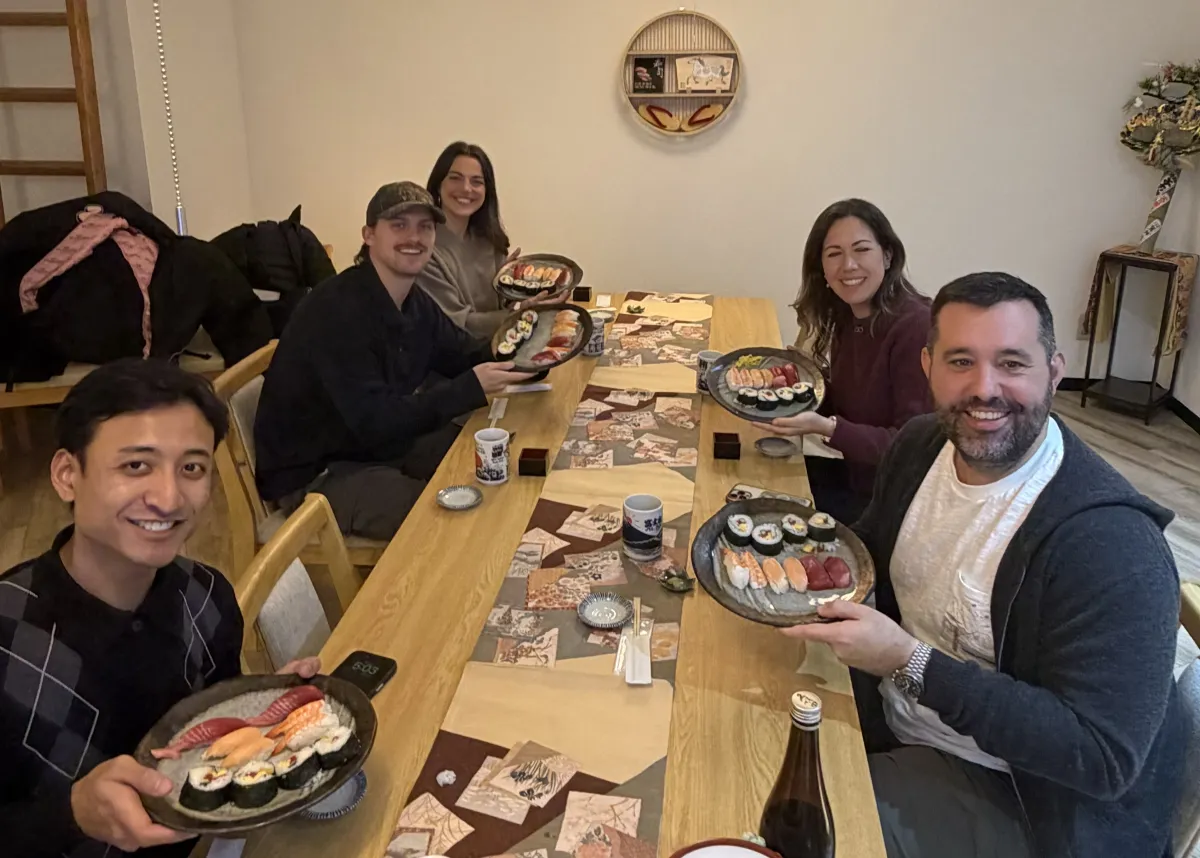
The signature class is a shared session with a published maximum of 20 guests, and the mix changes every time — couples, friends, families, people travelling alone. There is no assessment and no ranking, and you are not competing with the table next to you. Everyone is making the same things for the first time.
Children aged four and above can take part in the regular class, which is a useful calibration: the instructions are pitched to be followable by a four-year-old with a parent nearby. An adult who has never cooked is well inside the range the class is designed for.
Language is a separate worry and a separate answer. The classes are fully supported in English, either by fluent instructors or by dedicated interpreters. If English is not your first language either, our guide to taking a sushi class without Japanese explains what to confirm.
This is an experience, not chef training
One reason people over-prepare is that they have quietly set the wrong target. If you are imagining an apprenticeship, arriving unprepared feels like turning up to an exam without revising.
Our signature class is sold as a visitor experience. It introduces nigiri and maki in 90 minutes; it does not claim to build professional competence, and no amount of home practice would change what is taught. If your goal really is structured, career-oriented study, that is a different decision and our comparison of a sushi class versus chef training is where to take it.
Setting the target correctly usually dissolves the anxiety on its own. You are not being examined. You are spending 90 minutes learning something with your hands.
Prepare these things instead
If you have energy you want to spend on preparation, spend it here. These are the items that actually change how the day goes.
- Tell us about food requirements when you book. Allergies, vegan guests and no-raw-fish requests are different needs and should each be stated clearly. Our guide to food allergies and a sushi class explains what to include.
- Check the ages of anyone under 18 in your party. Children aged four and above can participate; under-fours are welcome to come along and share with a parent.
- Plan your arrival, not your technique. Know the route, and allow for the fact that Asakusa is busy.
- Decide what you are wearing and carrying. Our guide to what to wear and bring is more useful than any rehearsal.
- Read the cancellation terms once. Cancellation is free up to 24 hours before the class; inside 24 hours a 100% fee applies and no-shows are non-refundable.
If you want to prepare anyway
Some people simply enjoy preparing, and there is no harm in it. Aim it at curiosity rather than competence — read about how sushi rice is seasoned, or learn the names of a few fish you might be offered. That kind of background makes the explanations land better on the day. What does not help is arriving with a rehearsed technique you are attached to; it is easier to be shown a method from scratch than to unlearn one.
Before you book
Check the date and start time that suit your itinerary on the signature class page, confirm your party size and any food requirements, and complete the booking. Availability is shown on that page, so choose from the sessions currently offered rather than assuming a particular time is open.
Then stop preparing. The class was built for people arriving exactly as you are.
Related Articles
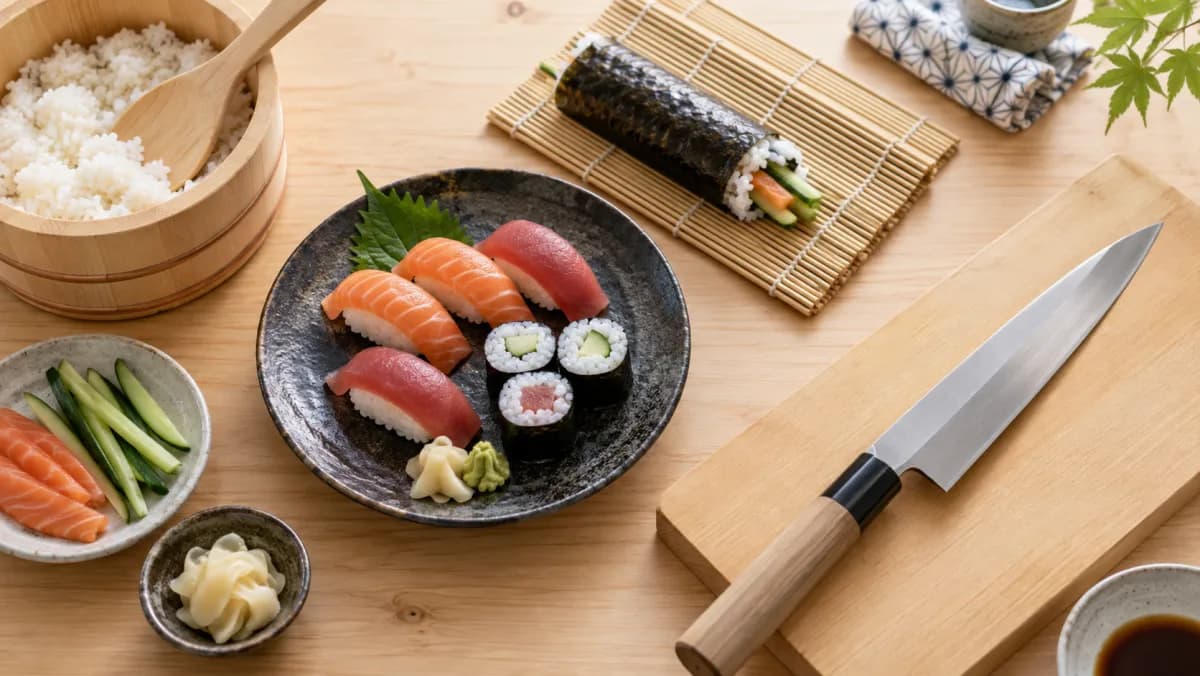
Sushi Class or Chef Training in Tokyo?
Choose a Tokyo sushi course for your actual goal: a hands-on holiday experience or structured professional study. Know what to check before booking.
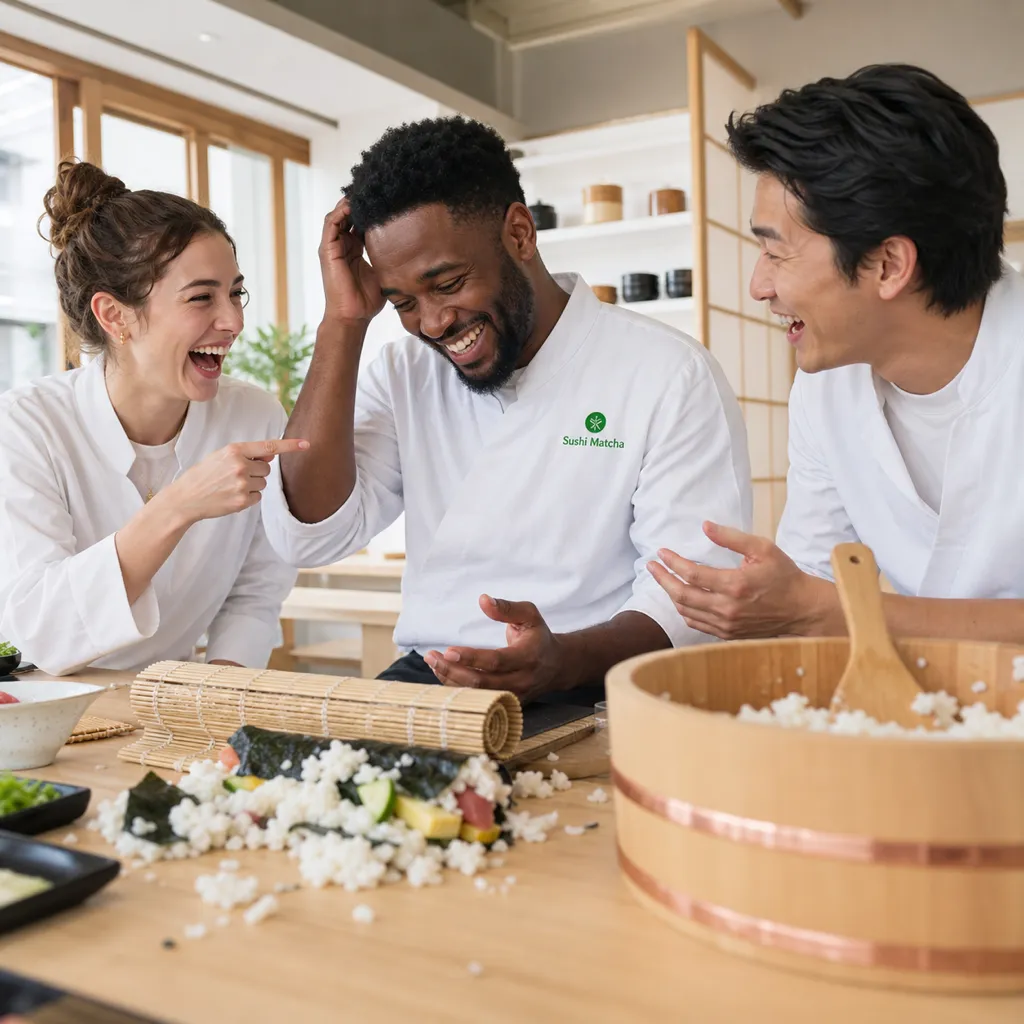
Booking a Tokyo Sushi Class for a Group
Organising a sushi class in Asakusa for friends? Here is the information to collect from everyone first, and how to keep the whole party in one session.
Tokyo Sushi Class: Instant or Request?
Some sushi classes in Tokyo confirm instantly, others are request bookings. Here is which is which at our Asakusa studio, and how each affects your plans.