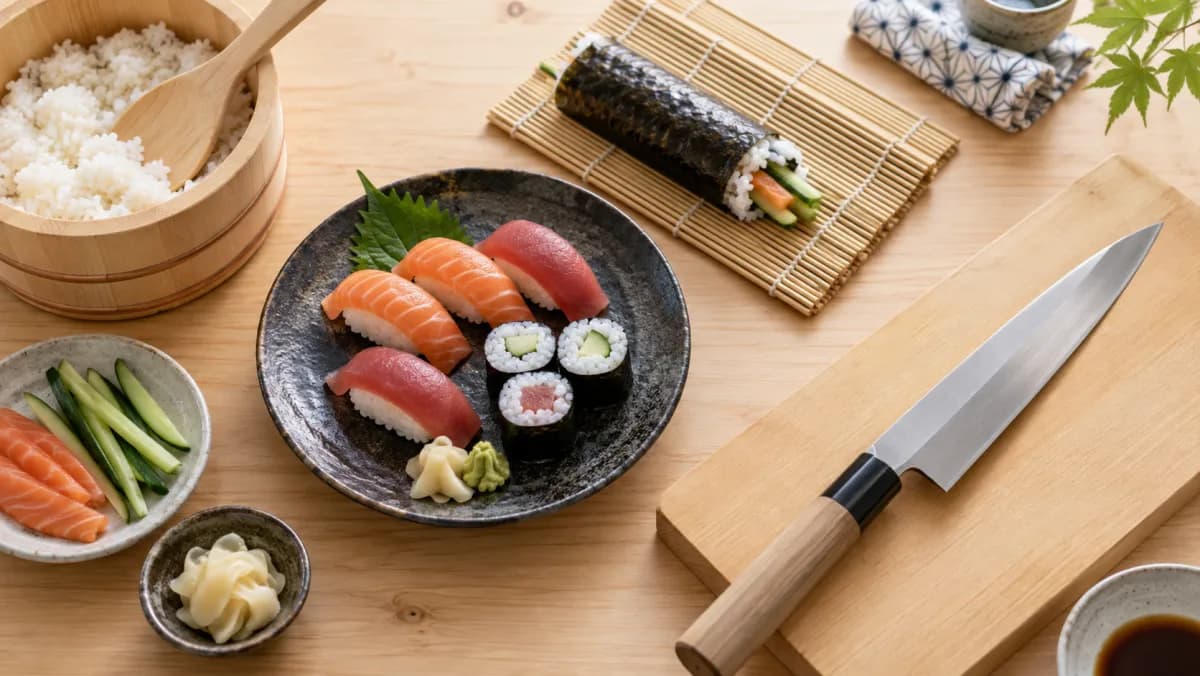
Sushi Class or Chef Training in Tokyo?
Searching for a “sushi course in Tokyo” can lead to very different expectations. You may want to make your first nigiri during a holiday, practise a hobby, or start preparing for restaurant work. Those goals need different questions before you compare prices or reserve a place. A class can be enjoyable and well taught without being the right programme for every learner.
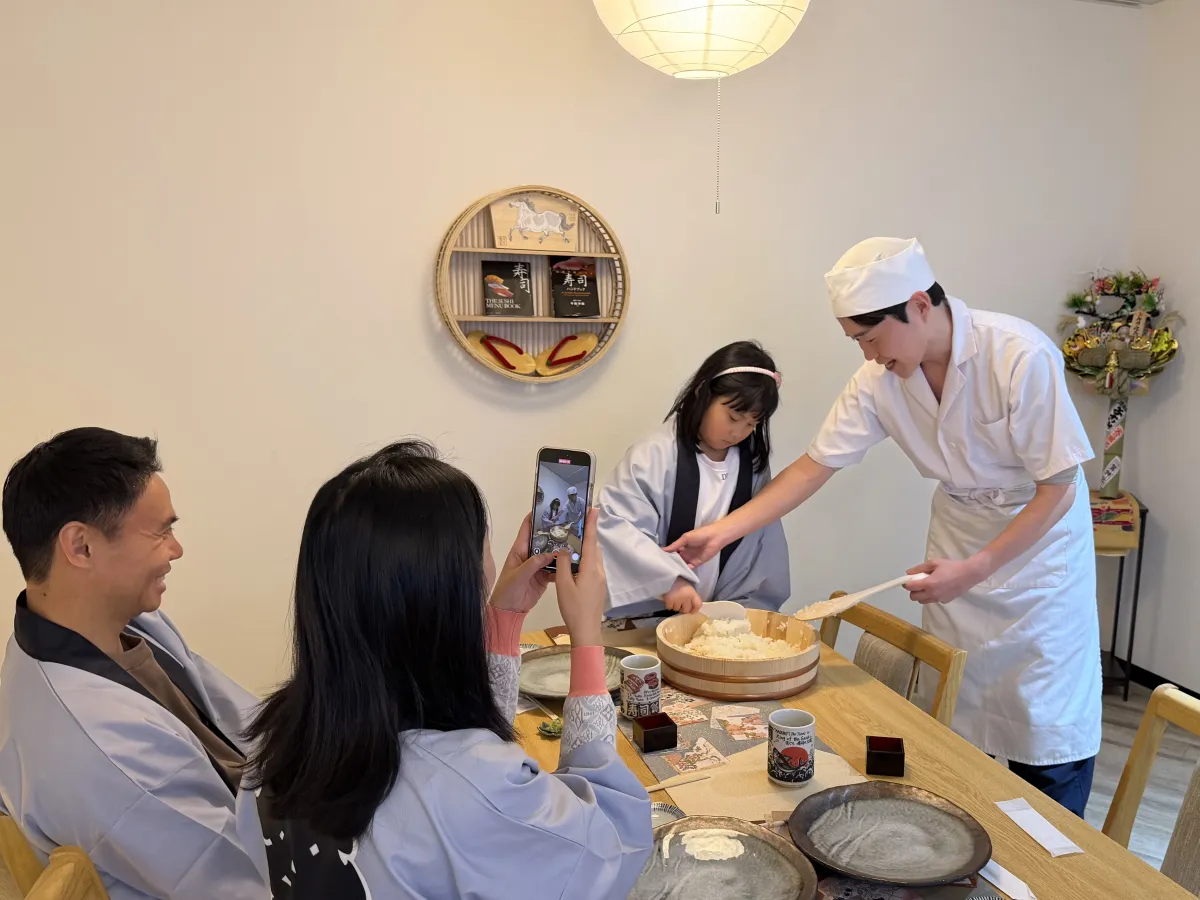
For a visitor who wants an introduction within a sightseeing day, Sushi Matcha's signature sushi and matcha class is a 90-minute experience in Asakusa. It includes making nigiri and maki, eating your creations and whisking matcha, with instruction in English. It is presented as a beginner experience. Here is how to decide whether that is the sort of learning you are looking for.
Popular in Tokyo right now — our most recommended experience
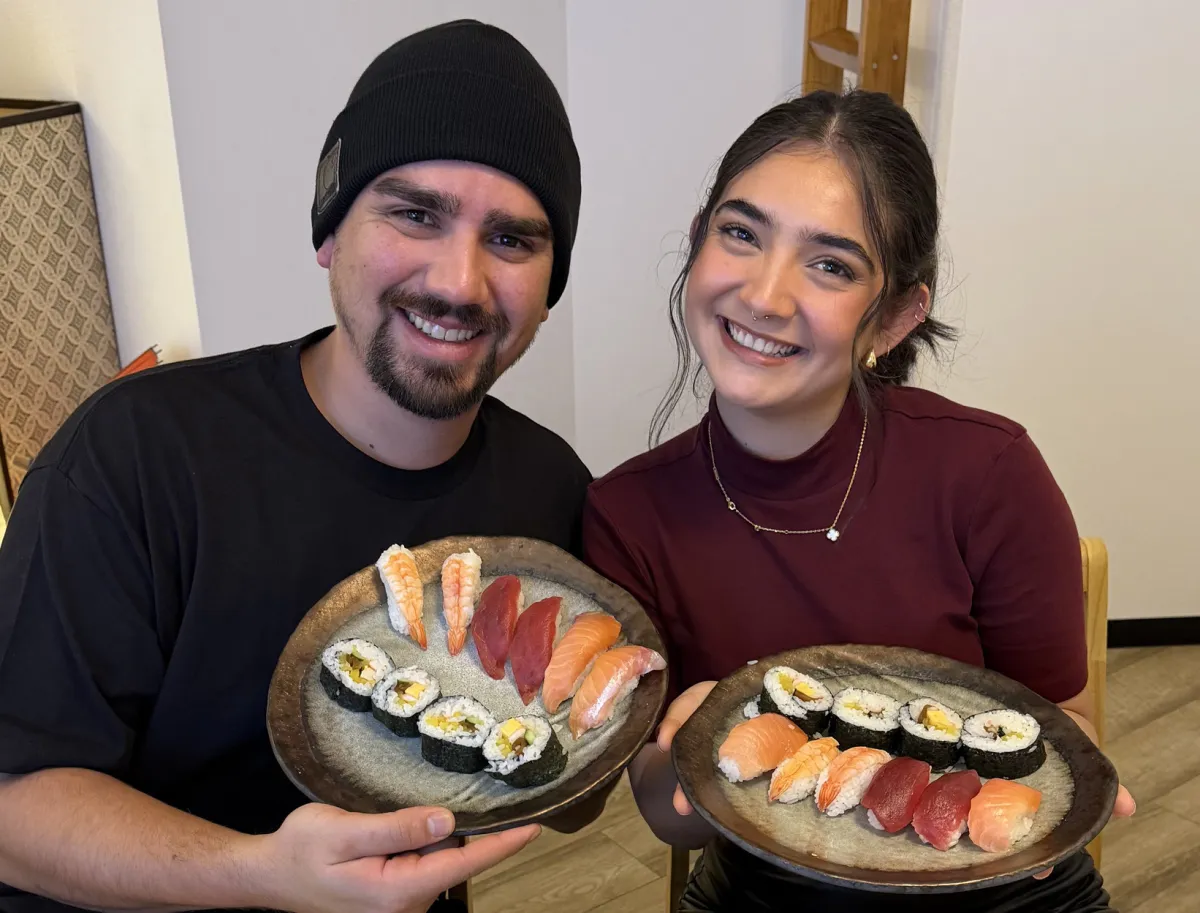
Tokyo Sushi Making Class : Sake Ceremony & Matcha Experience in Asakusa
Start with the result you want
Try finishing this sentence: “After the class, I would like to…” If your answer is “understand the basics and enjoy making sushi with my travel companions,” an introductory workshop is a sensible category to explore. You are looking for a clear explanation, a chance to try the movements yourself and an experience that fits your trip.
If your answer is “prepare for a restaurant job,” you need to investigate professional study separately. Ask a provider about its syllabus, repeated practice, assessment and the skills expected at entry. A tourism description alone cannot establish those things. Neither an impressive photograph nor the word “authentic” tells you whether a programme meets a career goal.
Read what happens during the advertised time
Duration is useful only when you know what fills it. At Sushi Matcha, the advertised 90 minutes covers the complete signature experience, including the sake ceremony, sushi making, eating and matcha. It is not 90 minutes of uninterrupted technical practice with the other activities added afterward. That distinction matters if you have a particular technique you want to spend time practising.
For any longer course, ask for a breakdown of teaching and practice rather than assuming more hours automatically mean professional preparation. Find out which tasks participants perform, which the instructor demonstrates and whether individual feedback is included. Compare the actual structure against your goal, not simply the length of the booking slot.
Check the menu and the learning scope
Our signature class introduces nigiri and maki, followed by whisking your own matcha. Ingredients and tools are included. This gives first-time visitors a defined set of activities to try without arranging equipment for a short Tokyo stay. You do not need previous sushi-making experience to choose this beginner format.
The published activities do not establish a curriculum in whole-fish processing, advanced knife maintenance, restaurant purchasing or business operations. If one of those is the reason for your trip, ask about it explicitly before booking anywhere. A brief workshop can spark an interest in further learning; it should not be mistaken for evidence of professional competence.
If the decision is actually about which food to make, our sushi versus onigiri class guide compares those activities. That is a different choice from introductory tourism versus professional study, and separating the two keeps the decision manageable.
Ask precisely about certificates
A certificate, if a provider offers one, needs an explanation. Ask what it records: attendance, completion of particular teaching, or an assessed skill. Ask who issues it and what recognition, if any, the provider claims. Do not infer a qualification from a class name, a chef jacket or a photograph taken at the end.
Sushi Matcha's signature product is sold as a visitor experience, not as a professional qualification programme. Choose it for the activities described on the booking page. If a formal credential is essential to your plans, resolve that requirement with the relevant course provider before making travel arrangements around it.
Match the format to your party
A shared class can suit visitors whose main goal is to try an activity together. It does not promise one-to-one tuition. Likewise, choosing a private booking does not by itself turn the programme into professional training or guarantee a custom syllabus. Privacy, teaching content and the amount of individual practice are separate questions.
Our shared and private class comparison explains the booking distinction. If members of your party have different learning goals, describe those goals when you contact the team. It is easier to identify a suitable experience before paying than to ask for a different course after everyone has arrived.
Check language, timing and the total commitment
The signature class is taught in English. A translated website helps you read the information but does not change the teaching language. Ask in advance if you need other language support. Also check the date you can actually attend, the current price for your party and the cancellation conditions shown for that reservation.
Allow time to reach the studio and arrive ten minutes before the start. A 90-minute activity needs more than a 90-minute gap between two distant appointments. For professional study, examine the whole attendance commitment and any required preparation directly with the provider; do not assume that a programme described as a course fits into one afternoon.
Make the booking that matches your goal
Before choosing, you should be able to name the activities you will do, the teaching language, the time you need and what the booking does or does not certify. If an essential detail is missing, use a specific inquiry: “I am visiting for a holiday and have never made sushi,” or “I need repeated practice in a particular professional skill.” Those are different requests and deserve different answers.
If your goal is a hands-on introduction during your Tokyo visit, check the signature class details and available dates. You can choose it for a clear reason: making sushi and matcha in Asakusa, with a beginner format that leaves room for the rest of your day.
Related Articles
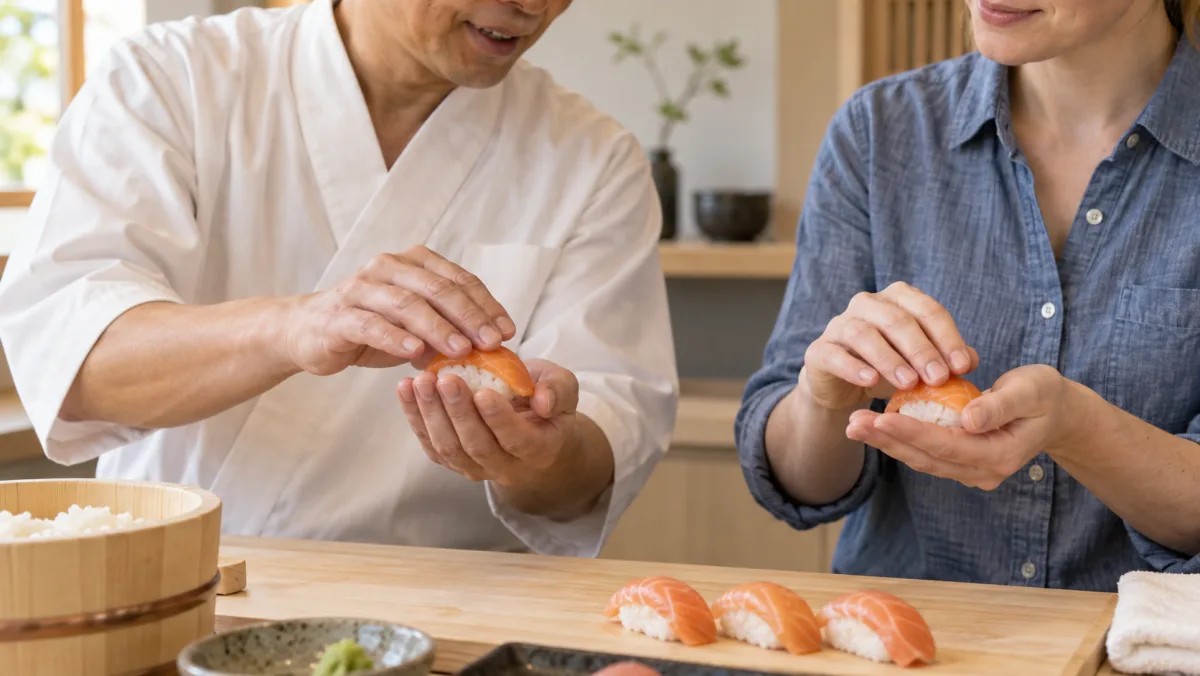
Sushi Class Without Speaking Japanese
Do you need Japanese for a Tokyo sushi class? Learn the teaching language, useful questions and what to confirm if you need an interpreter.
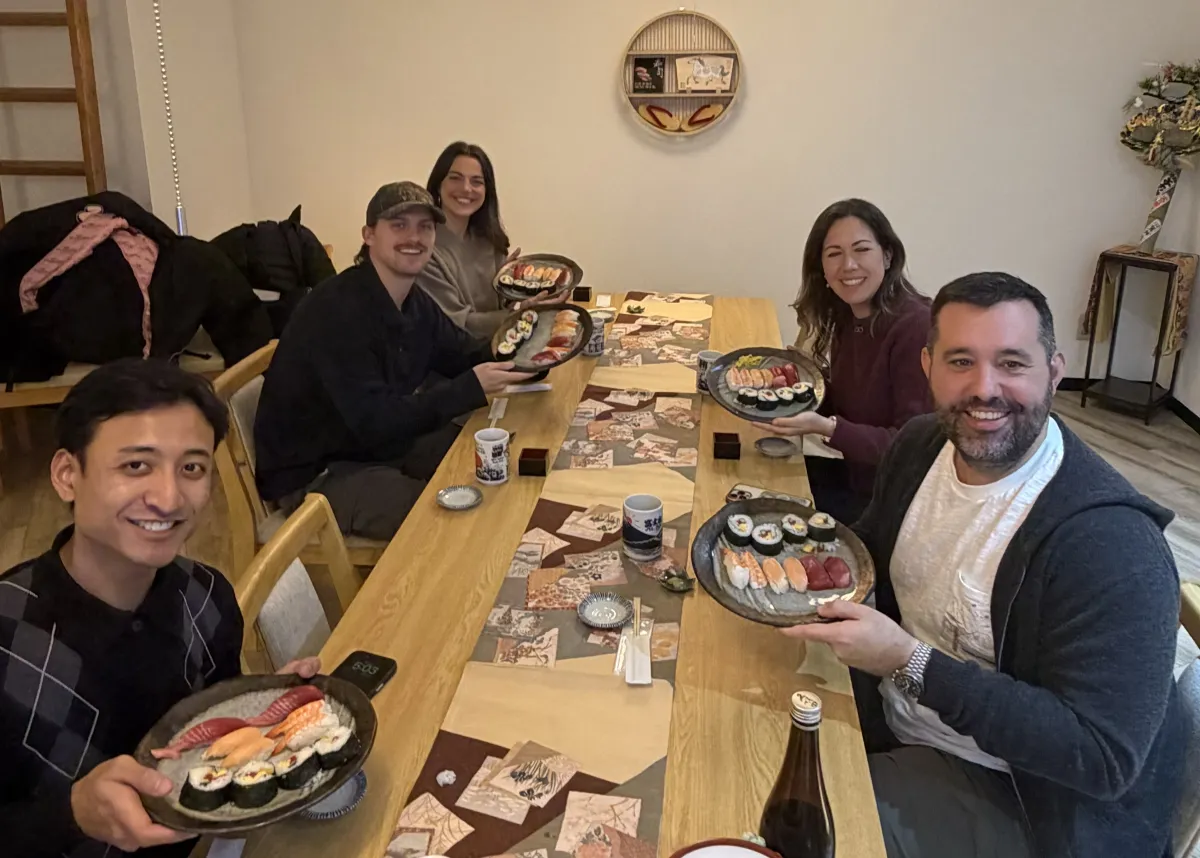
A Sushi Class Without Drinking Alcohol
You can join our Asakusa sushi class without drinking sake. Learn about water and tea options, the shared setting and what to ask before booking.
Shared or Private Sushi Class in Tokyo?
Compare shared and private sushi classes in Asakusa: group size, pace, family needs, pricing units and how your booking is confirmed.