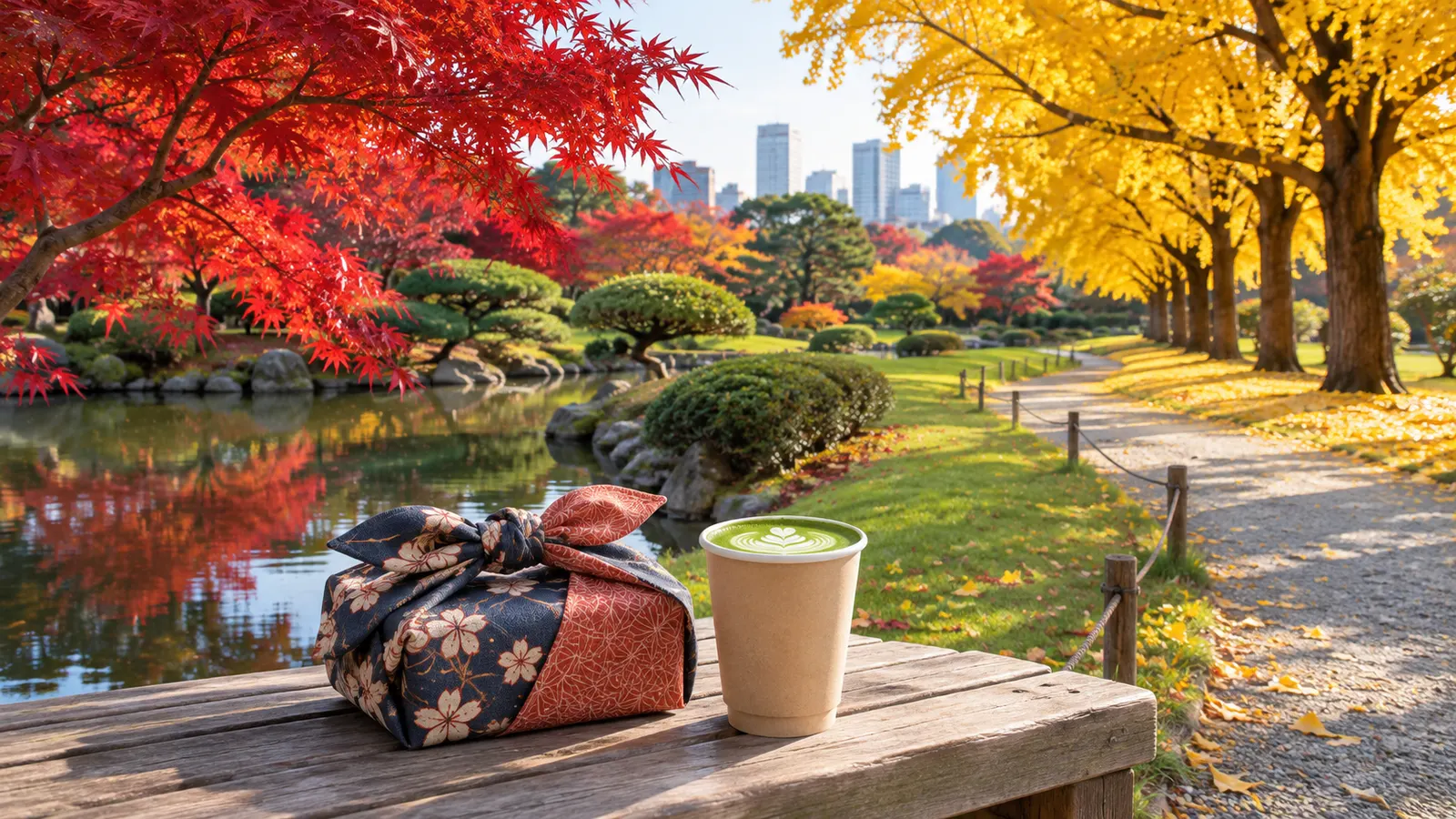
Shinjuku Gyoen & a Sushi Class in Asakusa
Shinjuku Gyoen is a 58.3-hectare garden, a calm green space about ten minutes on foot from Shinjuku Station. In late autumn its maples, ginkgo and plane trees change colour at different times, so there is usually something to see from mid-November into December. Asakusa, on the other side of the city, is where our sushi studio is. The two fit into one day without rushing, as long as you know the garden's hours and plan around one subway transfer.
This guide covers what the garden is, when the autumn colour is expected, how to travel between the two and three timings that work with a sushi class.
Popular in Tokyo right now — our most recommended experience

Tokyo Sushi Making Class : Sake Ceremony & Matcha Experience in Asakusa
What Shinjuku Gyoen is
The site was once the lower residence of the Naito family, the lords of the Takato domain, who were granted land here in 1591. According to the official garden history, it was completed as an imperial garden in 1906 and opened to the public as a national garden in 1949. Today it is managed under the Ministry of the Environment.
The garden covers 58.3 hectares with a 3.5 km perimeter. It combines three styles: a European landscape garden with wide lawns, a formal garden with symmetrical avenues of about 140 plane trees, and a traditional Japanese garden with ponds and teahouses. Its design follows plans by a French landscape gardener, Henri Martinet. The large greenhouse grows around 2,700 species, mostly tropical and subtropical plants, which makes it a useful warm stop on a cold day.
When the autumn colour is expected
The garden publishes an autumn colour guide every year. For 2026 it lists these typical windows:
- Bald cypress in the Mother and Child Forest: mid to late November
- Plane tree avenue in the formal garden: mid to late November
- Ginkgo in front of the greenhouse: mid November to early December
- Maples in the Japanese garden, around the lower pond, the children's area and Momiji-yama ("maple hill"): late November to mid December
The garden notes that timing depends on the tree and the year's weather, so treat these as guides, not dates. If you can only visit in early December, the maples are the better bet. The Chrysanthemum Exhibition in the Japanese garden runs from 1 to 15 November every year, and the garden opens every day during it.
Hours, tickets and rules
From 1 October to 14 March, the garden opens from 9:00 to 16:30, with last entry at 16:00. The greenhouse opens 30 minutes after the garden and closes 30 minutes earlier. From mid-March the garden closes later in the day.
A few points that matter when you plan:
- Closed on Mondays. If Monday is a public holiday, it closes on the next weekday instead. It is also closed from 29 December to 3 January.
- Admission is ¥500 for adults, ¥250 for students (high school and above) and visitors aged 65 or over, and free for children of junior high school age and younger.
- Payment: cash, credit cards, transit IC cards and some QR payment apps are accepted. Online advance tickets are also sold and are scanned at the gate.
- No alcohol. Alcohol cannot be brought into the garden, and neither can pets (except assistance dogs) or bicycles. Ball games and smoking are not allowed.
There are three gates. Shinjuku Gate is about 10 minutes on foot from the south exit of Shinjuku Station and 5 minutes from Shinjuku-gyoemmae Station Exit 1. Okido Gate is 5 minutes from Shinjuku-gyoemmae Exit 2, and Sendagaya Gate is 5 minutes from JR Sendagaya Station.
If you want matcha inside the garden, the teahouse Shoten-tei serves sencha, matcha or Japanese black tea, as well as a tea-and-sweet set. Its winter hours follow the garden's, with last orders at 16:00. Prices and menus can change, so check on the day.
Getting there from Asakusa
The simplest route is the Tokyo Metro Ginza Line from Asakusa to Akasaka-mitsuke, then the Marunouchi Line to Shinjuku-gyoemmae. A route search we checked on 13 November 2026 showed about 37 minutes with one transfer and a fare of ¥260. Allow 40 to 45 minutes door to door, including the walk to the gate. Coming back, take the same route in reverse.
If you are staying in Shinjuku or Shibuya, our guide to getting from Shibuya or Shinjuku to the sushi class covers the trip in the other direction.
Choose your class time
Our signature sushi and matcha class lasts 90 minutes. You make nigiri and maki rolls with an English-speaking instructor, toast with sake, eat what you make and whisk your own matcha. Start times vary by date. On the late-November dates we checked on 13 November 2026, sessions ran at 10:00, 12:00, 16:00 and 18:00, with an extra 14:00 session on some days. Check the booking calendar for current times, and please arrive 10 minutes early.
Because the class is a full meal, you will not need lunch or dinner around it. Our guide to how long a sushi class takes helps you plan the margin.
Plan A: sushi first, garden in the afternoon
This is the easiest version in late autumn.
- 10:00 Sushi class in Asakusa
- 11:30 Class ends. Walk to Asakusa Station
- 12:20 Arrive at Okido or Shinjuku Gate
- 12:20–16:00 Japanese garden, maple hill, plane tree avenue and the greenhouse, with a tea break at Shoten-tei
- 16:30 Garden closes. Walk to Shinjuku for the evening
You see the garden in the warm afternoon light and finish the day in Shinjuku, close to plenty of evening options.
Plan B: garden in the morning, sushi for lunch
- 9:00 Enter the garden when it opens
- 10:45 Leave through Okido Gate
- 11:50 Arrive at the studio for the 12:00 class
- 13:30 Class ends. Walk to Senso-ji and Nakamise Street
This works if you are an early riser. Keep the garden visit under two hours so the subway transfer does not become a rush.
Plan C: garden, then an evening class
- 10:00–14:30 Garden at an easy pace, with a long tea break
- 15:00 Leave for Asakusa
- 16:00 or 18:00 Sushi class
- After class An evening walk around Senso-ji
This is the best choice if you want to see the garden slowly and have dinner covered by the class.
Whichever plan you choose, remember that the garden is closed on Mondays. If your only free day is a Monday, see our guide to the Jingu Gaien ginkgo avenue and a sushi class. The avenue is a public street with no closing day. For another quieter garden in autumn, Rikugien and a sushi class is another good choice.
Quick answers
Can I bring drinks? Alcohol cannot be brought into the garden. Check the official rules before you pack anything else.
How long should I spend in the garden? Two to three hours covers the Japanese garden, the plane trees and the greenhouse without hurrying.
Is it worth it in the rain? The greenhouse is a good shelter, and our rainy-day Asakusa plan has ideas for the rest of the day.
When your date is set, check the class calendar and plan the garden around the session that fits.
Related Articles
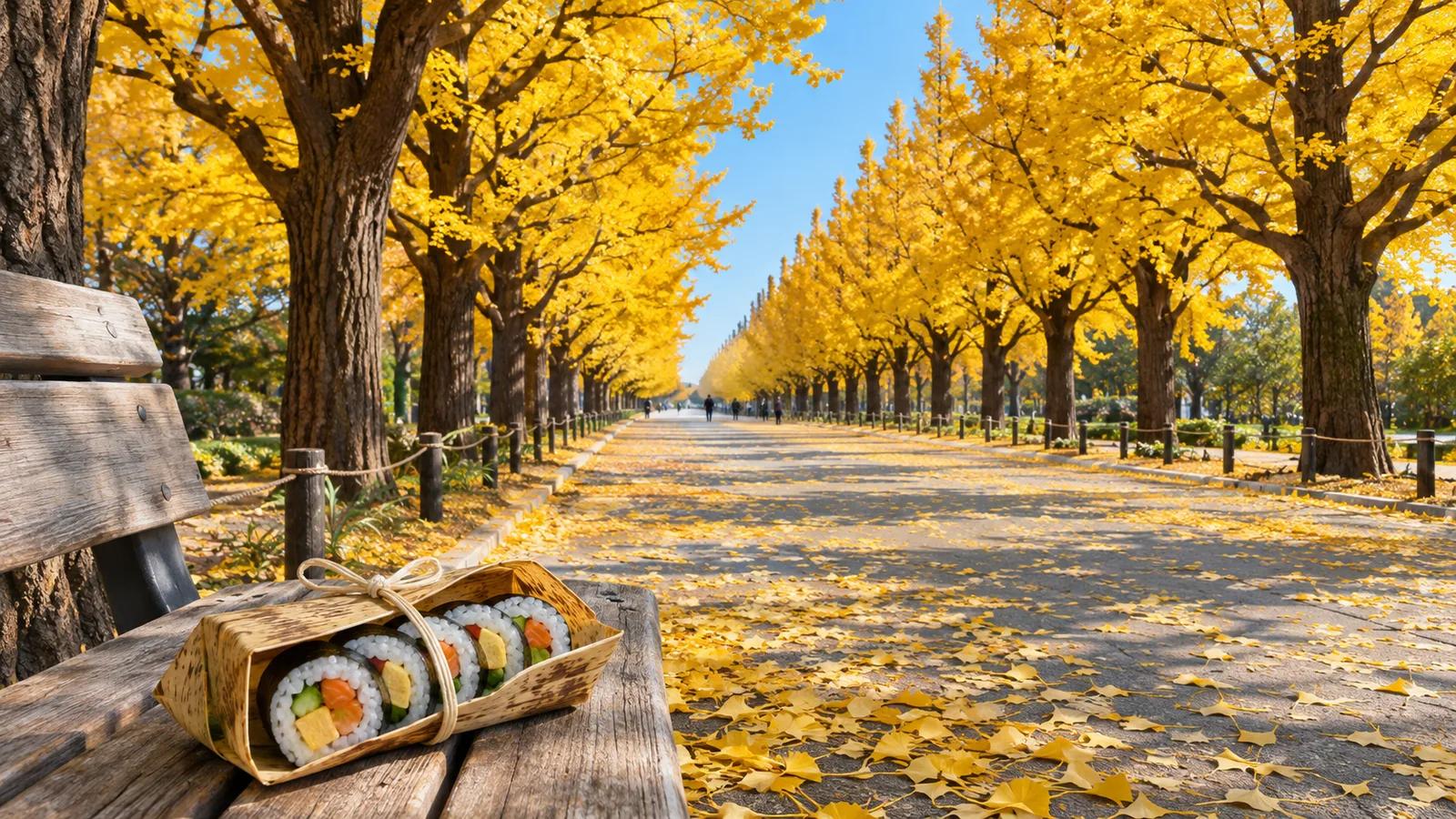
Jingu Gaien Ginkgo & a Sushi Class in a Day
See the golden ginkgo avenue at Meiji Jingu Gaien and make sushi in Asakusa on the same day. Direct Ginza Line route, best timing and three easy plans.
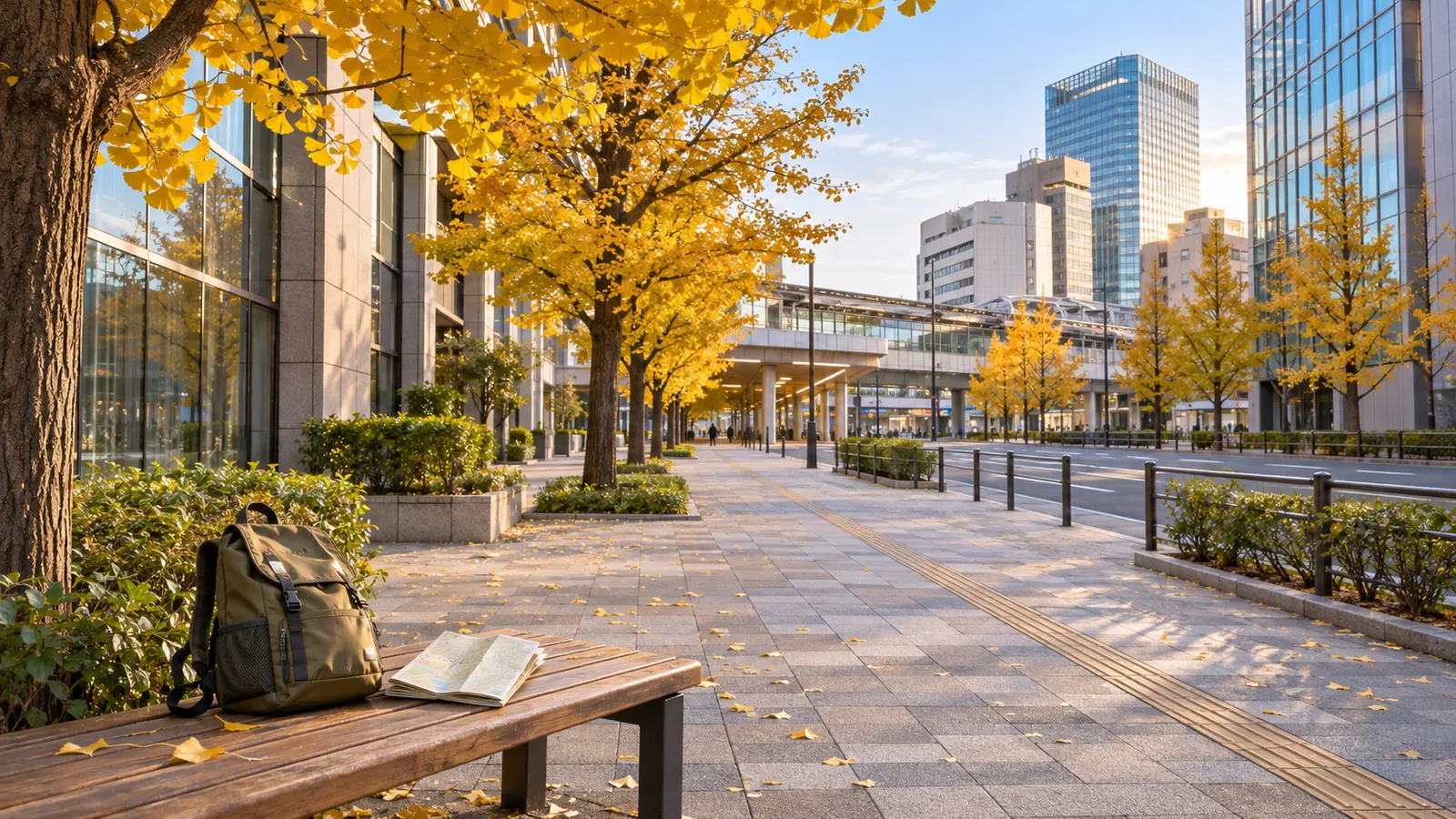
Ikebukuro and a Sushi Class in Asakusa
Staying in Ikebukuro? How to reach a sushi class in Asakusa, how long it takes, and two ways to fit Sunshine City, Myonichikan and Zoshigaya into one day.
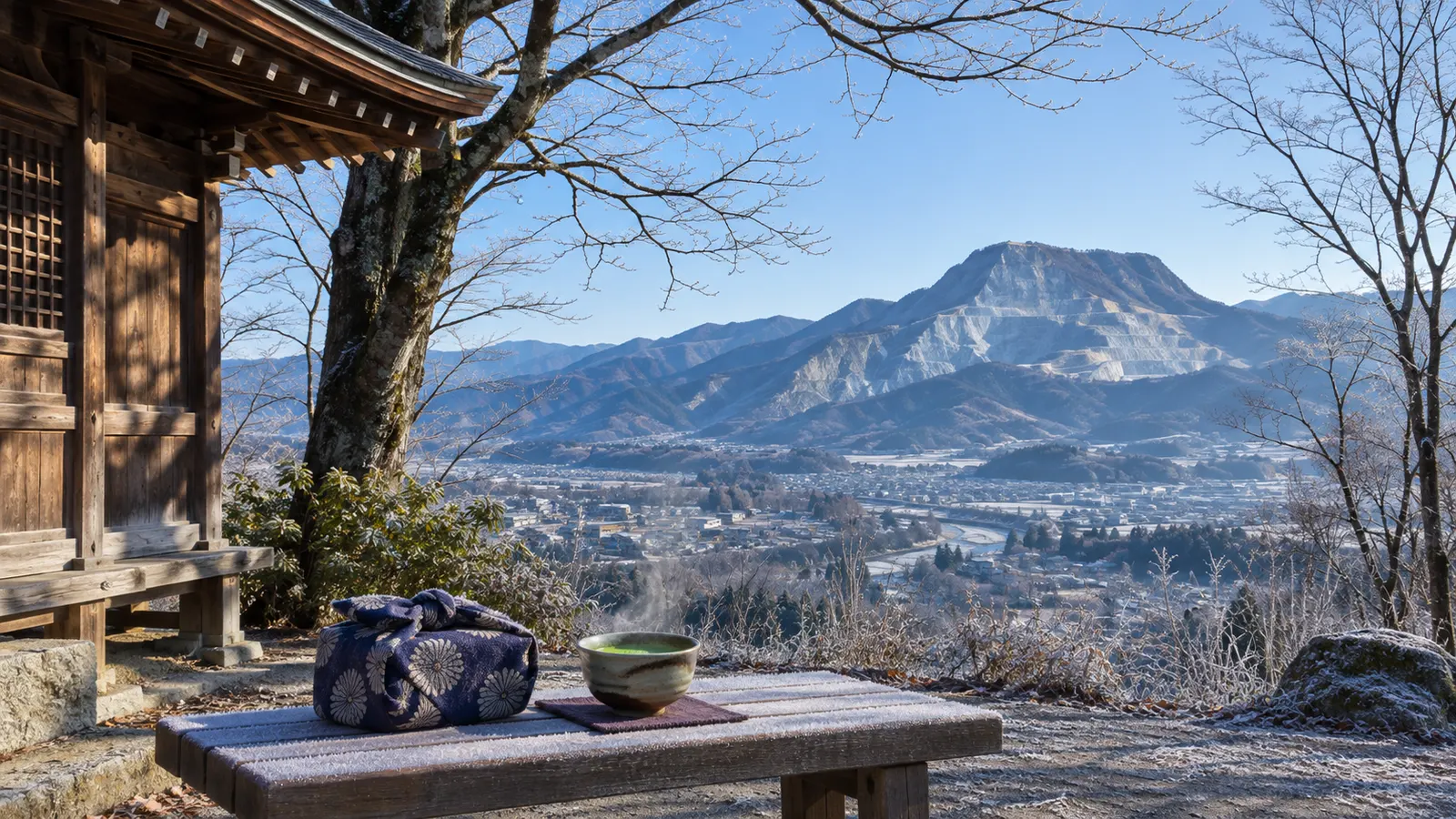
Chichibu Day Trip & Sushi Class in Asakusa
A Chichibu day trip from Tokyo: the Laview from Ikebukuro, sights by season, the December night festival and fitting in a sushi class.