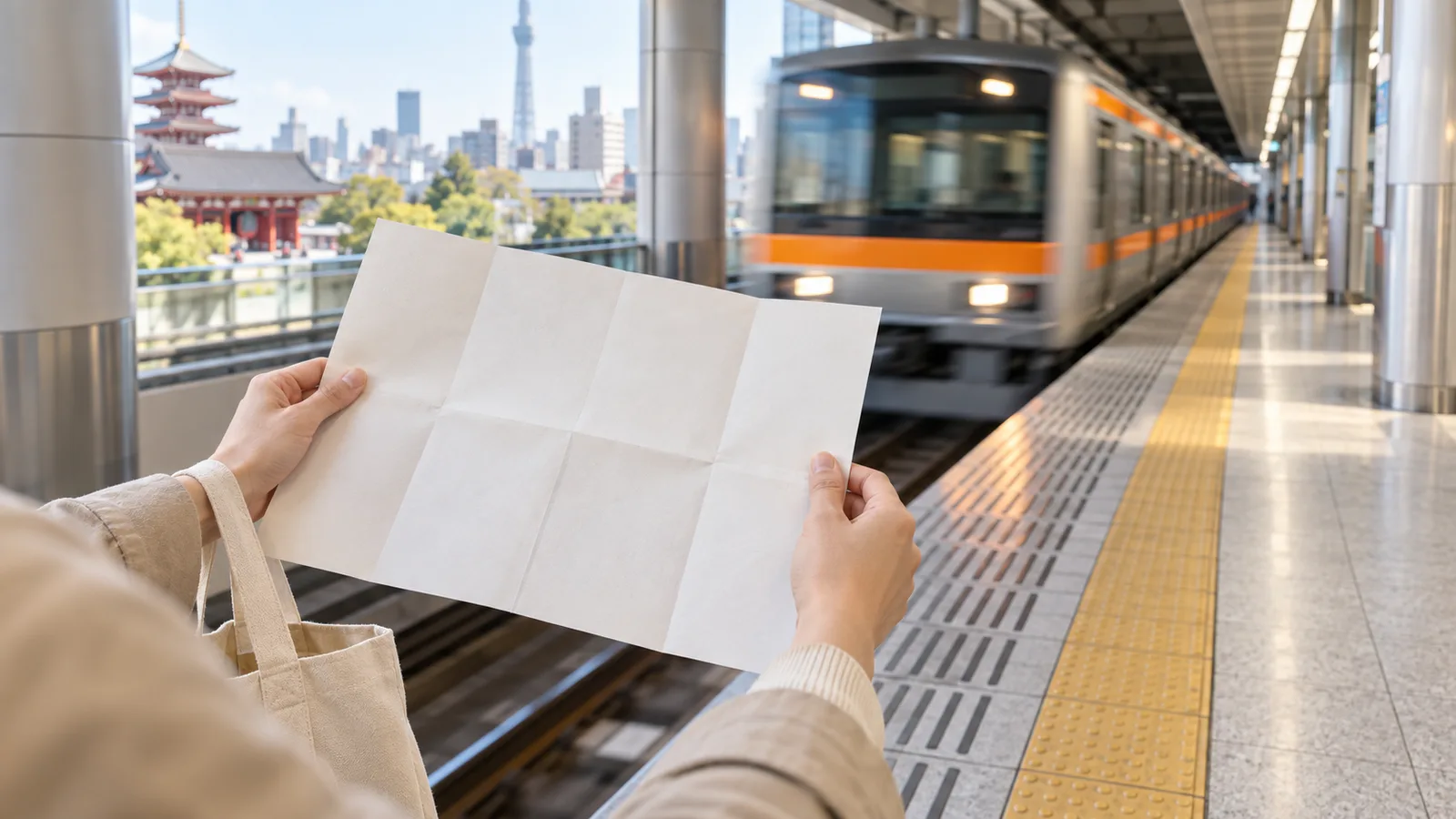
From Shibuya or Shinjuku to a Sushi Class
Many visitors stay in Shibuya or Shinjuku, then discover that the cooking class they like is in Asakusa, on the other side of central Tokyo. It is a fair question to ask whether the trip is worth it and how much of the day it will take. The short answer is that Asakusa is well connected to both areas, and the journey is usually shorter than people expect. The longer answer is about planning the time around a class that starts at a fixed moment.
Popular in Tokyo right now — our most recommended experience
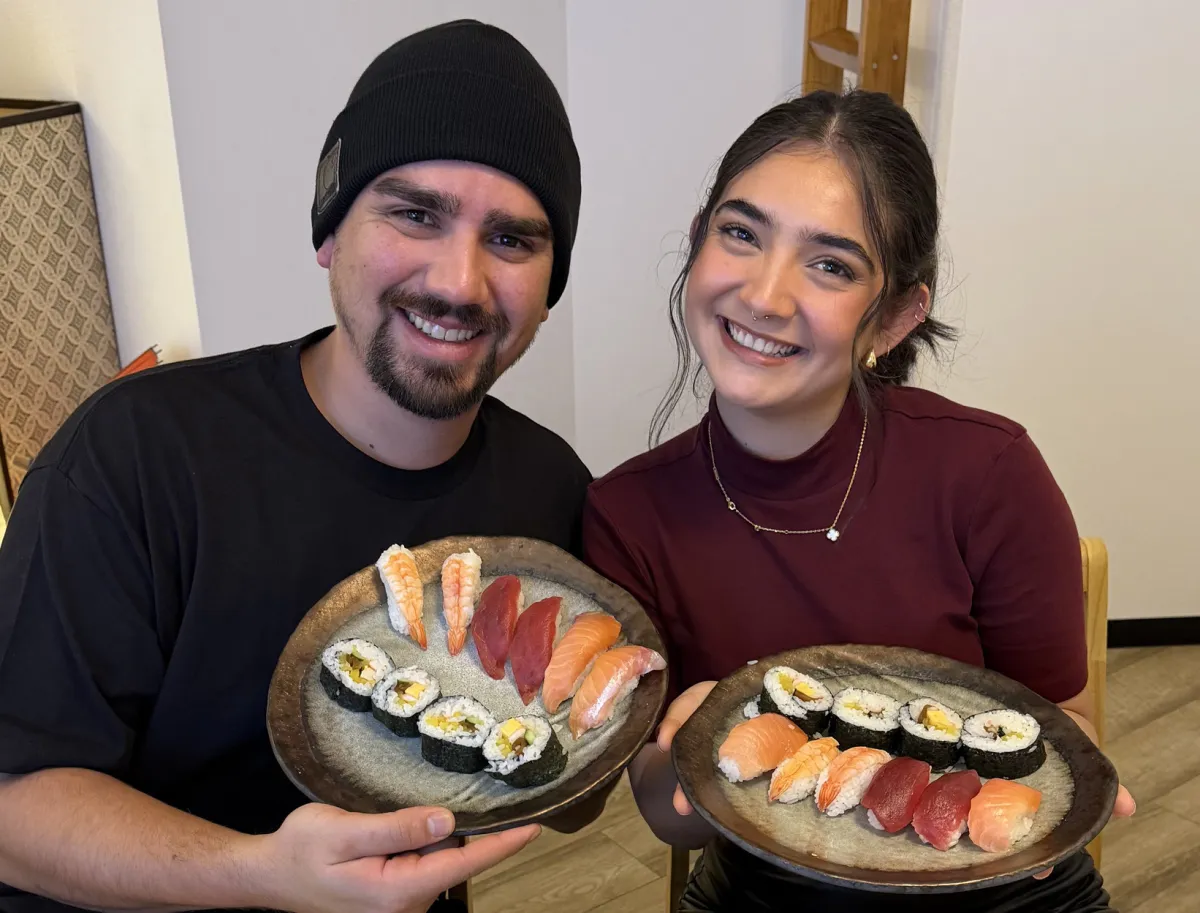
Tokyo Sushi Making Class : Sake Ceremony & Matcha Experience in Asakusa
The simplest route from Shibuya
From Shibuya, the Tokyo Metro Ginza Line runs directly to Asakusa. Shibuya and Asakusa are the two ends of the same line, so there is no transfer to worry about. The ride itself usually takes a little over 30 minutes.
Because Asakusa is the last stop, you do not need to watch for your station, which is helpful on a first visit. You do need to allow time to walk from your hotel to the Ginza Line platform at Shibuya, which is a large and busy station. Some hotels are much closer to other lines, so check the walking part as carefully as the train part.
Common routes from Shinjuku
From Shinjuku there is no single direct line, but the routes are simple. A popular option is the JR Chuo Line (Rapid) to Kanda, then a transfer to the Ginza Line for Asakusa. Other routes use the Marunouchi Line with a change to the Ginza Line, or different combinations depending on where your hotel is.
In practice, allow roughly 30 to 45 minutes of travel, including the transfer. Travel apps will show several options at different times; the fastest on paper is not always the easiest if it involves a long walk inside a station. When comparing, look at the number of transfers and the total walking time, not only the minutes on the train.
Build your timing backwards from the class
Our signature Sushi & Matcha class lasts 90 minutes, and guests are asked to arrive 10 minutes before the start. The useful target is therefore the studio door, not the train arrival time.
A simple way to plan:
- Take your class start time and subtract 10 minutes for check-in.
- Subtract the walk from your Asakusa Station exit to the studio.
- Subtract the train time and any transfer.
- Subtract the walk from your hotel to the platform.
- Add a margin of 15 to 20 minutes for crowded stations, wrong exits or a missed train.
For example, from a hotel near Shibuya Station, leaving about an hour before the class start is a comfortable rule of thumb. From Shinjuku, or from a hotel further from the station, leave a little earlier. The access page lists walking times from each Asakusa Station exit, and our step-by-step guide from Asakusa Station to the class covers the final few minutes.
Morning, midday or afternoon?
Coming from the west side of Tokyo, the time of day matters more than it would for someone staying in Asakusa.
- Morning sessions mean an early start and a busier commuter train. The reward is a quiet start in Asakusa and a free afternoon. If you like early starts, our morning onigiri class and Asakusa plan is another option to consider.
- Midday sessions give you time to travel after the morning rush, and the class doubles as lunch.
- Later sessions leave time for sightseeing first, but check what you want to do afterwards and how late you want to travel back.
Our guide to how long a sushi class takes and how to plan the day explains how to protect the full 90 minutes without crowding the rest of your schedule.
Make the trip worth it
Travelling across the city is easier to justify when you spend the rest of the time nearby. Senso-ji Temple and Kaminarimon Gate are about a five-minute walk from the studio, and the Sumida River is close by. Our guide to visiting Senso-ji and a sushi class on the same day suggests an order that keeps the class time safe.
If you want a longer day in the area, you could also combine the class with Tokyo Skytree, which is across the river, or with the kitchenware shops of Kappabashi. The key idea is the same: arrive in Asakusa once, then stay on the east side instead of travelling back and forth.
Practical tips for the journey
- Transit cards. A rechargeable IC card or a mobile transit card makes transfers simple. Top it up before the day of the class.
- Luggage. Large suitcases make station transfers slower. If you are changing hotels on the same day, plan where the bags will go first.
- Taxi. A taxi from Shibuya or Shinjuku is possible, but road time varies with traffic. If you take one, show the driver the Japanese address from the access page, and still leave plenty of margin.
- Your return. The Ginza Line takes you straight back to Shibuya. From Shinjuku, you can reverse the same route.
Book once the route fits
Asakusa is not far from Shibuya or Shinjuku in practice. With a clear route, a realistic margin and a plan to stay in the area afterwards, the trip becomes part of the day rather than an obstacle. Choose the date and time that suits your hotel location, then book the signature Sushi & Matcha class and save the directions from your confirmation before you set off.
Related Articles
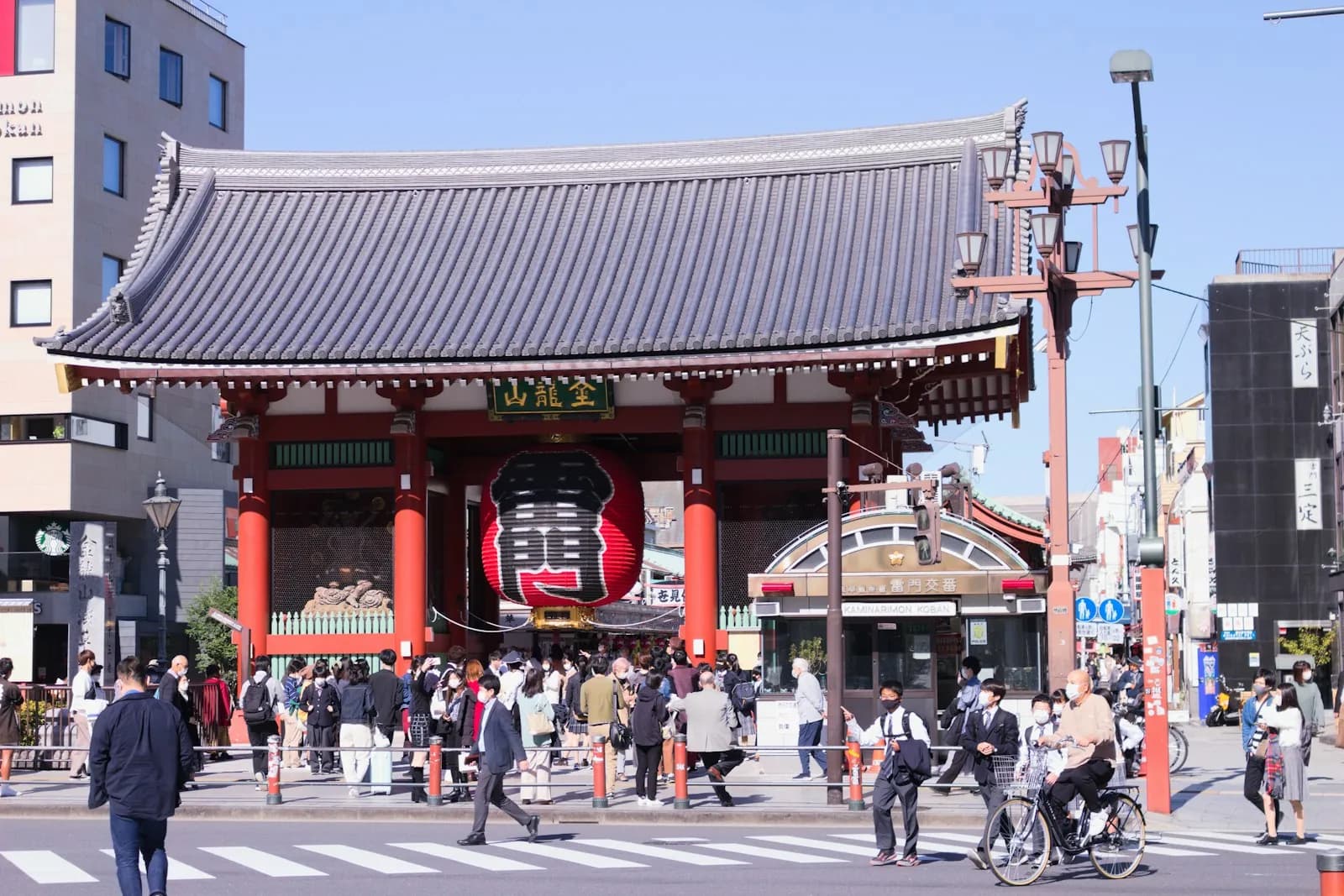
From Asakusa Station to Your Sushi Class
Choose the right Asakusa Station exit, allow a realistic buffer, and arrive at your sushi class ten minutes before it starts.
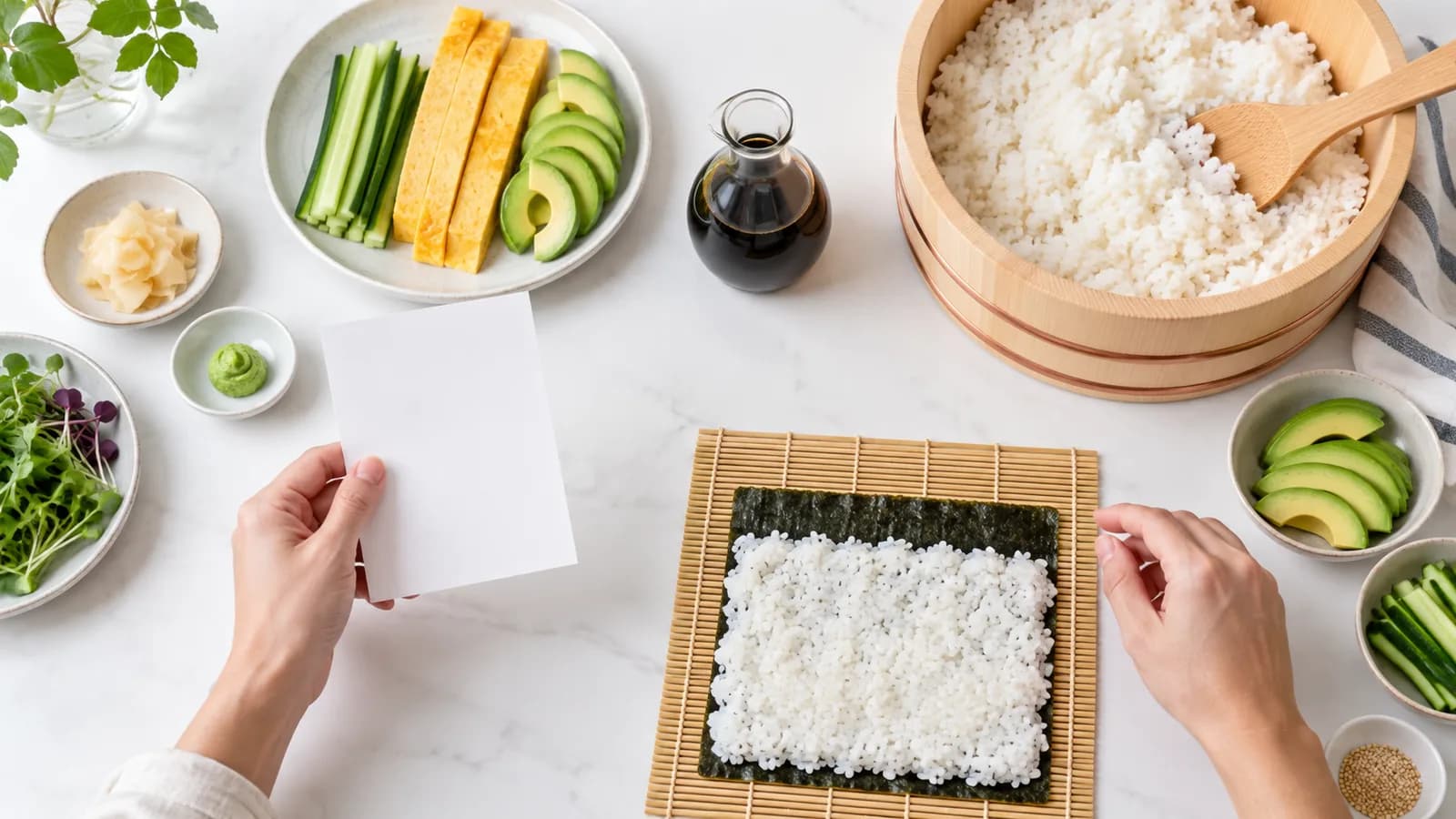
Gluten-Free Sushi Class: What to Ask
Avoiding gluten at a Tokyo sushi class? Learn where wheat hides in sushi, what a shared kitchen can and cannot promise, and what to ask before booking.
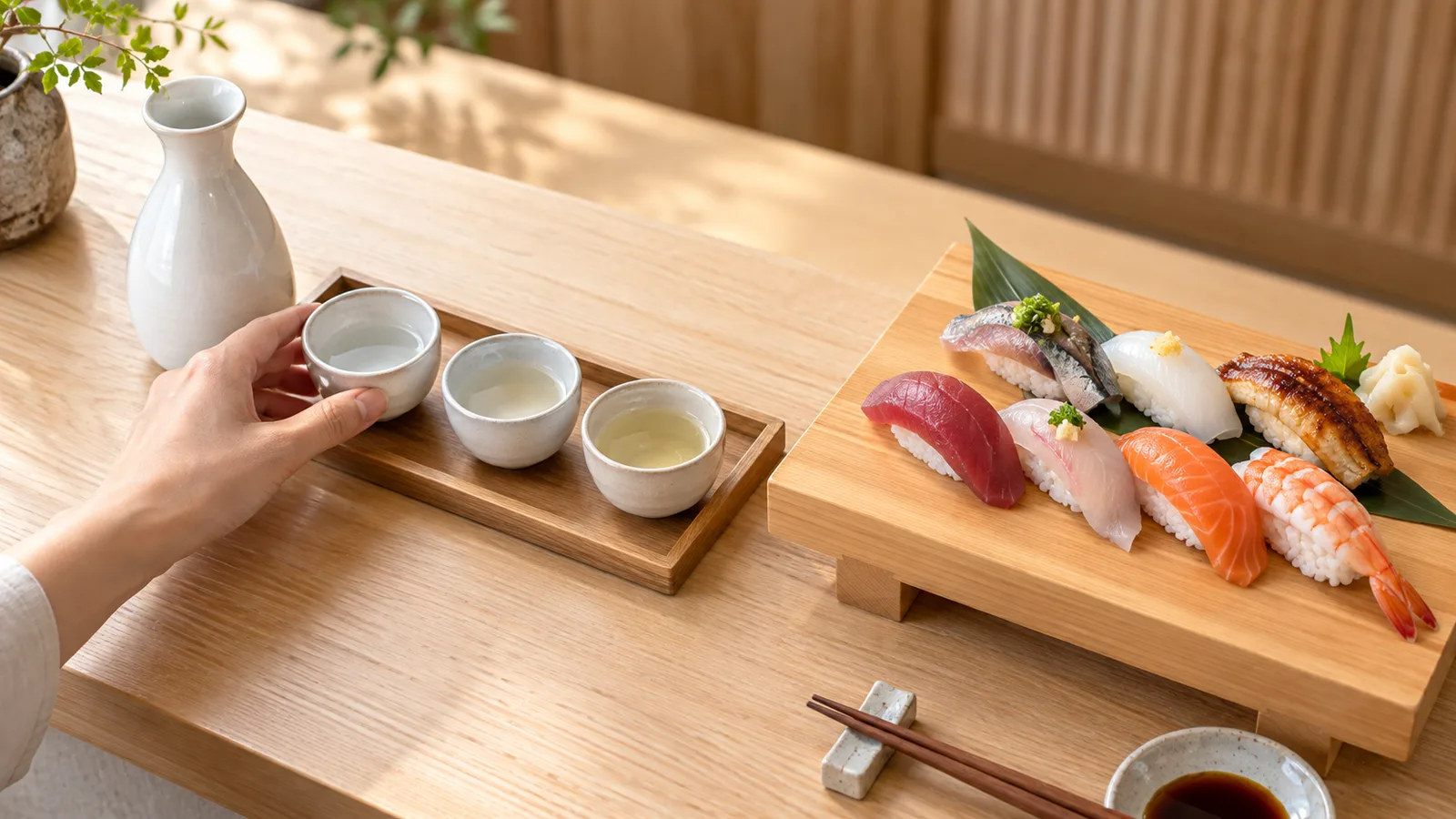
Sake Tasting or a Sushi Class in Tokyo?
Want to try sake in Tokyo? Compare a dedicated tasting, a sushi class with a sake toast and a private session with a three-sake tasting before you book.